Materials Used in Training Leashes Explained
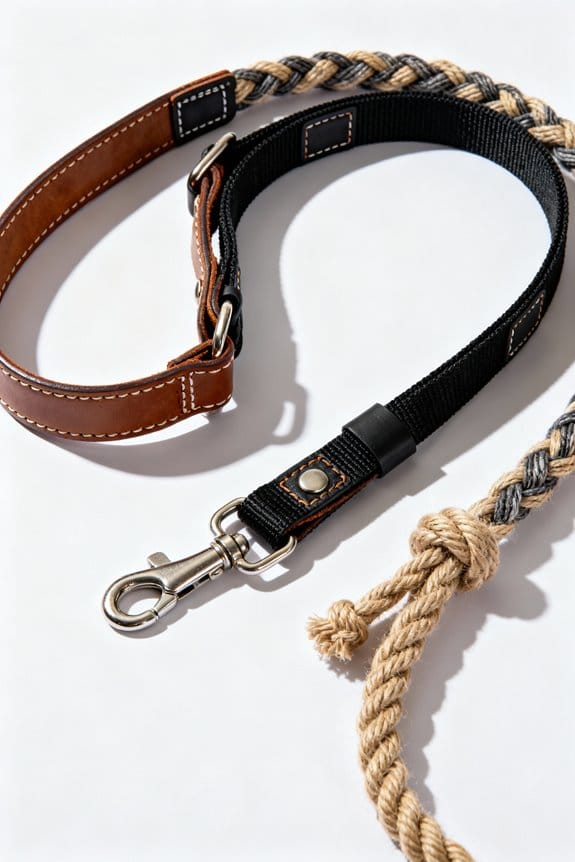
Want to know whether nylon, leather, Biothane, rope, or chain best suits your dog's training—and why one material might change everything?


Want to know whether nylon, leather, Biothane, rope, or chain best suits your dog's training—and why one material might change everything?
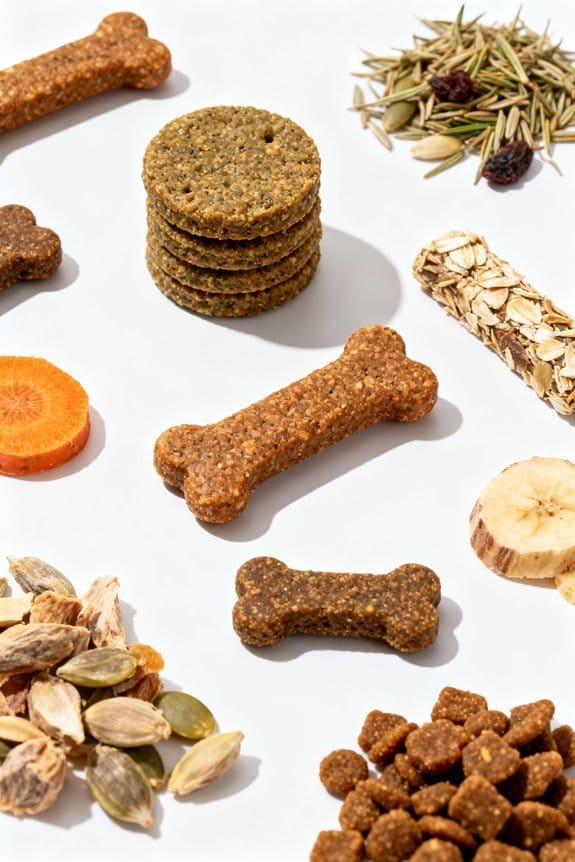
Practical grain-free training treats can reduce allergies, improve digestion, and allow low-calorie frequent rewards—discover which options work best for your dog.
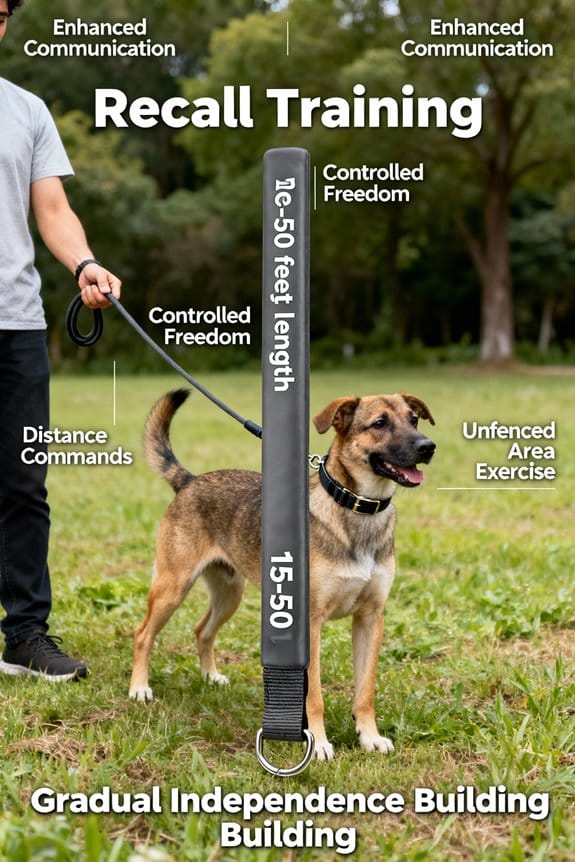
Harness the power of long lines to safely build reliable recalls, distance cues, and off‑leash freedom—discover essential techniques and common pitfalls.
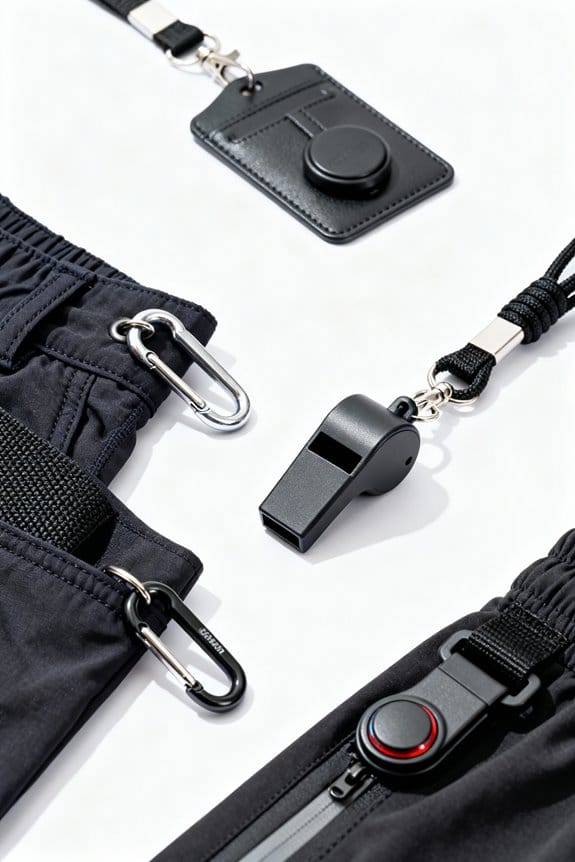
Be ready in seconds—discover lightweight, waterproof whistle storage, quick-release carry options, and safety tips that could save your next training session.
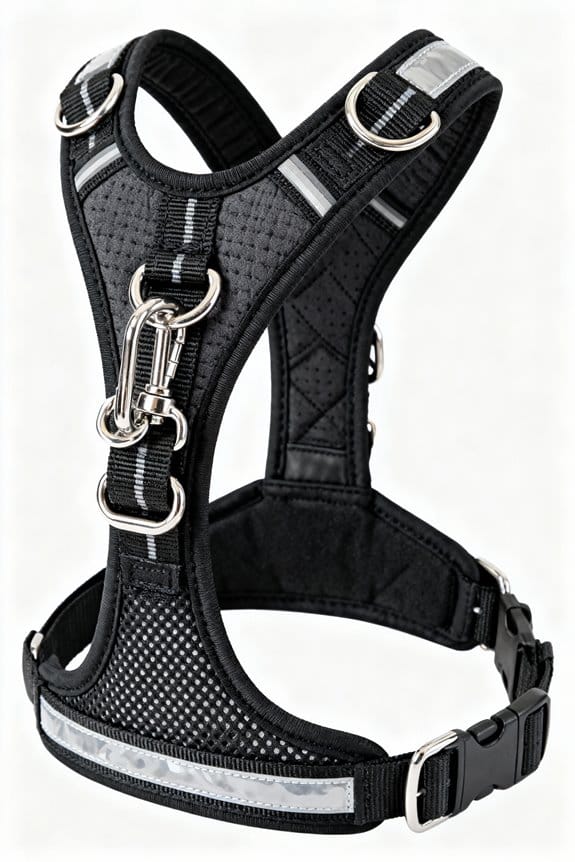
On no-pull harness designs, learn how front-clip, Y- and X-shaped straps redirect momentum and protect shoulders—discover which fit and training tips work best.
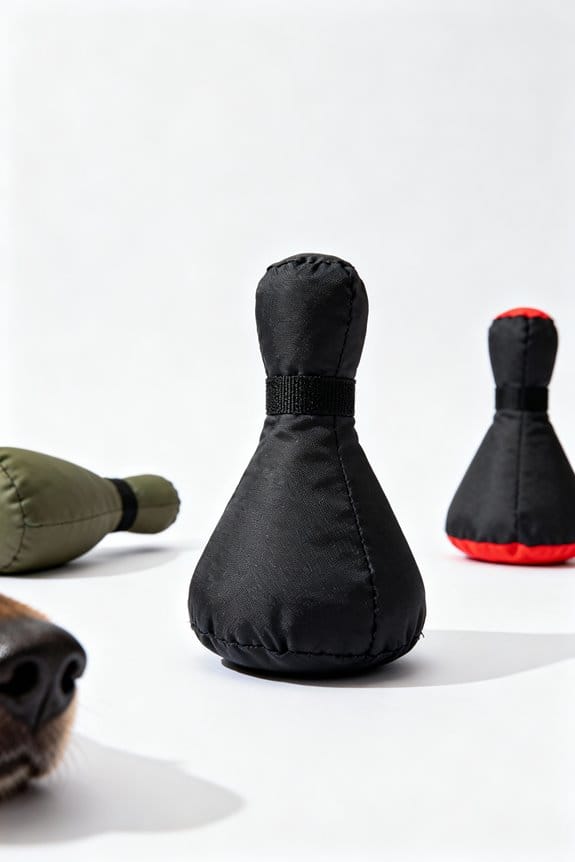
Training dummies—choose sizes, materials, and drills that build soft grips and sharper memory retrieves; learn which options prevent injury and improve performance.
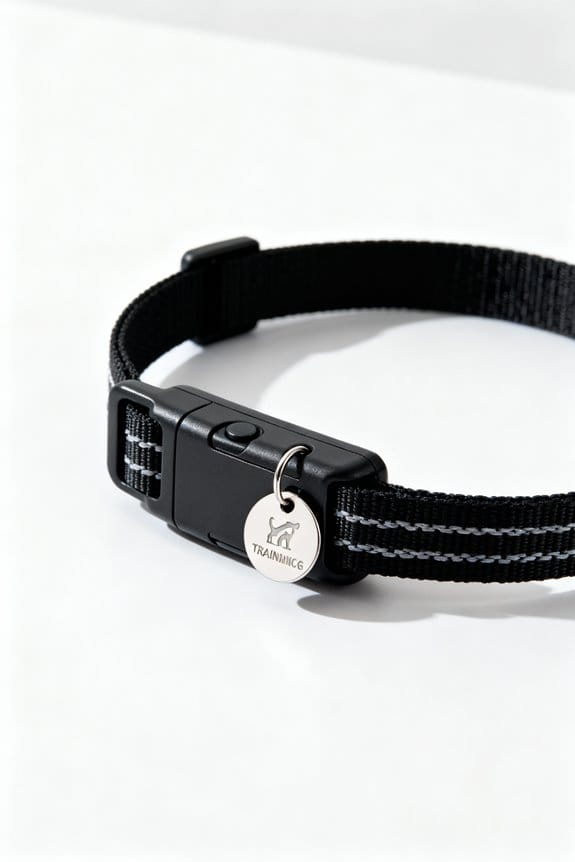
Justified placement two to three inches behind ears keeps tags visible and quiet, so read on to choose between pull-collar tag or welded plate.
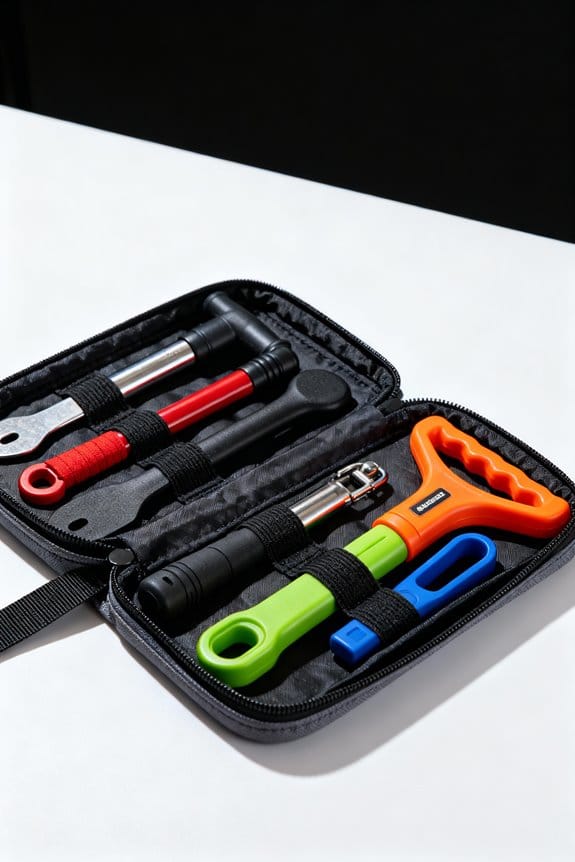
Harmonize safety, treats, and leashes in one compact pouch to cut interruptions—and discover the simple layout trick that changes every training session.
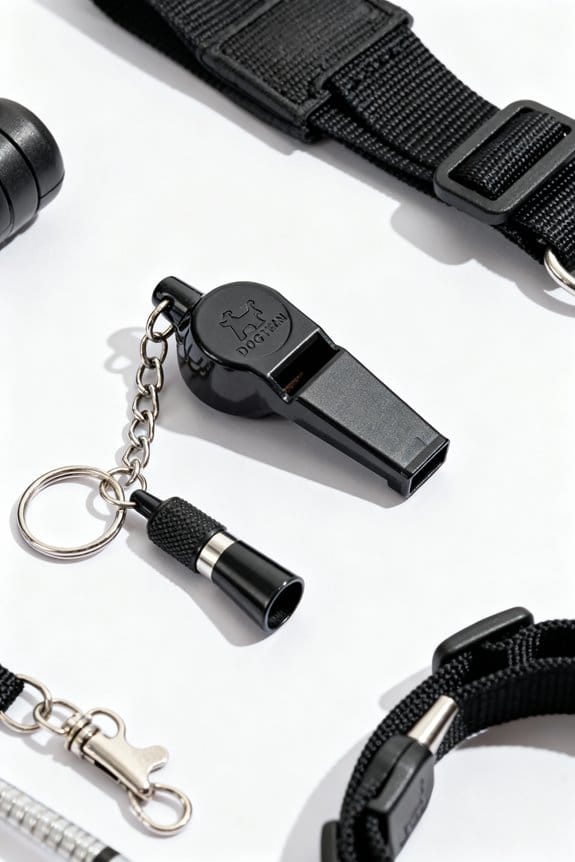
Never underestimate how a simple whistle can transform recall and obedience—learn the step-by-step method that pros use.
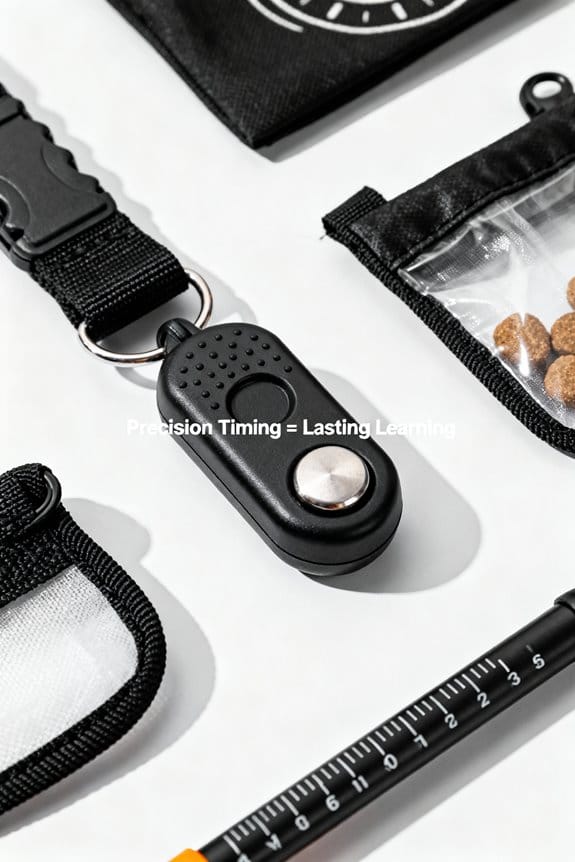
Good timing makes pets link actions to rewards in seconds, so discover how a clicker and immediate treats transform learning.