Head Halters: How They Work for Training
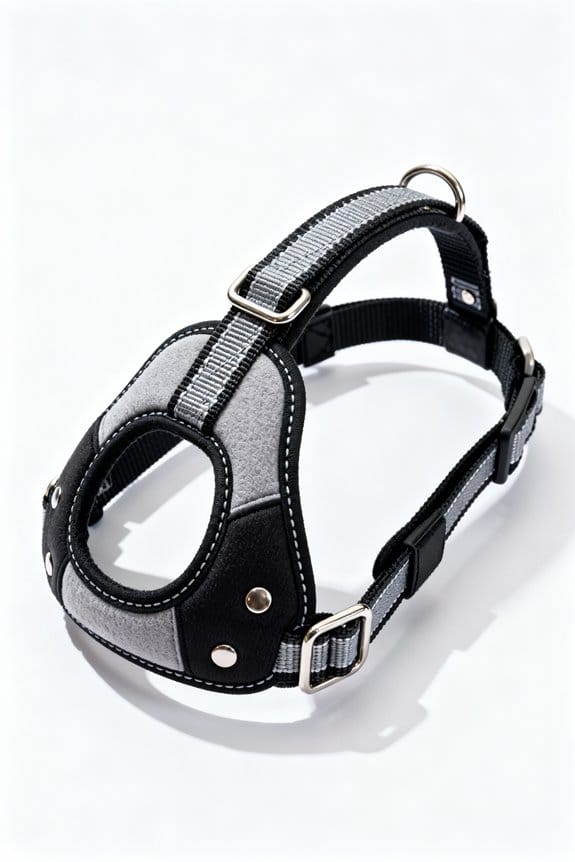
Simple, effective head halters steer your dog's attention and reduce pulling—discover how to fit and introduce them safely.

Simple, effective head halters steer your dog's attention and reduce pulling—discover how to fit and introduce them safely.
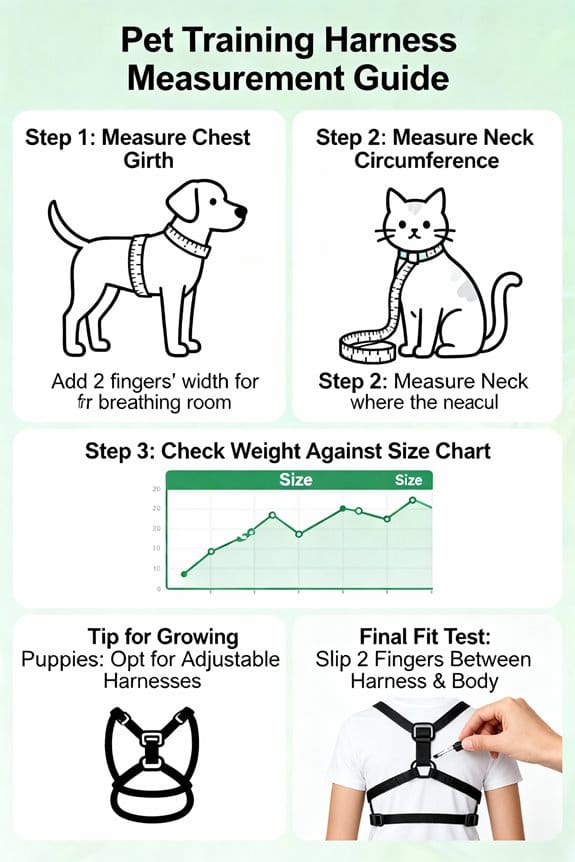
Understand simple neck, chest, and girth measurements to ensure a perfect training harness fit—discover the step-by-step technique inside.
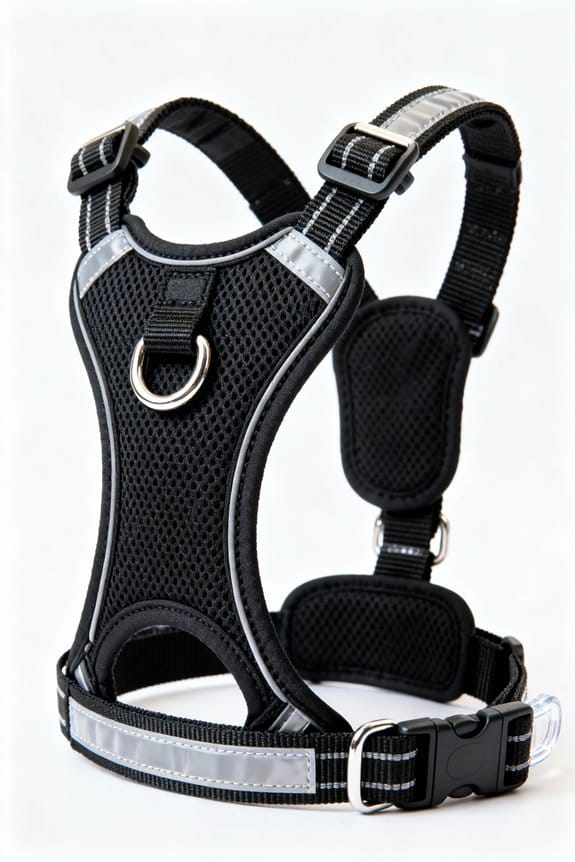
Why adjustable harness features matter—discover secure fits, padding, clips and sizing tips that prevent chafing and escapes.
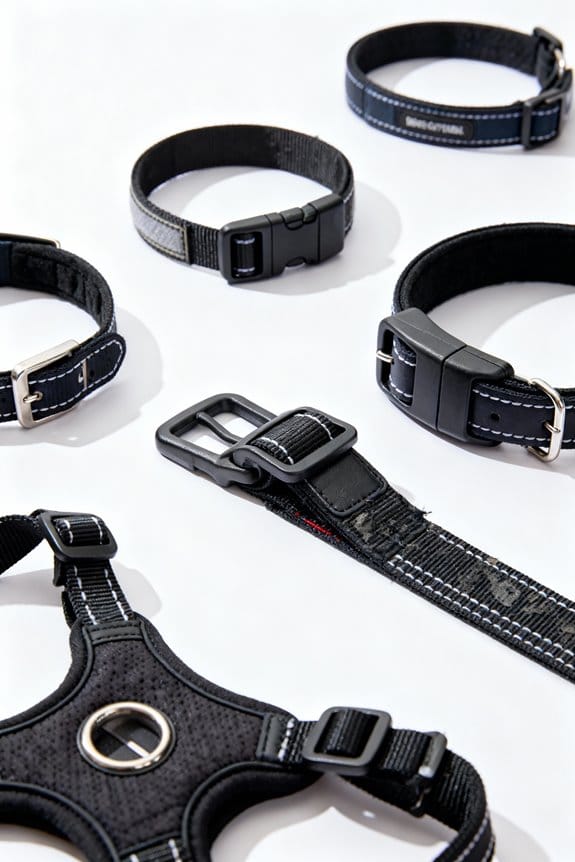
How often should you replace training collars and harnesses—learn monthly checks, puppy schedules, and the hidden wear signs that could save your dog's safety.
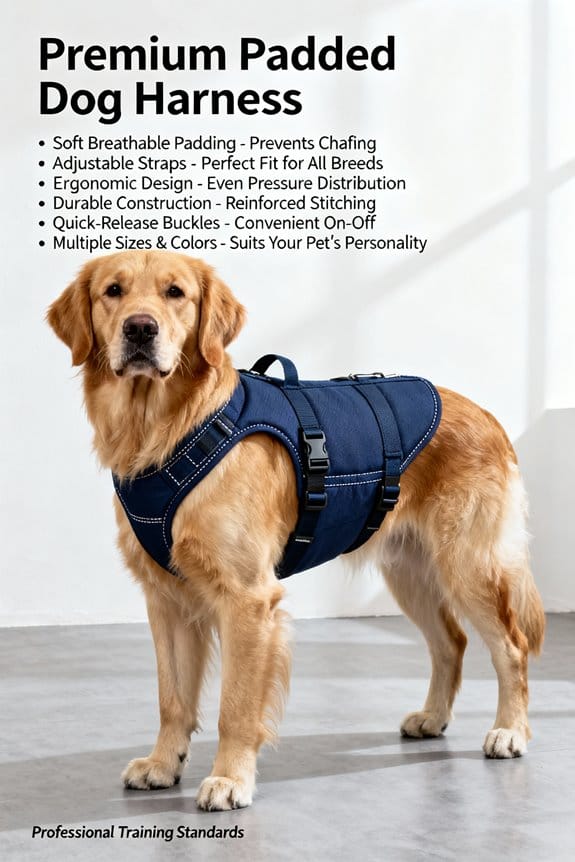
A padded harness can transform your dog's training comfort and performance—discover how small design changes prevent chafing and boost control.
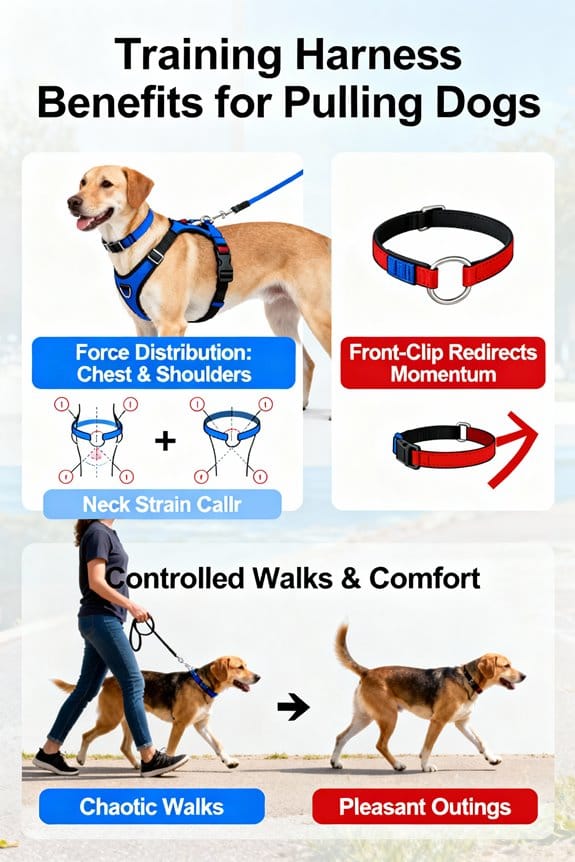
Knowing how training harnesses redistribute pressure and reduce leash force by up to 40% can transform walks—learn the key fittings and techniques.
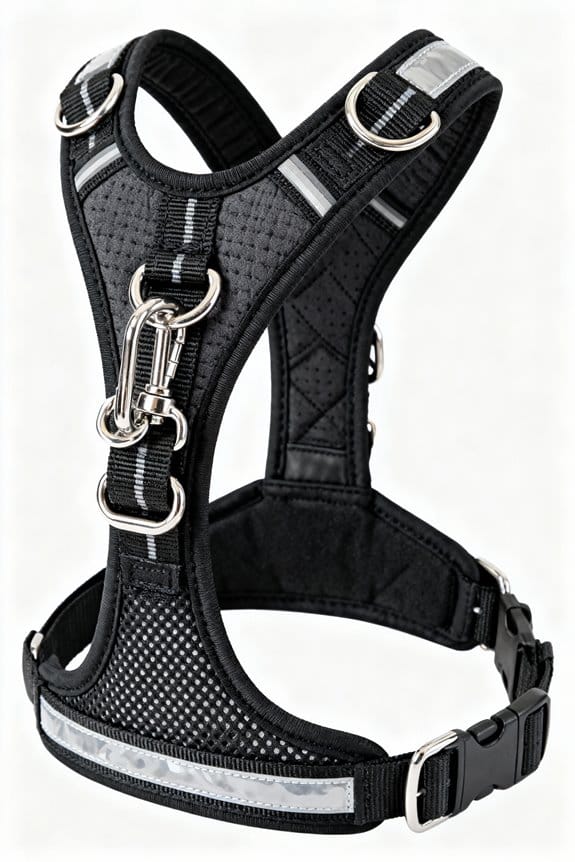
On no-pull harness designs, learn how front-clip, Y- and X-shaped straps redirect momentum and protect shoulders—discover which fit and training tips work best.
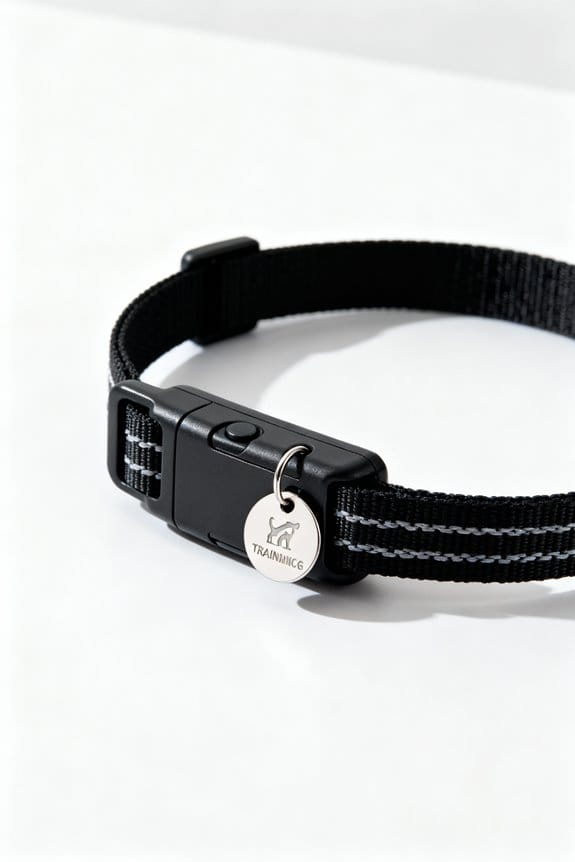
Justified placement two to three inches behind ears keeps tags visible and quiet, so read on to choose between pull-collar tag or welded plate.
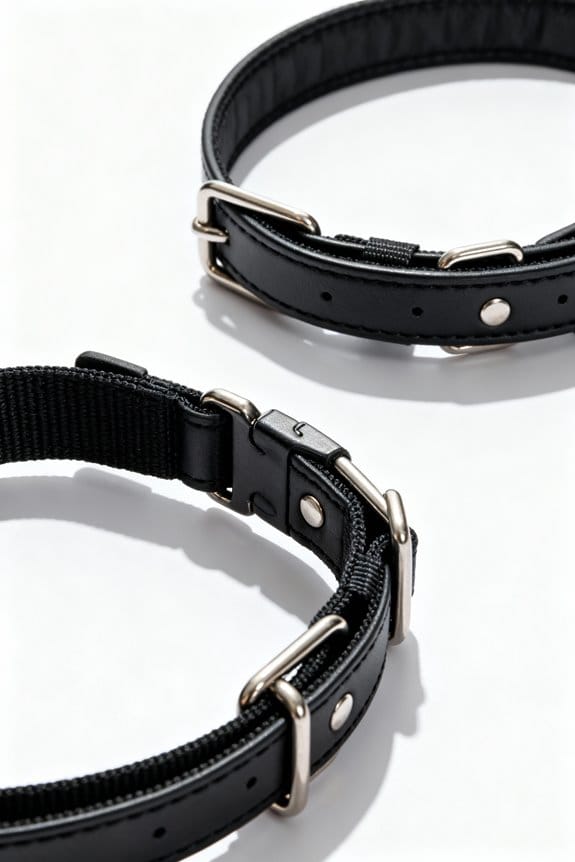
How flat collars compare to martingales can change your dog's training—discover which offers safer control and comfort when you read on.
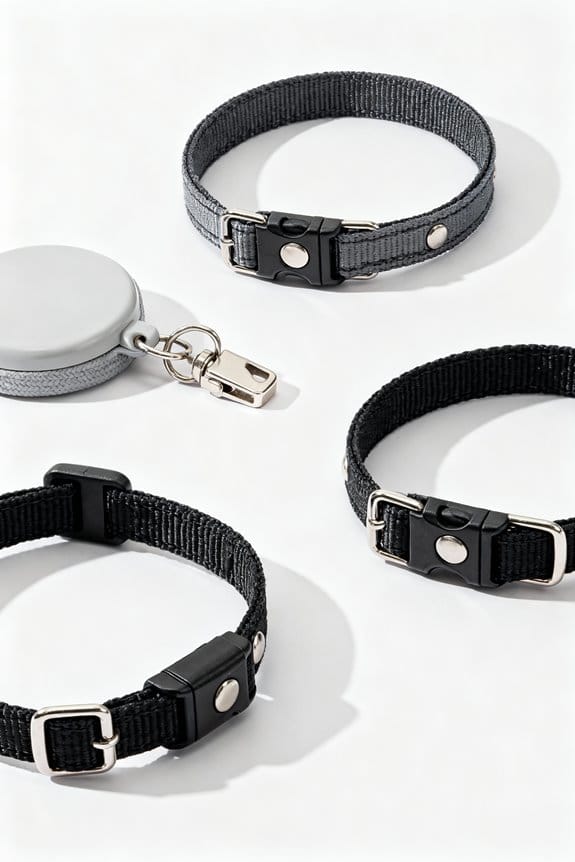
Choosing a breakaway collar can prevent strangulation during outdoor training—learn sizing, safety features, and proper introduction to keep your cat safe.