As an Amazon Associate, we earn from qualifying purchases. Some links on this site are affiliate links at no extra cost to you. Our recommendations are based on thorough research and editorial judgment.

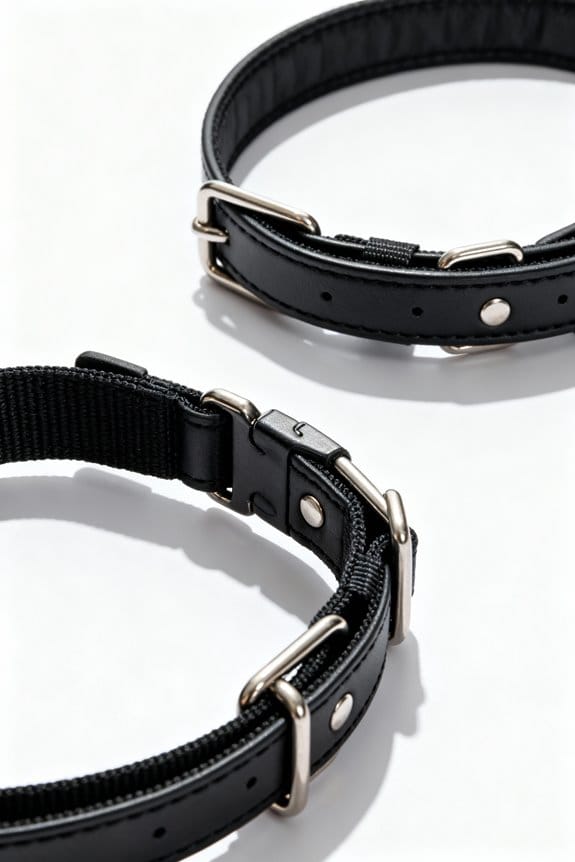
Flat Collars Vs Martingale Collars for Training

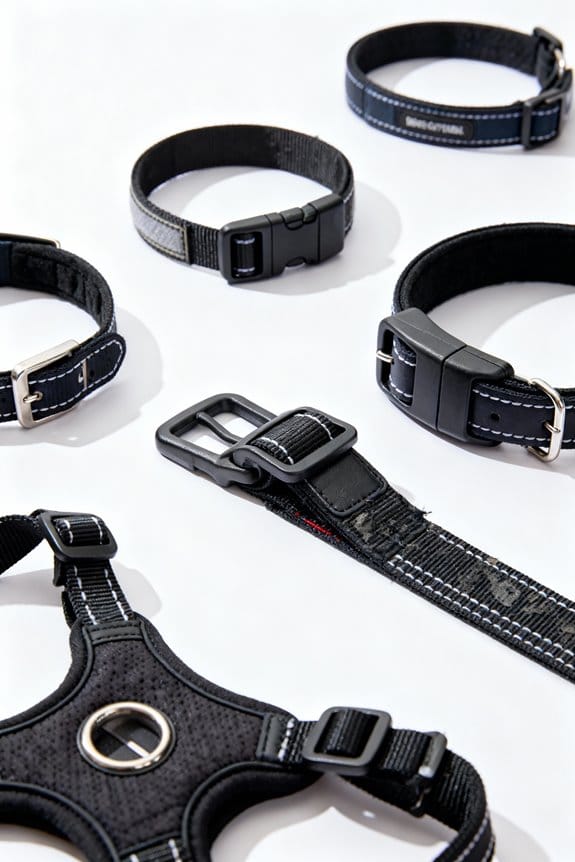
Flat collars are single straps, suited for calm, trained dogs, everyday ID and leash work, fitting two fingers comfortably. Martingale collars use two loops, tighten slightly to prevent escape, ideal for pullers and narrow-headed breeds like greyhounds, offering firmer control without choking. Which should one pick? Behavior and breed matter; pulling dogs need limited-slip control, while steady dogs wear flats for comfort. Continue for details on sizing, fitting, and training techniques, and practical numbered steps.
Key Takeaways
- Flat collars are best for well-trained dogs needing ID attachment and minimal control during everyday walks.
- Martingale collars offer limited-slip control, reducing escapes and improving responsiveness during training, especially for pullers.
- Proper fit is crucial: flat collars should allow two fingers; martingales must tighten moderately without choking.
- Martingales provide clearer leash-feedback for learning; flat collars give limited behavioral correction for pulling dogs.
- Inspect collars regularly, remove when unattended, and use positive reinforcement alongside either collar for safe training.
What Is a Flat Collar and When to Use It
You may be interested

A flat collar is the simplest, most common type of dog collar, usually made of nylon or leather with a buckle or quick-release clip. Flat collars serve a practical purpose, they allow attachment of ID tags and licenses for identification if a dog becomes lost. When should one use this collar type? It is appropriate for well-trained dogs that do not pull, because sustained pulling can cause neck strain and injury. Proper fit is essential, a comfortable fit permits two fingers beneath the strap without being too loose or enabling escape. For everyday activities such as walks, errands, and social visits, this collar is convenient and unobtrusive. For leash training, however, it may be less effective, so alternative tools should be considered for pullers. Reflective features are essential for enhancing safety in low-light conditions, making them an important consideration when choosing a collar.
What Is a Martingale Collar and How It Works
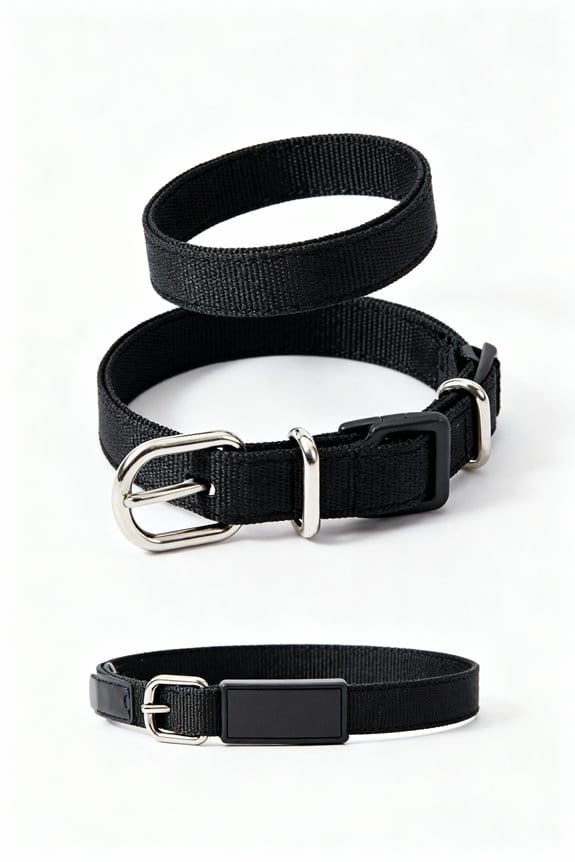
Martingale collars consist of two connected loops, a main neck loop and a smaller control loop, which tighten when tension is applied. The modern dog owner uses Martingale collars for training and everyday use, because the unique design prevents escape while avoiding harsh choking. Originally for greyhounds, these collars work well for dogs prone to slipping from standard collars, offering gentle control that discourages pulling without punishment. The limited-slip action causes the collar to tighten just enough to redirect behavior, while pressure evenly spreads around the neck to reduce focal strain. Proper fitting is important; handlers should fit two fingers between collar and skin to guarantee comfort and safety. Materials vary, including leather and nylon, allowing durability, personalization, and suitable options for different sizes daily. For more controlled corrections during training, some handlers prefer using adjustable slip/martingale designs that enhance safety and comfort.
Key Differences in Design and Function
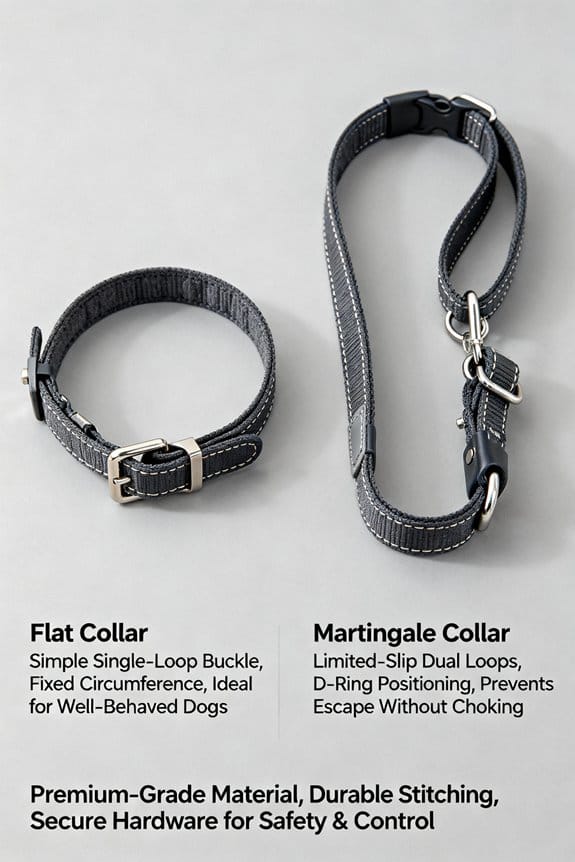
Owners moving from an explanation of how martingale collars tighten will notice clear differences in design and function between flat and martingale styles. A flat collar is a single strap, it holds ID tags securely and suits calm, well-trained dogs for everyday wear. Martingale collars use a two-loop, limited-slip design that tightens slightly to prevent slipping, offering more control during training or when dogs pull. The Martingale’s main loop and smaller tightening loop make it effective for narrow-headed breeds, reducing escape risk without choking. Proper fit matters for both types, a flat collar should be snug yet comfortable, while a Martingale tightens only modestly. Which collar matches specific training needs depends on activity level, breed, and desired balance of control and comfort and safety. Owners should consider reflective martingale collars for safer nighttime walks, enhancing visibility and ensuring the dog’s safety in low-light conditions.
Recommended Products

STUNNING STYLE: This stylish snake chain collar gives an elegant presentation that doesn't distract from your dog. This is a perfect piece for presenting at dog shows and other formal occasions.

MEASURE YOUR DOG'S NECK FOR A PERFECT FIT: Before selecting a size, measure your dog's neck for accuracy. Our martingale collars are perfect for small to large sized dogs. It easily slips over your dog's head as THERE IS NO BUCKLE. PLEASE NOTE: It's not to be left on your dog unsupervised. This is for walks only.

✅ DOG COLLAR SIZE: Neck 14"-21", Width 1", Medium; Please make sure to leave ONLY 2 finger between the collar and the dog neck (properly fitting collar won't leave any room for your dog to chew ).
Benefits of Using a Flat Collar
Flat collars, the most common collar style, suit calm, well-trained dogs for everyday wear, providing comfort and basic control during walks. Flat collars are the simplest option for a common type of dog that behaves well on leash, and they prioritize comfortable wear and minimal interference with daily activity. They use a single strap with a buckle or quick-release, so owners can attach dog ID securely, and they come in many colors and patterns for visual identification. Proper fitting is essential; one should fit two fingers under the collar to preserve dog’s comfort and prevent slipping. For active dogs who do not pull, flat collars support everyday use without added pressure, so handlers can focus on routine care and leash manners, and basic training. Reflective stitching is recommended for flat collars to enhance visibility and safety during nighttime walks.
Recommended Products
![NOVICA Artisan Handmade Garnet Ynecklace Fair Trade Choker Sterling Silver Love Rhodium Plated Red India Bollywood Birthstone Romantic [15.75 in L x 0.8 in W] ' Cascading Crimson'](https://m.media-amazon.com/images/I/3135yNKTkzL._SL500_.jpg)
An original Novica artisan handcrafted product

The ultra-cushioned game-changer

Exclusive to Proviz, the reflective material uses millions of tiny glass beads which provides astonishing reflectivity. It's waterproof (5,000mm) and has taped inner seams to prevent water getting in.
Limitations of Flat Collars for Training
Although common, flat collars can prove unreliable during training, because they often loosen when a dog pulls hard, sometimes allowing escape. Trainers note that flat collars offer limited control for strong pullers, for example dogs exerting 20–50 pounds of force, and owners may struggle to redirect movement. What happens when a leash tension spikes near traffic, or when a squirrel appears nearby? Pressure concentrates on the neck only, causing discomfort and potential neck strain after repeated tugs. Flat collars lack precise feedback, so timing of behavior correction can be delayed, reducing learning efficiency by several repetitions. In situations with distractions, multiple stimuli, focus can be poorer, and gentle correction is difficult to deliver reliably. Alternatives such as martingale collars provide mechanics for clearer communication. Some no-pull and no-choke designs enhance training effectiveness by reducing the risk of choking and providing better control.
Advantages of Martingale Collars for Control
One key advantage of a martingale collar is its limited-slip design, which tightens gently when a dog pulls, improving control. Martingale collars offer predictable tightening, which provides immediate feedback, so a handler can correct leash manners during dog training sessions. The collar helps narrow-headed breeds like Greyhounds and Whippets stay secure, preventing escape while maintaining comfort on walks. Trainers note better control with even pressure distribution, and many recommend them as a preferred option for excitable dogs that pull. How does this aid learning? Immediate, consistent cues link leash tension to commands, producing effective dog responses over repeated repetitions. Built-in safety features provide gentle control without choking, and short walks of 10–20 minutes illustrate calmer, more manageable behavior. Handlers observe measurable progress within weeks. Additionally, positive reinforcement techniques such as clicker training can be combined with martingale collars to enhance communication and learning efficiency during training sessions.
Recommended Products
![INVIROX Dog Shock Collar [Ultra K9] 124 Training Levels, 4 Powerful Modes with Night-Light and ¾ Mile Range 100% Safe Dog Training Collar for Large Dogs IP67 Waterproof (X2 Camouflage)](https://m.media-amazon.com/images/I/51v1prk6FSL._SL500_.jpg)
Veteran-Designed Control: The INVIROX Ultra K9 Dog Training Collar, an advanced shock collar for dogs, provides 124 training levels across beep, vibration, and static feedback, allowing precise correction intensity for reactive or hard-to-train dogs. Engineered for serious obedience training, it exceeds traditional dog training collars with its extensive settings

The information below is per-pack only

🦮2022 Newest Dog Collar Chain: 18k gold chain dog collar is extremely durable and will not rust or lose its luster, ensuring years of use! dog choke collar comes with a unique buckle that can withstand 700 pounds of pulling force, locking and unlocking is easy!
Potential Downsides and Risks of Martingales
Martingale collars do improve control during short walks, but they can cause problems when fitted incorrectly or misused. When a martingale exerts excessive pressure, the dog may experience immediate discomfort, and repeated pressure over weeks can inflame soft tissues or aggravate respiratory conditions. Can a tight correction lead to injury? Yes, especially in small breeds or animals with known neck sensitivities, where even a few pounds of force concentrates at the throat. Some dogs develop dependence on the training tool, responding less to cues when unmanaged, or escalating undesirable behavior such as lunging when the collar tightens. If introduced as punishment, the collar can create fear, eroding trust between handler and animal. Careful supervision, gradual introduction, and objective monitoring reduce most risks, fit guaranteed. Ensuring your pet’s safety is crucial, and accurate sizing of any training tool, like harnesses or collars, is essential to prevent harm and enhance comfort.
How to Choose the Right Collar for Your Dog
How should a caregiver select the right collar for a dog, balancing safety, control, and comfort across everyday use? The caregiver evaluates the type of dog collar needed, considering size, behavior, and activity level, because flat collars suit well-trained dogs while martingale collars provide better control for dogs that tend to pull. For breeds with narrow heads, martingale collars aid in preventing slipping out, which reduces escapes during walks and training. Caregivers must guarantee comfort by choosing collars that fit snugly but comfortably, allowing two fingers of space, and by selecting durable materials like nylon or leather for longevity. Regular checks for wear and tear confirm continued proper fit and safety, prompting timely replacement when needed. They should consult professionals when unsure about choices.
Recommended Products

Type:Martingale Collars for Dogs, Dog Size:xSmall, Small, Medium, Large, xLarge, Model:Dog Training Collar, Sizes:10 to 16 Inch - 14 to 20 Inch - 18 to 26, Bundle Listing:No

Type:Collar, Brand:Guardian Gear, Country/Region Of Manufacture:Unknown, Colors:Red, Blue, Pink, Purple, Black, Dog Breed:All

✅【Premium Quality Craftsmanship】: Our shearling-lined martingale collar is made from first-class full-grain leather and built to last. Featuring tensile-resistant construction and stainless steel hardware, it withstands the rigors of daily wear while providing your dog with a comfortable and durable accessory for any adventure.
Measuring and Fitting: Ensuring Proper Size and Comfort
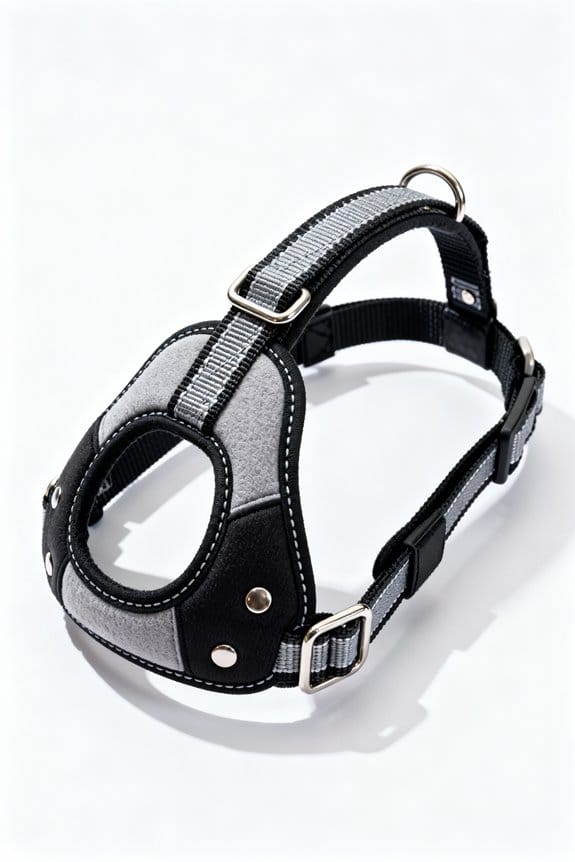
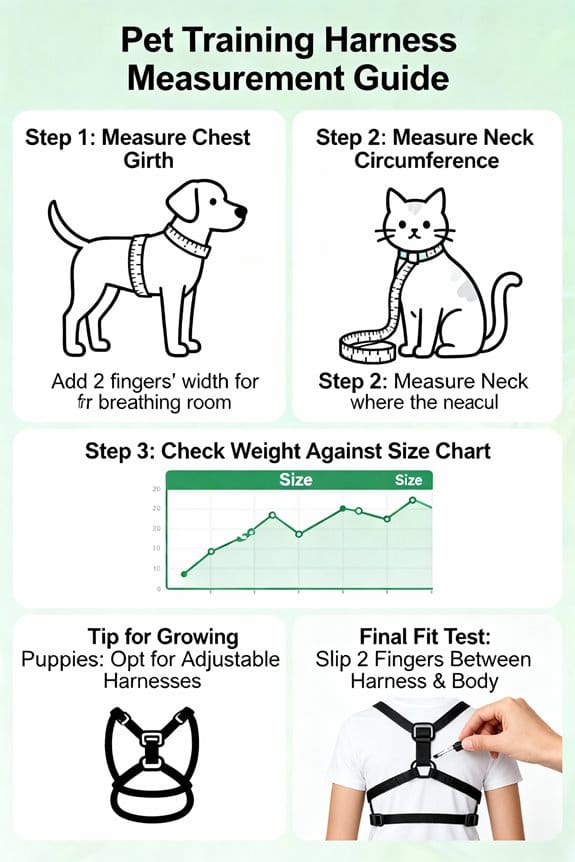
Measurement guides fit, so the caregiver measures the dog’s neck at its widest point, then adds about one inch for comfort. This measuring and fitting routine establishes a proper size baseline for both flat and martingale collar types, ensuring the collar sits correctly without causing pressure points. How should a flat collar fit, two fingers under the collar provide a simple standard that prevents tightness and allows movement? For martingales, the larger loop rests calmly, while the smaller loop allows slack at rest and will tighten gently when the leash is pulled, preventing escape. Caregivers must check collar fit regularly, adjusting for growth or weight changes, and confirm adjustments before outdoor use to avoid choking or slippage. Properly sized, adjustable harnesses fit chest girth with a two-finger rule for safety and comfort. Routine inspection protects dogs and maintains comfort.
Recommended Products

BOOST & LOCK FEATURES: Enhance your training experience with the superior Boost button. The constant correction with a customizable Boost button allows for instant level increases to immediately recall you dog. Go from training mode to obedience mode easily by setting your own custom Boost to jump to your enhanced training level seamlessly. The newly introduced Safety Level Lock prevents unwanted or accidental level changes.

NEW BOOST & LOCK FEATURES: Enhance your training experience with the superior Boost button. The constant correction with a customizable Boost button allows for instant level increases to immediately recall you dog. Go from training mode to obedience mode easily by setting your own custom Boost to jump to your enhanced training level seamlessly. The newly introduced Safety Level Lock prevents unwanted or accidental level changes for an active training style.

Compact Two Dog System with Extended Range: The Mini ET-302 two dog system with 1/2 mile range, small receiver for small to medium sized dogs 10 pounds and up with neck size 5 to 22-1/2 inches
Practical Training Tips for Each Collar Type
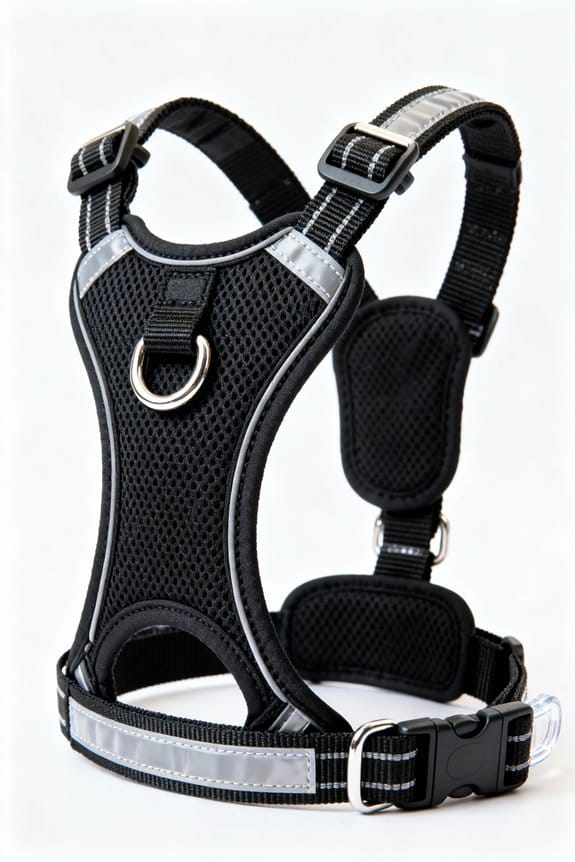
Often, caregivers begin training sessions with short, focused walks, checking collar fit and planning clear reinforcement strategies before stepping outside. For flat collars, dog owners should ascertain the collar allows two fingers under the strap, provide better tag security, and reward calm walking consistently, because these collars work best when the dog does not pull. For Martingale Collar vs flat, trainers note gentle tightening occurs only when the dog pulls or tries to slip free, a mechanism useful for training escape-prone breeds without using choke chains. Use positive reinforcement, treats, and praise to link behavior and reward, and adjust each collar to a proper fit; do observers ask when to switch? Yes, switch when pulling persists despite consistent reinforcement. Consider professional help if needed. Adding a harness with reflective features can enhance safety during low-light conditions, providing peace of mind during nighttime walks.
Safety Guidelines and Best Practices for Everyday Use
Several practical rules govern everyday collar use, and following them reduces risk while improving training outcomes for most dogs. Flat collars should have a proper fit, always allowing two fingers under the strap to prevent choking. Martingale collars require adjustment so they tighten gently, giving control without excessive force during training sessions. Inspect collars regularly for wear and tear, replace frayed or damaged pieces to avoid safety risks and escapes. Should collars be left unattended, consider removing them, since martingales can tighten if caught on objects and choke. Choose a no-slip design for everyday walks to prevent leash failures, and verify dogs comfort and safety regularly. Consider using a harness with reflective elements to enhance safety during low-light conditions. Use positive reinforcement consistently with either collar type, rewarding desired behavior promptly, which strengthens learning and reduces resistance.
Frequently Asked Questions
Are Martingale Collars Better Than Flat Collars?
Yes. Martingale collar advantages versus flat collar drawbacks; training effectiveness comparison: improved control, dog comfort levels, leash attachment differences noted, safety concerns evaluated, material durability analysis, size fitting importance, behavioral observation techniques, owner preferences assessed.
What Type of Dog Collar Is Best for Training?
Martingale often best; trainer’s steering-wheel. collar material options, effective training tools, choosing right collar, dog behavior influence, comfort and fit, leash attachment points, collar safety concerns, training effectiveness comparison, breed specific recommendations, owner training skills
What Kind of Collar Does Cesar Millan Recommend?
Cesar Millan recommends flat collars for well‑trained dogs and martingale collars as training methods, emphasizing collar types for dog training, ethical behavior correction, leash control, consistent positive reinforcement, pet safety, collar fitting and dog psychology.
Do Trainers Recommend Martingale Collars?
Yes, trainers, tickled by a dog sporting miniature noose, cite Martingale collar benefits and Training effectiveness, evaluating Collar safety, Adjustability features, Sizing considerations, Owner preferences, Dog breed compatibility, Leash attachment styles, Training techniques, Durability issues.
Conclusion
Practitioners should select collars based on behavior goals, choosing a flat collar for ID and walks, a martingale for slip-resistant control during loose-leash training. Which scenario warrants each tool, a calm household or a hound at the park regularly? For example, a flat collar suits dogs under 20 kg for identification, whereas martingale often limits escape, reducing pull incidents by margins during sessions. Use correct fit, supervision, gradual conditioning, and retire collars for unsafe activities.