As an Amazon Associate, we earn from qualifying purchases. Some links on this site are affiliate links at no extra cost to you. Our recommendations are based on thorough research and editorial judgment.

How to Measure Your Pet for a Training Harness

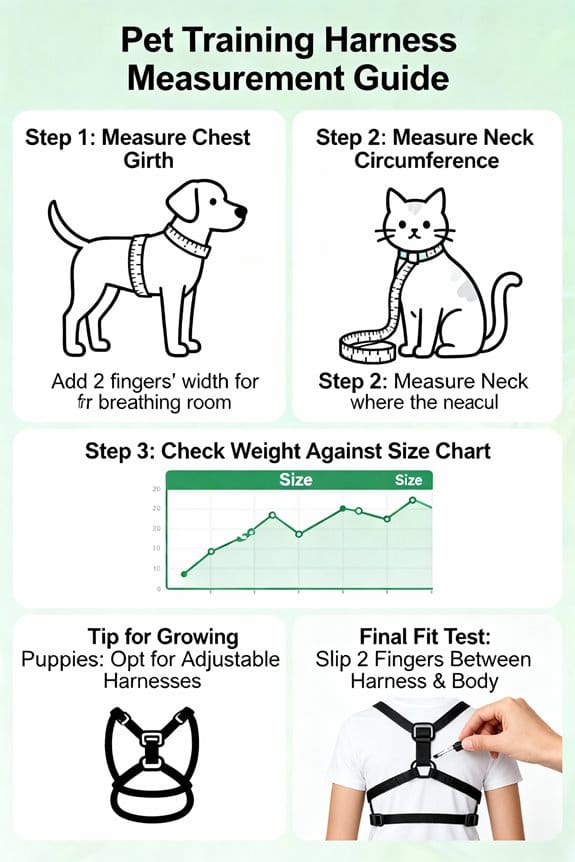
Measure a dog’s neck, chest and girth with 60-inch soft fabric tape, taking three readings and using the largest value for sizing. Have the dog stand squarely, distribute weight evenly, and calm it with treats or a helper. Neck measurement goes just below the narrowest part, allow one finger; chest/girth is one inch behind front legs, wrap snugly with two-finger comfort. Puppies need weekly checks during growth, continue for fitting, adjustment, and sizing charts helpfully.
Key Takeaways
- Use a soft fabric tape measure, ruler, pen, and record sheet; have treats and a helper to keep the dog calm and steady.
- Have the dog stand squarely on all fours with weight evenly distributed before measuring.
- Measure neck just below the narrowest part and girth one inch behind front legs around the widest chest area.
- Measure three times, use the largest measurement, and compare to the manufacturer’s sizing chart, sizing up if between sizes.
- After fitting, confirm two-finger snugness, check for rubbing or restricted movement, and remeasure regularly during growth or weight change.
Required Measuring Tools and Supplies
You may be interested
A soft fabric measuring tape, about 60 inches (150 cm) long, is vital for accurately measuring neck, chest, and girth. The soft measuring tape provides precise measurements, and it helps determine the correct harness size to preserve dogs comfort during activity. If a fabric tape is unavailable, use a piece of string to measure your dog, then compare that string against a ruler for precision. Gather tools in advance, including the tape, ruler, pen, and a record sheet, to avoid interruptions and guarantee accurate measurements. Record neck, chest, and girth, note dates, and track changes in size for your dog, especially puppies or dogs altering weight. Treats can calm a dog, improving cooperation, and consequently increasing measurement reliability when measuring your dog. Measure carefully. When choosing a harness, consider no-pull front-clip designs that can effectively reduce pulling behavior during training.
Preparing Your Dog for Accurate Measurements

When preparing a dog for measurement, the animal should stand squarely on all fours, relaxed, with weight evenly distributed. Have the owner or a helper hold the dog gently, offer small treats to keep the animal calm, and minimize movement. Should one measure repeatedly, take three readings, compare results, and use the larger measurement for harness sizing decisions. Brush away excess fur from measurement sites, flatten thick coats with the hand, and check that tape lies against skin for accurate readings. Ensure you follow manufacturer’s sizing guidelines closely to achieve the best fit for your dog’s harness. Can a distracted dog still provide precise measurements, or is a calm, cooperative posture essential for reliable fit? Use a relaxed position and short intervals of measurement, pause when the dog shifts, then resume to preserve consistency and reduce stress. Record all values.
How to Measure the Neck Correctly
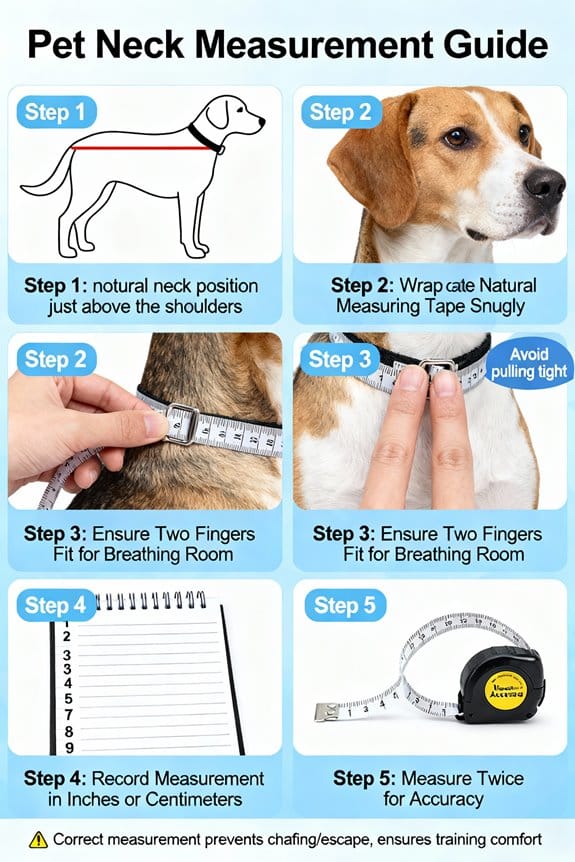
To measure the neck correctly, wrap a soft tape just below the narrowest part where the collar sits, keeping it snug but not tight. The assessor should locate the dog’s neck measurement spot by feeling the shoulders, this verifies correct placement and consistent reference points. Use a soft measuring tape against the skin, parting thick or long fur, and record the number two to three times for accurate measurements. Is the tape allowing a finger beneath without slack? If not, adjust to avoid tightness, because a snug fit preserves comfort yet prevents slipping. Different body types require minor adjustments, for example broad-chested breeds need confirmation of neck size, while slender breeds require careful tension control. Precise neck measurements reduce harness-related discomfort and potential injury. Remember to check for chafing and ensure the dog can pant comfortably when fitting a gentle leader halter.
How to Measure Chest and Girth Precisely
Because accurate chest and girth measurements determine harness fit, the tape should sit about one inch behind the front legs, wrapped snugly without pinching. The measurer wraps a soft measuring tape around the widest part, keeping it level, this guarantees the dog’s chest reading reflects circumference while standing. For girth measurement place the tape just behind the front legs and around the deepest rib area, maintain a snug feel but avoid compressing tissue. Two fingers should fit between tape and skin to confirm comfort and stability, is the handler observing normal breathing and posture? If results fall between sizes choose the larger for accurate sizing, this prevents restriction and allows freedom of movement. Measure twice, record numbers, and recheck for consistent, accurate results. To ensure the ultimate comfort for your dog, consider using a padded collar that prevents chafing and irritation during prolonged wear.
Measuring Back Length and Checking Weight
Once chest and girth are recorded, the handler measures back length from the neck base to the tail base, with the dog standing naturally. The measuring tape should lie flat against the skin, stretched without pulling, maintaining a straight line for accuracy, avoiding curves that add centimeters. For example, a medium span of 35 cm suits many medium breeds, while 50 cm indicates a large frame. Next, the handler records weight on a scale, noting the dog’s weight to nearest 0.1 kg, and repeats if the animal moves. Puppies require frequent checks, every month, as growth alters fit and harness sizes. Finally, the handler consults size charts, matching back length and weight to recommended harness sizes, ensuring a safe fit. Properly measuring and choosing the right collar is crucial for effective training and comfort, aligning with the dog’s neck size and breed strength.
Matching Measurements to Different Harness Styles
Compare the dog’s recorded girth and chest measurements against each harness style’s fit guidelines, considering body shape and movement needs carefully. Measure girth to the nearest half inch, then record these measurements, because they determine Go-Tech or Journey Air best suitability. For wide-chested, athletic dogs the Journey Air often gives broader chest support, distributing pressure across the sternum and allowing full stride. Conversely, the Enhanced Strength Tru-Fit has adjustments for varied body types, adapting to narrow ribs or deep chests, maintaining secure fit. Step-in or over-the-head designs may suit short-legged or broad-shouldered breeds, they influence donning ease and how the harness tracks movement. Scent training sessions are typically short, lasting between 5-15 minutes, promoting consistency and endurance in dogs. Consult the manufacturer’s sizing chart, match exact measurements to size ranges, and favor the larger size if between ranges, preserving comfort.
Using Sizing Charts and When to Size Up
Although harness models vary widely, owners should always consult the manufacturer’s sizing chart and compare both chest and girth measurements. Professionals advise owners to measure your dogs with a soft tape, recording chest circumference near forelegs, and girth measurement around the widest rib area, for example 40 to 50 cm for medium breeds. If measurements fall between two sizes, size up to guarantee comfort, avoid chafing, and preserve mobility. Which measurement matters most? Prioritize girth, because the dog’s body width often dictates whether the training harness sits correctly. Many charts list weight limits too, so weigh the animal, compare to chart, and choose the size that matches both girth and weight for the right fit. Recheck fit after activity, and adjust straps as necessary. When selecting a treat pouch to pair with the harness, ensure it has durable materials like 600D Nylon for easy cleaning and water resistance.
Measuring Growing Puppies and Resizing Tips
How should owners approach sizing for a growing puppy, when rapid changes can make a good fit short-lived? Owners are advised to wait until closer to full size, typically twelve to eighteen months, because premature purchases often fail within weeks. Use an adjustable, durable model and a soft tape measure to track growth, and plan for readjustment as muscles develop. When measuring, measure a dog with two measurements, chest circumference around the widest part and neck girth, recording both values regularly. How often should checks occur, weekly or biweekly during growth spurts, to guarantee ongoing comfort? Choose the right harness by allowing space for movement, apply the two-finger rule consistently, and size up only when measurements exceed current adjustment capacity for long-term secure fit.
Verifying Fit: What to Look for After Fitting
Fit verification begins immediately after fastening the harness, with the handler checking the two-finger rule and overall snugness. Using a tape measure around the widest point, measure the size of the chest to confirm manufacturer sizing, and note changes over time. The handler must guarantee there are two fingers between the harness and the body, fingers between the harness should slide comfortably without bunching the skin. Check that you can fit the panel behind their front legs without restricting movement, and observe gait while walking and running for natural stride. Inspect the dog’s rib cage and adjacent skin for redness or indentations that indicate excessive pressure. Reassess fit regularly, because weight gain, muscle development, or coat changes alter fit and safety. Adjust as needed. It is crucial to consider the impact of the harness on the dog’s hip dysplasia risk to ensure their long-term health and comfort.
Getting Help: Customer Support and Additional Resources
The customer care team is available Monday through Friday, from 7:30 a.m. to 4:30 p.m. MT, to assist with customer support and sizing issues. Callers should have the dog’s measurements ready, including chest circumference, neck size, and back length, to speed diagnosis and recommendations. If the harness fit seems incorrect, will customer service advise resizing options, exchanges, or alternative models that better match measurements? Detailed guidance is provided, with examples such as a 22-inch chest needing a medium harness, or a 30-inch chest requiring a large. Ray Allen Manufacturing offers additional resources, including instructional videos on YouTube, to demonstrate measuring techniques visually. Feedback on harness fit and the sizing guide is welcomed, to improve accuracy, and to refine future instructions, call, email, or chat. For additional peace of mind, consider harnesses with reflective materials to enhance safety during low-light conditions.
Frequently Asked Questions
How to Measure a Pet for a Harness?
Measure chest and neck using snug tape; owners record girth and neck for proper harness types. Use measuring techniques, avoid common mistakes, note harness benefits, apply fitting tips and adjustment methods while observing safety considerations.
How Do You Know What Size Harness You Need?
Measure the dog’s girth and neck, then use a sizing guide and measurement tools to choose between harness types; avoid common mistakes, consider comfort factors, material considerations, and always follow adjustment tips for proper fit.
How to Measure Your Dog for a Perfect Fit Harness?
They measure chest, neck, and girth snugly, then consult comfort sizing and harness styles; use adjustable straps and material options; consider breed considerations, activity level, and fitting tips always to guarantee proper secure comfortable fit.
How Do I Know What Harness to Get My Dog?
They choose a harness based on harness types, training benefits desired, breed differences and fitting challenges; prioritize adjustable features, common materials suited to activity, and safety considerations, consulting size charts and reviews for ideal selection.
Conclusion
A precise harness fit protects the dog, prevents chafing, and improves control, so measure neck, girth, and back length carefully. Which measurement matters most, neck circumference or chest girth, depends on breed, body type, and the training activity? If a puppy measures 10 inches girth now, remeasure monthly, because weight gain and coat changes will alter fit. When between sizes, size up for comfort and control, following sizing charts and ‘better safe than sorry’ principle.