As an Amazon Associate, we earn from qualifying purchases. Some links on this site are affiliate links at no extra cost to you. Our recommendations are based on thorough research and editorial judgment.

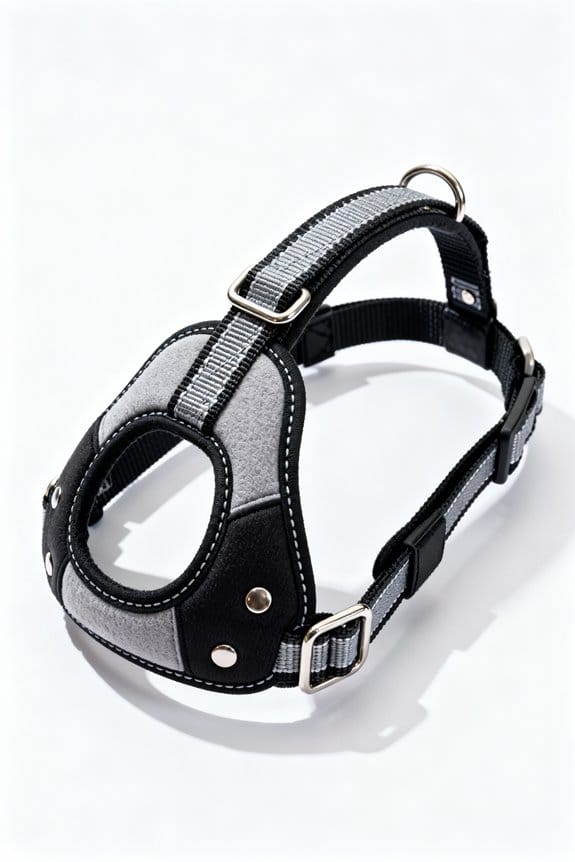
Head Halters: How They Work for Training

A head halter fits over a dog’s muzzle, behind ears, it steers the head to reduce pulling and redirect attention. It gives precise directional control, useful for strong or reactive dogs on busy sidewalks or during training sessions lasting five to ten minutes. Proper fit allows two fingers’ space, permits panting and drinking, and avoids pinching or rubbing. Gradual conditioning with treats and brief indoor sessions prevents stress, further guidance explains fitting and walking techniques.
Key Takeaways
- A head halter redirects a dog’s head and therefore its body, giving handlers precise directional control to reduce pulling.
- Proper fit and gradual conditioning ensure the dog associates the halter with treats and calm behavior, not punishment.
- Short, frequent training sessions teach steering cues, eye contact, and loose-leash walking using gentle head turns and rewards.
- When fitted correctly, halters allow normal panting and drinking while minimizing neck strain from sudden lunges.
- Monitor fit, skin, and leash tension; consult a trainer for reactive dogs or if the dog shows distress.
What Is a Head Halter and How It Works
You may be interested

A head halter is a restraint device that fits over a dog’s muzzle and behind the ears, allowing directional control. It functions as a training tool, and the handler can use gentle steering to redirect attention and reduce forward momentum when a dog pulls. How long should introduction take, one to two weeks of gradual sessions with short five to ten-minute exposures? Proper fit is essential, measured by two fingers’ space around the nose strap, permitting panting, drinking, and normal jaw movement. With positive reinforcement, the dog associates the halter with treats and praise, resulting in calmer responses. For reactive dogs or large breeds, the halter reduces strain on the handler, lowers injury risk, and improves safety during walks. Handlers should monitor comfort continually. For short-nosed breeds, head halters may not be suitable due to their unique skull structure, and alternative tools might be necessary.
Reasons to Use a Head Halter for Leash Training
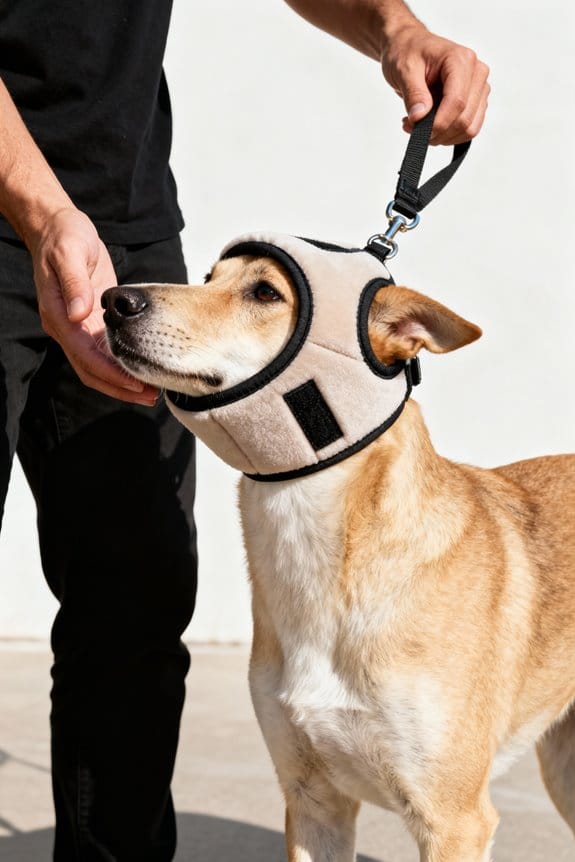
When leash training strong or reactive dogs, a head halter provides precise directional control, reducing pulling and improving handler safety. Head halters guide the head to redirect focus toward the handler, they can prevent your dog from lunging at distractions during walks. Leash training improves when verbal cues like “heel” and “leave it” are paired with using a head halter, producing clearer responses. A properly adjusted, comfortable fit allows eating, drinking, and panting, which preserves welfare while functional control is maintained. A certified dog trainer can introduce the device gradually, using positive reinforcement to reward your dog with treats, praise, or play breaks. Would a halter suit an energetic adolescent or a reactive adult near traffic; both scenarios show reduced pulling and faster obedience? Additionally, orthopedic designs with high-density foam can support dogs during rest, ensuring their comfort after active training sessions.
Recommended Products

Chest circumference: 26 - 33.5 in, weight of the dog: 50.5 - 66 lbs

Burgundy latigo leather construction

RUGGED, TRAIL-READY DESIGN – Built for active dogs, this premium dog harness can handle the toughest trails and outdoor adventures. Its durable polyester outer shell is made to withstand the demands of an active lifestyle.
Choosing the Right Head Halter and Proper Fit
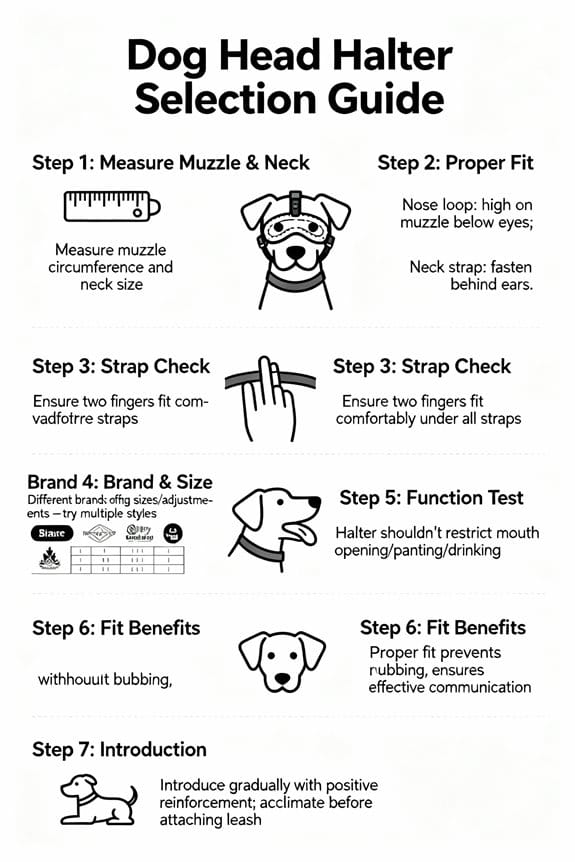
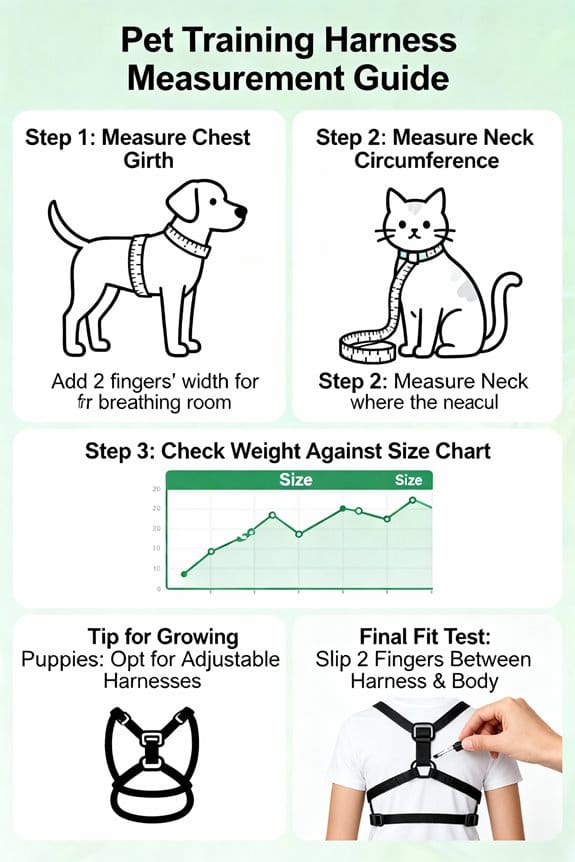
Although head shapes vary widely, handlers should select a halter that follows manufacturer sizing charts, matching measurements within one to two centimeters. A proper head halter should fit the dog’s head without pinching, allow normal panting and drinking, and avoid pressure on the muzzle or neck. Which features matter most, a snug nose loop, adjustable straps, or a collar connector to prevent slippage and improve safety? For small breeds measure around the muzzle and behind the ears, for larger dogs use tape across the skull, always compare to the chart provided. Introduce the device gradually, using high-value treats to build calm acceptance, and only proceed outdoors after comfortable tolerance is evident. Continuously monitor behavior, adjust straps to eliminate rubbing, and reassess fit at routine weekly intervals periodically. Consider opting for vet- or trainer-recommended models to ensure proven effectiveness in managing pulling dogs.
Recommended Products

Package Dimensions: 29.37" (L) x 22.04" (W) x 15.2" (H)

Control Grazing for a Healthier Horse - The GreenGuard Grazing Muzzle serves as a slow feeder for grass, allowing horses to engage in natural grazing behavior while limiting intake, preventing overeating, and promoting better health.

Chest circumference: 32.5 - 45.5 in, weight of the dog: 88 - 176.5 lbs
Step-By-Step Conditioning to Accept the Halter
Having confirmed proper fit and comfort, handlers should begin conditioning the dog to accept the halter using staged steps and rewards. First, present the head halter unfastened, allow exploration, and reward with high-value treats to build a positive association. Next, encourage the dog to put its head through the Gentle Leader, reward each success, and increase duration. Fasten briefly, continue generous rewards, and observe body language for signs of being comfortable wearing the device. Allow short indoor sessions of five to ten minutes, praise and treat frequently, then extend time incrementally. When indoor tolerance is consistent, introduce low-distraction outdoor areas, monitor and adjust cues using calm signals. What follows is steady, predictable Halter Training that builds trust, reduces resistance, and creates calm, reliable responses. Additionally, consider using puppy training bells to reinforce desired behaviors and establish a routine for outdoor activities, aiding in the overall training process.
Recommended Products

Designed for perfect control in hand
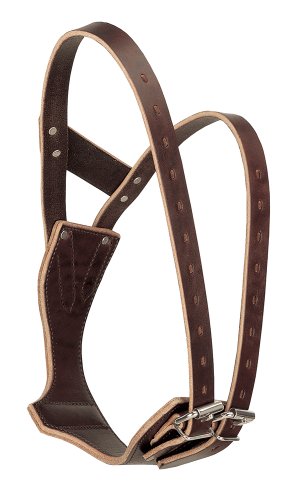
Horse Miracle Collar: Break the destructive cycle of cribbing in your horses with our leather horse gear; this miracle collar comes with an anatomically precise fit that ensures your horse can eat, drink, graze with ease

Robust strong twin nylon solid metal chain & fittings
Walk Training Techniques Using a Head Halter
Begin walks in short, controlled increments, using the head halter to steer the dog’s head and manage forward momentum. Trainers recommend sessions of five to ten minutes, daily, while gradually increasing duration to twenty minutes, as dogs need time to acclimate. How should handlers teach the dog to respond to cues, heel, and leave it, before relying on the device? Owners should use a head halter, pair steering with treats, reward eye contact to capture the dog’s attention, and reduce pulling through consistent cues. Guarantee proper fitting, check that the dog can eat, drink, and pant comfortably, and adjust straps to avoid rubbing. Regular cleaning of the head halter ensures that it remains hygienic and functional, much like maintaining crates with removable trays. Experienced handlers vary distractions, first in quiet yards, then on busy sidewalks, to build reliable walking behavior. Progress is measured objectively.
Recommended Products

STAGE A STARTER BIT FOR TRAINING - The Reinsman 223 Offset Dee is a Stage A bit designed for starting horses, basic training, and maintaining steady contact; This direct reining bit is perfect for riders working with both hands, promoting communication and confidence in young or green horses

GREAT BIT - Reinsman's Josey Mitchell 3-Piece Fast Gag is a great choice for horses that need help picking up their shoulders. This shorter shank bit gives a moderate amount of "Whoa".

Adjustable Dog Harness, the ideal Dog Harness for Large Dogs, Pitbull Harness, Husky Harness
Safety Considerations, Risks, and Professional Help
When introducing a head halter, handlers should proceed gradually, using short sessions, positive reinforcement, and careful fit checks to minimize stress and injury. Trainers recommend 5 to 10 minute sessions daily as safety considerations, monitoring carefully that the dog is comfortable, and removing the device if signs of distress appear. What are the primary risks, and how should handlers respond to prevent harm? Sudden lunges can transmit force to the cervical spine, causing injury in reactive dogs, so leash tension must be controlled and alternative strategies considered. Extended wear increases prospects of muzzle chafing and scarring; as a result, inspect skin daily and avoid prolonged fitting. Consult a professional trainer for fitting guidance, conditioning plans, and behavior assessment to guarantee safe, temporary use. Ultrasonic devices are noted for their effectiveness in minimizing excessive barking when used alongside positive reinforcement techniques.
Frequently Asked Questions
How Does a Head Halter Work?
A head halter works by steering a dog’s head to redirect focus and reduce pulling. Head halters benefits include head halters for reactive dogs; fitting, adjusting head halters, common misconceptions and head halters safety too.
Do Vets Recommend Martingale Collars?
Veterinarians often recommend martingale collars for slip-prone dogs, citing martingale collar benefits, vet opinions emphasize collar safety, training effectiveness and leash control, while advising behavior modification, proper fit and considering alternative collars for training phases.
Do Dog Trainers Recommend Haltis?
Yes, many dog trainers recommend haltis for control and safety; head halters benefits are noted alongside trainer testimonials, owner experiences, training success stories, halter fitting tips, dog behavior modification, and alternative training methods for results.
Are Head Collars Good for Training?
Yes, head collars are good for training. head collar benefits: an effective training tool for dog behavior modification, reducing pulling issues and enhancing communication skills when paired with positive reinforcement techniques and owner training tips.
Conclusion
Instructors recommend head halters as a controlled, humane tool for leash training, when selected, fitted, and conditioned correctly. What outcomes are expected, calm walks or reduced lunging? If steps are skipped, problems can arise, so follow gradual desensitization, short supervised sessions, and positive reinforcement. As the adage says, “A stitch in time saves nine,” meaning early, consistent practice prevents larger issues later. Seek professional help for persistent resistance or safety concerns, and consult a trainer.