As an Amazon Associate, we earn from qualifying purchases. Some links on this site are affiliate links at no extra cost to you. Our recommendations are based on thorough research and editorial judgment.

How Often to Replace Training Collars and Harnesses

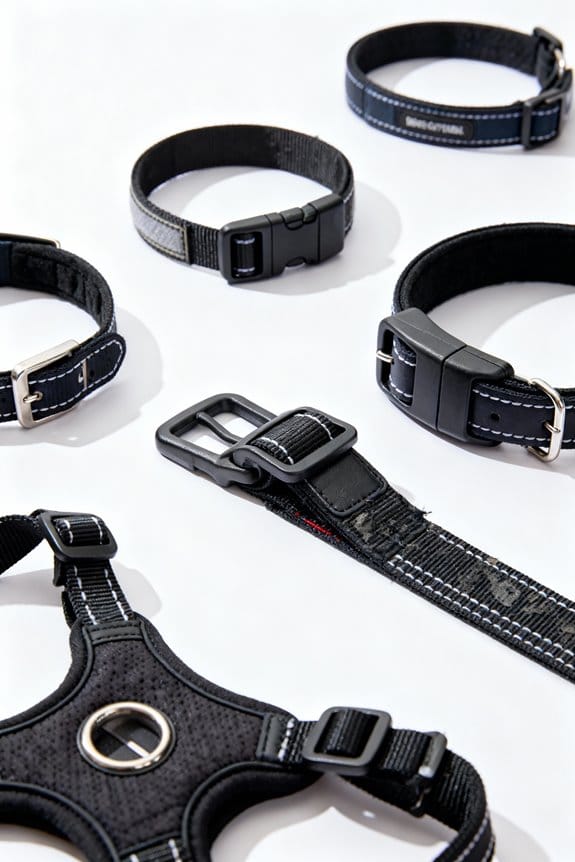
A training collar or harness should be inspected monthly for adults, and every two to three weeks for growing puppies. Replace gear immediately for fraying, torn webbing, cracked buckles, rusty D‑rings, persistent odors, or seam failure. Adults typically need new collars every six to twelve months, while active dogs or damaged items require sooner replacement. Check fit after weight changes or growth, use the two‑finger rule, and consult gear guides below to learn more details.
Key Takeaways
- Inspect collars and harnesses monthly for daily use; inspect more often for active or high-activity dogs.
- Replace immediately if you see fraying, tearing, weakened stitching, cracked buckles, or bent/rusty D-rings.
- Puppies need new collars or harnesses every 2–3 months or whenever fit no longer allows two fingers under the collar.
- Check buckles bi-weekly and document wear to catch hardware or seam failures before they cause escapes or injuries.
- Replace gear if persistent odors remain after washing or if weight or behavior changes affect fit or function.
Why Regular Replacement Matters for Collars and Harnesses
You may be interested
Because a worn collar or harness can fail suddenly, owners should replace equipment regularly to prevent escapes and injuries. Professionals advise Replace Your Dog’s Collar when fraying, weakened stitching, or damaged hardware appears, and this guidance applies equally to harnesses. What are the signs that it’s time to swap gear, beyond visible damage, such as persistent odors after washing, significant dog weight change, or loosened fit? Owners should check for wear and tear at seams, buckles, D-rings, and webbing, and replace immediately if corrosion or stretching is evident. ID tags should be updated if scratched or unreadable, ensuring quick identification. Regular replacement reduces choking risk, prevents slipping during walks, and maintains hygiene, safety, and reliable control. Replace gear sooner when dogs show behavior changes. To ensure safety and comfort, consider harnesses with reflective elements for improved visibility during nighttime walks.
How Often to Inspect Your Dog’s Gear
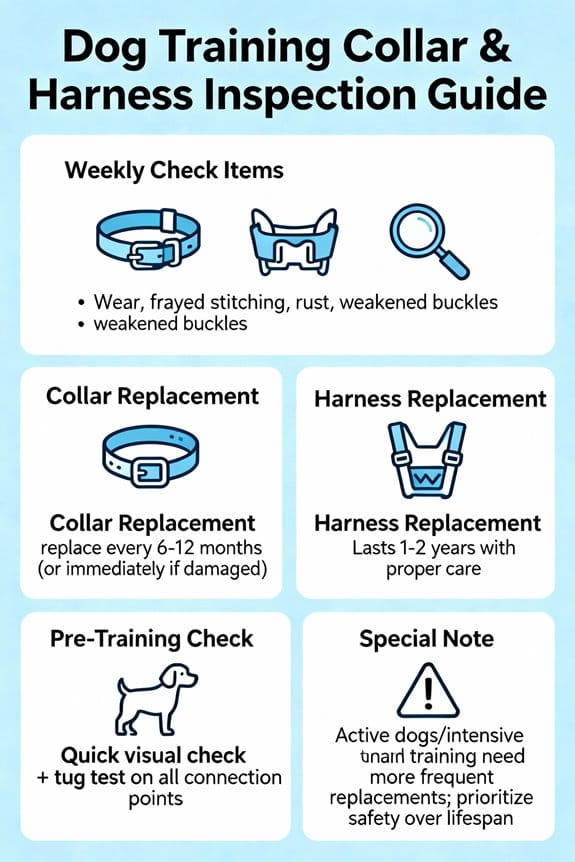
When used daily, collars and harnesses should be inspected at least once a month, and more often for active dogs. Inspect hardware such as buckles and D-rings for rust or damage, since failure can cause sudden accidents during walks. Check the fit after weight changes and before outings, ensuring collars remain snug but allow two fingers under the strap. Look regularly for signs of wear like fraying, stretched stitching, faded webbing, and persistent odors that resist washing, as these suggest degradation. Evaluate dog harnesses before strenuous activities, particularly for active dogs, because damaged gear increases risk of escape or injury. For added safety, consider selecting reflective materials in harnesses to enhance visibility during low-light conditions. How often should inspections occur for different dogs; for sedentary pets monthly inspections suffice, for working or sporting dogs, inspect weekly, or before outings.
Recommended Products
The versatile bike trailer / stroller for an active family life. Bike or stroll as soon as you open the box with the included bike and stroll kits. Option to bring your dog by adding the dog trailer kit accessory that converts the bike trailer / stroller into a dog trailer / stroller (sold separately).

[RECLAIM MOBILITY FOR BACK LEGS] Give your furry companion a second chance at life with the inbesk dog wheelchair for back legs. Specifically designed as a professional-grade wheelchair for dogs, it provides critical hind leg support for pets suffering from IVDD, hip dysplasia, or arthritis. This robust dog wheelchair empowers your loyal friend to walk, run, and play again, restoring their freedom and happiness

Designed for dog Mobility & Comfort: Specifically engineered as a dog wagon for old dogs and those with back legs issues or arthritis. The low to ground design and dual-entry (front & back) tailgate doors allow your pet to walk in and out without the pain of turning around.
Signs of Wear and Tear to Watch For
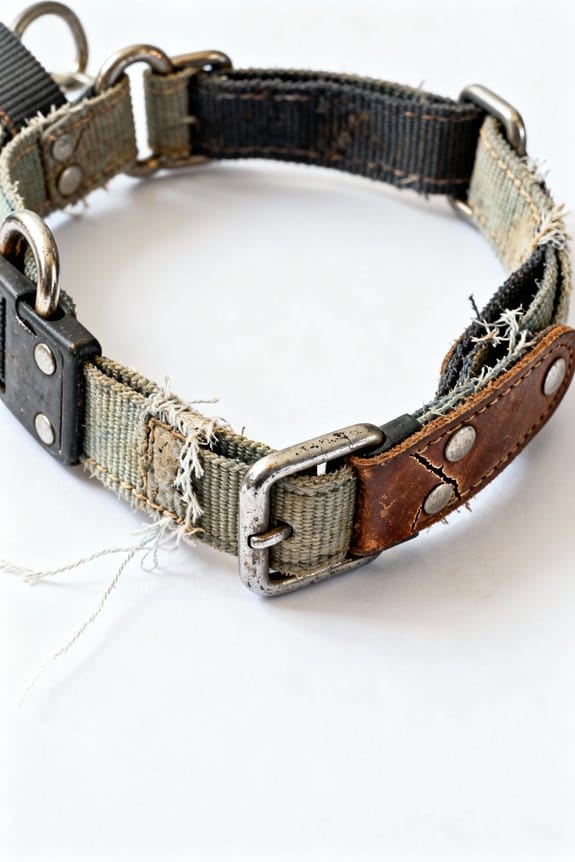
Although many collars appear sturdy at first, fabric breakdown can progress quickly under heavy use, so inspect regularly. Visible fraying, tearing, or thinning along seams and straps often signals advanced wear and tear, requiring immediate action. Owners should check buckles and D-rings for cracks, rust, or looseness, because compromised hardware can fail suddenly, unexpectedly. Hardware failure causes escapes or injuries within seconds, and such events make immediate replacement necessary, not optional. Persistent odors after two washes indicate material breakdown, creating hygiene problems and signaling time for a replacement. Frequent snagging on leash fixtures, three incidents within a month, represents a critical safety concern requiring immediate replacement. If the harness stretches, loses shape, or no longer secures the torso, control decreases and escape risk increases. Additionally, consider the importance of correct sizing for effective training responses, as an improperly sized collar can lead to similar safety concerns and may necessitate more frequent replacements.
Recommended Products

STURDY AND STABLE: Each traffic cone has 3KG weight, will not easy fall over, it's a great barrier which can stand high temperature, sun burning, cold icing or heavy crash

High-Sensitivity GPS with GLONASS. Display size is 1.53 wide x 2.55 high in inches and 3 inch diagonal

Expanded dog capability - track up to 20 dogs from a range of up to 9 miles
When Fit Changes Mean It’s Time for a New Collar or Harness
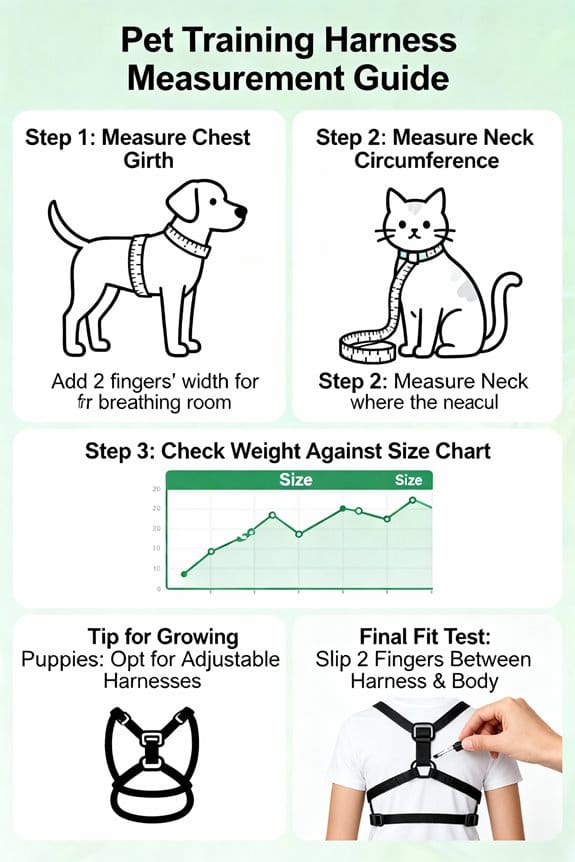
If a dog gains or loses significant weight, regular collar and harness adjustments become essential, preventing slipping or excessive pressure. Owners should measure neck circumference monthly during growth phases or weight loss, and record, using a soft tape for accuracy. If two fingers cannot be inserted under the collar, the item should be loosened or replaced promptly, as tightness can restrict breathing and cause rubbing. Observe harness fit at the chest and underarms, look for chafing, red marks, or fur loss that indicate a size mismatch. Should owners replace items when dogs alternate between sizes frequently, yes, swapping to a better-fitting collar or harness prevents chronic rubbing and reduces escape risk. Regular checks sustain comfort and safety during rapid body changes. It’s also crucial to consider the importance of reflective features in a harness for enhanced visibility during low-light conditions, ensuring the safety of both the dog and owner on walks.
Identifying Damaged Hardware and Broken Fastenings
Inspecting hardware regularly, owners can catch cracked buckles, rusty D-rings, or loose screws before a failure creates a dangerous situation. Examine buckles and clasps on a dog collar every two weeks, looking for hairline cracks or deformation that reduce closing strength. Are D-rings free of rust, corrosion, or bending that could lower tensile strength by fifty percent or more? Test adjustable clips and screws, observing any wobble or slipping under ten to twenty pounds of force. Inspect stitching at fastening points for fraying, unraveling, or missing threads that indicate imminent seam failure. If any component shows damage, stop use and replace the collar or dog harness immediately to prevent escape or injury. Document findings, dates, to track degradation over time and inform replacement schedules. Additionally, it’s beneficial to consider weatherproof designs when selecting collars and harnesses to ensure their durability in various environments.
Dealing With Persistent Odors and Hygiene Issues
Owners should wash fabric collars and harnesses every one to two weeks, preventing oil and dirt buildup that fosters odors and bacteria. When persistent smells remain after thorough washing, the gear may need replacement, for example if the dog’s harness retains sour or mildew scent despite detergent and warm water. Visible discoloration, sticky residues, or textile breakdown indicate bacterial buildup, so inspectors should ask: is it still sanitary? Keep in mind that some materials trap scents longer, causing repeated hygiene problems and poorer comfort during walks. It is important to ensure that adjustable straps and secure buckles are still functional to maintain safety during walks. Time to Replace becomes clear when repeated cleaning fails, or when structural wear appears alongside odor. Waterproof or odor-resistant options are recommended for easier maintenance, however the replacement decision should balance cost, safety, and the animal’s wellbeing regularly.
Choosing Materials That Withstand Weather and Activity
Three material categories—waterproof coated webbing like BioThane, high-quality nylon, and breathable mesh—serve as primary choices for weather-resistant training gear. Choose waterproof materials to prevent saturation and select UV-resistant fabrics, because sun exposure and moisture progressively weaken both fibers and coatings. Use breathable mesh linings in harness contact zones to reduce overheating during long runs, hikes, or intensive warm-weather training outdoor sessions. Prefer heavy-duty metal buckles and D-rings for strong, pull-prone dogs, since they resist deformation and sustain repeated loading far better consistently. Inspect collars and harnesses regularly for fading, stiffness, fraying, or other signs of wear, which often indicate material failure and replacement. Finally, owners should choose the right combination of materials for climate and activity, and secure dog’s ID tags to sturdy hardware. Biothane leashes, known for their waterproof durable odor-proof qualities, offer excellent resistance to weather conditions and easy cleaning, making them a great choice for active dogs and outdoor adventures.
Replacing ID Tags and Updating Contact Information
How often should a caregiver check a pet’s ID tag for legibility, damage, or loss, to guarantee prompt reunification if the animal becomes separated? A weekly inspection is advised for active dogs, and a monthly check should note scratches, lettering, or missing rings, promoting dogs safety. Prefer durable materials like brass or titanium, for durability, since these metals resist corrosion and reduce the frequency of replacements over years. Confirm deep, double-sided engravings are used, they remain readable far longer than shallow engravings that fade with abrasion. Caregivers must update ID tags immediately when phone numbers or addresses change, outdated details directly impede reunification efforts. Pairing dog’s ID tags with microchipping provides layered protection, so lost pets have both quick contact options and permanent records. As with washable pee pads, regular inspection helps ensure continued effectiveness and longevity of your pet’s accessories.
Special Considerations for Growing Puppies and Senior Dogs
Because puppies grow rapidly, caregivers should expect collar and harness replacements every two to three months during peak development, checking fit often. Caregivers should measure a puppy’s neck size at every growth check, note changes in girth, and adjust hardware accordingly to prevent chafing. How tight is too tight, and when should a collar be loosened or replaced? Follow two-finger rule for collar and your dog’s comfort, ensuring two fingers fit under the collar without pinching the skin. Senior dogs require similar vigilance, because weight loss or altered posture can change fit and pressure points. Accurate sizing is pivotal to prevent discomfort or injury due to improperly fitted harnesses. Schedule regular assessments for wear and tear, inspect buckles, stitching, and padding, and replace items showing fraying or deformation. Maintain records of sizes and replacement dates for consistency.
Training Needs That Require Different Collar or Harness Types
When evaluating a dog’s walking behavior and training objectives, handlers should match collar or harness type to specific needs, not convenience. Strong pullers often require a no-pull harness, which distributes force across the chest, reducing neck pressure and improving handler control. Easily distracted dogs may benefit from a head collar, which guides the head and redirects attention during sessions. Training collars, such as martingale or slip designs, provide graduated correction for rehearsed cues, and they suit short, supervised practice rather than everyday wear. Aggressive walkers might need a prong collar under professional guidance, while casual pets use lightweight flat collars for identification. Reflective features on collars are vital for safety during low-light walks, improving visibility for both dogs and owners. How often should gear change as behavior improves? Regular evaluations, every three to six months, guarantee equipment matches abilities and safety needs.
Recommended Products

ATTENTION: KORIMEFA small dog vest harness include the sizes from S-M for Small Medium breed such as Boston Terrier, Maltese, Pekingese, Shih Tzu, Chihuahua, Poodle, Papillon, Teddy, Schnauzer and so on.Please measure your dog correctly according to our Sizing Chart, and choose the best fit before ordering. If your dog is in-between size, Please choose size up.

Genuine leather harness with a natural smell and texture, original design, and reliable materials – these advantages will provide your dog with comfort and an elegant look

VERSATILE CONTROL. Three leash attachment points give you options. UHMWPE front clip for redirection and training, rear aluminum V-ring for everyday walks, and a reinforced tow loop for quick tie‑offs. Low‑profile handle adds close control when needed.
Safe Practices to Prevent Snagging and Strangulation
Although collars and harnesses are everyday tools, they pose real snagging risks if neglected, so owners must inspect them weekly for fraying, weakened stitching, or hardware corrosion. Inspect straps and buckles before use, certain to check for loose threads or bent D-rings that can catch on fences or furniture. What hazards exist in the yard or home, and where should access be limited to avoid entanglement? Remove collars during unsupervised periods, and keep harnesses off in crates or during vigorous play with other dogs to eliminate strangulation risk. Guarantee proper fit, adjust so two fingers fit under flat collar, because excessive looseness increases escape and snag chances. Owners should document wear, replace items showing over 10 percent loss, and replace sooner if damage appears.
How to Choose a High-Quality Replacement Provider
How should an owner select a replacement provider, weighing material quality, fit customization, and post-purchase policies to guarantee safety and longevity? Owners should prioritize vendors that use high-quality, durable materials such as 1000D nylon webbing and stainless steel buckles rated for pet weights and stress. Select providers offering customization to adjust length, padding, attachment points, and decorative options for breed-specific fit and temperament, and to match activity level and weather. Review customer ratings, analyze at least fifty detailed reviews, and compare return frequency, warranty terms, and repair policies before purchasing. Favor sellers with clear return and exchange policies allowing resizing or refunds within thirty days, to correct fit problems promptly. Consider small artisans and local shops that provide personalized guidance, hand-finished construction, and customer follow-up to extend product lifespan.
Frequently Asked Questions
How Often Should Dog Harnesses Be Replaced?
They should replace harnesses every one to two years, sooner if harness material durability declines; watch for signs of wear, fraying, stretched straps, or damaged buckles, and proper sizing adjustments after weight or activity changes.
How Often Should I Replace My Dog Collar?
Replace it as needed when wear appears; no set interval exists. The owner evaluates collar material durability, monitors collar fit adjustments, and follows collar maintenance tips like cleaning, inspecting for frays, and renewing ID tags.
How Long Do Dog Training Collars Last?
Typically they last 1–2 years (about 70% replaced within two years); longevity depends on dog collar materials, harness durability factors like wear and weather, and routine inspections affecting overall training equipment lifespan and replacement decisions.
What Is the 2 Finger Collar Rule?
The two-finger collar rule requires that two fingers fit comfortably between collar and neck, ensuring proper collar fitting to address safety concerns and support training effectiveness by preventing choking, slippage, irritation, and maintaining control effectively.
Conclusion
Owners should inspect collars and harnesses weekly, noting frayed stitching, chewed straps, or bent hardware, preventing failures. When should gear be retired to greener pastures, after six to twelve months’ heavy use or visible damage? If fit changes occur from growth or weight loss, straps can pinch or slip, causing discomfort and training setbacks, replace promptly. For puppies, swap sizes every two to three months; for senior dogs, inspect monthly and consider softer padding or breakaway.