As an Amazon Associate, we earn from qualifying purchases. Some links on this site are affiliate links at no extra cost to you. Our recommendations are based on thorough research and editorial judgment.

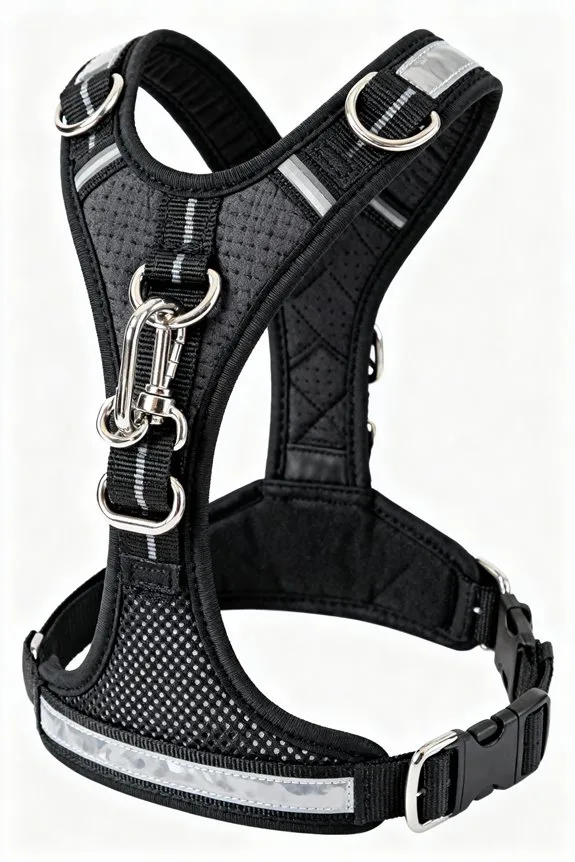
No-Pull Harness Designs and How They Function

No-pull harnesses use a front-clip that redirects a dog’s forward momentum toward handler, reducing pull force by up to 70% on the neck. They distribute pressure across chest and shoulders, lowering injury risk and preserving limb mobility. How does design matter, Y- or X-shaped front straps improve shoulder freedom, and adjustable straps guarantee a snug fit behind the widest chest point? Proper use with stopping and treats teaches loose-leash habits, and further guidance follows.
Key Takeaways
- No-pull harnesses use a front-clip to redirect pulling force toward the handler, turning the dog and reducing forward momentum.
- Designs distribute pressure across the chest and shoulders to prevent neck compression and reduce injury risk.
- Proper fit—snug around the widest chest part—ensures control, prevents chafing, and maintains shoulder mobility.
- Lightweight, breathable, adjustable materials enhance comfort, fit changes, and allow natural limb movement during walks.
- Effective use combines the harness with positive reinforcement, stopping or changing direction when the dog pulls to teach loose-leash walking.
How No-Pull Harnesses Work
You may be interested



When a dog lunges forward on a walk, a no-pull harness uses a front attachment clip to redirect force toward the handler. The front attachment point, placed near the chest, redirects momentum, turns the dog toward the handler, and reduces pulling behavior gradually. A properly fitted dog harness uses straps that wrap the chest and shoulders, creating two main contact areas for even pressure distribution. This design preserves mobility while preventing discomfort by allowing full limb movement, offering two inches of adjustment, and avoiding neck compression. Behavior specialists recommend using the no-pull harness as a training tool with positive reinforcement, timing rewards to teach leash manners effectively. Owners should adjust fit for different breeds, monitor for chafing, practice short sessions, three to five minutes. Reflective elements in harnesses improve visibility during nighttime walks, enhancing safety for both the dog and handler.
Recommended Products

3-IN-1 VERSATILITY & CAR-FRIENDLY: Effortlessly transforms from an All-Terrain Dog Stroller for Large Dogs to a Portable Car Crate or a Cozy Indoor/Outdoor House. Spacious 27" L x 19" W x 28" H—45% taller than standard crates, allowing medium to large dogs (up to 100lbs) to Sit Upright comfortably! Car-friendly Crate fits on a single seat—front or back—leaving plenty of room for passengers. Ideal for road trips, vet visits, and outdoor adventures.

ERGONOMIC MOVEMENT DESIGN: Our reflective dog harness features an ergonomic Y-shaped neck construction that supports free shoulder movement and helps minimize breathing constraints. The design of our small dog harness allows your dog to move naturally and efficiently during running, biking, skiing and other dog-powered sports.

PET BIKE TRAILER: The Schwinn Rascal Pet Trailer is a safe, comfortable way to bring your furry companion along for the ride. Designed to hold one pet up to 50 lb, this trailer gives your four-legged friend a front-row seat to all your adventures.
Benefits of No-Pull Harnesses
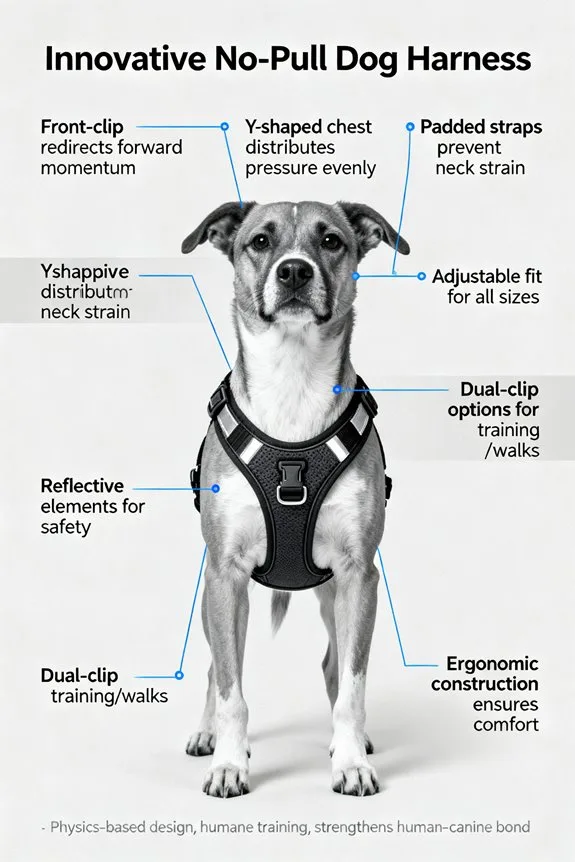
Because the harness redirects forward momentum to the chest clip, it reduces neck strain considerably, protecting vulnerable dogs during walks. No-pull harness use spreads force across the chest and shoulders, improving pressure distribution and reducing throat damage for small dogs and brachycephalic breeds. How does this improve safety and comfort, and encourage more frequent outings for owners worried about injury? By redirecting pulling to the body, dog harnesses discourage forward lunges, making loose leash walking achievable with consistent training methods. Combined with positive reinforcement, owners see improved obedience and proper leash manners within weeks, often after dozens of short walks. Overall, these harnesses offer measurable benefits for behavior management, physiology, and owner confidence during routine walks, and reduce veterinary visits related to neck injuries. Additionally, the reflective trim on many no-pull harnesses enhances safety during nighttime outings, ensuring both the dog and owner remain visible in low-light conditions.
Recommended Products
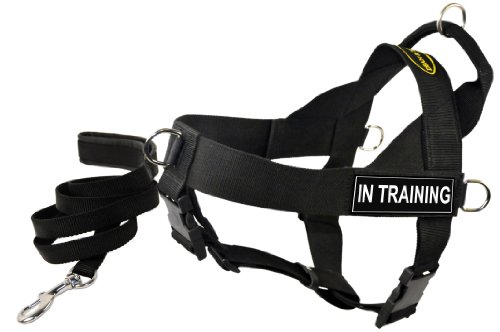
Dean & Tyler Bundle -One DT Universal Harness, In Training, Large - Girth: 33" - 42" + One 6 FT Padded Puppy Leash With Stainless Snap.
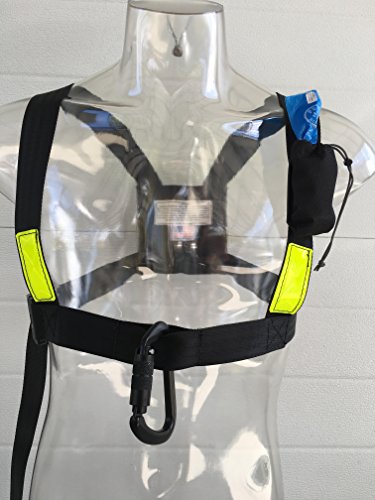
Made In USA - Retractable Leash, Hands Free Dog Harness, Ultimate Human Dog Harness, Dog Training Harness, Service Dog Harness, Hands Free Dog Leash, Disabled Person Dog Harness, Sailing harness

The Monsoon raincoat is an essential piece of protective gear for every dog in rainy, windy or muddy weather
Harness Design and Proper Fit
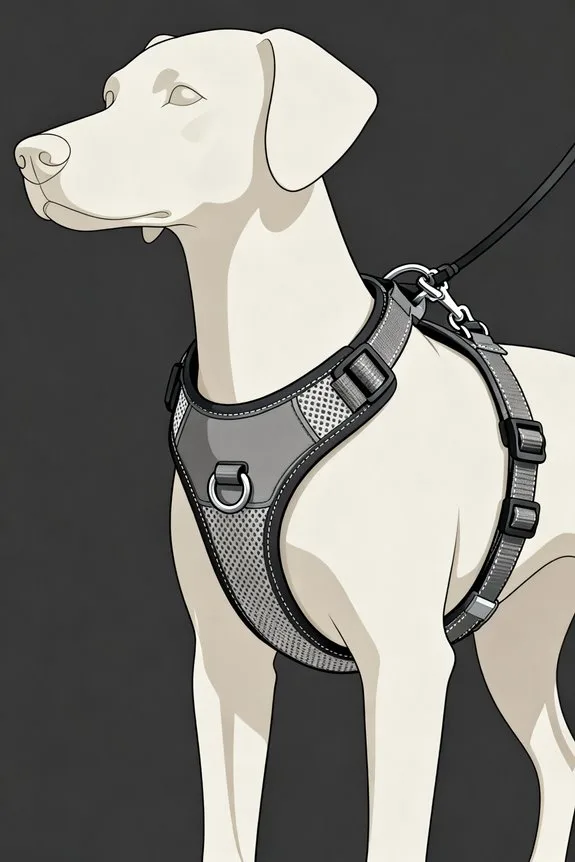
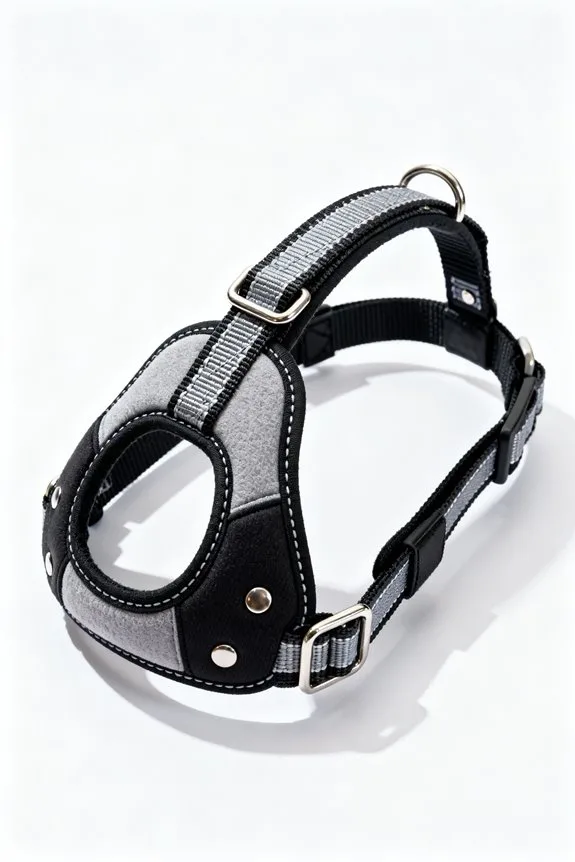
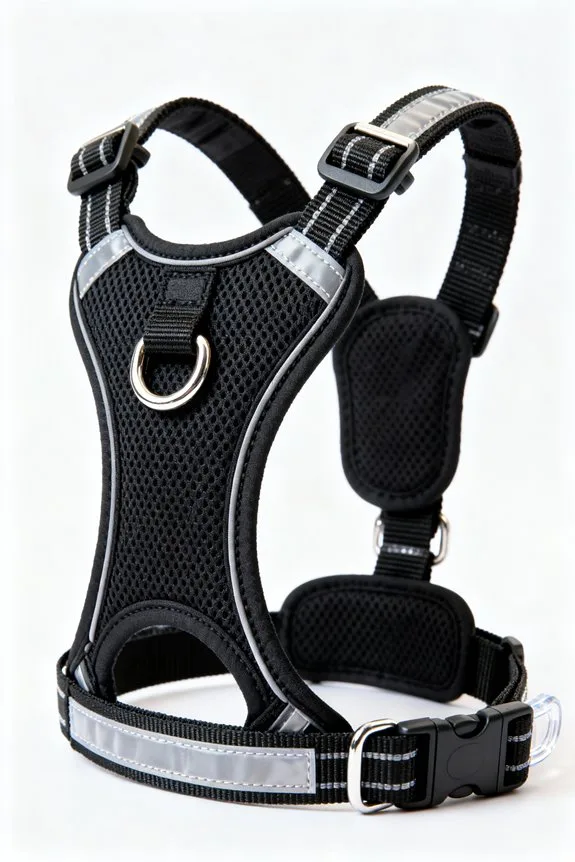
After establishing that no-pull harnesses reduce neck strain and improve owner confidence, attention shifts to how design and fit determine effectiveness. A clear harness design places a front attachment clip on the chest, so when the dog pulls the lead redirects to the side and steering control increases. How does a no-pull dog harness works best, when adjustable straps create a snug fit that secures the widest part of the chest just behind the front legs? Proper fit matters, because a loose harness causes loss of control, while an overly tight unit can restrict movement and cause discomfort. Manufacturers use breathable materials and lightweight designs to enhance comfort for your dog, and padding helps prevent chafing during longer walks, for varied climates and activities. Additionally, reflective bands for visibility are important safety features that enhance outdoor experiences during low-light conditions.
Recommended Products

【Help Your Large Dog Burn Energy Indoors】 Bad weather, busy workdays, hot sidewalks, or apartment living can make daily walks hard. The HSAUPI dog slatmill gives large, active dogs a controlled way to move, release energy, and keep a more consistent exercise routine at home

ATTENTION: KORIMEFA small dog vest harness include the sizes from S-M for Small Medium breed such as Boston Terrier, Maltese, Pekingese, Shih Tzu, Chihuahua, Poodle, Papillon, Teddy, Schnauzer and so on.Please measure your dog correctly according to our Sizing Chart, and choose the best fit before ordering. If your dog is in-between size, Please choose size up.
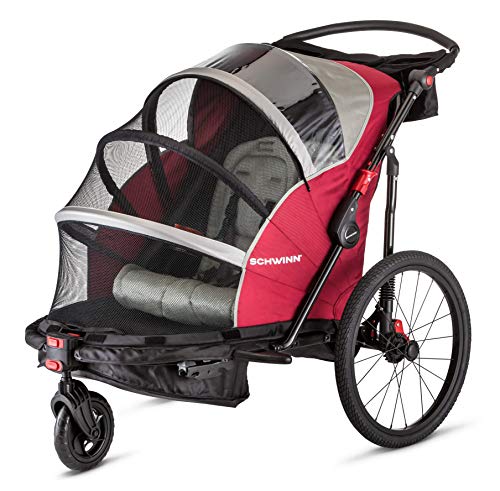
Easily converts into a 3-wheeled stroller when not in trailer use, perfect for taking the children sightseeing or doing errands
Training Strategies and Positive Reinforcement
Begin training with brief, structured sessions, introducing the no-pull harness for two to five minutes several times daily to build positive associations. Trainers recommend positive reinforcement, treats, and praise, to link harness use with reward, and gradual increases in wearing time to reduce anxiety. When a dog pulls, stop all forward motion, wait calmly, then proceed when slack returns; these consistent training techniques show that pulling on the leash stops progress. To engage methods, change direction or use a cue to regain attention, encouraging attentive walking and focus. Clear communication includes concise cues, timing of rewards, and visible body language, ensuring proper training. Patience and repetition are essential; how long will it take? Progress varies, expect weeks to months for reliable behavior, consistent effort. To maximize safety and comfort, consider using harnesses with reflective features that enhance visibility during low-light walks.
Choosing the Right No-Pull Harness for Your Dog
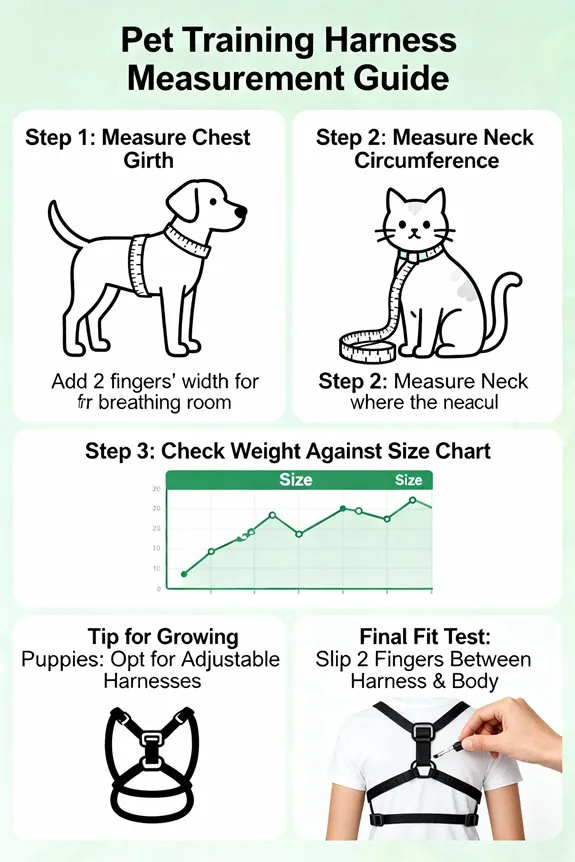
Having established training routines that reward loose-leash walking, attention now shifts to selecting a harness that supports those techniques, improves consistency. Choose a no-pull harness with a front attachment point, as it redirects forward motion and cues the dog to stop pulling. Measure the chest behind the front legs for a proper fit, because an incorrect size causes chafing and reduced control. Prefer lightweight materials that breathe, particularly for warm climates and walks, to maintain the dog’s comfort. Seek adjustable straps to fine-tune fit for growing puppies, muscular breeds, or seasonal weight changes. Compare harness designs, considering Y-shape and X-shape options, since each affects shoulder freedom and range of motion. Reflective stitching enhances visibility during night walks, ensuring safety and ease of control. Which design best balances control and mobility, depends on body type and walking goals.
Recommended Products
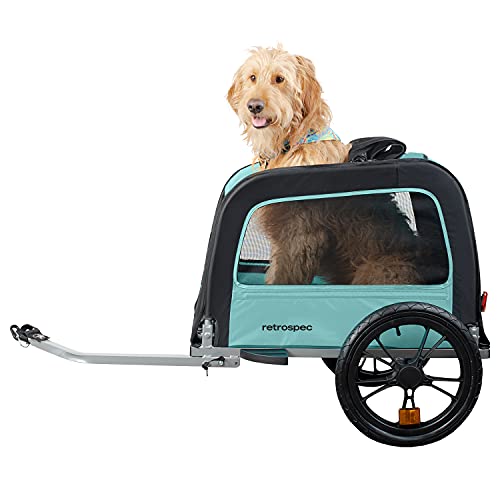
WEATHER READY DESIGN - Water-resistant fabric with dual-layer mesh and protective canopy shields your pet from rain, sun, and debris while ensuring proper ventilation on every ride

Easy-locking, NO-ZIP entry
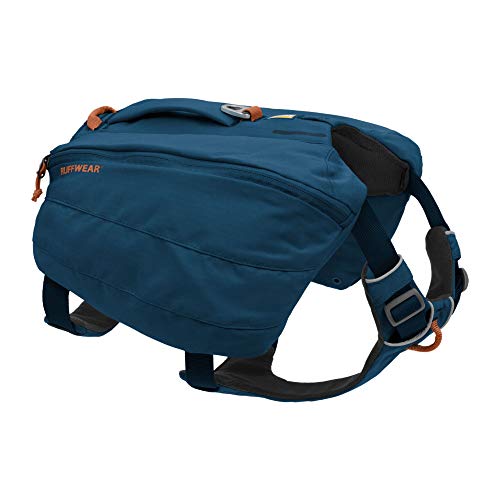
FITS LIKE A HARNESS. WORKS LIKE A PACK. Foam-padded chassis and five points of adjustment ensure a bounce-free fit for full-day treks, trail runs, or quick carry missions. No shifting, no rubbing, just go.
Frequently Asked Questions
How Do No Pull Harnesses Work?
It redirects forward force to discourage pulling, offering no pull benefits while combining harness materials, adjusting harness fit, training techniques, leash types, control methods, harness safety, pulling prevention and exercise routines to shape dog behavior.
Why Does My Dog Still Pull With a No Pull Harness?
A dog still pulls because pulling behavior can persist despite proper harness fit; inadequate leash training, unresolved dog motivation, poor distraction management, inconsistent behavior reinforcement, training techniques, weak handler communication, environmental factors and breed characteristics
How Does No Pull D Ring Work?
It redirects, it pivots, it halts momentum. The no pull D-ring provides harness benefits, aids leash training and dog behavior; harness materials, safety features, sizing options and comfort design enable pull prevention, offer training tips.
What Is the #1 Trick to Stop Your Dog From Pulling on the Leash?
The #1 trick is consistency. dog training tips, leash walking techniques, positive reinforcement methods, harness fitting advice, obedience commands, distractions management, socialization exercises, reward based training, canine behavior understanding, consistency in training and stop pulling.
Conclusion
The reader should select a well-fitted no-pull harness that redirects force without choking, ensuring control and dog comfort. What training plan pairs best with the design, basic leash practice, or reward-based walking routines that reinforce loose-leash behavior? Because a 2019 survey found 68% of owners report reduced pulling with front-clip harnesses, consistent practice yields measurable improvement. Fit is checked by two-finger tests at the shoulders, allowing limb movement, and adjusting straps as dogs grow regularly.