As an Amazon Associate, we earn from qualifying purchases. Some links on this site are affiliate links at no extra cost to you. Our recommendations are based on thorough research and editorial judgment.

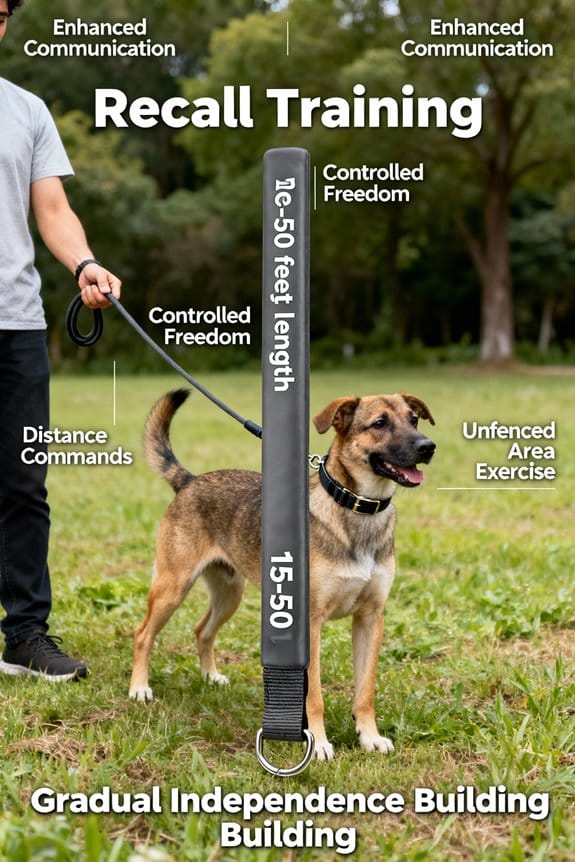
Long Line Training Leashes: Uses and Benefits

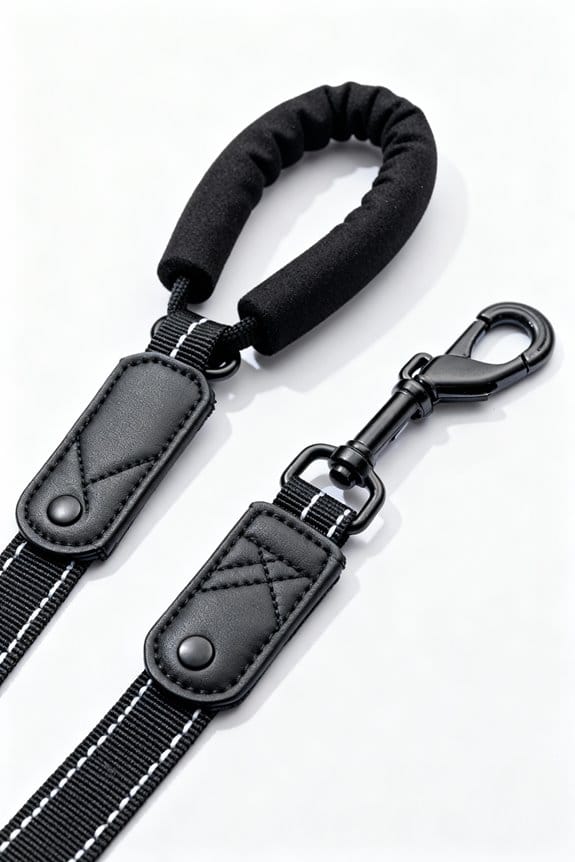
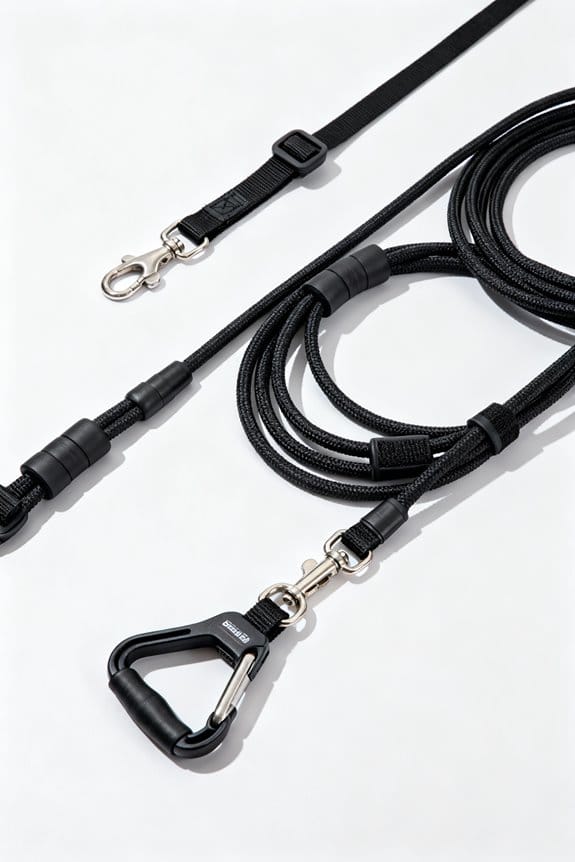
A long line is a 10–50 foot training leash, used to practice controlled recall, distance cues, and safe off‑leash shifts. Materials vary—rope for grip and abrasion resistance, cotton webbing for lightness, and Biothane for waterproof, low‑maintenance use. Handlers attach it to a harness, not a collar, to distribute force, prevent neck strain, and practice recalls at 15–30 feet. Gear is inspected before sessions, short practices are recommended, and further practical tips follow subsequently below.
Key Takeaways
- Long lines enable safe distance training and controlled recall at 10–30 meters while keeping handlers able to intervene quickly.
- They reduce neck strain and stress by attaching to harnesses, distributing pressure and preventing snapback injuries.
- Materials like Biothane, rope, and cotton webbing affect durability, weather resistance, grip, and suitability for different dog sizes.
- Regular inspection of hardware and supervised use prevent tangles, sudden pulls, and equipment failure during training sessions.
- Adjustable lengths (10–50 feet) let you gradually phase from on-leash control to off-leash reliability in varied environments.
What Is a Long Line and How It Differs From Other Leashes
You may be interested


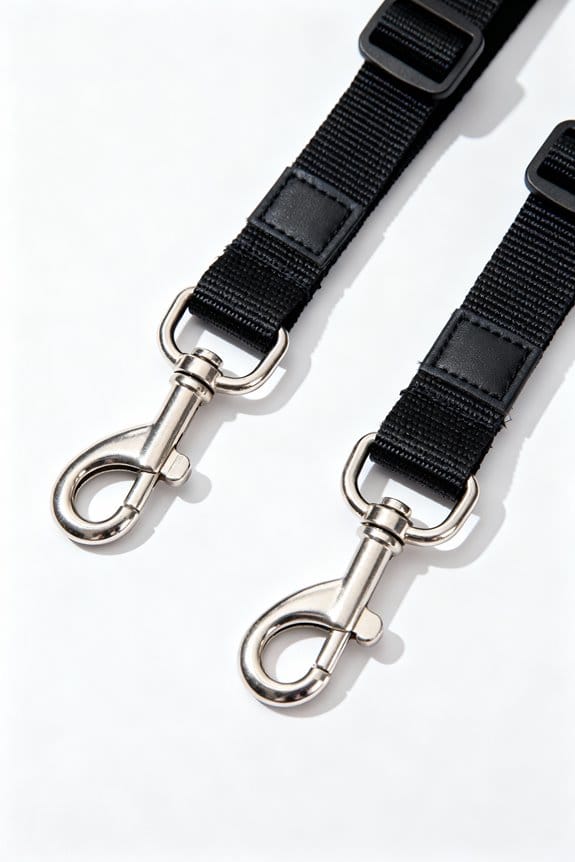
A long line is a specialized leash that typically ranges from twelve to fifty feet, providing extended distance while retaining physical connection. It differs from a standard four to six foot leash by allowing exploration, while preserving immediate handler control at known distances. How does it compare to a retractable leash, which can introduce constant tension and sudden jerks? For dog training, a long line enables controlled recall practice at twenty to thirty feet, and management of behavior in busy parks, without the snapback risk. Trainers often use lines of twelve, twenty, and fifty feet to match skill level, terrain, and dog size. The device encourages natural movement, reduces restraint-related stress, and keeps the animal safely attached during supervised freedom. Owners should supervise closely. Long line leashes can enhance reliability through features like swivel snaps and reinforced stitching, which are crucial for effective training in diverse environments.
Materials and Construction: Rope, Webbing, and Biothane
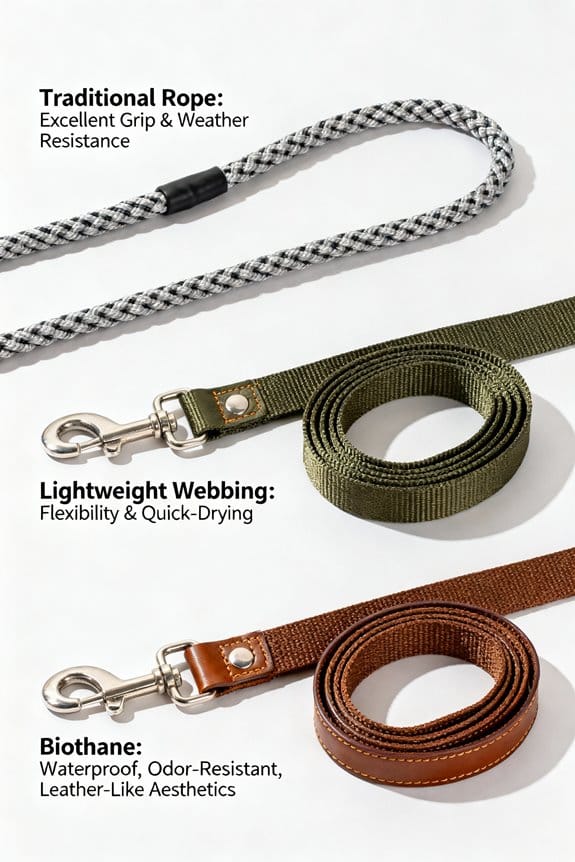
Material choice influences long line performance, durability, and handler comfort, with rope, webbing, and Biothane each offering clear trade-offs. Rope long lines provide secure grip, they resist abrasion, but can absorb water and gain weight when wet. How should a handler choose between rope, cotton webbing, or Biothane when training your dog for recall or tracking? Cotton webbing is lightweight, one to two centimeters wide typically, comfortable for long sessions but less weather resistant. Biothane offers waterproof cleaning, odor resistance, and minimal maintenance; as a result, it suits beach, mud, or winter training environments. Consider a 15-meter rope for rugged terrain, or a 10-meter Biothane line for wet fields. Material affects safety and fatigue, so inspect gear, replace frayed rope, and clean Biothane after salty outings. For enhanced user comfort and control, padded handles and swivel clips in Biothane leashes help reduce hand strain and leash twisting during extended training sessions.
Recommended Products
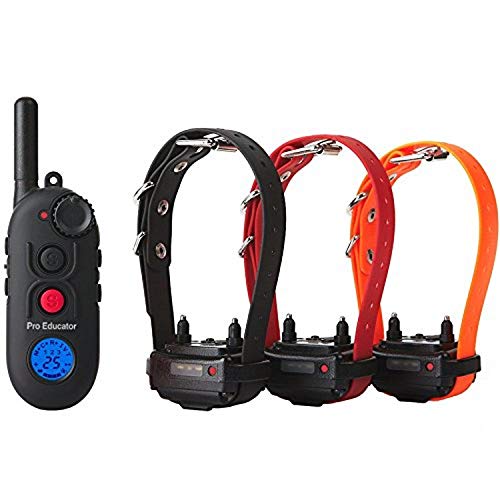
E-Collar PE-903 1/2-mile range trainer for small to medium sized dogs 10 pounds and up with neck size 5 to 22-1/2 inches is loaded with unique features, making it the most humane and effective trainer available

PRECISE CONTROL: With 127 correction levels, you’ll have no problem finding the perfect level for your dog with the gradual and precise correction control. The levels are bright and easy to read with the LCD screen and can be adjusted precisely at any time with the Rheostat Dial.

Proudly Built in New Hampshire Since 1990 with Premium Materials like BioThane, USA’s innovative coated webbing. Reinforced bar-tack stitching ensures lasting durability. Provides comfort without compromising durability.
Choosing the Right Length and Width for Your Dog
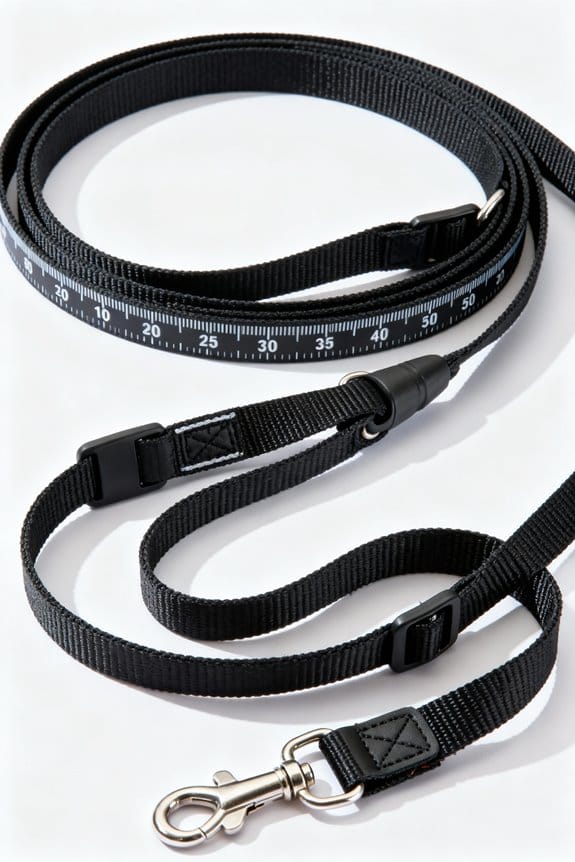
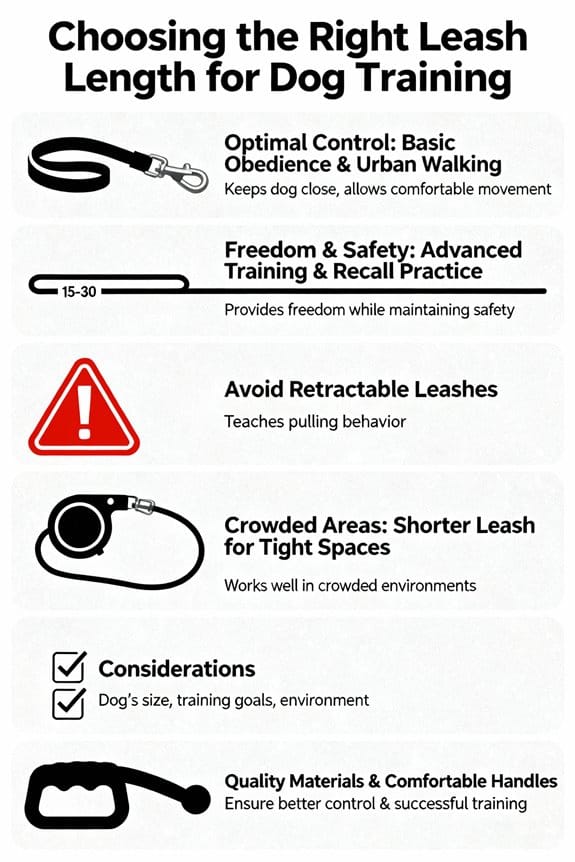
Several handlers prefer 15-foot long lines, because they balance control and freedom, and suit everyday walks and basic recall practice. Trainers recommend lengths from 10 to 50 feet, so what should a handler choose for specific goals, recall or exploration? For routine walks and basic recall, a 15-foot long leash offers manageable range, while 25 to 30-foot options allow more freedom during advanced recall practice. Small dogs often use lightweight webbing or thinner rope, whereas dogs over 20 kg need a standard weight long lead to avoid excessive pressure. Materials affect handling and durability, so handlers should choose a long line based on weather resistance and task. A crucial factor in selecting a leash is considering durability and materials, as it ensures longevity and effective cleaning. Matching length and width to the dog needs reduces tangling and injury risk, and improves training outcomes.
Recommended Products

Law Enforcement and Military grade professional training equipment

Law Enforcement and Military grade professional training equipment

LEAD WITH PURPOSE with the Viper K9 Biothane Dog Leash. This robust webbed dog lead has a special coating to emerge from even the swampiest environments, dry and stink-free, without loss of flexibility. !!! NOT A CHEW PROOF MATERIAL, NOT TO BE USED FOR TIE OUT !!!
Harness Vs Collar: Best Attachment Points for Safety
When choosing attachment points for a 15- to 30-foot long line, handlers should favor a well-fitted harness, which spreads pressure over the chest and shoulders. A harness reduces neck strain and tracheal risk compared with a collar, especially when a dog reaches the line end suddenly, so it is recommended for most training and off-leash practice. Which harness features matter, and how should one fit it? Look for front clips to discourage pulling, padded straps to prevent chafing, and adjustable points that allow two-finger clearance, ensuring freedom of movement. Poorly fitted harnesses can restrict gait or rub, negating benefits; thus, measure girth, test fit during walk-throughs, and prioritize safety over convenience when selecting attachment points for long-line work. Always regularly inspect hardware, buckles, and stitching. Reflective elements can improve visibility during nighttime walks, adding an extra layer of safety for both the dog and handler.
Recommended Products

A comfortable lifting harness that features full body support, with our patented "hip lift" technology. The Help 'Em Up Harness features cushioned and breathable padding, keeping your dog comfy and cool.

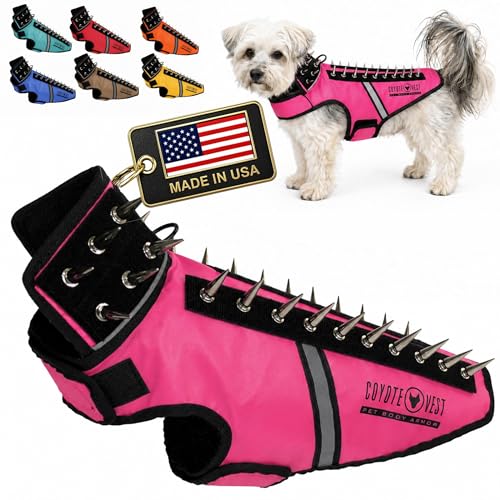
COYOTE DOG VEST: PLEASE READ SIZING GUIDE BEFORE PURCHASING! Like a CoyoteVest, the purpose of the SpikeVest is to help slow down or prevent a surprise attack and give you enough time to react before serious injury occurs. The main difference is the SpikeVest uses two wide belts with Velcro while the CoyoteVest uses nylon straps with snap buckles.
Using a Long Line to Teach Reliable Recall
Begin recall work by clipping a 15- to 30-foot long line to a well-fitted harness, allowing safe distance while maintaining control. Trainers should practice recall training by calling the dog only when it is already moving toward the handler, preventing negative associations and encouraging success. How can gradual exposure reduce reactivity and improve responses in distracting settings, through stepwise increases in distance, varied distractions, and controlled reinforcement schedules? Using a long line enables progressive distance, varied environments, and controlled stimulus exposure, which reinforces calm returns. Consistent, rewarded repetitions with treats or praise promote a solid recall, strengthen the handler-dog bond, and build your dog’s confidence for everyday outings. Over time, practicing in multiple locations generalizes the command, resulting in reliable returns beyond training sessions. Choosing a durable material like nylon or PVC-coated options ensures safety and longevity during training sessions.
Training Steps for Loose Leash Walking With a Long Line
One effective starting point is a 12- to 15-foot long line used in a spacious, low-distraction area to promote loose leash walking. Trainers begin by allowing exploration while maintaining tension awareness, they reward calm, side-by-side movement with treats and praise consistently. Frequent check-ins are practiced by calling the dog’s name, encouraging return to the handler’s side, and rewarding proximity to maintain engagement. Gradually, controlled distractions are introduced while using long leashes, this helps the dog focus despite external stimuli and reinforces desired behavior. Handlers monitor body language continuously, they adjust cues and reinforcement schedules based on stress signals. Reflective materials on leashes enhance visibility and safety during training sessions, particularly in low-light conditions. How does this relate to recall training? It complements reliable returns, by building focus and responsiveness during walks. Progress is tracked, sessions remain short, frequent, consistent.
Recommended Products

Superior PVC Safety Traffic Cones:Our injection molded road cones are made with superior grade PVC materials,which meet the industry safety standards of MUTCD,ensuring durability and longevity in any environments.They can withstand extreme cold and heat (-22°F to 131°F) without cracking or deforming,they are resistant to fading from sun exposure,they can provide consistent and professional-grade performance in any harsh weathers,like windy day,rainy days,snowy days

VERSATILE CONTROL. Three leash attachment points give you options. UHMWPE front clip for redirection and training, rear aluminum V-ring for everyday walks, and a reinforced tow loop for quick tie‑offs. Low‑profile handle adds close control when needed.

For Little Dogs: Fits dogs over 5 lb with neck sizes from 6 to 16 inches
Reducing Reactivity and Building Confidence With Distance Work
With loose leash skills practiced at 12–15 feet, trainers apply long line techniques to reduce reactivity and build confidence. Using long leads, a handler can place a dog at a safe distance from triggers, allowing observation without escalation, which supports gradual desensitization. How far should exposure begin, ten, twenty, or more, depends on the dog’s threshold and environment. Check-ins with high-value treats reinforce attention, creating positive associations and rewarding calm responses during distance work. Consistent, measured increases in proximity, combined with controlled management of movement by the handler, result in diminished aggressive responses over time. Consequently, reducing reactivity through distance work builds confidence, empowering dogs to face stimuli at their own pace, while owners maintain control, safely and effectively, and facilitate lasting behavior change. A properly fitted harness is crucial for ensuring safety and comfort during long line training, as it prevents strain and enhances the dog’s experience.
Recommended Products
![Bose A30 Bluetooth Aviation Headset - Lightweight Comfortable Design, Adjustable ANR and Noise Cancelling Microphone, [Dual Plug] – Black](https://m.media-amazon.com/images/I/41sTva8tf5L._SL500_.jpg)
UNPARALLELED COMFORT: The Bose A30 is a full-sized circumaural aviation headset with a lightweight design and 20% lower clamping force than the A20 along with soft, comfortable ear seals.
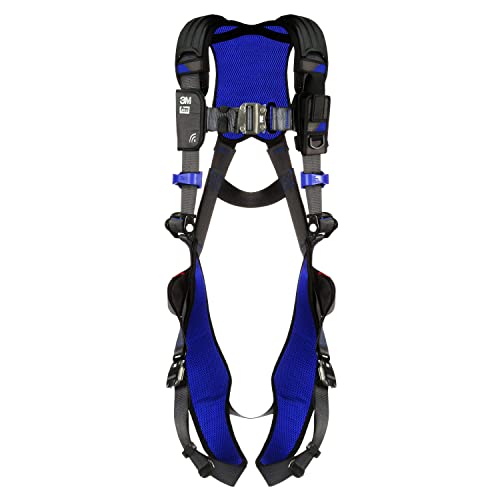
AUTO-LOCKING QUICK-CONNECT BUCKLES: Secure contact with webbing, reducing the need to adjust and greatly reducing buckle slide

ACCELERATE STRENGTH GAINS: Harness isometric exercise techniques to support muscle development and strength improvement. Bullworker methods can deliver up to 66% faster strength gains compared to conventional weightlifting. Ideal strength training equipment for home and perfect as an arm and chest trainer for all fitness levels.
Safe Dragline Practices and When to Phase It Out
Although long lines are invaluable for distance work, draglines must be used with clear safety protocols, regular checks, and defined exit criteria. Trainers recommend using a dragline only when necessary for training purposes, and planning a phased reduction as reliability improves over weeks. Long Dog sessions should start short, five to fifteen minutes, with controlled distractions, increasing duration as reliable responses appear. Appropriate fit and comfortable materials reduce chafing, so equipment must be inspected before every session, and replaced at the first sign of damage. Regular supervision is required, to observe behavior and intervene if needed, and dog owners should document progress, set measurable goals, and shift to off-leash freedom once consistent cues are met. Incremental milestones, timelines, and reviews guide responsible phasing decisions. Rubber or rubber-nylon composite lines offer flexibility, strength, and minimal stretch, making them an excellent choice for training and trailing sessions.
Common Risks and How to Prevent Tangling and Injuries
After planning a phased reduction of dragline use, trainers must address the most common hazards, focusing on tangles and sudden pulls. They should supervise at distances of 5–30 meters, scanning obstacles, to minimize tangling risk and avoid entanglement around legs or fixed objects. What happens if a dog bolts and hits the end of a long line, snapping or jerking the handler? Attach the line to a well‑fitted harness, not a collar, to reduce neck strain and blunt force to the throat. Inspect lines before each session, checking frays, weak stitching, and hardware, replacing any worn piece immediately to preserve safety. Use lightweight lines to improve comfort, and teach frequent check‑ins, reinforcing connection, and improving overall training experience, and consider two handlers in crowds. For those managing multiple dogs, using a double dog leash can minimize tangling and improve control during walks.
Practical Tips for Walks in Parks, Beaches, and Urban Areas
Survey parks carefully before unclipping a long line, choosing open fields of at least 30 by 30 meters, and noting trees, benches, or play equipment. In beaches, a Biothane long line resists sand and moisture, so it lasts longer and cleans easily after play. In urban areas, keep the line shorter, maintain tension, and watch for cyclists and pedestrians to prevent entanglement. How should recall be practiced across settings, with rewards for check-ins and gradually increased distance to reinforce response? Trainers advise adjusting length, for example five to ten meters in crowded spaces, and thirty meters in open fields, to balance freedom and control. Consistent, rewarded recall creates safer outings, because reliable returns reduce tether risks and increase handler confidence, and protect others nearby. For those considering remote training collars, long-range remotes can offer effective control over large areas, enhancing training in varied environments.
Caring for and Inspecting Your Long Line Regularly
Following outings in parks, beaches, or urban areas, handlers should regularly inspect their long line for wear and proper function. They should inspect the line visually and by touch, looking for fraying, weak spots, knots, or embedded debris that reduce strength. How often should this occur, before every session and after extended use, to prevent failures during training? Clean the line periodically, using mild soap and water for fabric, and a wipe-down for Biothane, then air-dry completely to avoid mildew. Hardware must be checked for rusted or bent clips, and buckles should operate smoothly, because faulty hardware compromises attachment. After cleaning and inspection, store the long line in a cool, dry place, preserving integrity and extending usable life. Caring for reduces wear and tear.
Navigating Leash Laws and Public Etiquette
Many handlers find that using a 15- to 30-foot long line offers a practical compromise, meeting leash laws while allowing controlled freedom. Owners should verify local leash laws, some municipalities restrict long lines to designated parks or training areas, is it allowed here? When used in mixed-use spaces, handlers must maintain control through reinforcement of basic commands, preventing collisions and conflicts. Public etiquette requires monitoring behavior, owners should prevent unwanted approaches, keep greetings calm, and respect others’ personal space. Carrying a short leash for immediate restraint offers a practical redundancy, it provides quick control if situations escalate unexpectedly. Handlers should educate observers about responsible use, post signs where appropriate, and model calm behavior to promote community acceptance. Compliance reduces incidents, fosters safer shared spaces.
Frequently Asked Questions
Why Use a Long Line for Dog Training?
They use a long line because it enables controlled recall training while reinforcing leash safety, teaching distance commands during outdoor training, allowing freedom to explore without compromising supervision or safety, improving obedience under real-world distractions.
What Is the Best Length for a Long Line Leash?
Coincidentally, the best length for most dogs is 12–15 feet; for open spaces 20–50 feet, balancing control and freedom for training purposes. Choosing length should consider size, recall, and material choice to suit varied conditions.
How to Use a Long Line Leash?
They use a long line leash by starting in low distraction areas, applying long line techniques: attach to harness, supervise safe usage, practice recall with treats, employ handling tips and training drills to generalize obedience.
What Are the Disadvantages of Long Leads?
Disadvantages include entanglement, sudden jerks causing injury, and behavioral distortions; risk management requires constant supervision. Equipment durability concerns, refined handling techniques, and mitigation of dog distractions are necessary to prevent chafing, failure, or unsafe responses.
Conclusion
A long line provides controlled freedom, ranging from three to thirty meters, matching terrain and training goals. Which length suits a park recall, a beach sprint, or urban work, ten meters or twenty meters? Because harness attachment disperses force across shoulders, a five-kilogram sudden pull is less injurious than collar pressure on the neck. One trainer compared a fifteen-meter line revealing recall gaps to a dropped anchor, so inspect lines monthly and practice ten-minute drills.