As an Amazon Associate, we earn from qualifying purchases. Some links on this site are affiliate links at no extra cost to you. Our recommendations are based on thorough research and editorial judgment.

How to Prevent Leash Tangling During Training

Leash tangles result from excess slack, abrupt direction changes and low attachments; use a 3–5m semi‑stiff line and a high harness D‑ring to reduce wraps. Keep most line off the ground, hold the hand nearest the dog high, and shorten proactively in wooded or crowded areas. Teach a “fix your leash” cue with paw lifts, progress from stationary to walking drills, and use a 360° swivel clip to prevent twists. Want drills and gear choices?
Key Takeaways
- Keep leash slack minimal and hold the leash high to prevent loops and ground contact.
- Use a stiffer long line or neoprene leash and attach high on the harness to reduce belly wraps.
- Hold most of the line off the ground and maintain gentle tension to avoid wraps around legs.
- Practice leash-management drills and teach “fix your leash” with short, high-value reward sessions.
- Start in controlled environments, add distractions gradually, and use 360° swivel clips to prevent twisting.
Why Leashes Tangle and How It Happens
You may be interested

When excess slack is created, the leash will often fall to the ground and wrap around obstacles like the dog’s legs. Longer lengths, especially long lines beyond five meters, increase the area where leash tangling can occur during walks. Dogs frequently ignore mild entanglement, so they continue moving, unknowingly tightening loops around legs or posts during casual walks and play. Environmental distractions like smells or passing animals prompt sudden direction changes, which cause leashes to slip under paws and knot. Handlers reduce incidents by keeping the line off the ground, maintaining short slack, and repositioning the dog proactively before obstacles appear for safety. A practical adjustment to prevent tangles includes using leashes with swivel clips to prevent twisting and enhance control. What practical adjustments prevent tangles during training, and how should long lines be managed to balance freedom with consistent, simple cues?
Choosing the Right Leash and Harness
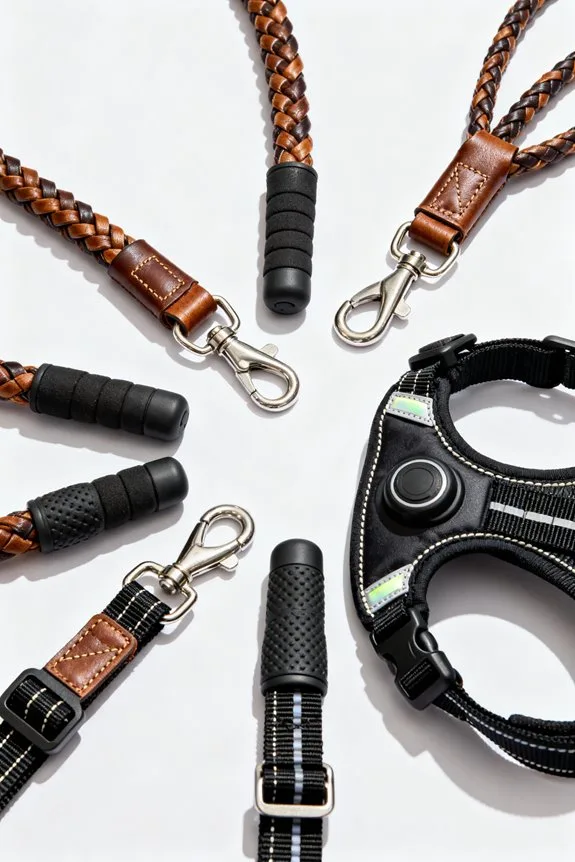
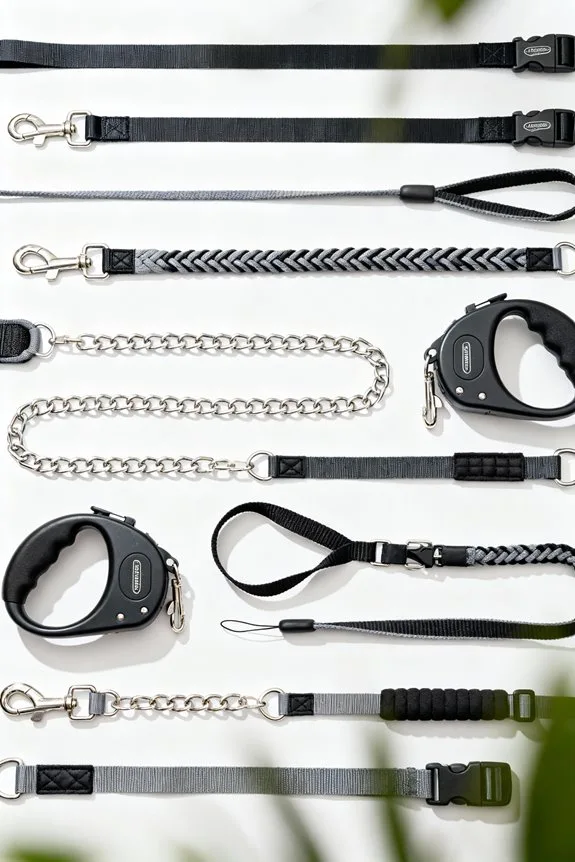
Having addressed why leashes tangle and how slack creates loops around legs, attention shifts to choosing the right leash and harness. Select a stiffer leash, such as neoprene, to reduce slack and lower tangling risk during dog training sessions. Prefer a line near five meters for recalls and control, because longer lines increase entanglement around legs. Clip the lead to the top of the harness, keeping attachment high so it helps prevent wraps under the belly. Consider soft, rounded long lines for comfort and easier handling, they balance control with reduced fatigue. Personal preference matters, handlers should test materials and lengths, observing how each setup behaves in training scenarios. Which combination offers best control and least tangles depends on dog size, gait, handler technique. When selecting a leash, PVC-coated nylon is an excellent choice due to its lightweight flexibility and waterproof performance, contributing to reduced maintenance and improved handling during training.
Recommended Products

Boost Your Training Program: This SportDOG WetlandHunter Add-A-Dog Collar is compatible with the SportDOG WetlandHunter 1825X (SD-1825XCAMO), 1825 (SD-1825CAMO)
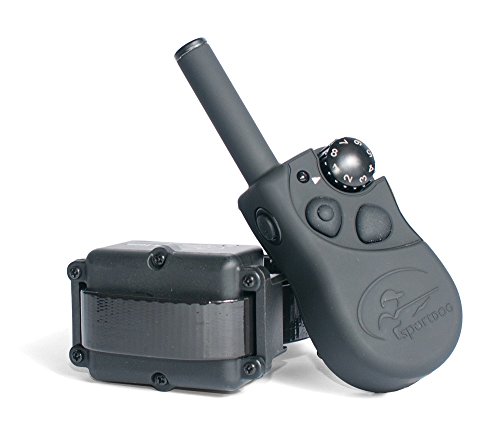
Dog Obedience Accessory: The SportDOG YardTrainer delivers safe, reliable correction with multiple adjustable stimulation levels; includes a lightweight collar and ergonomic handheld transmitter

Constructed to Last: Made with premium attributes such as multi-point reinforced military grade nylon webbing, ultra strong and anti-rust zinc alloy dual-trigger clips, stainless steel D-rings, neoprene lining for comfort, and customizable features.
Hand Positions and Line Management Techniques
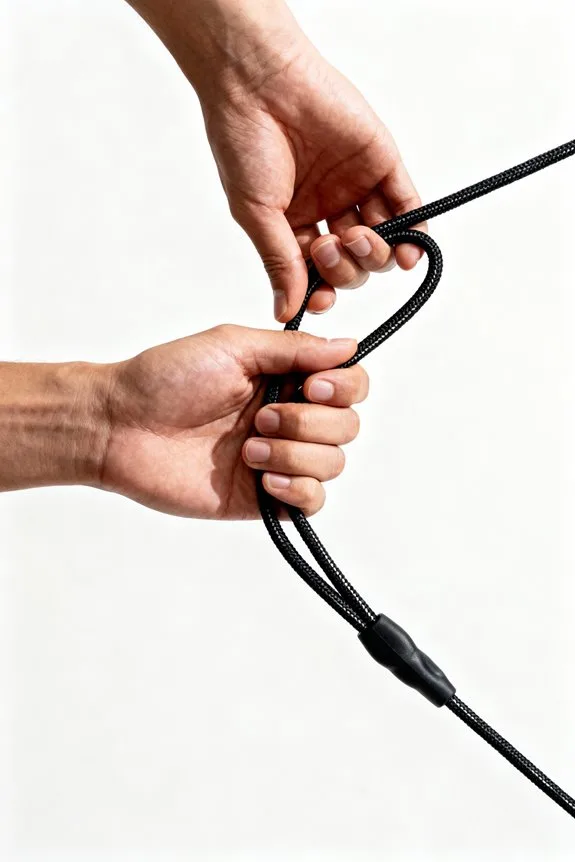
Several handlers prefer holding the leash high, with elbows close to the body, to keep the line off the ground. They make loops in the leash, hold them in one hand, and maintain a firm grip to control slack. Why position the line near the torso, and how does it help prevent tangling during movement? Keeping the line taut reduces wraps around legs, for example a two to three foot slack can cause loops quickly. A soft, rounded long line, twenty to thirty feet when appropriate, affords smoother handling and fewer snags on brush. Regular practice of leash management drills, keeping the line close and adjusting hand positions, trains dogs to move predictably beside handlers. Switch hands deliberately, alternating grip to maintain awareness constantly. A hands-free design can enhance the comfort and efficiency of long line management by allowing for extended usage without fatigue.
Recommended Products

[Non-slip silicone table top] The countertop is made of durable silicone rubber. The detachable silicone countertop is soft to the touch and easy to clean. The leg level is used on uneven floors. It is a professional-grade grooming table for pet salons.

🐶Dog Washing Station: Constructed from premium 304 stainless steel, this bathing station embodies durability and corrosion resistance. Its sleek design ensures effortless cleaning, offering not only a pet bathing haven but also a functional daily sink
🐶Dog Washing Station: Constructed from premium 304 stainless steel, this bathing station embodies durability and corrosion resistance. Its sleek design ensures effortless cleaning, offering not only a pet bathing haven but also a functional daily sink
Teaching Your Dog to “Fix Your Leash
Begin training the “fix your leash” behavior with the dog sitting, wiggle the line under its front paws, and reward any lift. Trainers should repeat short trials, five to ten reps per session, using high-value treats, timing rewards within one second. When lifts occur consistently, add a clear cue, such as “fix your leash,” spoken before the action, to build association. Practice then moves to standing practice, where handlers simulate walks and prompt the response, gradually reducing visible prompting, and rewarding independent compliance. Use a quiet area to minimize distractions, keep sessions to three to five minutes, and track progress with simple notes. Consider using a rechargeable dog collar that offers multiple training modes to enhance your dog’s learning experience. What results are expected, faster resets and fewer tangles? Consistent, reinforced practice creates reliable responses during normal leash handling over time.
Recommended Products
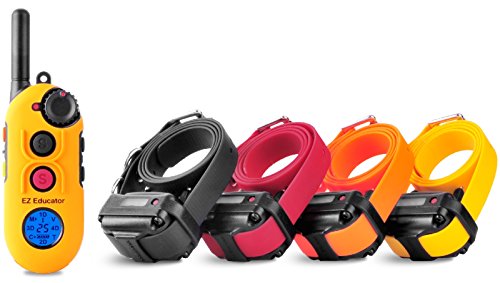
Extended Range Training System: E-Collar EZ-904 1/2-mile range trainer for small to medium sized dogs 10 pounds and up with neck size 5 to 22-1/2 inches is loaded with unique features, making it the most humane and effective trainer available

Bundle of 2 Items: Dogtra T&B Dual Dial for two dogs remote training collar and PetsTEK clicker. Perfect for dogs from 35 pounds and up. Unique single-body, built in downward facing beeper horn to eliminate the risk of catching on obstacles when in the field. This dog behavior training collar is designed to fit dogs with neck sizes between 10 - 26 inches. The advanced Dual Dial system is designed for long range upland hunters.
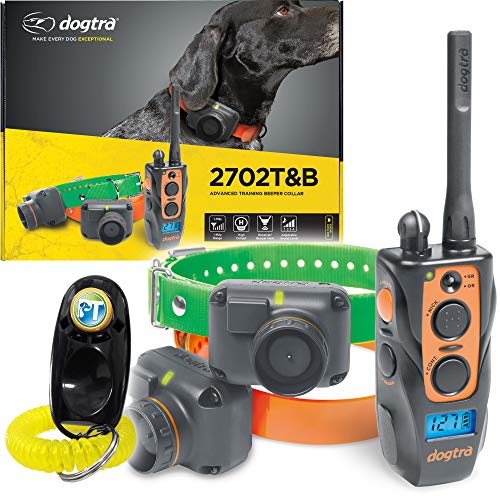
Bundle of 2 Items: Dogtra 2702T&B Two Dogs Remote Training Collar and PetsTEK clicker. Perfect for dogs from 35 pounds and up. Unique single-body, built in downward facing beeper horn to eliminate the risk of catching on obstacles when in the field. This dog behavior training collar is designed to fit dogs with neck sizes between 6 - 26 inches.
Progressing From Front Legs to Back Legs
After reliably cueing a front-leg lift while the dog sits, handlers introduce back-leg work from standing, which mirrors real walking situations. The dog trainer raises the leash to different heights, asking the dog to lift a back paw, rewarding any correct movement immediately with treats. How can this help dogs back control during walks, and reduce inadvertent stepping over leashes? Practicing from varied leash heights and positions builds transferable skills, so the animal can adjust on trails and sidewalks. Consistent, short sessions of five to ten repetitions prevent fatigue, while positive reinforcement solidifies the behavior. Over time, dogs learn to autonomously fix a tangled leash, which helps owners stop pulling on leash unnecessarily. Additionally, integrating automatic ball launchers into training can provide dogs with extra physical activity and mental stimulation, enhancing their overall ability to manage leash behavior. Progression is gradual, measured, and focused on real-world application and safety.
Long Line Best Practices for Training Sessions
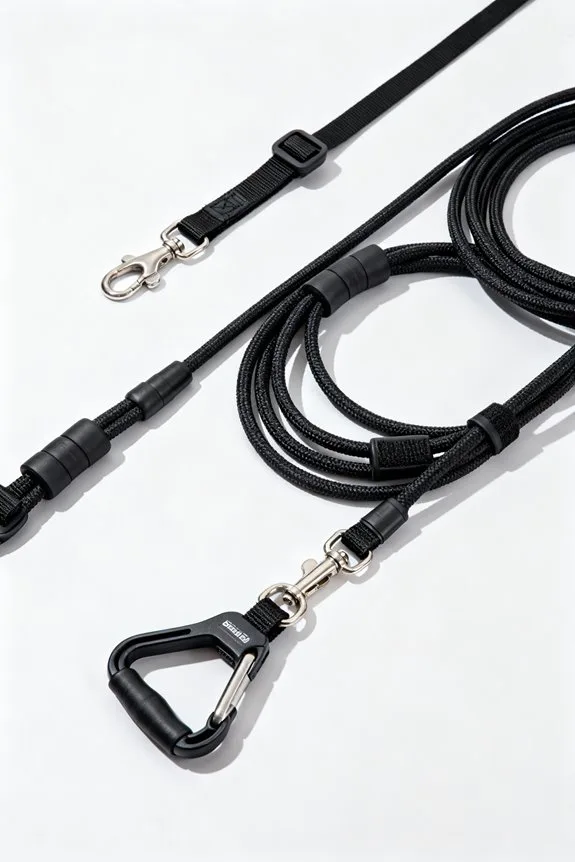
When using a long line for training, handlers should keep most of the leash off the ground, managing slack with controlled hand loops. Handlers are advised to use a stiffer material, such as neoprene, which reduces slack around the dog and lowers how often the line gets tangled. What length balances freedom and control? A recommended 5 meter line provides reach without excessive entanglement risk, while longer lengths increase complications in busy environments. Practice begins in a controlled setting, gradually adding distractions, which builds the habit of paying attention to leash position and dog movement. Seeking guidance from experienced trainers accelerates skill acquisition, and demonstrations of hand-loop techniques clarify timing and coordination. Consistent repetition, measured progression, and deliberate focus produce smoother, more manageable sessions. Opt for Biothane material for its waterproof and odor-proof durability, which makes it an excellent choice for outdoor training sessions.
Recommended Products

Lead with Purpose with the Viper Biothane Dog Leash. This robust webbed dog lead is specially coated to emerge from even the swampiest environments, dry and smell-free, without loss of flexibility. Please note! This is *not* a chew proof material, not to be used for tie out!

Law Enforcement and Military grade professional training equipment
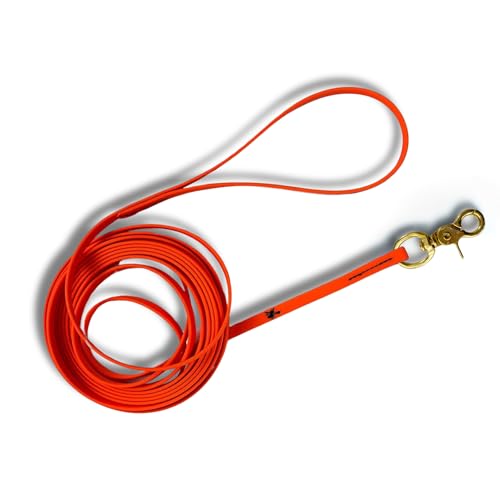
Orange 3/8" x 20' Biothane Long Line. New Solid Brass Safety Snap to help keep your dog safer and more secure on leash or off. The perfect Lead for training, tracking, walking, hiking, working off leash and for search rescue operations. We have different widths and lengths for all dogs. Our leashes are Dog Trainer and Dog Professional approved. Heavy Duty. Comfortable. Waterproof. Weatherproof. Easy to Clean. Feel confident working with your dog knowing you are the Leader.
Safety Precautions to Prevent Injuries
Having practiced hand-loop techniques and managed slack on a 5 meter line, handlers must also prioritize safety precautions to prevent injuries. Wearing long pants and socks reduces rope burns when a leash becomes entangled, and adds comfort during prolonged sessions. How long should the leash be, and when is it excessive, causing higher wrap risk around handler or dog? Keeping the line short, such as 1.5 to 3 meters, improves control, and weighted short lines add stability. Monitoring the dog closely prevents wraps around legs or obstacles, which can cause falls or sudden pulls. Being aware of surroundings, including other animals and terrain, reduces chances of entanglement. Handlers should rehearse quick release drills regularly. Choose leashes with reflective stitching for added safety during night walks.
Troubleshooting Common Tangling Scenarios
How should a handler troubleshoot leash tangles during training, when lines wrap around legs, obstacles, or the dog’s hindquarters? Keep the leash off the ground, form loops in one hand and manage slack with the other, this prevents common snags. Choose a softer rounded long line for maneuverability near obstacles, or pick stiffer neoprene for less slack and firmer control. If the leash becomes tangled around hind legs, cue the dog to lift a leg, pause, then step backward slowly to reduce pressure. Monitor the leash position relative to the handler, watch the dog’s movements closely, and reposition promptly, practicing these steps in varied settings. Record frequencies, note two to three recurring scenarios per session, adjust handler position, and repeat drills until tangling incidents drop. Additionally, using leashes with a 360 rotation clip can help prevent tangles by allowing the leash to swivel freely, adapting to the dog’s movement without twisting the line.
Recommended Products

【Roomy and Robust for Your Furry Family! 】ZOOSKY dog stroller for large dogs boast an inner size of 33” x 20” x 12”, perfect for large pets under 30 inches, like Dobermans, Boxers, and Labradors. The extra-wide carriage provides a comfortable ride for multiple pets, fitting 3-4 medium-sized companions such as Bulldogs and Corgis, or 4-7 small pets like Poodles and Chihuahuas.

COMPATIBLE WITH UNLEADED, DIESEL & ETHANOL BLENDS (E10) – Suitable for a variety of fuels, including unleaded, diesel, and ethanol blends up to E10.

3-IN-1 VERSATILITY & CAR-FRIENDLY: Effortlessly transforms from an All-Terrain Dog Stroller to a Portable Car Crate or a Cozy Indoor/Outdoor House. Spacious 27" L x 19" W x 28" H—45% taller than standard crates, allowing medium to large dogs (up to 80lbs) to Sit Upright comfortably! Car-friendly Crate fits on a single seat—front or back—leaving plenty of room for passengers. Ideal for road trips, vet visits, and outdoor adventures.
Frequently Asked Questions
How to Keep Dog Leash From Tangling?
They prevent leash tangling by using appropriate leash types (stiffer neoprene), practicing focused training techniques that keep the leash off the ground, looping excess in one hand, cueing dog, and reducing outdoor distractions during sessions.
What Is the 123 Method for Dogs?
A tense pause, then: The 123 Method is a simple structured system that breaks training into three steps, guiding owners to use leash training techniques, consistent dog obedience cues, and targeted positive reinforcement methods effectively.
What Is the 3 Second Rule for Dogs?
The 3 Second Rule states that if a dog remains tangled longer than three seconds, the handler should intervene to prevent escalation. It reflects dog behavior awareness, rewards training consistency, and emphasizes proactive leash handling.
What Is the 10 Minute Rule for Puppies?
Colossal enthusiasm aside, the 10 Minute Rule means trainers limit puppy sessions to ten minutes to maintain focus and prevent fatigue; a puppy training tips strategy emphasizing frequent repetitions, leash handling techniques and building focus.
Conclusion
The handler should adopt predictable routines, using two hands and a three to six meter long line, to minimize untidy loops and awkward surprises. What simple signals can trainers use, such as a verbal cue plus a light leash tap, to guide front-leg adjustments before a back-leg entanglement occurs? When handlers practice stepwise progression, teaching dog to fix the leash at chest then hips, the likelihood of twisted lines drops by fifty to eighty percent.