As an Amazon Associate, we earn from qualifying purchases. Some links on this site are affiliate links at no extra cost to you. Our recommendations are based on thorough research and editorial judgment.

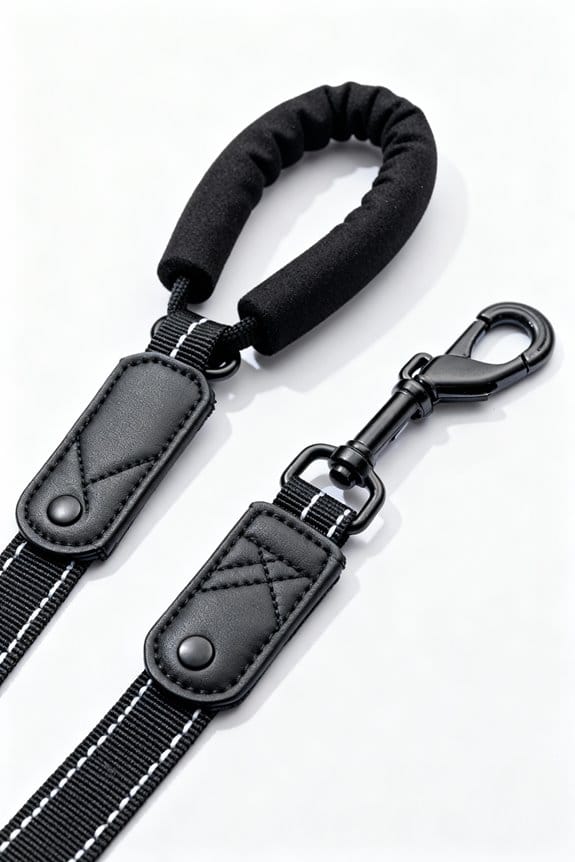
Traffic Handle Leashes for Close Control

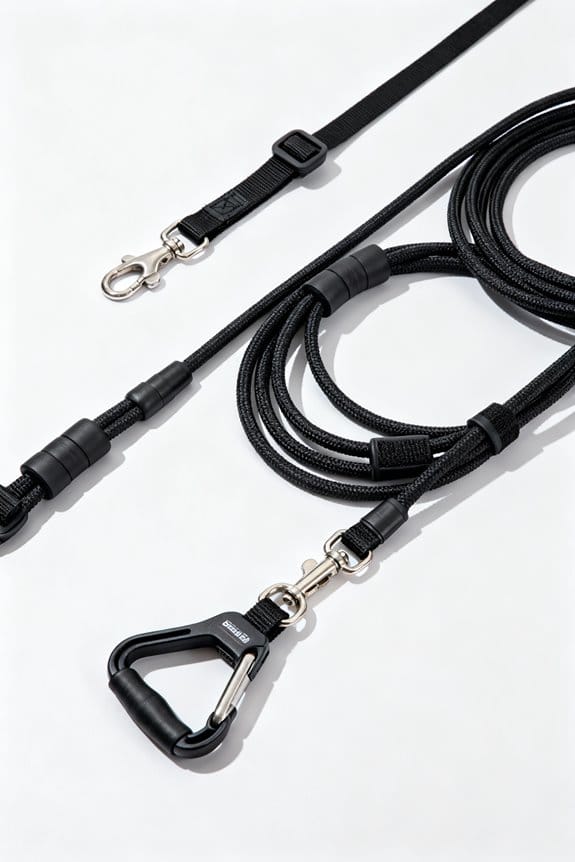
Traffic-handle leashes place the handler’s hand 12–18 inches from the dog’s collar, enabling immediate control and faster corrections in crowded areas. They reduce leash slack, improve heel and sit reliability, and lower wrist strain during long urban walks, for example at street fairs or busy sidewalks. Choose padded handles, reinforced stitching, and nylon, leather, or biothane based on weather resistance and strength. Use short sessions, progressive distractions, and regular gear inspections, and more guidance follows.
Key Takeaways
- Traffic handles positioned 12–18 inches from the collar give rapid, close control to reduce leash slack and reaction time.
- Use traffic handles to reliably reinforce heel, sit, and redirection cues during urban walks and crowded situations.
- Choose durable materials (nylon, leather, or Biothane) with reinforced stitching and strong hardware matched to your dog’s size.
- Train with the handle 6–12 inches from the collar, practicing steady hand placement and gradually increasing distractions.
- Inspect handles and leashes weekly for wear, clean per material, and replace any gear that shows fraying or hardware damage.
Benefits of Traffic Handle Leashes
You may be interested


Because a traffic handle places a firm grip point 12 to 18 inches from the collar, the handler gains immediate control, reducing leash slack and reaction time when a dog lunges or encounters distractions. It allows tighter positioning at the side during crossings, in parks, and near busy storefronts, improving safety. What other advantages appear when proximity increases and leash length shortens to under eighteen inches? Because handlers can correct position instantly, training cues like heel and sit become more reliable, accelerating learning. Additional benefits include reduced wrist strain for handlers, fewer wrapped leashes in walks, and clearer signaling when handling difficulties arise. Durable, chew-proof designs help ensure reliability and control, especially for strong and aggressive chewers. Will this design suit all dogs and handlers, or should selection consider dog size, training level, and material strength ratings carefully?
How They Improve Control in Crowds

When maneuvering crowded sidewalks or busy event entrances, a traffic handle shortens effective leash length to 12–18 inches, increasing immediate control. The closer hand position makes pulling corrections quicker, so dogs stay at the handler’s side during tight passages and dense foot traffic. How does this improve crowd navigation for both parties? It reduces weaving between people, limits sudden lunges toward distractions, and allows swift redirection when space tightens. Handlers can establish consistent proximity, which supports behavior reinforcement through immediate cues and gentle guidance during real-world practice. In practice, operators keep dogs within arm’s reach in stores, along sidewalks, or at transit hubs, thereby minimizing conflict and improving safety without excessive force. This approach also shortens reaction time, maintaining control in crowded unpredictable situations. Additionally, padded handles on leashes can reduce discomfort for handlers, ensuring that maintaining control remains comfortable and manageable.
Recommended Products

KONG Max Ultra Durable Padded Chest Plate Dog Harness.

KONG Max Ultra Durable Padded Chest Plate Dog Harness.
KONG Max Ultra Durable Padded Chest Plate Dog Harness.
Design Features to Look For

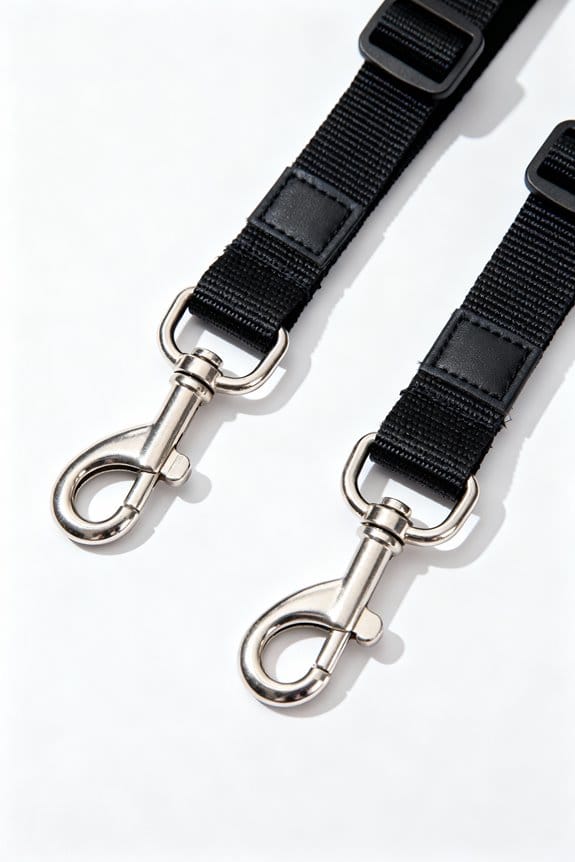
Design clarity matters, as a well-placed traffic handle between 12 and 18 inches from the collar gives immediate control. Leashes should prioritize material durability, with reinforced stitching, metal hardware rated for specific pounds, and abrasion-resistant webbing that resists fraying. Consider handle comfort, including padded grips or molded rubber, which reduce hand strain during repeated short corrections. Is the secondary attachment positioned for quick, secure holds in crowded sidewalks or busy storefronts? Look for low-profile hardware that avoids snagging, yet allows smooth leash shortening when needed. Test weight and flexibility, because overly stiff materials hinder close control while excessively limp leashes complicate precision. Inspect stitching patterns and stress points, and choose designs with user-tested limits and clear load ratings for predictable performance, and verified durability. Choose leashes with reflective stitching to improve visibility and safety during nighttime walks.
Recommended Products

RUGGED, TRAIL-READY DESIGN – Built for active dogs, this premium dog harness can handle the toughest trails and outdoor adventures. Its durable polyester outer shell is made to withstand the demands of an active lifestyle.

TRAFFIC. VET LOBBY. CROWDS. - The second handle sits right at the clip: grab it and your dog is locked at your heel in one motion, exactly when the situation demands it.

LOCKED-IN. MORE FUN. The auto-locking Talon Clip is lightweight and secure, resisting accidental unclipping so your puppy stays attached and you can settle into the moment on trails, sidewalks, or jogs.
Choosing the Right Length and Material
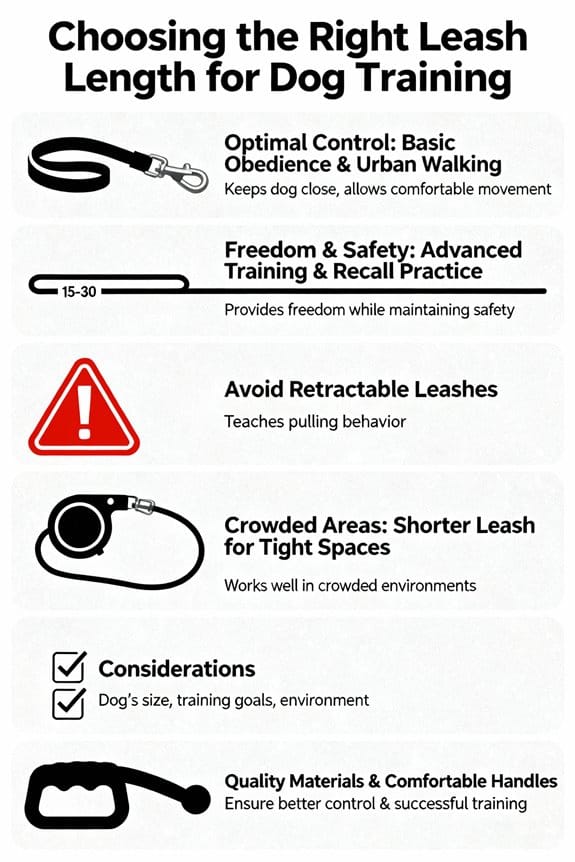
Choosing an ideal leash length and material helps handlers balance control and comfort, especially in crowded sidewalks, stores, and veterinary waiting rooms. Handlers should consider length variations carefully, choosing twelve to eighteen inches for urban navigation, or longer for casual walks. Material choice matters too, nylon offers light weight and affordability, leather provides durability and grip, what suits daily routines? Weather and abrasion resistance should guide selection, consider biothane for water resistance, or reinforced polyester for greater tensile strength. Shorter traffic handles, around twelve to eighteen inches, give immediate proximity and control in crowded areas, reducing leash slack quickly. Select a strength-rated leash matching the dog’s size and behavior, inspect material types for stitching and hardware, replace worn leashes to maintain safety and reliability. Additionally, reflective stitching on leashes can enhance visibility during nighttime walks, ensuring safety for both the handler and the dog.
Recommended Products

MADE IN USA MATERIALS AND BUILD – Manufactured and assembled in the USA to support traceability, consistent construction, and dependable lifting performance.
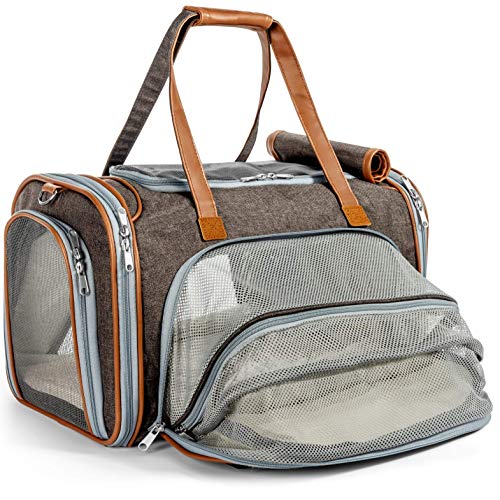
The newly updated V3.0 Gold Series Expandable is the ultimate travel carrier for dogs, cats and bunnies! Featuring upgraded materials for extra durability, more interior space for your pet's comfort, ventilation on all 5 sides, and a unique shoulder strap that converts to a leash. Whether by car, airline, or on foot, it’s a top choice of pet professionals worldwide. Designed for travel, its flexible height design let's it compress to fit under most airline seats while still providing structure and space for your pet as well as an expandable port. Created with premium features for comfort and convenience, the Gold Series is a smart choice for every pet owner.
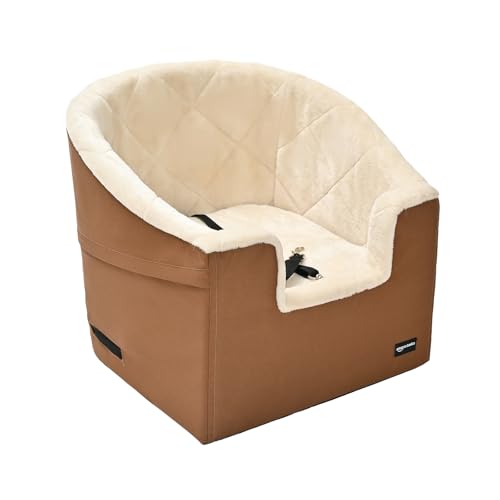
Bucket-style booster seat keeps pet in one place for distraction-free driving; fits in front or back seat of vehicle
Pairing With Harnesses and Collars
A traffic handle leash pairs best with a front-clip or dual-clip harness, which places control points near the dog’s chest, reducing lunging. Handlers should evaluate harness compatibility by checking attachment strength, strap width, and placement, aiming for secure control without restricting motion. Which collar types are appropriate, flat collars or martingales, when a traffic handle is used for brief close-control moments? If a neck-only collar allows slipping, then force concentrates on the throat, causing risk, hence pairing with a harness reduces pressure and improves safety. Smaller dogs under ten kilograms benefit from lightweight padded harnesses, while larger dogs need broader straps, rated clips, confirmed load. Reflective materials improve safety during nighttime outings and enhance visibility to drivers and passersby. Inspect combinations before each outing, test quick holds, and adjust fit to balance control with comfort for urban navigation.
Recommended Products

A comfortable lifting harness that features full body support, with our patented "hip lift" technology. The Help 'Em Up Harness features cushioned and breathable padding, keeping your dog comfy and cool.
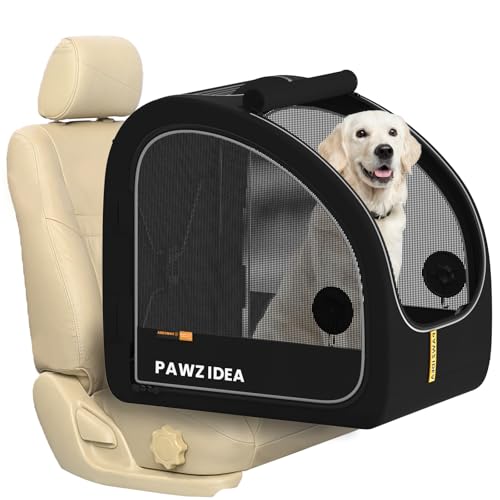
EXTRA-LARGE & SPACE-SAVING: Spacious 27" L x 19" W x 28" H—45% taller than standard crates, allowing medium to large dogs up to 80lbs to Sit Upright comfortably & relax during trips. Features two pop-up switches design sets up in seconds and folds flat to only 4.3" H for compact, trunk-friendly storage.

【A Moving Home for Your Furry Friend】: Inner Size:32”L x 20.8”W x 19"H; Fully Expanded Size:41.3”L x 26.4”W x 38.6”H, Folding Size:35.4”L x 26.4”W x 15.7”H. Fits minimum door width: 28". Recommended Pet Length:Under 27 lnches. Suitable for dogs up to 130 lbs. Please measure your pet's body dimension before purchasing.Hope we can bring more suitable products for you and your pets.
Training Techniques Using a Traffic Handle
When introducing the traffic handle, the handler positions it 6–12 inches from the dog’s collar, gives a clear cue, and waits for compliance. The instructor outlines training exercises that reinforce close positioning, such as step-by-step heel walks, side sits, and short recalls over twenty to thirty second intervals. Hand placement stays steady near the traffic loop, improving leash handling and offering immediate feedback without sudden jerks. To enhance safety during training, consider the importance of reflective stitching in harnesses, which aids in visibility during low-light conditions. How should progression proceed, and when is increased distance appropriate for the dog to succeed? The handler increases challenge gradually, adding distractions, lengthening sessions by ten to twenty seconds, and rewarding correct position consistently. Technical safety checks follow each exercise, verifying harness fit, handle attachment, and handler posture to prevent strain, and noting leash wear and tension regularly.
Managing Reactive or Easily Distracted Dogs
After mastering short, consistent drills with the traffic handle, handlers can carefully apply the tool to reactive or easily distracted dogs in controlled steps. The handler begins at three to five meters from common triggers, practicing brief attention checks and gradual approach, which reduces reactive behaviors through predictable proximity. Puzzle games can provide mental stimulation during training sessions, helping to maintain focus and reduce anxiety. How to proceed, stepwise or timed repetitions? Many dogs, ten to fifteen one-minute exposures per session, paired with reward for focus, improves distraction management reliably. Use the traffic handle to shorten leash to twelve to eighteen inches when immediate guidance is required, giving firm, calm corrections. In public settings, pre-plan escape routes and maintain a shoulder-length stance to minimize surprises, thereby reducing escalation. Regularly record progress, adjust intervals, and consult professionals when peak reactivity persists.
Practical Uses: Urban Walks and Events
Because urban environments present unpredictable stimuli, handlers should keep dogs within twelve to eighteen inches using a traffic handle for immediate control. This proximity aids navigation through busy sidewalks, allows quick correction when crowds converge, and preserves flow for pedestrians. How should handlers adapt during visits to urban parks, near playgrounds, or at outdoor markets, where distractions vary wildly? In practice, the short leash length permits concise directional guidance, supports heel training, and reduces leash slack that causes entanglement. For events like street fairs or festivals, handlers shorten distance to maintain side position, rotate shoulders for stability, and signal commands clearly. Consistent use reinforces learned behaviors, accelerates obedience in real environments, and simplifies management across varied urban scenarios, promoting smoother outings for dogs and handlers. For those seeking additional control and safety, dual-loop martingale collars provide secure, humane tightening that prevents escape without choking, enhancing overall handling efficiency.
Safety Tips for Handlers
Although traffic handle leashes are short and strong, handlers should adopt deliberate hand placement and body posture to maximize control and minimize risk. Proper handler positioning, with knees slightly bent and weight centered over both feet, reduces leash pull and improves balance when a dog lunges. Hands should use the traffic handle for close guidance, while the primary hand manages slack and performs quick leash adjustments when needed. What distance should be maintained, two feet or less keeps the dog at heel near crossings, and allows prompt correction without overextension. Hand relocations must be deliberate, communicate intent to the dog, and avoid sudden releases that could cause entanglement or loss of control. Hand signals and verbal cues complement positioning, reducing reliance on force altogether. Utilizing positive reinforcement techniques can further enhance the effectiveness of leash training by rewarding good behavior and fostering trust between the handler and the dog.
Maintenance and Care
Proper maintenance begins with regular inspection of the traffic handle leash, checking webbing, stitching, hardware, and handle integrity at least once weekly. Inspect for frays, rust, loose stitching, or warped metal, and replace the leash if any component fails strength or safety standards. Leashes made with durable materials such as rock-climbing rope or reinforced nylon are less prone to wear and tear. How should cleaning be performed, and what cleaning methods are appropriate for different materials? Use mild soap and warm water for nylon, a soft brush for dirt removal, and avoid bleach which degrades fibers. Dry thoroughly away from direct heat, and store in a cool, dry place using simple storage solutions such as hanging hooks or sealed containers. Periodically test hardware under load, document inspections, and retire leashes after visible wear or after significant force events. Replace worn leashes without delay.
When Not to Use a Traffic Handle Leash
One important limitation of a traffic handle leash is its unsuitability for situations involving very small dogs, uninitiated puppies, or aggressive animals. Handlers should avoid use with dogs under 10 pounds or puppies younger than four months, because close control may injure fragile necks. In cases of aggression, a traffic handle leash can increase risk, and professional restraint methods or muzzles may be necessary. What are traffic leash alternatives, and when alternative leashes like longer lines or harnesses make better sense? For reactive dogs, a front-clip harness or a head halter distributes force more safely, reducing choking and improving directional control. In crowded, high-risk environments, consider professional advice, evaluate behavior history, and select equipment that matches size, age, and training level for specific cases.
Buying Guide and Feature Comparison
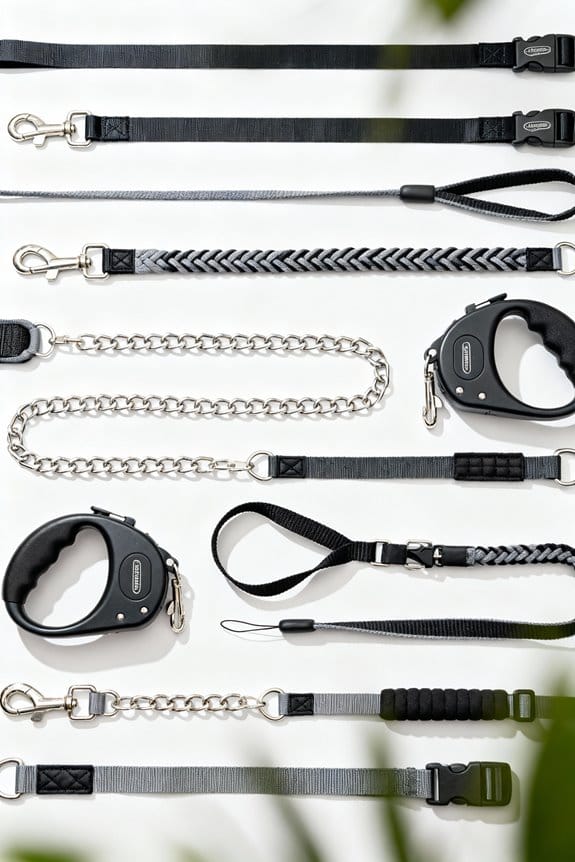
When comparing traffic handle leashes, buyers should weigh material, length, hardware, and handle placement against the dog’s size and typical environment. Evaluate traffic handle options by testing a short 12-inch loop for city sidewalks, or a 18-inch variant for wider control. Compare leash material types like nylon webbing for durability, leather for comfort, and biothane for easy cleaning. Inspect hardware, choosing rust-resistant metal, solid stitched handles, and reinforced attachment points to prevent failure under sudden loads. Match length and handle placement to dog weight, selecting shorter setups for small breeds under 20 pounds, longer for large dogs. Consider secondary features like reflective trim for night walks, quick-release clips for emergencies, and padded grips for handler comfort. Ask sales staff for warranty details and testing.
Recommended Products

All-round climbing rope for sport, trad, and multi-pitch

Constructed to Last: Made with premium attributes such as multi-point reinforced military grade nylon webbing, ultra strong and anti-rust zinc alloy dual-trigger clips, stainless steel D-rings, neoprene lining for comfort, and customizable features.

KONG Max Ultra Durable Padded Chest Plate Dog Harness.
Frequently Asked Questions
Can Children Safely Use a Traffic-Handle Leash?
Yes. Children may use a traffic-handle leash with safety guidelines and child supervision; adults should guarantee strength, teach grip and recall, limit to supervised sessions, and never leave the child alone with a strong dog.
Are Traffic Handles Permitted Under Local Leash Laws?
They are generally permitted, though allowances vary by jurisdiction; owners should check local leash regulations. Enforcement focuses on restraint and safety, and authorities often acknowledge traffic leash benefits for close control in crowded public areas.
Can I Attach Accessories (Bag Dispensers, Lights) to the Traffic Handle?
Yes, they can attach lightweight bag dispensers or lights to the traffic handle, but leash attachments should be low-weight and secure; accessory compatibility depends on handle strength, placement and manufacturer guidelines to avoid compromising control.
Do Traffic-Handle Leashes Work With Multi-Dog Couplers?
Yes, they can be used with multi-dog couplers, but effectiveness depends on design compatibility and handler skill; adopting traffic handle positioning improves multi dog management while maintaining leash safety through reduced slack and quicker control.
Can a Traffic Handle Be Added to a Retractable Leash?
Yes — by coincidence some retractable leashes accept adapters, so one can add a traffic handle; careful selection of traffic handle features and compatible leash attachment options guarantees secure, ergonomic close-control without compromising retraction mechanical integrity.
Conclusion
Traffic handle leashes provide handlers precise, immediate control in crowded settings, reducing the risk of sudden lunges and entanglements. They distribute force across a fitted harness, increase stability when dogs surge, and come in adjustable 6–18 inch lengths. For example, a volunteer used an 8-inch padded handle to guide an anxious Labrador through a busy intake room. Handlers should choose matching hardware, inspect components monthly, and avoid use when dogs show severe reactivity or injury.