As an Amazon Associate, we earn from qualifying purchases. Some links on this site are affiliate links at no extra cost to you. Our recommendations are based on thorough research and editorial judgment.

Training Dummy Uses for Retrieval Practice

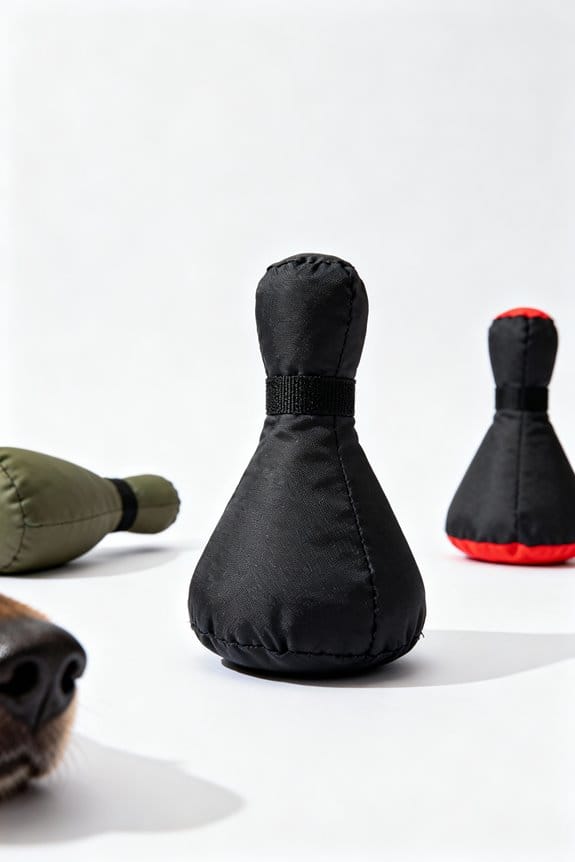
Training dummies provide standardized, low-risk targets for marking, lining, scenting and delivery, with 8–16 oz models suited for puppies and 1 lb models for adults. Which sizes and materials build proper grip without injury, and how should color contrast be used for visibility? Canvas mimics real birds and holds wax scents, plastic offers durability; alternate materials balancing realism and longevity. Practiced drills like a five-dummy memory retrieve develop memory and directional casts, releasing advanced techniques.
Key Takeaways
- Use brightly colored, durable dummies for safe, consistent practice that builds reliable marking and retrieval habits.
- Match dummy material (canvas or plastic) to training goals: realism, durability, or lightweight repetitions.
- Choose dummy size and weight based on puppy/adult stage to protect bite development and build appropriate strength.
- Add wax-based scents or scent-infused dummies to improve tracking, motivation, and real-field readiness.
- Incorporate structured drills (place board, five-dummy memory, varied marks) to develop marking, lining, and sequential memory.
Why Dummies Matter in Retriever Training
You may be interested


Because dummies provide a standardized, low-risk object for practice, trainers can teach locating and returning skills systematically, with measurable progress. Dummies in bright white or aquamarine improve visibility across water, grass, and brush, aiding consistent marking during exercises. Handlers vary sizes and weights to simulate hunting retrieve loads, for example using 3 sizes, light, medium, and heavy, across drills. Scented dummies build olfactory discrimination, so dogs learn to locate buried or wind-blown game, improving success rates in field conditions. Pealess, weatherproof whistles are recommended for tone consistency and durability, enhancing training effectiveness in variable weather conditions. Memory drills, such as the Five-Dummy Memory Retrieve Drill, test recall across five marks, and they strengthen focus, directional handling, and retention under pressure.
Understanding Marking and Lining
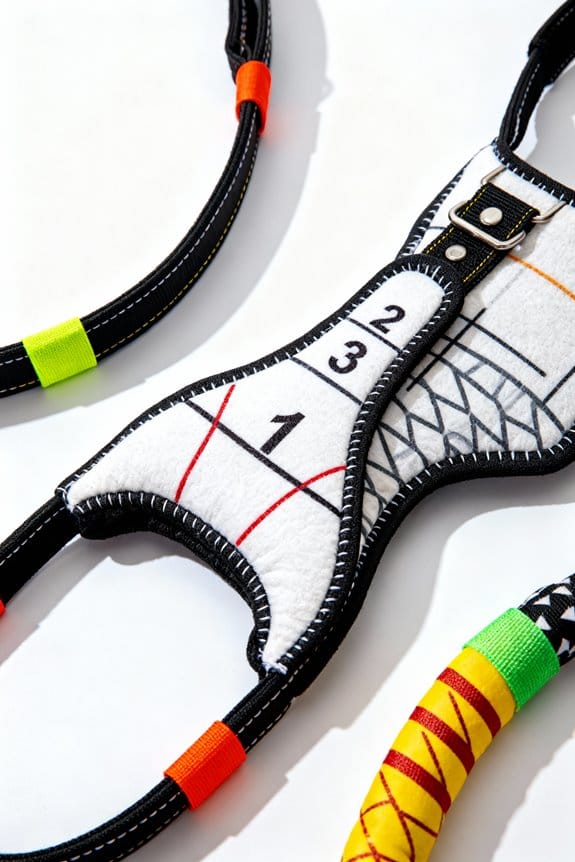
Marking and lining are foundational skills for retrievers, defining a dog’s memory for fall locations and its straightness of approach. Marking lets a dog remember specific falls, reducing search time from minutes to seconds, improving efficiency. Lining requires running in a straight line, trusting commands despite wind, water or overlapping retrieves. How can handlers build these skills, with limited sessions and distracted environments? Structured drills, such as the Five-Dummy Memory Retrieve Drill with five falls, create repetition, increasing marking accuracy and lining consistency. For example, practicing three short marks at 20, 40 and 60 yards tests memory, then longer marks validate straightness under pressure. Improved marking reduces unnecessary quartering, so dogs retrieve faster, handlers see clearer patterns, and confidence grows predictably. Practice reinforces outcomes. Using tools like the ACME Alpha 210.5 whistle, designed for short-range recall, can enhance the training of smaller breeds by providing consistent auditory cues, ensuring better performance during drills.
Using a Place Board to Improve Accuracy
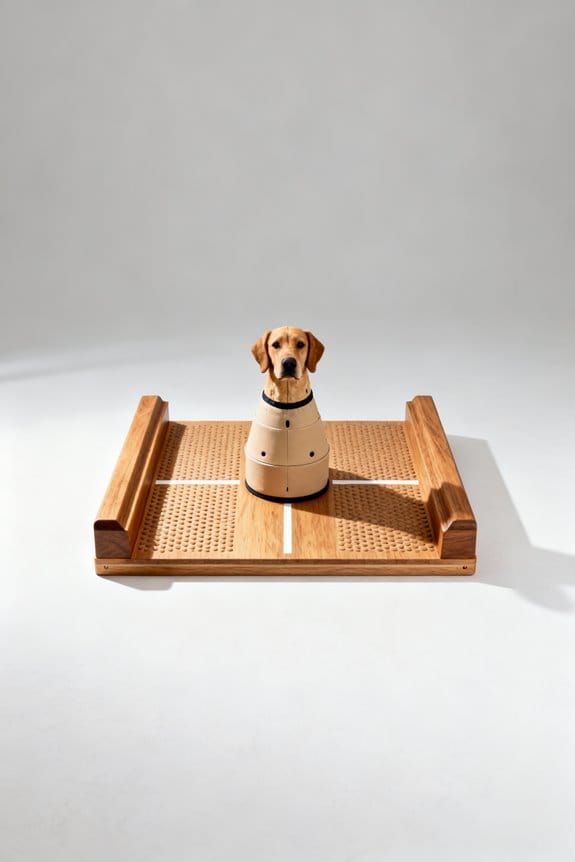
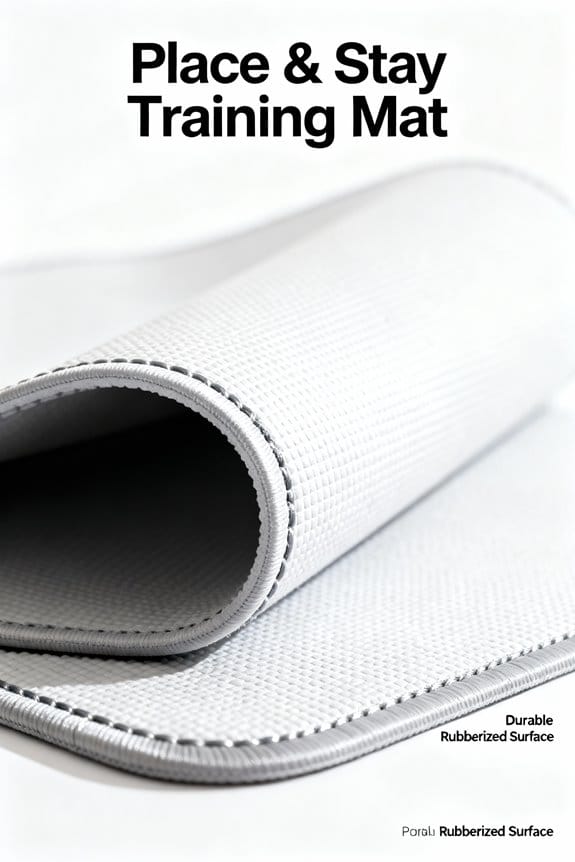
A place board provides a clear, fixed target for retriever training, helping dogs understand where to focus during retrieves. Trainers use the board to produce consistent repetitions, reward stepping onto the board, and reduce error rates quickly. How does this aid dog training, beyond basic marking skills, and what measurable gains arise from focused practice? Practicing directional casts toward the board, with ten repetitions per session, improves lining and holding ability amid distraction. A visible marker simplifies cue recognition, increases motivation during drills, and shortens learning curves across varied terrain. For precise improvement, trainers may phase out verbal prompts, measure success rates percentage-wise, and adjust distance increments gradually, regularly. Consistent board use, with clear rewards and progressive challenges, builds confidence, producing more accurate retrieves.
Five-Dummy Memory Retrieve Drill Explained
Several trainers introduce the Five-Dummy Memory Retrieve Drill to build sequential memory, directional discipline, and reliable returns under varied conditions. The drill begins with a marked retrieve near a visual marker, then proceeds to memory retrieves using specified casting sequences to test directional understanding. Initially, dummies are thrown near the marker to help the dog associate location with retrieving dummy tasks, which aids early success. As skill improves, difficulty increases by adding distractions, and by deploying additional dummies at separate positions to challenge focus and memory. How does the handler progress without confusion? By following clear casting orders, repeating patterns, and increasing distance gradually, the dog learns marking and lining. This exercise strengthens confidence, improves marking precision, and enhances overall gundog performance, overall growth. A significant aspect of training success is positive reinforcement, which involves praising and rewarding the dog immediately after successful retrieves to encourage consistent behavior.
Foundation Exercises With a Place Board
One foundational tool, the place board gives dogs a clear visual target during early training sessions, increasing focus and predictability. Trainers begin by rewarding the dog for stepping onto the board, using small food or a dummy, ten to twenty times per session. How should directional casting be introduced, by heeling then sending to angles of 30, 60, and 90 degrees for lining practice? Using a fixed visual marker, like a tree or fence line, increases visibility, clarity, and repeatable success. Repeat sets of three to five sends from each angle, which builds confidence, consistency, and precise approach lines. The place board reinforces foundational skills, preparing the dog for later multi-dummy drills without creating confusion, handlers log progress, note repetitions, and adjust rewards accordingly. Incorporating no-pull designs in dog harnesses can also help manage strong pulling behaviors, ensuring the training sessions are both productive and safe.
Progressing From Marked to Memory Retrieves
When shifting from marked to memory retrieves, trainers should first send the dog to a visible dummy, then hide additional dummies. The handler then performs the Five-Dummy Memory Retrieve Drill, throwing five dummies in varied directions, to test multiple location recall accurately. How should difficulty increase, without undermining success rates, and what role do distractions and distance adjustments play in training daily progression? A place board functions as a visual marker, it aids lining, supports confidence, and clarifies direction during marked and memory retrieves. Trainers should progress incrementally, introduce one distractor at a time, record numeric results such as times and success counts, analyze trends. Effective memory retrieves demonstrate trust in directional commands, build navigational confidence, and prepare dogs for complex field scenarios consistently. Implementing positive reinforcement techniques with high-value rewards can significantly enhance the effectiveness of training sessions and ensure a humane and ethical training environment.
Choosing Dummy Material: Canvas Vs Plastic
After mastering marked and memory retrieves with progressive distractions and distance adjustments, trainers must consider dummy material, because it changes handling and realism. Canvas dummies resemble real birds, they weigh about one pound, and they often reveal mouthing issues through susceptibility to damage. Plastic dummies, being lightweight and versatile, improve throwing distance consistency, resist scent absorption, and clean easily between long training sessions. Which material suits a drill best, when realism or maintenance is the priority, or when repeated, reliable marking is required? Trainers should alternate materials, using canvas for scent, handling practice, plastic for high-volume marking drills, to balance realism and durability. Practical choice depends on session goals, so trainers plan retrieves that test scent tracking, durability, and consistent visibility in varied fields. Consider using adjustable heights in training to progressively build speed and accuracy in your dog’s retrieval skills.
Recommended Products

Design allows for one had to be free to keep a check on the dog from breaking early, use of calls and e-collar remotes.


DURABLE MATERIAL Made with ultra-tough canvas for long-lasting durability material which holds game scent better than plastic dummies. Canvas is the perfect material for injecting or transferring scent into, and the 3’’ diameter is best for dogs
Selecting Dummy Size and Weight for Your Dog
Several factors determine the appropriate dummy size and weight for a dog, including age, breed, and current bite development. For puppy training, start with smaller dummies to encourage a proper grip, which prevents bad retrieval habits and hardmouth issues later. Avoid oversized dummies for young dogs, because they cause handling difficulties and promote poor bite control. As strength increases, gradually introduce larger dummies to simulate real gamebirds, matching size to growing jaws and experience. Consider selecting a dog treat pouch with compartments for carrying training tools and treats to make training sessions more effective. Should trainers aim for a standard weight early on? Selecting dummies around 1 lb provides useful resistance, builds muscle and confidence, without causing strain. Consider breed and adult size when progressing weights, and if unsure, go back to reassess bite development and adjust accordingly. Trainer judgment remains the final guide.
Recommended Products

Realistic and durable training dummy designed specifically for waterfowl training
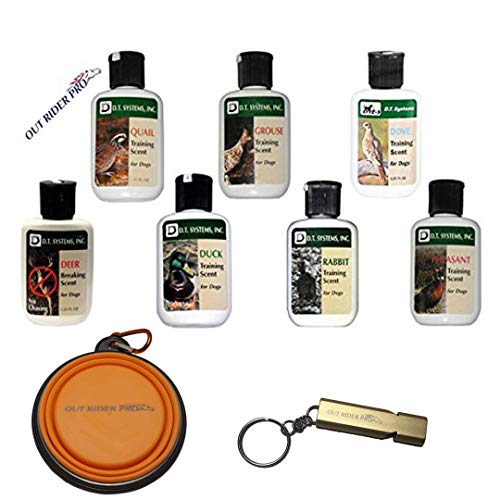
Realistic Scents: Mimics the smell of real game to enhance your dog’s hunting instincts.

Heavy-duty water resistant poly shell and Double reinforced, water resistant bottom
Color and Contrast: Picking the Right Dummy
Color choice for a training dummy affects visibility, marking accuracy, and a dog’s confidence during retrieves. Trainers should select high contrast dummies, white against dark backgrounds, to improve marking and blind retrieve success. White dummies, for example, work well in most natural settings, and are recommended for early training and repetitive marking drills. In snowy terrain, black dummies offer superior contrast, they remain visible against white expanses, reducing search time and frustration. Orange dummies may blend with varied ground colors, they suit advanced training when deliberate visual challenges are desired. How does color influence learning pace and success rates? By increasing visibility, confidence and clear reinforcement, dogs complete retrieves more reliably, reinforcing the retrieving instinct. Select dummy color strategically, monitor progress, adjust as needed. A training dummy’s non-toxic materials ensure safety during retrieval practice, aligning with the guidelines for safe dog toys.
Recommended Products

PLASTIC DOG TRAINING BUMPER – 2" knobby textured retrieving dummy designed for retriever training, hunting dog drills, and everyday fetch practice for sporting and working dogs.

This ultra strong two-way adjustable ladder provides your four-legged hunting companion with an easy, convenient way to enter and exit your duck boat.

SUPER PRO LAUNCHER DUMMY - The Super Pro Launcher Dummy is designed to elevate your dog training sessions into a dynamic & engaging experience; Crafted with precision & passion, these additional launcher dummies are compatible with both the DT Super Pro Dummy Launcher and the Remote Dummy Launcher (sold separately), ensuring your dog enjoys endless fun and efficient field learning
Adding Scent and Realism for Field Work
Because wax-based scents adhere longer to training dummies, they are preferred for fieldwork, providing consistent odor cues over extended periods. Trainers should use scent-infused dummies, for example applying two to three wax-based sachets per dummy, to simulate mallard or pheasant scents accurately. Canvas dummies absorb liquid scents, so one can wet them with 10–20 milliliters of diluted scent, then air-dry before deployment. How does this improve marking and tracking? It links visible retrieves to reliable odor cues, improving a dog’s marking and search strategies in 30–60 minute sessions. Varying environments, such as marsh, timber, and short grass, teaches odor differentiation, and alternating scented and unscented throws builds discrimination skills. Overall, realistic scent pairing raises motivation, and boosts performance in actual hunting retrievals, daily drills. An important aspect of scent training is the use of ventilated aluminum tins to ensure predictable scent release, which is crucial for maintaining consistency in training sessions.
Recommended Products

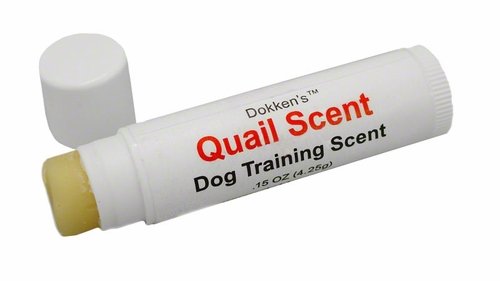

Dokken's Rack Wax is a highly concentrated natural odor of a deer antler shed.
Frequently Asked Questions
How to Train a Dog to Retrieve a Dummy?
They start with a treat-filled dummy to build interest, praise pickups, use the command “Bring!”, increase distance gradually, teach barter exchanges for swaps, use visible then subtle dummies; consistent reward reinforces Retrieval Techniques and fetching.
What Are Gundog Dummies Used For?
Gundog dummies are used to teach marking, lining, steadiness, and scent work, reinforcing retrieval techniques through graded sizes, materials, and scented options that simulate game, build positive retrieval associations, and prevent hardmouth during training sessions.
How to Use Training Dummy Dog?
Like a lighthouse guiding ships, they introduce the dummy through play, start close, reward swaps in Dummy Games, gradually increase distance, use contrasting colors for visibility, and reinforce exchanges with treats to build reliable retrieval.
What Size Dummy for Springer Spaniel?
A Springer Spaniel should use dummies around 1 to 1.5 pounds, progressing from 0.5–1 pound for puppies to 1.5–2 pounds as mature dogs; sensible Dummy Sizes prevent hardmouth and simulate game weight and encourage gripping
Conclusion
The trainer should prioritize consistent marking, lining, and scent addition, using 3–5 dummies to build reliable retrieval patterns daily. Which dummy material, canvas or plastic, suits a given dog, will depend on durability needs and water exposure? If accuracy is required, handlers should use a place board and five-dummy memory drills, improving success to 70–90 percent. Practice, like a compass guiding a ship, directs repetition toward specific goals: blind retrieves, long-lines 20–40m or scented finds.