As an Amazon Associate, we earn from qualifying purchases. Some links on this site are affiliate links at no extra cost to you. Our recommendations are based on thorough research and editorial judgment.

How Long Should Pet Training Sessions Last

Dog training sessions should be short and focused, five to ten minutes for puppies and up to fifteen for adult dogs. Should owners repeat sessions throughout the day, yes, brief one-to-three minute refreshers, five to ten times, improve long-term retention? Begin in a low-distraction area, reinforce immediately with praise or treats, then gradually introduce outdoor distractions as competence grows. Keep sessions under thirty minutes total, always end on a successful cue, and consult guidance for schedules.
Key Takeaways
- For adult dogs, keep training sessions brief—about 10–15 minutes—to maintain focus and effectiveness.
- Puppy sessions should be very short—1–5 minutes each—repeated several times throughout the day.
- Avoid sessions over thirty minutes; attention and learning decline with longer practice.
- Aim for multiple short daily practices totaling roughly 10–15 minutes to reinforce skills and retention.
- Train in low-distraction settings first, reward immediately, and end each session on a successful note.
What Is a Dog Training Session?
You may be interested



A dog training session is a focused period for teaching a specific command, skill, or behavior, often with a single clear goal. Trainers design dog training sessions with defined objectives, consistent reinforcement, and incremental challenges to build reliable responses. Where should training begin, indoors in a low-distraction area, or outdoors amid real-life stimuli? Short sessions generally match a dog’s attention span, using positive reinforcement like treats and praise to encourage repetition. Consistency matters, because regular sessions reinforce learning and prevent regression over weeks and months. Sessions may be structured into several brief trials, each lasting measured amounts, balancing task repetition and rest. By adjusting task difficulty and the amount of time spent, trainers maintain engagement, and progression becomes predictable and measurable. Goals guide adjustments. Clicker training can be especially effective during these sessions, as it promotes positive reinforcement techniques that build communication between pets and owners.
How Long Should a Dog Training Session Last?
The ideal dog training session lasts no more than 15 minutes, keeping focus sharp and learning efficient for most adult dogs. A professional dog trainer recommends single-command focus, repeating a behavior briefly and concluding positively, which builds reliable responses. Puppies require shorter intervals, often five to ten minutes, because attention spans remain limited and fatigue sets in quickly. What happens if sessions extend beyond thirty minutes, diminishing returns appear, dogs lose engagement, and training time becomes counterproductive? Short sessions, repeated several times daily, reinforce learning through consistency, and they allow gradual progression while preventing burnout. If a dog struggles, switching to a known command ends on success, preserving motivation. Overall, concise, frequent training yields better retention, clearer cues, and faster skill acquisition and confidence. For dogs that pull during walks, using a no-pull design can help ensure a safer and more effective training experience.
How to Conduct Your Dog Training
Several initial training sessions should take place in a quiet, distraction-free room indoors, helping the dog focus on new commands. Training begins with brief, repeatable exercises, using short training sessions of five to ten minutes for puppies, and up to fifteen minutes for adult dogs, which prevents fatigue and maintains engagement. Trainers should employ positive reinforcement, offering treats or verbal praise immediately after correct responses, so behaviors are clearly linked to rewards. As proficiency grows, sessions move outdoors or to busier environments, introducing distractions incrementally to test generalization. Odor control features in puppy potty pads can be beneficial during indoor training to maintain a clean and inviting environment. Sessions end on a success, switching to a known command if needed, which preserves motivation. How often should one train daily? Multiple brief sessions, spaced throughout the day, yield steady progress without overwhelming the animal effectively.
Reinforcing Your Dog’s Training
After mastering brief indoor sessions, owners should embed commands into daily routines, reinforcing behaviors outside formal practice. Reinforcing training your dog can occur during three daily activities, for example before meals, at doorways, and during walks, which promotes real-life application of skills. How often should reinforcement occur; aim for short, consistent sessions of one to three minutes, repeated five to ten times daily, to maintain progress. Consistent reinforcement of obedience training reduces errors, increases retention, and speeds recall, when treats and praise are used strategically. Regular practice in varied locations, such as the yard, street, and car, helps generalize commands, making behavior reliable in distractions. Incorporating dog agility equipment into training can enhance obedience and confidence, offering additional mental stimulation through varied exercises. Owners should track progress, adjust rewards, and maintain predictable cues to preserve long-term results. Review sessions monthly for measurement.
Hiring the Best Dog Trainers
When hiring a professional, owners should seek trainers who tailor plans to a dog’s age, temperament, and specific behavior challenges. A reputable trainer will offer private lessons, group classes, or short boot camps, for example six weekly sessions, or a three-day intensive, depending on goals. Why choose a program matched to the individual dog rather than a generic curriculum? Because customized approaches increase retention, reduce frustration, and speed progress. Expect consistent reinforcement during training sessions, with clear homework, measurable milestones, and periodic reassessments every two to four weeks. If owners lack time for daily practice, a professional can provide interim support and structured routines, causing steadier improvement, and promoting long-term success, when combined with owner follow-through. Consult references, observe demonstrations, and verify credentials carefully. Consider using a Biothane Check Cord for training in wet environments, as they are waterproof and durable, enhancing training effectiveness.
Recommended Products

Extended Range Training System: E-Collar EZ-904 1/2-mile range trainer for small to medium sized dogs 10 pounds and up with neck size 5 to 22-1/2 inches is loaded with unique features, making it the most humane and effective trainer available
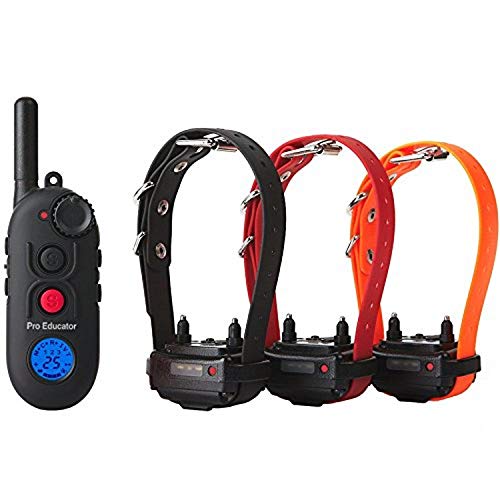
E-Collar PE-903 1/2-mile range trainer for small to medium sized dogs 10 pounds and up with neck size 5 to 22-1/2 inches is loaded with unique features, making it the most humane and effective trainer available

PRECISE CONTROL: With 127 stimulation levels, you’ll have no problem finding the perfect level for your dog with the gradual and precise stimulation control. The levels are bright and easy to read with the LCD screen and can be adjusted precisely at any time with the Rheostat Dial.
Optimal Duration for Different Breeds and Ages
Building on guidance from a professional trainer who customizes plans, owners must also match session length to a dog’s age, breed, and temperament. Young puppies need short dog training bursts of one to three minutes, because their attention span is minimal and focus drops quickly. Adult dogs do best with five to fifteen minute sessions, which balance learning and engagement without boredom. High-energy breeds, such as Labradors and retrievers, can often sustain sessions toward the upper end, around fifteen minutes, while smaller or calmer breeds may require shorter periods. High-drive working dogs sometimes tolerate up to twenty minutes, provided they remain focused and responsive. It’s important to ensure training equipment, like padded nylon harnesses, is comfortable and appropriately fitted to prevent any distractions or discomfort during sessions. Should trainers adjust more often, the answer is yes, because temperament dictates whether shorter or fewer sessions produce better results.
Importance of Interval Training and Rest Periods
Although interval training appears simple, it pairs focused practice with brief rests to sustain engagement and prevent fatigue, and it should be scheduled deliberately rather than haphazardly. Trainers recommend work bursts of one to five minutes, followed by rest periods of equal or greater length, to help dogs recover and consolidate learning. How long should a fearful dog train, five minutes followed by five to ten minutes of calm downtime? Short, structured intervals preserve motivation, and they reduce risk of physical strain and mental overwhelm. Coaches should manage sessions by tracking repetitions, noting stress signs, and adjusting intensity gradually, for example three to six intervals per session. Lightweight designs of training treat bags make them ideal for active trainers, ensuring quick access to rewards without fatigue. This method supports steady behavior change, builds confidence, and promotes sustainable skill acquisition over weeks and months.
Benefits of Short, Focused Training Sessions
Because attention wanes quickly in dogs, short sessions of five to fifteen minutes preserve focus, reduce boredom, and optimize learning. Trainers should schedule multiple brief practices across the day, aiming for several three-to-ten minute repeats that reinforce behavior without causing fatigue. Why not split a longer lesson into focused drills, rewards, and brief play, so skills consolidate and motivation remains high? Short training sessions enable easy wins, building positive associations and steady progress through frequent reinforcement and predictable structure. To maintain your dog’s engagement, vary tasks, use high-value rewards, and limit distractions, delivering clear commands and consistent timing. Consistent minutes of training, spread over days and weeks, produce stronger retention than one prolonged effort, and they encourage reliable habit formation. Progress becomes more measurable. Using reflective dog leashes can also enhance safety during low-light training sessions, ensuring both you and your dog remain visible and secure.
Recognizing When to End a Session
When a dog begins to show dwindling focus, trainers should recognize those cues quickly, and consider ending the session to protect progress. Signs include distraction, avoidance behaviors, ignoring commands, or repeated errors that suggest fatigue or boredom. Excessive panting or drooling may indicate overheating or stress, common questions involve what thresholds justify stopping immediately? If a dog gets noticeably disengaged for two repetitions, end the session to prevent frustration and preserve motivation. Finish on a high note by asking for a known command, reward success, and praise. Early termination often accelerates overall learning, because it prevents negative associations and maintains enthusiasm, and reinforces consistency. Monitoring individual cues, recording patterns, and adjusting lengths helps trainers maximize your time and effectiveness for future regularly scheduled sessions. It’s essential to prioritize positive reinforcement during training to enhance learning speed and reduce stress, as emphasized by experts in puppy training literature.
Puppy Training Considerations and Schedules
If owners follow the puppy’s brief attention span, training sessions should typically last between one and five minutes, repeated often. Puppy training benefits from five to six short training sessions distributed across the day. Sessions should be simple, focus on one cue or behavior, and include play or treats to maintain interest. Every interaction becomes an opportunity, so consistent training integrated into feeding, potty breaks, and short walks is effective. What are practical schedules? Try brief obedience bursts after naps, meal times, and before crate rest, totaling five sessions daily. Monitoring progress involves noting responses and shortening or lengthening intervals as needed, which prevents boredom and sustains gains. Clear, repeatable routines produce results, because frequent, brief practice cements behaviors more than infrequent long sessions. Using tools like puppy training bells can also assist in establishing clear communication and reinforce desired behaviors quickly.
Fitting Training Into a Busy Daily Routine
Typically, owners can fit effective training into a busy day by breaking practice into 5–15 minute intervals, spread across routines like meals, potty breaks, and short walks. Short, frequent practice helps a dog retain cues better, so schedule three to five brief sessions daily, before meals, after potty breaks, and during walk warmups. What if time is unpredictable? Flexibility allows adjustment, prioritize engagement over duration, and end a session when focus wanes. Aim for 10–15 minutes of focused training overall, avoiding long sessions that reduce concentration and increase stress. Use simple, consistent cues, reward promptly, and vary exercises to prevent boredom. Over time, these small efforts accumulate, improving behavior and making training sustainable within a demanding schedule. Owners should track progress and adjust plans.
Recommended Products

Strong Natural Aroma Dogs Love - Naturally rich scent helps grab attention, making them ideal for training and rewarding

HIGH PROTEIN, NUTRIENT DENSE: Featuring free-range Venison Deer, Organs, Bone, and New Zealand Green Mussels, this grain-free dog food delivers nutrition with a mouth-watering taste for all dogs. Gentle air dried processing retains the goodness of the raw ingredients. This food offers stimulating crunchy texture small enough for puppy food but soft enough for senior dog food.

VALUE SIZE 139-COUNT DAILY DENTAL ROUTINE SUPPLY: The 139-count value bag is sized for households using dental treats daily — providing an extended supply that keeps oral care consistent without frequent reordering or running out.
Frequently Asked Questions
How Long Should a Dog Training Session Be?
About 5–15 minutes constitutes the ideal session duration; they recommend shorter sessions for puppies. Training frequency recommendations suggest multiple brief repeats daily, aligning with puppy learning stages to maintain focus and reinforce behavior and engagement.
What Is the 3 3 3 Rule for Dog Training?
The 3-3-3 rule states a newly adopted dog needs three days to settle, three weeks to adjust, and three months to bond; observing dog behavior, using positive reinforcement, and maintaining training consistency guarantees smoother change.
What Is the 10 10 10 Rule for Puppy Training?
The 10 10 10 rule prescribes three cycling ten-minute training segments separated by ten-minute breaks to match puppy attention, optimize training frequency, and employ positive reinforcement so sessions remain focused, varied, and restorative for learning.
What Is the 5 Minute Rule for Puppies?
The 5-minute rule for puppies limits training sessions to around five minutes to match puppy attention, using short training techniques and session frequency so commands are reinforced through multiple brief, enjoyable repetitions without causing fatigue.
Conclusion
A trainer schedules short, focused sessions, typically five to fifteen minutes for adult dogs, and three to five minutes for puppies. What signals end a session: yawns, loss of focus, or consistent failure to respond after three consecutive cues? When these signs appear, the handler pauses, reinforces with a treat or toy, and reviews one simple cue in a calm repeat to prevent confusion. Then the trainer stops, and lets dog reset visually.