As an Amazon Associate, we earn from qualifying purchases. Some links on this site are affiliate links at no extra cost to you. Our recommendations are based on thorough research and editorial judgment.

Grain-Free Training Treats: Benefits and Options

Grain-free training treats eliminate common grains like wheat and corn, using alternatives such as sweet potato or peas. They focus on named proteins like chicken or salmon. What benefits arise? They reduce allergic reactions in sensitive dogs and improve digestion within 7–14 days when introduced slowly. They enable frequent rewards with low calories (5–10 kcal per piece). Choose small, pea-sized bites, test for tolerance over two weeks, and consult a veterinarian for allergies; guidance follows.
Key Takeaways
- Grain-free training treats eliminate common grains, reducing allergic reactions and digestive upset in sensitive dogs.
- They prioritize high-quality, named protein sources (chicken, beef, salmon) for better motivation and nutrition.
- Small, low-calorie bite-sized treats allow frequent rewards without contributing to weight gain.
- Choose simple ingredient lists without artificial additives and consult your vet for specific dietary needs.
- Introduce new grain-free treats gradually over 7–14 days while monitoring stool, appetite, and skin for reactions.
Key Takeaways
You may be interested



Although many commercial treats contain grains, grain-free training treats eliminate common allergens like wheat and corn, reducing digestive upset in sensitive dogs. Experts note that grain-free dog treats offer nutritional benefits through high-quality protein sources, often poultry or fish, and natural ingredients that support energy for training purposes. How should pet owners introduce them, gradually over 7 to 14 days to monitor digestive health and avoid abrupt changes? Simpler ingredient lists reduce unknowns, aiding identification of allergies and sensitivities, and they help with weight management by lowering carbohydrates and calories per treat. For example, switching to treats with 5 to 10 kcal each can limit excess intake during frequent rewards. These choices promote healthy skin, improved coat and clearer stool consistency, enhancing training efficiency. Biothane collars are recommended for active or water-loving dogs due to their durability.
What Are Grain-Free Training Treats?

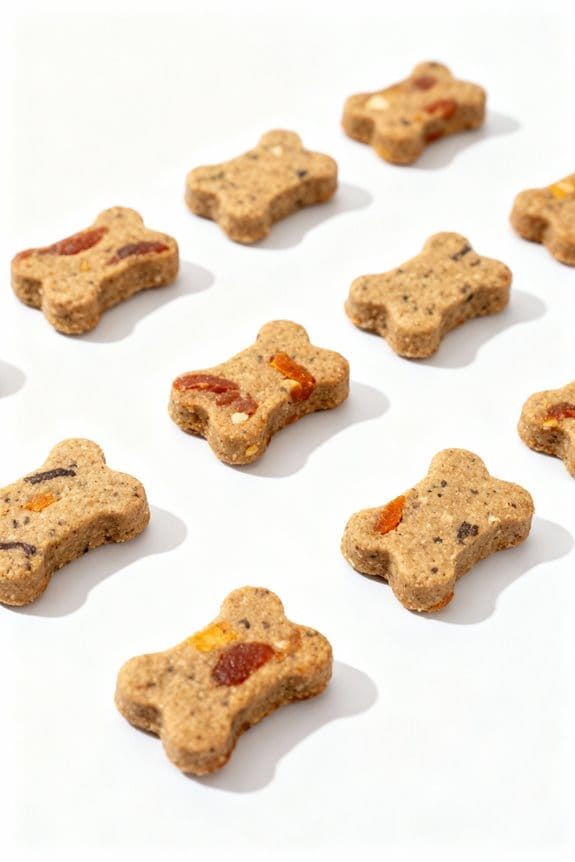
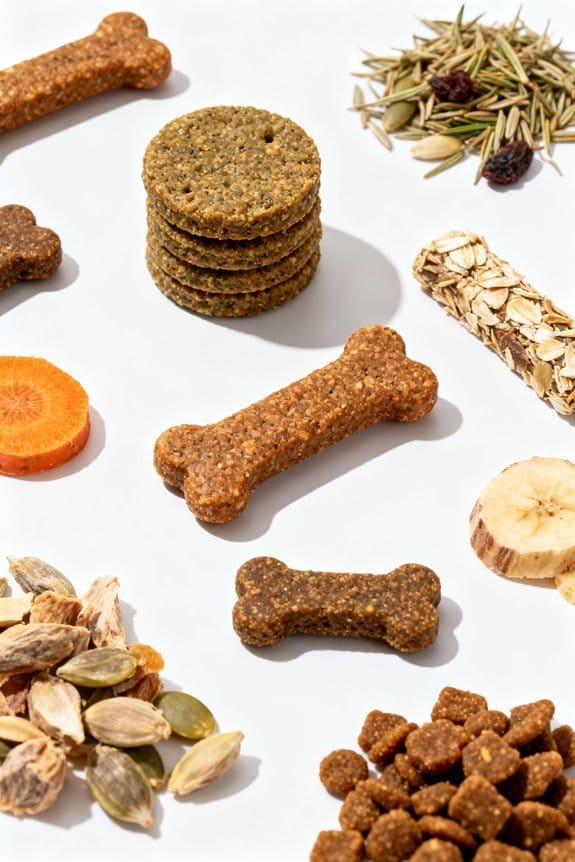
Grain-free training treats are dog rewards formulated without common grains like wheat and corn, instead using alternatives such as sweet potatoes, peas, and legumes. Such grain-free treats often use protein sources, and they are higher in protein to motivate dogs during sessions. Why choose them for training treats, and how do they differ from standard formulas with common grains? For dogs with sensitivities, these recipes can reduce allergic reactions and digestive issues, a health benefit, improving focus and response during practice. Ingredients lists tend to be simple, so owners can verify high-quality ingredients, understanding the benefits and protein sources used. Many options are low in calories, designed for frequent rewards without contributing to weight gain, and allow repeated practice without reducing overall diet quality. When considering training and socialization tools, it is essential to choose items that reinforce positive behavior while ensuring the well-being of your pet.
Health Benefits and When to Use Them

Three primary health benefits make grain-free training treats a practical choice for many dogs, reducing allergens, improving digestion, and aiding weight control. Grain-free dog treats often use high-quality proteins and simpler ingredients, which are easier for dogs to digest and support improved digestion during training. For dogs with sensitive skin irritation or food sensitivities, these treats can reduce allergic reactions, so training remains comfortable and consistent. Can they help keep weight steady during active routines? Yes; lower carbohydrate calories help maintain a healthy weight, reducing reward portion sizes without losing motivation. To maintain the best results, proper maintenance and routine replacements are essential when using grain-free treats to ensure they remain fresh and effective. Owners should consult with your veterinarian before major diet changes, especially for dogs with medical conditions, and consider specific scenarios, such as puppy growth, senior metabolism shifts, athletic conditioning needs and recovery.
Choosing the Right Grain-Free Training Treats
How should owners choose grain-free training treats, considering ingredient quality, portion control, and each dog’s specific needs? Owners should prioritize high-quality ingredients, especially named protein sources such as chicken, beef, or salmon, to supply energy and amino acids for learning. They should assess specific dietary needs and sensitivities, consulting a veterinarian when allergies or medical conditions exist. Choose grain-free options with simple ingredient lists, avoiding artificial additives and unclear by-products, to promote predictable health outcomes. Select small bite-sized pieces, about pea-to-bean size, to allow rapid rewards without overfeeding during repetitions. Compare cost-effectiveness by calculating treats per session, balancing price with nutrient density. Finally, test treats in short trials, observing palatability, digestion, and training response before committing long-term. Adjust portions based on weight and activity. Consider integrating machine-washable items in training to maintain hygiene and ease in cleanup, especially if treats are used in conjunction with toys or training tools.
Transitioning and Training Tips
After selecting high-quality, named-protein training treats, owners should introduce new options gradually, to reduce digestive upset and evaluate preference. Begin shifting by mixing one part grain-free with three parts regular treats, increasing to full grain-free over two weeks. Cut treats into pea-size pieces to avoid overfeeding, and schedule short training sessions after mealtime, when dogs are receptive. Consider using dog training clickers to enhance learning through positive reinforcement during these sessions. How should pet parents monitor outcomes, and what signs require consulting a veterinarian immediately for brief evaluation? Monitor stool consistency, appetite, skin changes, or vomiting, and stop treats if symptoms persist beyond forty-eight hours. Consistency in reward timing and portion control reinforces behavior; trainers should use the same treats in sessions. When shifting from grain-based to grain-free, consult with a veterinarian to adapt the dog’s diet appropriately.
Frequently Asked Questions
Are Grain-Free Treats Better for Dogs?
Sometimes grain-free treats help dogs by improving dog nutrition, reducing grain allergies, supporting digestive health and canine wellness, offering protein sources and ingredient quality for hypoallergenic diets and food sensitivities, aiding weight management; vet recommendations.
What Are the Healthiest Training Treats?
The healthiest training treats are single-ingredient emphasizing healthy ingredients and protein sources, offering low calorie options with natural flavors for dog training, supporting dental health, considering allergenic factors, homemade recipes or store options rewarding behavior.
What Are Grain Free Options?
Like Odysseus, grain-free options include single-protein jerky, sweet-potato biscuits, bites; they offer grain free ingredients, protein sources, allergen alternatives, homemade recipes, store bought favorites, nutrient profiles, dog dietary needs, taste preferences, weight management, digestive health
What Are the Best Grain Free Treats for Dogs?
The best grain-free treats are single-ingredient jerky and sweet-potato biscuits; Treat Ingredients, Dog Preferences, Homemade Options, Size Considerations, Flavor Varieties, Nutritional Value, Training Effectiveness, Digestive Health, Allergen Awareness, Brand Comparisons guide selection for effective training.
Conclusion
Experts recommend grain-free treats with two to five percent fat, single-protein sources, and one to two small bites per five-minute session, for focused training sessions. Should handlers choose chicken, salmon, or limited-ingredient lamb, tailored to sensitivities, or rotate proteins weekly to assess tolerance and prevent flavor boredom and manage allergies? Because clear portioning and gradual progression reduce gastrointestinal upset, trainers will see steadier progress, like a lighthouse guiding consistent behavior change across dog sizes, ages.