As an Amazon Associate, we earn from qualifying purchases. Some links on this site are affiliate links at no extra cost to you. Our recommendations are based on thorough research and editorial judgment.


High-Value Treats for Difficult Training Tasks

High-value treats are aromatic, soft, protein-rich rewards, ideal for difficult training tasks and for heavily distracting environments, because strong aroma and texture boost immediate focus. Use small, pea-sized pieces delivered rapidly for instant reinforcement, offer cooked chicken, beef jerky, cheese or soft sticks, rotate flavors, keep treats under ten percent. Match treat value to task difficulty, give highest-value for new or distracted work, lower-value for repetitions, adjust portions, monitor checks, see examples, portion plans ahead.
Key Takeaways
- Use small, soft, highly aromatic protein-rich treats to capture attention quickly during difficult, high-distraction training tasks.
- Reserve the highest-value flavors (beef, liver, bully stick) for novel or complex behaviors to maximize motivation and success.
- Deliver treats immediately and frequently at the start, then transition to intermittent reinforcement as the behavior solidifies.
- Monitor calories and portion sizes so training treats remain under ten percent of daily intake, adjusting by weekly weight checks.
- Rotate flavors and textures regularly to prevent satiety and sustain engagement across extended training sessions.
What Makes a Treat “High‑Value” for Dogs
You may be interested

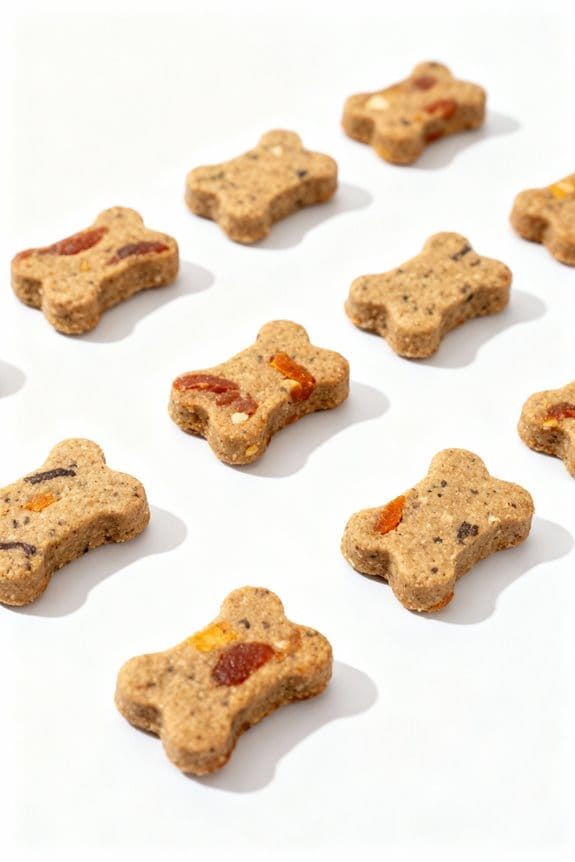
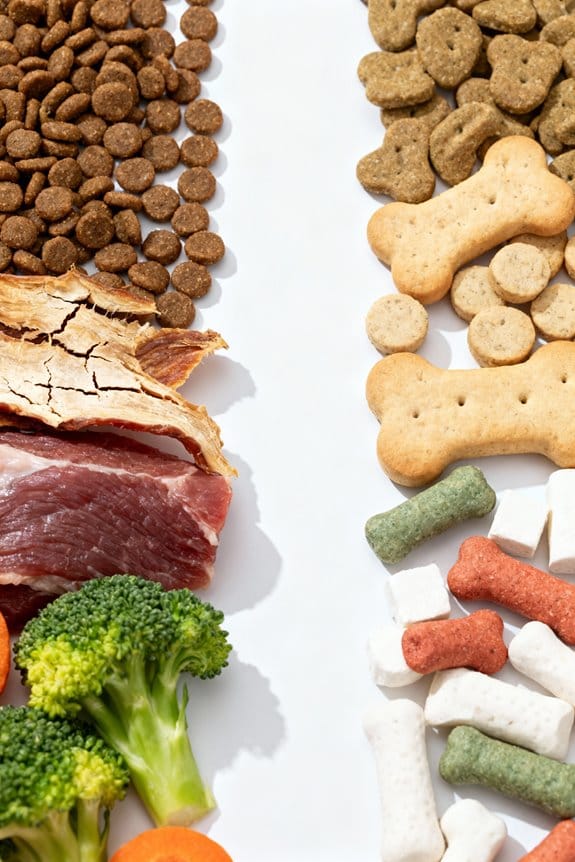
Because scent and texture influence motivation, a high-value treat will usually be aromatic, soft, and easily portioned into small pieces. Trainers recommend high value dog treats that are protein-rich, low in fillers, and composed of quality ingredients for health. What differentiates regular snacks from high-value treats, is aroma strength, palatability, and texture that invites rapid consumption. For complex behaviors, trainers use smaller, more desirable training treats, to reward your dog consistently during repetition. Should handlers rotate flavors and formulations periodically, dogs remain interested, and response rates typically stay higher over time? Effectiveness varies by task difficulty, so trainers escalate treat value when behaviors require increased concentration or longer duration. Dogs often prefer novel textures and flavors, so frequent rotation can thereby prevent boredom. Additionally, selecting collars with reflective features can enhance safety during evening training sessions, making them a valuable consideration for nighttime activities.
Key Features to Look For in High‑Value Treats
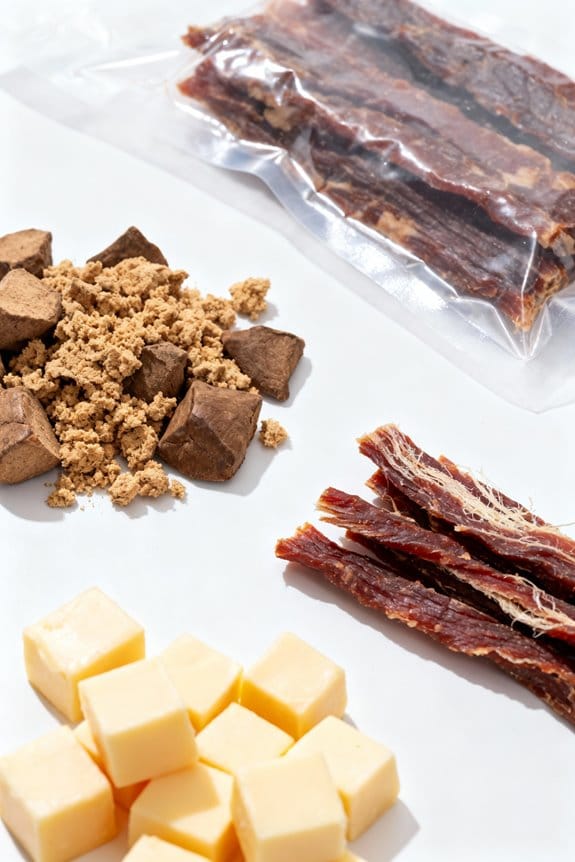
When selecting high value treats, handlers should prioritize strong aroma, soft texture, and nutritional quality to maximize attention and performance. A strong scent draws focus in distracting environments, so choose items that are odorous yet safe and digestible. Should treats be soft or breakable for quick rewards, allowing immediate reinforcement without interrupting flow? Protein-rich options, such as cooked chicken or freeze-dried liver, support health while increasing value during challenging tasks. Handlers should adjust portion size by breed and activity, for example feeding one to three pea-sized pieces to small dogs. Convenient portability matters, carry resealable bags or pre-portioned containers, so training remains efficient in any location. Avoid fillers and low-quality ingredients, since cleaner composition yields better performance and reduces digestive upset during frequent reinforcement. Short leashes typically range from 10 to 25 inches and are used for close control in various training scenarios.
Recommended Products

BEEF FREEZE DRIED DOG FOOD – MINI PATTIES 30 OZ: Complete and balanced raw dog food made with 98% beef, organs, and bone in pre-formed, easy-to-portion patties. High protein, grain free nutrition for dogs of all sizes and life stages

DUCK FREEZE DRIED DOG FOOD – SOFT NIBS 14 OZ BAG: Complete and balanced raw dog food made with 99% duck, organs, and bone in a soft, easy to break apart format. High protein nutrition for dogs of all sizes and life stages
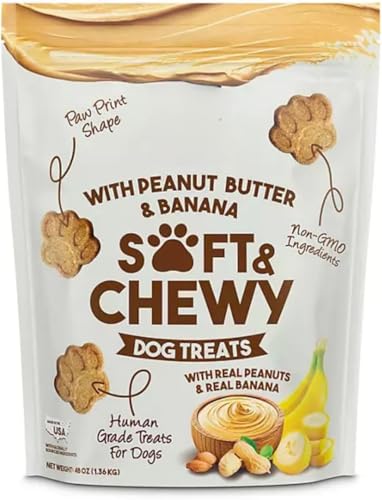
PREMIUM INGREDIENTS: Made with real peanuts and bananas, these human-grade dog treats feature non-GMO ingredients for a wholesome snacking experience
How to Use High‑Value Treats Effectively During Training

After choosing treats for aroma, texture, and nutrition, handlers must apply them strategically during training to shape behavior efficiently and consistently. High value treats, dog training, teaching your dog, rewards your dog—when should they be given, during high-demand tasks or distractions? Because quick reinforcement strengthens learning, use very small, soft pieces immediately after desired action to preserve training flow and timing. Adjust treat frequency and portion relative to meals, replacing 25–50% of daily calories during intensive work, to avoid overfeeding as needed. Properly fitted harnesses are crucial for joint development; avoid poorly fitting options. Should handlers rotate flavors and textures frequently, to sustain interest, or reserve a top favorite for final proofing of complex behaviors? Rotating treats and matching reward value to task difficulty maintains motivation, accelerates acquisition, and improves reliable performance across varied environments consistently.
Recommended Products

PRODUCT DESCRIPTION: Heavy-duty artificial turf grass that is 4 tricolored looking, made of PE "U" model yarn that has a comfortable touch. The two-layered backing is anti-aged PP weave cloth, designed with drain holes for easy water run-off. The back coating is made of styrene-butadiene rubber latex. The pile height is 35 mm, 75 oz/sq yard, gauge 3/8 in.

Healthy Dog Treat - Fully digestible lamb lung is suitable for any size dog
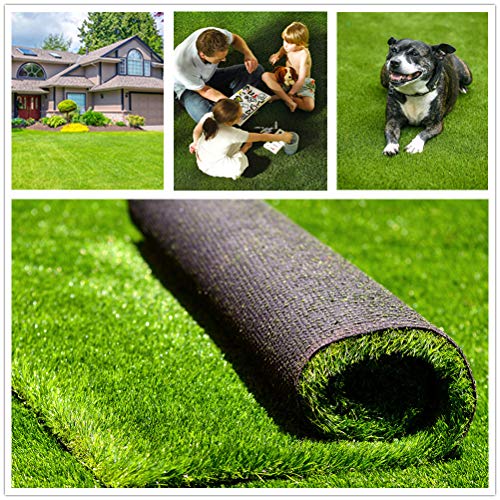
Premium Materials: Our faux grass is made of high quality synthetic material, superior resilience and durability, constructed of the highest quality polyethylene and poly polypropylene yarn, 70 oz total weight per square yard to ensure an extremely high-density artificial grass.
Pawstruck’s Top 5 High‑Value Treats
While handlers choose treats for aroma and texture, Pawstruck’s top five options offer distinct functions for training and recovery. Pawstruck’s Beef Collagen Chews are thicker than bully sticks, they support joints and skin and serve as a calming post-training chew. Bully Sticks, made from 100% natural beef pizzle, promote dental health and accommodate varied chewer styles with straight, braided, and shaped options. Beef Jerky Strips use pure beef esophagus, they provide soft, quick rewards and add chondroitin for joint support during sessions. Bully Slices are thin beef hide strips coated in bully stick gravy, offering a safer chew than rawhide. Himalayan Yak Dog Chews, handcrafted from yak and cow milk, offer long-lasting, odorless protein for strong chewers. They act as training tool, capturing attention. To enhance training sessions, interactive feeding mats can be introduced to promote mental enrichment and slow eating habits.
Matching Treat Value to Training Difficulty and Distractions
Building on Pawstruck’s top five options, handlers should deliberately match treat value to training difficulty and environmental distraction levels. When teaching new behaviors in a quiet room, lower-value treats can reinforce repetitions, but when teaching new cues amid parks or busy streets, high value treats like beef jerky earn focus. How should one scale rewards across training sessions? Begin with very high-value, frequent small pieces for initial learning, then gradually shift to intermittent delivery as reliability increases. Complex tasks like reliable recall or “leave it” demand sustained motivation, consequently prioritize palatable, small bites during heavy distractions. If a dog ignores kibble, switch immediately to training sticks or soft, meaty morsels, to re-establish engagement. This deliberate matching boosts success rates, reduces frustration, and speeds mastery. Interactive and comforting toys can also play a role in keeping the dog engaged during training by reducing anxiety and promoting focus.
Recommended Products

Healthy Bully Sticks for Dogs - Meaty dog treats with a taste and texture dogs can't resist, Thick 12 Inch

Healthy Bully Sticks for Dogs - Meaty dog treats with a taste and texture dogs can't resist, Thick 6 Inch

TRIPLE FLAVOR BEEFHIDE CHEW: Good ‘n’ Fun Triple Flavor Twists are made with long-lasting beef hide, delicious pork hide and premium chicken.
Portion Control, Calories, and Nutritional Considerations
Frequently, handlers must measure and limit training treats, using pea-sized pieces for small dogs and grape-sized portions for larger breeds. Good portion control prevents weight gain, it preserves hunger motivation, and maintains training session effectiveness over time. Treat calories should remain under ten percent of daily intake, for example a 500 kcal dog allowance allows fifty kcal from treats. Adjust regular meal portions downward accordingly, so total daily calories remain balanced, and weight stays stable. Nutritional considerations favor protein-rich, low-filler options, which support muscle and satiety during frequent reinforcement daily. How often should treats be given, depends on session length, dog size, and measurable weight trends recorded weekly? Weight checks guide portion sizes and frequency, ensuring high value treats aid learning without compromising health. To enhance training success, positive reinforcement involves using rewards immediately after successful potty moments, which encourages good behavior and creates a positive learning environment.
Easy Homemade High‑Value Treat Recipes and Tips
If handlers prefer homemade options, they can control ingredients, avoid fillers, and tailor flavors to each dog’s preferences and sensitivities. Homemade high-value treats can be made from peanut butter, pumpkin puree, or pureed fruits and veggies, offering freshness and nutrition. What soft, bite-sized format suits quick rewards, and how many pieces should be used per session? For most dogs, cuts of about 1/4-inch deliver many repetitions without excess calories, and oats with chicken broth create savory, soft batches. Baking at low temperature preserves moisture, prevents hardening, and yields consistent texture for training. Rotate flavors weekly to sustain interest, respond to sensitivities, and evaluate effectiveness. Use simple, easy recipes, homemade treats, and consistent portioning, then monitor daily, adjust flavorings, and record results accurately. For those seeking eco-friendly options, consider using sustainably sourced materials when preparing homemade treats, as this aligns with practices seen in some top-rated puppy training pads.
Recommended Products

FRESH BREATH SUPPORT: Baking soda and calcium work together as your dog chews to help manage everyday bad breath, turning treat time into a simple dental care step that fits daily routines while supporting fresher breath and oral hygiene at home.

TRIPLE FLAVOR BEEF HIDE CHEW: Good ‘n’ Fun Triple Flavor Wings are made with premium chicken, long-lasting beef hide and delicious pork hide.

432-Count (1 CASE OF 12 PACKS OF 36 INDIVIDUAL STICKS)
Customer Insights, Reviews, and Real‑World Success Stories
After experimenting with homemade recipes like peanut butter-pumpkin cubes and chicken-broth oats, handlers often seek external validation from owners. Published customer insights show over 65,000 verified reviews, many describing increased engagement when high value treats were used during teaching sessions. What specific treats proved effective, beef jerky and bully sticks topped lists, and dogs responded more enthusiastically to challenging cues in busy parks and vets? Real-world success stories report a dog previously disinterested became motivated, handlers noted faster recall, steadier focus, and fewer repeated prompts. Owners recommend rotating rewards to prevent boredom, this strategy sustained motivation across weeks, and teaching remained effective around distractions. Review feedback also mentions nutritional quality benefits, improved joint support, and dental health reinforced consistent participation during longer training programs. Incorporating reflective strips in dog harnesses can enhance safety during evening training sessions by increasing visibility.
Frequently Asked Questions
What Are the Best High Value Training Treats?
They recommend freeze dried meat, cheese rewards, peanut butter snacks and small homemade training bites; protein-rich, soft, breakable pieces (pea-sized) are rotated to sustain motivation and prevent overfeeding during challenging exercises and support learning rapidly.
What Kind of Treats Are Good for Training?
Small, highly palatable treats are best for training: homemade treats or store bought options work well, provided treat size is appropriate; flavor variations keep engagement, and occasional higher-value pieces reinforce difficult or new behaviors consistently.
Who Determines if a Training Treat Is Considered High Value?
Owners and trainers determine whether a training treat is high value, using observations of dog behavior, evaluating personal preference and pet personality, and adjusting choices based on training context and ongoing responses during sessions regularly.
What Is the Best Treat to Give a Dog When Training?
The best treat is a small, nutritious and high-protein option tailored to Dog preferences: rotating Treat types and Flavor variety keeps motivation high; trainers should heed Size consideration to easily allow quick rewards without overfeeding.
Conclusion
The trainer recommends high-value treats for difficult tasks, comparing them to tiny rockets of motivation that ignite focus and speed learning, even in noisy environments. Which treats deserve such status, and how should portions, timing, and distractions be managed to guarantee consistent success, while monitoring calories and individual food sensitivities? When matched properly to difficulty, small pieces of liver, cheese, or soft training bites produce rapid responses, reduce frustration, and promote lasting skill retention.