As an Amazon Associate, we earn from qualifying purchases. Some links on this site are affiliate links at no extra cost to you. Our recommendations are based on thorough research and editorial judgment.


Low-Calorie Treat Ideas for Overweight Pets

Owners should choose low-calorie treats for overweight pets, such as five to ten thin apple slices with cores removed, or a cup air-popped popcorn for large dogs. What about protein? Offer 1 oz cooked chicken or white fish portions, unseasoned, to support muscle, at 30–40 calories per ounce. Reserve kibble as treats, keeping all extras under 10 percent of daily calories, and use green beans, raspberries, or homemade low-calorie bites for variety, more guidance follows.
Key Takeaways
- Offer plain apple slices (cored, seed-free) as a low-calorie, fiber-rich substitute for high-calorie biscuits.
- Use raw green beans or a few raspberries for very low-calorie, nutritious snack options.
- Give small portions (1 oz) of unseasoned, cooked lean proteins like chicken, turkey, or white fish for satiety.
- Reserve a portion of daily kibble for training treats to limit extra calories and maintain balanced meals.
- Try homemade low-calorie treats (sweet potato cookies, baked salmon bites) and consult your veterinarian for portion guidance.
An Apple a Day
You may be interested

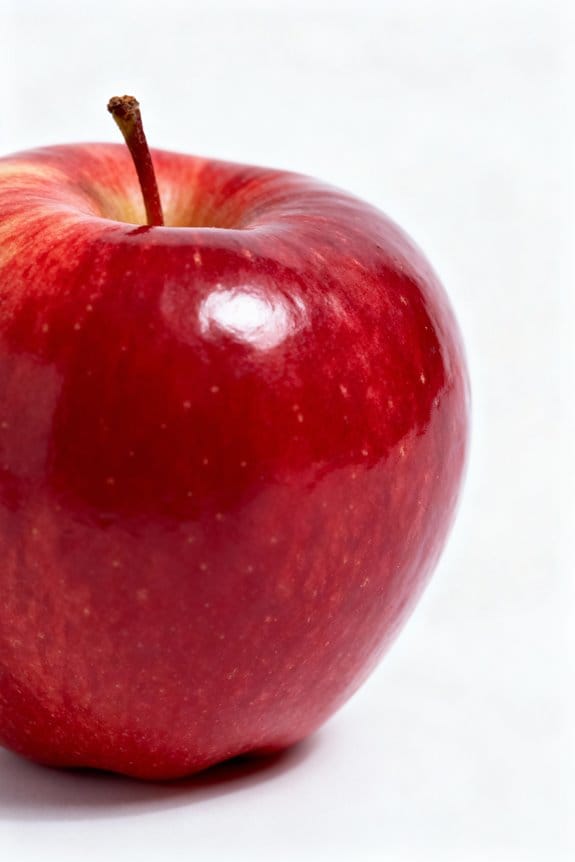
An apple, sliced and cored, can serve as a low-calorie snack, supplying fiber and moisture without added fat. Veterinarians recommend removing core and seeds, and offering measured portions, because treats should remain under ten percent of a dog’s daily calories. Low-calorie treats like apple slices, green beans, or raspberries provide fiber and volume, which helps an overweight pet feel satisfied between meals. How many slices constitute a reasonable snack, for example, five to ten small wedges could replace a high-calorie biscuit and reduce daily intake. Owners should calculate treat allotments, monitor weight trends, and prioritize whole foods over processed options, to progress toward a healthy weight steadily. Durability of products ensures longevity and consistent use in managing a pet’s health needs. Consult a veterinarian, who can tailor portions and recommend low-calorie treats appropriate for the dog’s calorie needs.
Protein, Protein, Protein

Cooked chicken breast, white-fleshed fish, or lean turkey breast provide high-quality protein, low fat, and few calories per serving. High-protein, low-fat snacks support muscle retention during a weight loss plan, 1 ounce portions provide about 7-8 grams protein and 30-40 calories. All protein sources must be cooked and unseasoned, to avoid toxic ingredients and digestive upset. Liver and cooked fish serve as occasional sources of essential nutrients, but should be limited to small amounts, for instance one teaspoon for small dogs. How should portion sizes be monitored? Weigh treats or measure a portion of your pet’s serving, track calories daily, and adjust main meals accordingly. Protein-rich snacks increase satiety, reduce begging, and help adherence to a low-calorie dog treats regimen. Consult a veterinarian regularly. Additionally, when selecting chew toys, opt for durable and non-toxic materials to ensure your pet’s safety while maintaining their oral health.
Nibble on Kibble

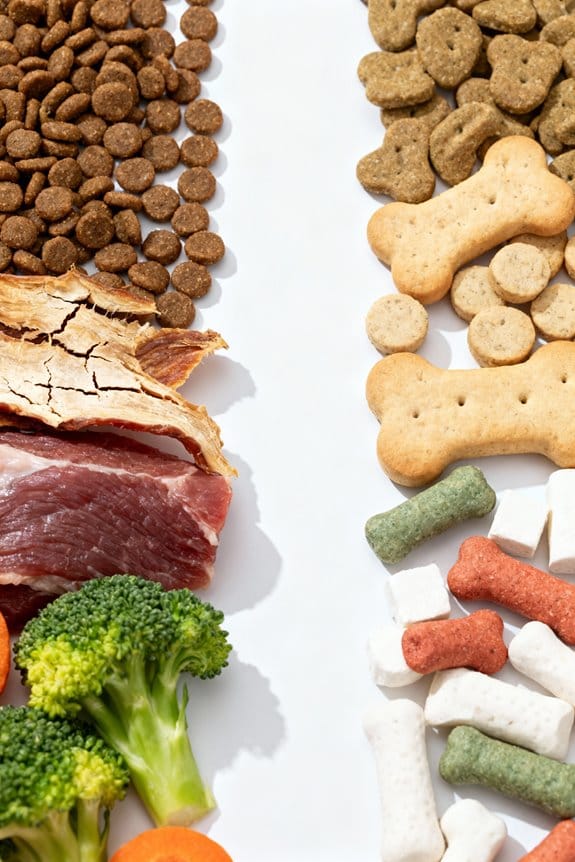
Several pet owners reserve a portion of daily kibble as treats, which preserves diet balance while reducing extra calories and begging. This strategy lets handlers nibble on kibble during training, it keeps a dog’s daily meal plan intact, and limits snacks. How many pieces are safe, ten to twenty, or measured by calories per treat, depends on size and energy needs? Aim to keep all treats, including kibble, under ten percent of total intake, calculate using calories per cup or piece. For overweight or obese patients, reduce treat allotment further, substitute part of daily ration for low in calories options during play. Dispense kibble gradually, it slows eating and reinforces behavior, so monitoring portions prevents accidental overfeeding and weight regain. Measure, record, adjust regularly. Ensure leashes are compatible with head halters or harnesses, keeping in mind the strength ratings for safe usage.
Pup-Corn, Anyone?
How much popcorn is appropriate depends on the dog’s daily caloric needs, but air-popped kernels provide a low-calorie option at about 35 calories per cup. As a low-calorie snack, popcorn can replace high-calorie treats during training, giving precise portion control, and helping manage daily intake for weight reduction. Practitioners should verify popcorn is plain, without butter or salt, because added fats increase calories and harm digestion. How many cups can one give your dog safely, given size and activity level? For small dogs one-quarter to one-half cup may suffice, while larger dogs may receive one to two cups intermittently, as a supplement. Introduce popcorn gradually, monitor reactions, and adjust portions to support steady weight goals. Consult a veterinarian for individualized daily feeding recommendations. Additionally, it’s important to consider the size suitability of treats similar to how dog potties are chosen based on dog size, ensuring the portions align with the pet’s specific needs.
DIY Low-Calorie Treat Recipes
After offering low-calorie snacks like air-popped popcorn, owners can also carefully prepare homemade recipes that control calories and nutrients precisely. Sweet potato cookies, for example, provide about 14 to 15 kcal per cookie, making them a fiber-rich option for control. Baked salmon roll-overs, using salmon and oat flour, contain about 23 kcal each, supplying protein without excess fat that promotes weight gain. Quiche bites, made from minced vegetables and eggs, average near 11 kcal per bite, offering nutrient density with minimal calories for frequent treats. Adding unsweetened pumpkin, about 13 kcal per half cup, enriches pet treats with fiber and moisture, reducing caloric density. Whether it’s a consistent routine or choosing the right low-calorie treats, understanding your pet’s dietary needs can significantly enhance their overall health and well-being. Which combination meets a pet’s needs, depends on size, activity, and veterinary guidance?
Recommended Products

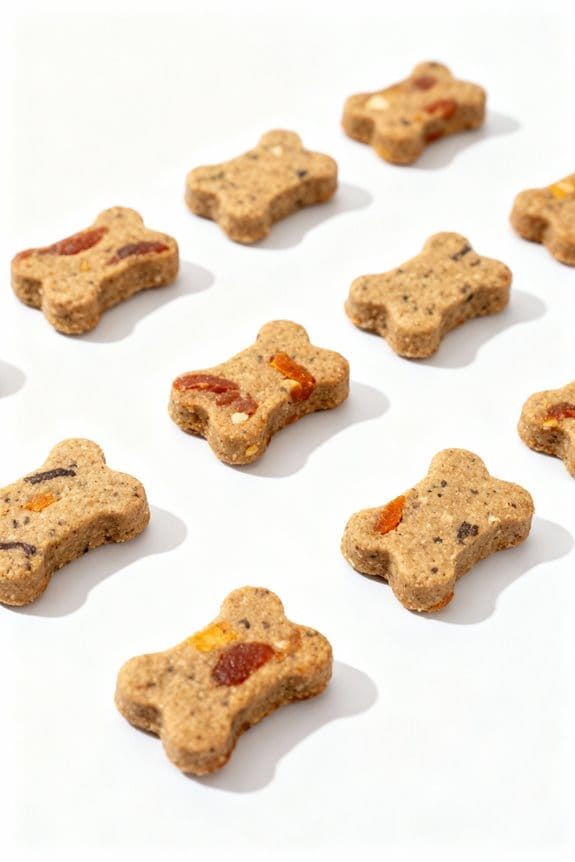
Varied And Natural Lamb Ears - No two ears are alike, giving your dog a different challenge and flavor every time. These treats satisfy your dog's natural instincts to chew and explore.

#1 Ferret Diet Sold Worldwide

SUPPORT DIGESTIVE HEALTH FOR SENSITIVE STOMACHS: Grain-free and vegan, our pumpkin and sweet potato dog treats are packed with natural fiber to promote healthy digestion and regular bowel movements—perfect for dogs with sensitive stomachs, food allergies and a low fat diet.
How to Use Treats in Weight Management
Many pet owners should limit treats to no more than 10% of a dog’s daily calories, to prevent weight gain and support weight loss. Treats become part of a deliberate weight management plan, they should be counted toward daily totals and adjusted as body weight changes. Use low-calorie treats like baby carrots and green beans during training, they satisfy cravings without adding excess weight or many calories. Reserve a portion of daily kibble as measurable treats, this permits reinforcement without exceeding caloric needs. How often should progress be checked? Regular weight evaluations every four weeks reveal trends, and enable portion or activity adjustments as needed. Combine treats with increased activity, consistent feeding schedules, and veterinary guidance for effective, sustainable weight control. Reflective features improve nighttime visibility for safer evening walks, which can encourage more outdoor activity as part of a balanced weight management plan. Monitor, adjust, repeat.
Frequently Asked Questions
What Kind of Treats Can I Give My Overweight Dog?
They can receive low-calorie fruits, steamed vegetables, lean cooked protein and small commercial low-calorie treats; employ healthy snack alternatives, portion control strategies, interactive feeding ideas, homemade treat recipes, and essential nutrient considerations to guide choices.
What Can I Give My Dog as a Low Calorie Treat?
An owner offers baby carrots, green beans, blueberries, boiled chicken, canned pumpkin, or sweet potato snacks low calorie treats. Include Healthy Snack Options, Homemade Treat Recipes, Low Calorie Ingredients, Portion Control Strategies, Interactive Feeding Games.
What Can I Feed My Overweight Dog to Lose Weight?
60% of dogs are overweight; owners should feed reduced-calorie balanced diets, emphasizing healthy meal options, portion control tips, exercise strategies, homemade treat recipes, and vet consultation advice to guarantee safe, sustainable weight loss for longevity.
What Is the Least Fattening Dog Treat?
The least fattening dog treat is typically very low-calorie options such as low fat biscuits, yogurt drops, vegetable chews, freeze dried meats, or plain fruit slices, chosen in portion-controlled amounts for training and snacks daily.
Conclusion
Pet owners should offer apple slices as one to two small pieces, provide cooked, skinless chicken at five to ten grams per treat, daily maximum. Reserve kibble for measured training portions, create consistent servings, count calories precisely, and use low-fat commercial treats at ten calories or fewer when possible, only. Should treats be applied as rewards, training aids, or meal replacements when necessary, and if overused, will they impede weight loss, so track intake regularly?