As an Amazon Associate, we earn from qualifying purchases. Some links on this site are affiliate links at no extra cost to you. Our recommendations are based on thorough research and editorial judgment.

Teaching Your Dog to Respond to Whistle Commands

An effective whistle program uses simple, consistent signals, one sharp blast for sit, three rapid toots for recall, and two blasts to change direction. Train in distraction-free areas, pair signals with treats or two minutes of play, and repeat each pattern at least 50 times across distances of 5, 15, and 30 meters. Use a clear high-pitched whistle suited to terrain, avoid over-whistling, and increase distractions gradually, and further guidance follows for advanced scenarios later.
Key Takeaways
- Choose a consistent, high-quality whistle (e.g., ACME 211.5) and assign distinct patterns for each command.
- Begin in a distraction-free area, pairing whistle signals with verbal cues and immediate high-value rewards.
- Train each whistle pattern for at least 50 repetitions, gradually increasing distance and distractions.
- Use sharp toot for sit, three rapid toots for recall, and two toots for quartering, reinforcing with treats or play.
- Avoid over-whistling, monitor the dog’s health and stress, and adjust training intensity if responses decline.
Why a Whistle Beats the Voice for Long-Range Control
You may be interested
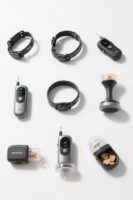
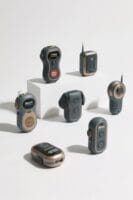
How far can a small, handheld whistle carry, and why does that matter for long-range dog control in open terrain? A whistle can be heard hundreds of meters away, it often outperforms the human voice in fields, forests, and hills. Why choose a whistle over shouting in wind or over water? Because dog whistles produce distinct pitches dogs detect more clearly, they reduce miscommunication and improve response rates. Handlers use whistle commands to communicate with a dog without fatigue, they maintain consistent tone despite stress or distance. In dog training, this long-range communication simplifies recall, it lowers physical strain and counters background noise that masks vocal commands. Practical scenarios include hunting, search work, and open-area play, each showing clear distance and clarity benefits daily. Choosing the right whistle, such as the ACME 211.5 model designed for larger breeds, can significantly enhance training effectiveness and ensure reliable communication over long distances.
Whistle Command System: Blasts, Lengths, and Meaning
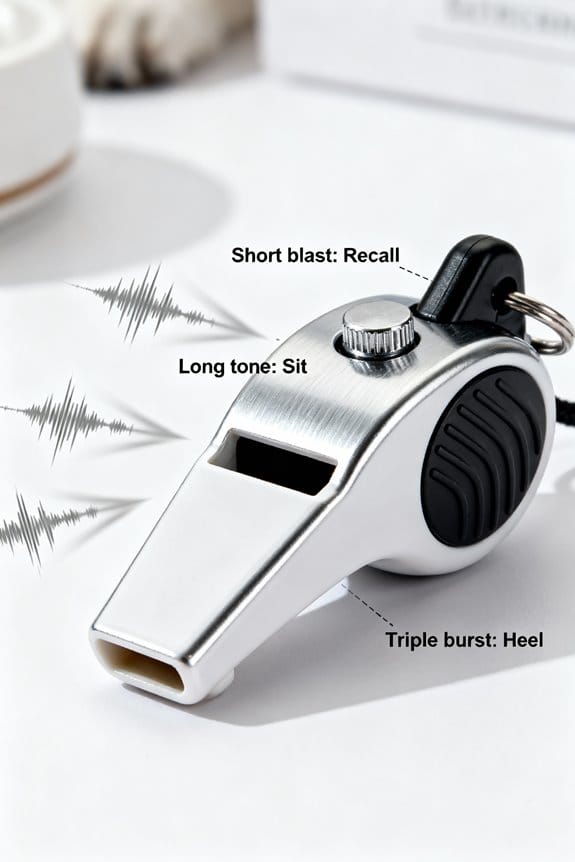
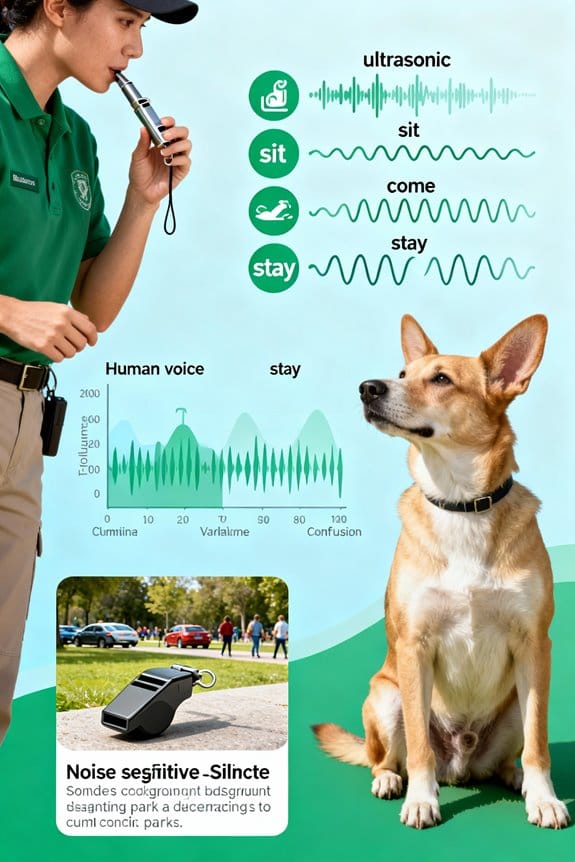
Although handlers work with a simple set of signals, a consistent whistle vocabulary transforms distant cues into reliable behaviors across varied terrain and conditions. One sharp toot signals “sit,” serving as a whistle command that expects immediate stillness. Three rapid toots mean “come,” prompting a fast return, and they reinforce recall at distance. Two toots indicate quartering, directing a change of search direction during retrieves and tracking efficiently. A soft, long toot signals a calm close, guiding the dog back without urgency or stress. Trainers must practice these whistle sounds consistently, because repetition reduces confusion and strengthens responses. How should a handler begin, with a first dog in a pack during initial lessons? Consistent training helps control of your dog, and effective methods train dogs reliably. For those considering remote training collars, opting for multiple non-shock modes like beep, vibration, or tone can enhance training while ensuring humane treatment.
Recommended Products
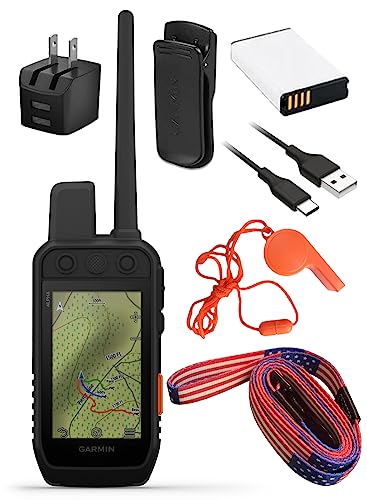
IN THE BOX: 1x Alpha 300i handheld with rechargeable lithium-ion, 1x battery pack, 1x belt clip, 1x AC adapter, 1x type-A to type-C USB cable, 1x Wearable4U Whistle and Leash

IN THE BOX: 1x Alpha 300 handheld with rechargeable lithium-ion battery pack, 1x belt clip, 1x AC adapter, 1x type-A to type-C USB cable, 1x Wearable4U Whistle and Leash

Train Your Dog Easily – Make the process of training your dog essential discipline simple with the Mini Educator waterproof dog training collar kit. It will allow you to teach your dog essential skills that make it a friendly and peaceful dog.
Choosing the Right Whistle for Your Dog and Terrain
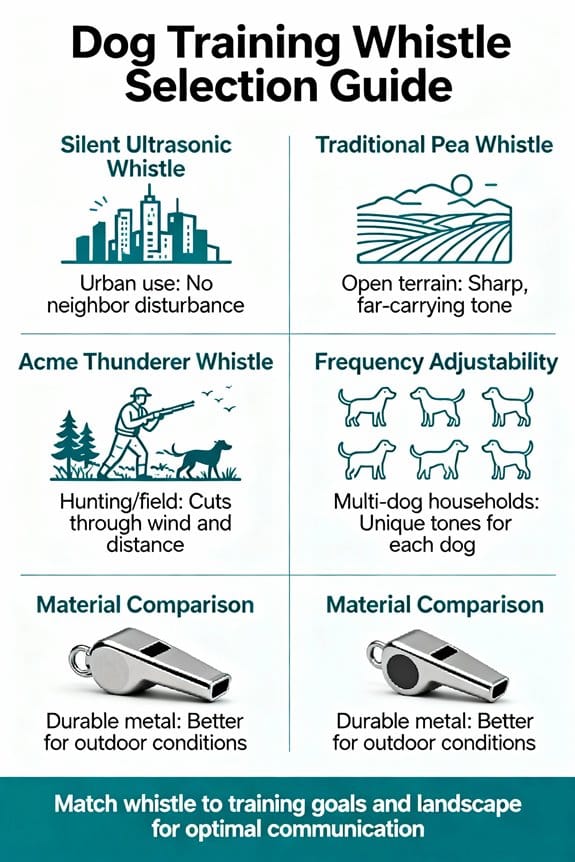
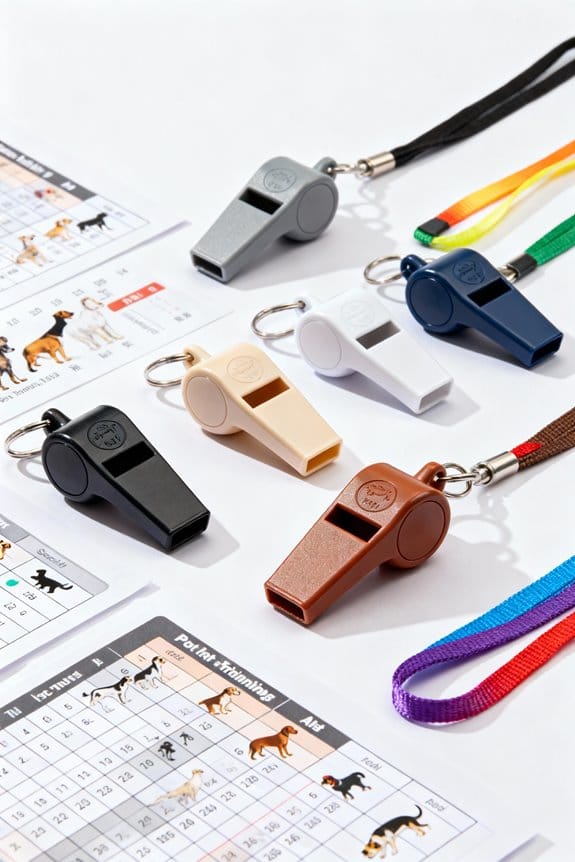
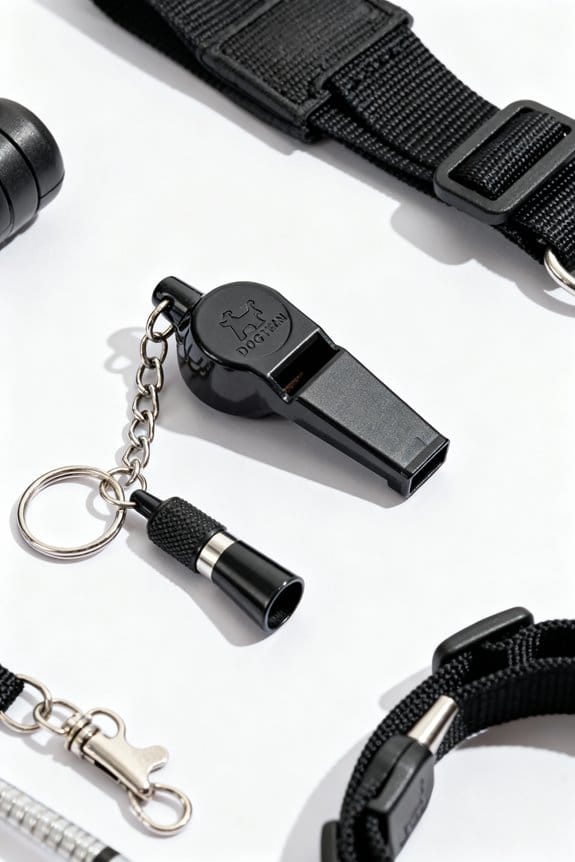
When training across varied terrain, a handler should select a whistle that balances range, tone, and durability, considering both dog breed and environment. For close work, the Acme 210.5 suits quiet training with spaniels, while the Acme 211.5 delivers greater distance with controlled volume. Pea-less dog whistles resist freezing in cold weather, they suit gentler communication, and perform reliably across wet, snowy, or rocky terrain. Many trainers prefer high-pitched plastic models because they carry farther, and they reduce the risk of cold metal injuring a handler’s lips. Ultrasonic options can reach up to 2,000 meters for long-distance communication during training sessions. Should a handler carry a back-up whistle, and choose quieter models for close-range training, louder ones for wide-open hunting? Proper selection, tailored to breed and terrain, guarantees consistent signals, reliable recall, and safer field communication in practice.
Recommended Products

Precision Dog Training Whistles – 100% UK Made: Crafted in the UK from lightweight alloy by a British heritage family business. Precision machined and hand finished to produce clear, multi-tone commands – a complete whistle language for greater control than single-tone whistles.

Premium 304 Stainless Steel UK Made Construction: The Logan 304 Sheepdog Whistle is precision machined in the UK from a single piece of high-quality stainless steel and hand finished for maximum durability and performance. Built for professional use, it delivers long-lasting reliability in all training environments.
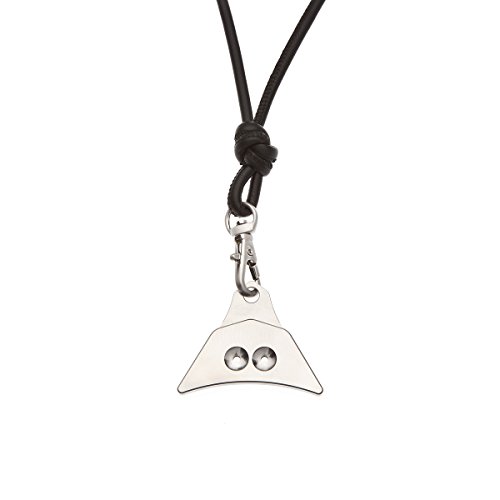
Premium Stainless Steel Dog Training Whistle – 100% UK Made: Crafted in the UK from superior quality solid stainless steel by Logan Whistles, a British heritage family business. Precision engineered to deliver excellent sound projection and reliable whistle commands for professional dog handling and training.
Preparing Your Dog: Health, Focus, and Early Foundations
Before beginning whistle training, a handler should guarantee the dog is healthy, fit, mentally prepared, and ready to learn. A regularly scheduled veterinary wellness exam, for example at seven or eight weeks and again before intense sessions, identifies issues that undermine focus or stamina. When should training begin, at seven to twelve weeks or a little later depending on breed, size and maturity? Early foundations form by pairing whistle commands with meals, walks, or short play and praise, creating positive associations that boost recall. In initial sessions, adding simple verbal cues alongside the whistle clarifies timing and intent, and reinforces learning consistency. Training sessions should be short, ideally between 3 to 5 minutes, to maintain the dog’s focus and avoid fatigue. Training should occur in a calm, distraction-free area first, then gradually and safely progress to busier settings as reliability and attention improve.
Step-By-Step Recall Training With a Whistle
Begin recall training indoors, in a quiet room free of distractions, pairing a single, clear whistle tone with high-value treats or brief play. The instructor pairs the whistle for dog practice, instructs owners to use a whistle with a voice command, rewarding immediate returns. This approach reinforces the desired dog back response, and builds a strong recall association through treats and brief play. Start at one to three meters, gradually increasing distance to ten meters, while maintaining high-value treats or short play sessions. When moving outdoors, introduce light distractions first, measure success rates, and only advance when recalls exceed eighty percent reliability. If dog whistle training elicits no response, stop whistling immediately, avoid reinforcing failure, and return to quieter conditions. Ultrasonic dog whistles, which emit frequencies between 15KHz and 45KHz, are particularly effective for training as they are inaudible to humans. Use five to ten.
Recommended Products

Precision Dog Training Whistles – 100% UK Made: Crafted in the UK from lightweight alloy by a British heritage family business. Precision machined and hand finished to produce clear, multi-tone commands – a complete whistle language for greater control than single-tone whistles.

LONG range and Long Battery LIFE. The My Pet Command high quality training Kit can be used remotely, using the comfortable handheld remote to assist in everyday training. With a range of up to 1.25 Miles (6600Ft /2km) in open terrain, allows you to train your dog to heel, stay, or return making it as simple as pressing a button with Long Battery Life

Long Battery Life: Utrum anti barking device for dogs features a built in 1500mAh rechargeable battery that works up to 30 days after a full charge, reducing frequent charging hassle for busy pet owners. This dog bark deterrent control device is lightweight, portable, and easy to hang on fences, trees, tables, or dog houses for indoor and outdoor use
Teaching Directional and Stop Commands by Whistle
Whistle signals should be distinctly patterned, for example a two-short-blast rhythm to indicate “Go Left” and a single-long-short sequence for “Go Right”, allowing clear differentiation. Trainers begin directional commands in quiet area, using different whistle sound patterns, and pairing each with body gestures and movement cues. Which rhythm indicates which direction must remain consistent, so the dog can form a clear association. The stop command uses a steady straight tone, repeated until the dog to stop, then rewarded immediately. Positive reinforcement, like treats or praise, follows each correct response, strengthening the association between sound and action. Veterinarian consultation is recommended when selecting a whistle to ensure it aligns with your dog’s specific needs. Training sessions should be short, frequent, and focused, with ten to fifteen repetitions per session, before slowly introducing distance. Consistent practice guarantees reliable responses, and clarity reduces confusion.
Recommended Products
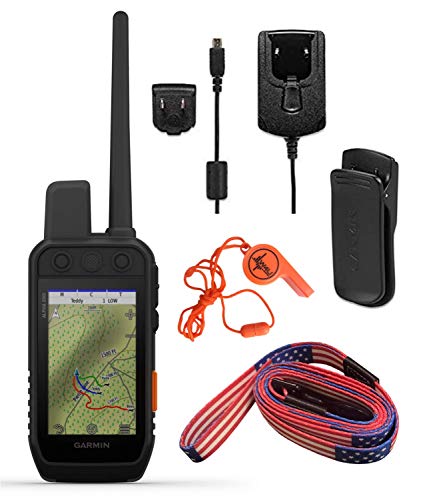
IN THE BOX: 1 x Garmin Alpha 200i handheld with rechargeable lithium-ion battery pack, 1x Belt clip, 1 x AC adapter, 1 x microUSB cable, 1 x Wearable4U Whistle and Leash

Precision Shepherd’s Dog Training Whistle – 100% UK Made: Crafted in the UK from solid musical instrument grade lead-free brass by Logan Whistles, a British heritage family business. Precision made to deliver clear and reliable whistle commands for professional shepherding and dog training.

High-decibel, low-frequency sound for dog training.
Gradually Increasing Distance and Distraction
Increase distance in measured increments, moving from a quiet, enclosed room to a backyard, then to a small park over several weeks. The trainer should first use a consistent whistle command in a calm space, three to five short blasts, to establish expectation and reward immediately. Next, extend distances gradually, adding five to ten meters per session, ensuring successful returns before proceeding further. Introduce distractions slowly, beginning with a single person or toy, then two or three simultaneous stimuli, reinforcing response to the same whistle. Practice in multiple locations twice weekly, varying terrain and background noise, to generalize behavior. Padded handles provide comfort to handlers during prolonged walks and reduce strain on hands, particularly during sudden pulls. How will the dog cope with increased complexity? If progress stalls, reduce distance or distractions, then rebuild success incrementally. Record sessions, analyze results, adjust accordingly.
Common Problems and How to Fix Them
Address common setbacks directly, by identifying whether the issue stems from association, signal clarity, or environmental distraction, then apply targeted adjustments. If the dog will not respond, reinforce a strong positive association by pairing 5–10 immediate treats or two minutes of play after each correct whistle, and repeat until consistent. Are whistle signals too similar, or are commands introduced too quickly? Use distinct three-note patterns, train each for at least 50 repetitions before adding another, and avoid over-whistling which rewards ignoring. Begin training in a distraction-free room, then add one distraction at a time, testing at 5, 15, and 30 meters for distance recognition. Consider a higher-pitched whistle if the dog misses long-range signals, and always return to basics when reliability drops, periodically reassess. Use with Caution when employing training tools like chain choke collars to ensure safety and effectiveness during training sessions.
Recommended Products
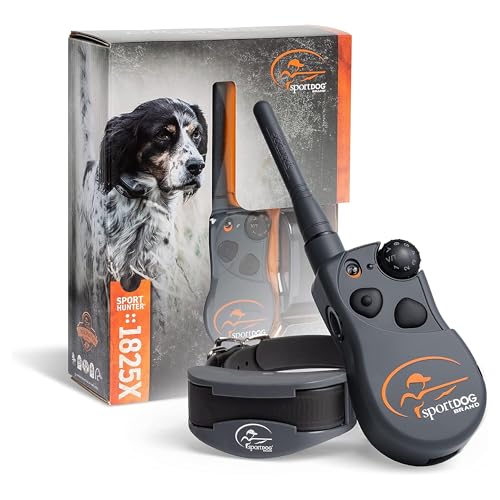
Maximize Training Reach: The SportDOG SportHunter Remote Trainer provides a long-range signal unit and adjustable training collar with a 1-mile range for total field control
![Dogtra 280X E-Collar with Remote [New Edition] 10 lbs+, 1/2 Mile Range, LED Light, 100 Levels of Precise Control for Stubborn Dogs, Waterproof, Boost for Quick Recall, Vibration, Safety Lock & Tone](https://m.media-amazon.com/images/I/51iM7b8iAPL._SL500_.jpg)
EFFORTLESS CONTROL: Never miss a teaching moment by fumbling with buttons. Our front-and-center main button ensures you always hit the right moment, supported by 100 precise correction levels and a large, easy-to-read screen.
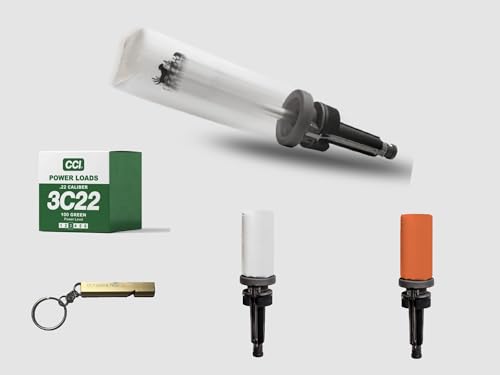
Propels retrieving dummies with .22 cal blank power loads, simulating hunting scenarios with a realistic "BANG" sound.
Frequently Asked Questions
How to Train a Dog to Respond to a Whistle?
They train a dog to respond to a whistle by associating sound with rewards, leveraging whistle training benefits, practicing effective whistle techniques, mastering timing whistle commands, building recall reliability, increasing distractions, and using treats effectively.
What Is the Hardest Command to Teach a Dog?
The ‘come’ command—the owner’s terrier ignored fireworks during a picnic—remains the hardest command to teach, reflecting dog behavior, training challenges, breed differences, and prompting practical teaching tips for consistent recall and positive reinforcement across contexts.
How to Train a Dog to Recall Using a Whistle?
A trainer uses whistle training techniques, pairing the sound with rewards, applying recall training tips and positive reinforcement methods, progressing to outdoor training sessions while building dog focus through gradual distractions and distance and patience.
What Are the 3 C’s of Dog Training?
The 3 C’s are Consistency, Clarity, and Control. It emphasizes Consistency Techniques, clear Communication Signals, fair Correction Methods, systematic Conditioning Exercises, and understanding Canine Psychology to create reliable responses and maintain handler authority over time.
Conclusion
The whistle system provides precise long-range control, produces consistent signals, and reduces confusion compared to voice in open terrain. Worried a whistle will frighten the dog? Controlled desensitization, calm reinforcement, and practice sessions prevent fear and build trust. Imagine three short blasts for recall, one long blast to stop, and varied lengths indicating left or right direction. Consistent pairing with rewards strengthens response reliability, so handlers regain effective control across distances, distractions, and varied terrain.