As an Amazon Associate, we earn from qualifying purchases. Some links on this site are affiliate links at no extra cost to you. Our recommendations are based on thorough research and editorial judgment.

Teaching Multiple Pets Different Whistle Signals

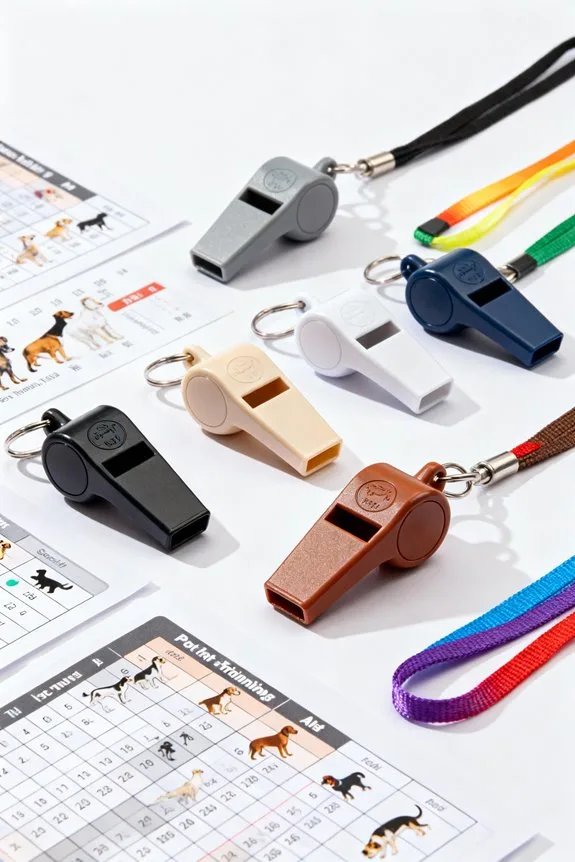
One whistle system can train three to five pets, using distinct patterns for each, such as single blast for Bella’s recall, triple blasts for Max’s sit, and a sustained two-second tone for Luna’s stay. How should sessions be scheduled, and what reward timing works best? Train individually for five to ten minutes, three times daily, combine dogs gradually, increasing distance and distractions, and use immediate treats or play for correct responses, progress to advanced techniques.
Key Takeaways
- Assign each pet a distinct, consistent whistle pattern (tone, length, or number of blasts) and pair it with their name for clear association.
- Use loud, durable, pea-less whistles with distinctive tones so signals remain clear across distances and varying weather conditions.
- Train individually in short 5–10 minute sessions, repeating the assigned whistle, rewarding correct responses immediately with treats, praise, or play.
- Gradually add distance, distractions, and group practice, maintaining unique individual signals plus a separate collective recall whistle.
- Schedule multiple daily sessions in varied locations and maintain identical pitch and timing to prevent context dependence and ensure reliable responses.
Benefits of Using One Whistle for Multiple Pets
You may be interested



Consistency is essential, as using one whistle for two to five dogs helps trainers maintain uniform cues across different personalities and environments. Trainers report that a single tone accelerates learning, because each dog associates precise whistle commands with actions, improving recall. How does this approach benefit group sessions, and why choose uniform cues when managing multiple dogs during off-leash exercises and outings? Using one whistle reduces overlapping signals, so handlers avoid conflicting directions, enabling clearer expectations and smoother coordination among two to five animals. For example, three dogs can learn sit, come, and stay with standardized sound patterns, which simplifies progression and measurable assessment. Standardization consequently streamlines training, reduces complexity, and fosters coordinated responses, making sessions more efficient and safer for handlers and dogs. A standardized frequency provides consistent training cues and withstands different weather conditions, ensuring effective training and recall commands.
Choosing Distinct Whistle Patterns

After standardizing one whistle for group cohesion, trainers should assign distinct whistle patterns to each dog, preventing command overlap and confusion. Trainers might choose a short, high-pitched blast for one dog, and a longer, lower tone for another, providing clear auditory separation. How can trainers guarantee reliability? By pairing each distinct whistle consistently with a specific command, and by saying the dog’s name, recognition becomes stronger. Regular individual practice sessions, lasting five to ten minutes daily, solidify associations, and reduce mistakes during group work. Using three short bursts for recall, versus a single sustained note for sit, creates contrast, so responses remain predictable. Consistency causes faster learning, and careful variation avoids masking between dog whistles in group drills, while handlers preserve clear timing consistently. Trainers can enhance the visibility of commands by incorporating reflective collars during nighttime training sessions, ensuring that visual cues complement auditory signals.
Assigning Commands to Each Pet
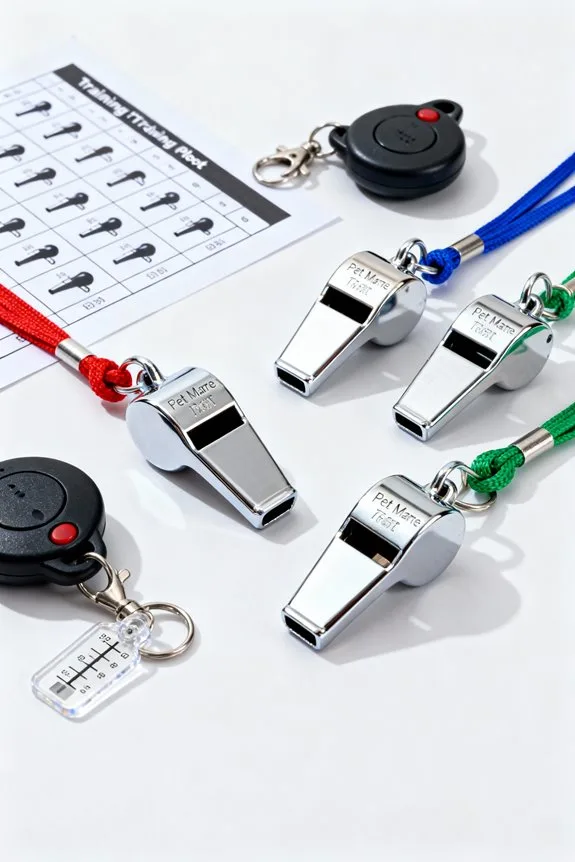
Each dog should receive a unique whistle pattern, tailored to temperament and drive, to prevent confusion and improve response. The trainer recommends assigning commands by temperament, for example one high-energy dog gets a rapid triple tone, one calm dog receives a sustained single tone. Train each pet individually five to ten minutes, repeat three times daily, then combine dogs together in group trials. Incorporate each name into the whistle command, say “Max” then the tone, to strengthen association and recall. Maintain consistent pitch and duration for each cue, because variability slows learning and increases overlap between signals. What benefits arise when signals are distinct, predictable, and well-practiced, across solo and group training scenarios? Clear identification, faster response, and safer, improved multitarget control result.
Recommended Products

Train Your Dog Easily – Make the process of training your dog essential discipline simple with the Mini Educator waterproof dog training collar kit. It will allow you to teach your dog essential skills that make it a friendly and peaceful dog.
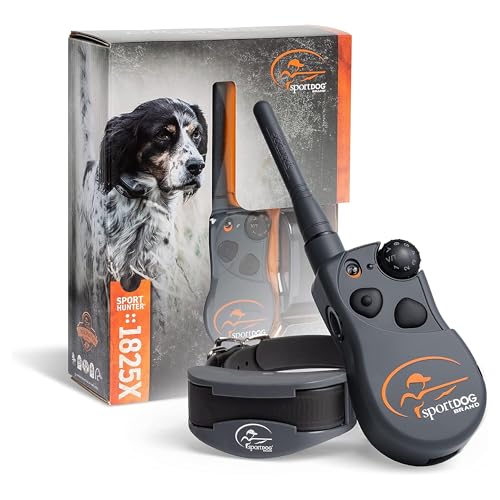
Maximize Training Reach: The SportDOG SportHunter Remote Trainer provides a long-range signal unit and adjustable training collar with a 1-mile range for total field control
![Dogtra 280X E-Collar with Remote [New Edition] 10 lbs+, 1/2 Mile Range, LED Light, 100 Levels of Precise Control for Stubborn Dogs, Waterproof, Boost for Quick Recall, Vibration, Safety Lock & Tone](https://m.media-amazon.com/images/I/51iM7b8iAPL._SL500_.jpg)
EFFORTLESS CONTROL: Never miss a teaching moment by fumbling with buttons. Our front-and-center main button ensures you always hit the right moment, supported by 100 precise correction levels and a large, easy-to-read screen.
Establishing Consistent Training Routines
When establishing training routines, the handler should schedule short sessions of five to ten minutes, three times daily, to build familiarity with each whistle signal. Sessions should use the same pitch and number of blasts consistently, so each designated whistle sound triggers precise, trained response. Training starts individually, with commands tailored to temperament, then expands to increased distance, up to fifty meters, to reinforce reliability. Sessions should vary times and locations regularly, introducing distractions gradually, which prevents context dependence and strengthens transfer of learned behaviours. How will handlers maintain engagement when repetition occurs, by adjusting rewards, changing landmarks, and introducing novel cues in structured practice? Dogs learn through consistency and gradual challenges; hence, structured repetition, combined with varied contexts, improves recall and sustained obedience. Additionally, reflective materials are crucial for ensuring safety during training sessions in low-light conditions, helping handlers maintain visibility and control.
Starting With Individual Training Sessions
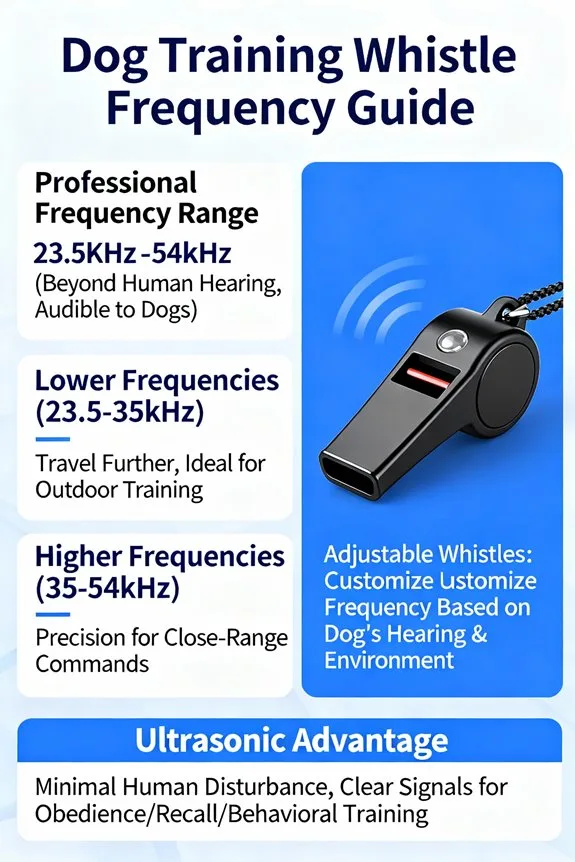
Several short, focused sessions per dog, lasting five to ten minutes, establish the initial association between a unique whistle and a simple command. The trainer introduces one dog at a time, pairs the animal’s name with its distinct whistle, and reinforces sit or come until consistent response occurs. How does gradual distance help learning, and when should the trainer increase space? A whistle pitch should range from 5.4 to 12.8 kHz to match puppy hearing effectively, ensuring the dog can hear commands even at an increased distance. Increase distance by a few meters each repetition, rewarding correct responses and returning promptly to reset expectations. Sessions repeat daily, three to five times, with varied contexts to reduce confusion between pets. The method isolates cues, guarantees clarity, and prevents crossover, so each whistle maps to one behavior reliably. Regular reviews consolidate memory, and errors guide focused remediation for long-term success and consistency.
Introducing Group Training Gradually
Begin group training by running individual exercises in the presence of one or two dogs, allowing each animal to hear its whistle while others are nearby. Trainers assign distinct signals, for example, dog A learns a short burst, dog B a long tone, and One Whistle is reserved for collective recall. How many dogs should be added at once, two or three, to avoid overwhelming responses? Increase numbers gradually, adding one dog after five successful individual repetitions, so attention remains reliable. The instructor uses a separate training whistle for group cues, ensuring the dog hears individual and collective signals clearly, then rewards correct responses. Positive reinforcement, consistent timing, and clear structure, produce dependable behavior under distraction. This method builds reliable cues for multiple dogs. When using positive reinforcement techniques such as clicker training, ensure each pet receives individual attention before moving to group sessions to reinforce desired behaviors effectively.
Managing Overlaps and Conflicting Responses
Although each dog learns best in isolation at first, trainers must plan for overlaps, assign distinct tones, and set clear group rules from the start. They train each dog separately on distinct whistle commands, ensuring each animal learns its pitch without interference from others reliably. Trainers define individual versus group signals clearly, using different pitches or rhythms so dogs know when to act together appropriately. When simultaneous responses occur, handlers immediately reinforce proper behavior, then quickly reteach the distracted dog to ignore unrelated whistles again. Practice includes ten to twenty short repetitions per session, measurable goals like ninety percent respond correctly help trainers evaluate progress. Consistent routines, occasional distractions, and prompt corrections establish expectations; as a result, instructors can manage overlaps effectively while preserving clear cues. For effective training, using quick access to treats can significantly enhance the ability to immediately reinforce desired behaviors during sessions.
Using Positive Reinforcement Effectively
After resolving overlapping cue issues, trainers focus on rewarding correct responses immediately, to reinforce the link between whistle and action. Positive reinforcement, delivered as treats, praise, or brief play, increases motivation and clarifies expectation for each animal. How does one pace sessions to build consistency, without causing fatigue or distraction in dogs training multiple cues? Short sessions of five to ten minutes, repeated three times daily, improve retention, and prevent boredom. Using distinct whistle commands for each dog, trainers reward only the intended recipient, which reduces confusion and speeds differentiation. Recording progress and rewards, by session notes or simple charts, highlights patterns and informs adjustments for handlers. Consistency in timing and reward value produces faster learning, and stronger recall over distance, in varied environments. For effective travel with pets while training, using portable dog crates can provide a safe and comfortable environment, ensuring that dogs are calm and ready to learn in new surroundings.
Selecting and Caring for the Right Whistle
Several trainers prefer a loud, reliable whistle such as the Acme “Thunderer” or a pea-less model, depending on climate and range needs. They recommend metal models for durability and projection, noting metal often outperforms plastic by clarity. Peas can freeze below 0°C, so pea-less designs are preferred in cold, snowy climates outdoors. How should one choose for multi-pet training, by tone distinctiveness or by weather resilience? Select a whistle that produces clear, easily distinguishable tones, assign sequences for each pet, and avoid overlapping signals during sessions. Maintain the device by cleaning after exposure to moisture, removing debris monthly, and storing a backup for outdoor work. Consistent maintenance preserves sound quality, ensuring effective communication during training, and reduces equipment failure in field conditions regularly too. Evaluating difficulty level options is crucial for selecting dog puzzle games that match your pet’s cognitive capabilities, ensuring they remain engaged and challenged.
Frequently Asked Questions
What Is the 123 Method for Dogs?
The 123 method for dogs is a structured whistle commands system using distinct tones (one, two, three) to signal behaviors, taught gradually with positive reinforcement to shape consistent, reliable dog behavior effectively across increasing distances.
What Are the 3 C’s of Dog Training?
The 3 C’s are Consistency, Clarity, and Compassion; like a lighthouse guiding, they offer Consistency reinforcement, distinct cues, and Positive motivation. The trainer fosters Skill progression, support, and reliable, clear signals shaping better canine responses.
What Are the 5 D’s of Dog Training?
They are Duration, Distance, Distractions, Didier’s Commitment, and Dog’s Mastery. This framework guides understanding of dog behavior, shapes training techniques, and structures communication cues to progressively strengthen reliability across time, space, varied environments and contexts.
What Is the Hardest Command to Teach a Dog?
Steady stay: the ‘stay’ command is among the hardest dog commands, presenting significant training challenges; detached observers note consistent reinforcement, patience, and positive obedience techniques are essential for success with impulsive or distracted dogs often.
Conclusion
The trainer recommends three clear whistle patterns, for example short-short, long-short, and single long, to differentiate commands for two to four pets during recall training. Which pet responds to which pattern, and how quickly, depends on consistent sessions of five to ten minutes, repeated two to three times each day? If overlaps occur, adjust pitch or rhythm, for example raise frequency by one semitone or add a pause, and retest in staggered group scenarios weekly.