As an Amazon Associate, we earn from qualifying purchases. Some links on this site are affiliate links at no extra cost to you. Our recommendations are based on thorough research and editorial judgment.

How Many Treats Are Too Many During Training

A good rule is to limit treats to ten percent of a dog’s daily calories, so a 400‑calorie dog gets about 40 treat calories per day. How many treats is that? If commercial treats are five to ten calories each, give four to eight pieces, use low‑calorie options like carrots or green beans to stretch portions. Excess treats cause weight gain and reduced reliability; follow calorie math and body condition, and learn specific strategies below.
Key Takeaways
- Keep treats to no more than 10% of your dog’s daily calories to avoid weight gain and health risks.
- Calculate daily needs with REE: (weight in kg × 30) + 70, then limit treats accordingly.
- Count treat calories during sessions; commercial treats often contain 5–10 calories each.
- Gradually replace frequent treats with praise, kibble, or low-calorie snacks like carrot or green beans.
- Use intermittent reinforcement and shorter sessions to maintain motivation without over-relying on food rewards.
The 10% Rule for Treats
You may be interested

One simple guideline, the 10% Rule, limits treats to no more than ten percent of a dog’s daily calorie intake. This Rule helps maintain health and Weight Management, reducing obesity risks, diabetes, and joint problems in dogs in the United States. How many treats equal ten percent, for instance, if a dog needs 400 calories per day, what then? In that case, treats must total no more than 40 calories, for example a few low-calorie training treats, or measured kibble. Measuring portions, setting aside breakfast kibble for rewards, and counting treat calories prevents overfeeding, and supports consistent positive reinforcement. Adopting the 10% Rule creates a healthy treat protocol, promotes training success, and preserves long-term canine wellbeing, and reduces veterinary expenses, enhancing quality of life. Owners should also consider incorporating positive reinforcement techniques from reliable puppy training guides to ensure a balanced and effective training routine.
Calculating Your Dog’s Daily Calorie Needs
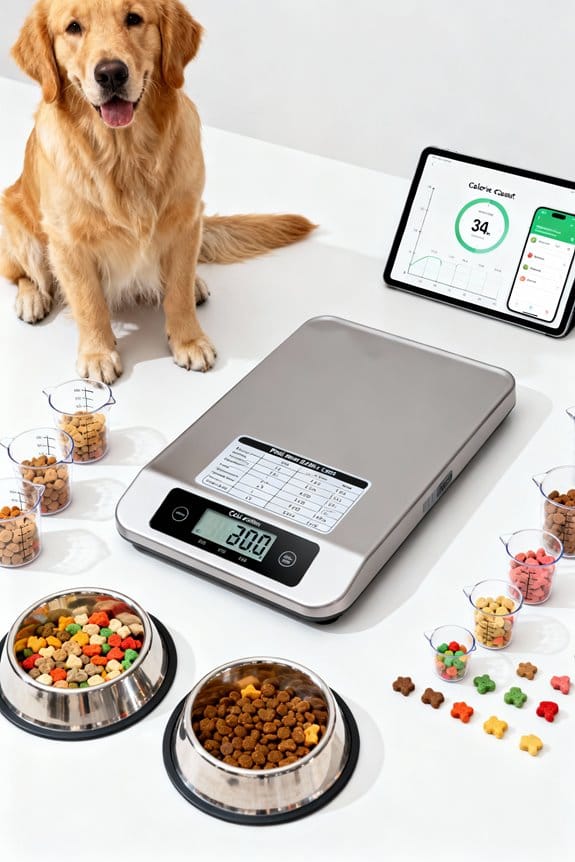
A simple calculation determines a dog’s baseline calorie needs, using the Resting Energy Requirement formula: (weight in kilograms × 30) + 70. The RER gives resting needs, then activity adjusts totals, for example an active dog may need about 30 calories per pound daily, while a less active dog requires around 20 calories per pound. How should daily calorie needs translate into training planning and treats? Treats should remain no more than ten percent of total intake to avoid imbalance, so a 400 calorie dog would limit treats to 40 calories. Owners should monitor body condition, adjust portion control, and prefer healthy options that preserve overall nutritional value. When in doubt, consult a veterinarian for tailored calorie intake and activity recommendations. Weigh dogs regularly. Consider safe, durable crates for training environments to ensure your dog’s safety and comfort during sessions.
Recommended Products

SUPPORT DIGESTIVE HEALTH FOR SENSITIVE STOMACHS: Grain-free and vegan, our pumpkin and sweet potato dog treats are packed with natural fiber to promote healthy digestion and regular bowel movements—perfect for dogs with sensitive stomachs, food allergies and a low fat diet.
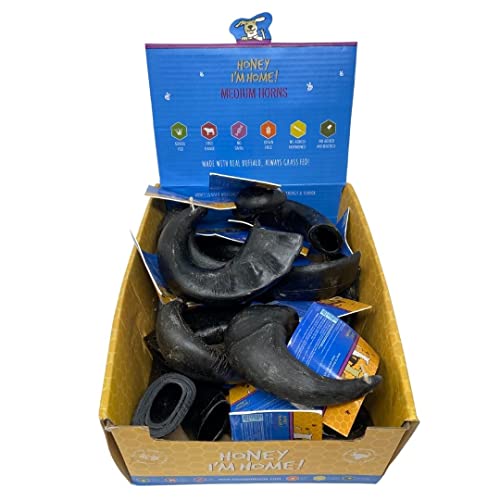
Contains (15) Medium Gluten Free Honey Coated Buffalo Horn Chews

Honeycomb Shape for 360 Tooth Cleaning Results – Deep honeycomb pockets allow 360 degree flossing & scrubbing action surrounds each tooth for maximum cleaning down to the gum line for improved oral care & REDUCED FOUL ODOR DOG BREATH.
Treat Types and Calorie Counts
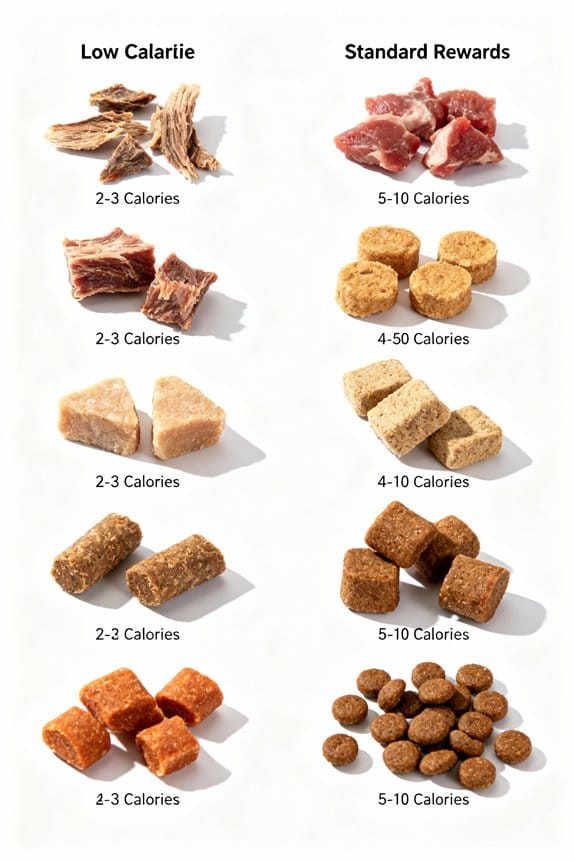
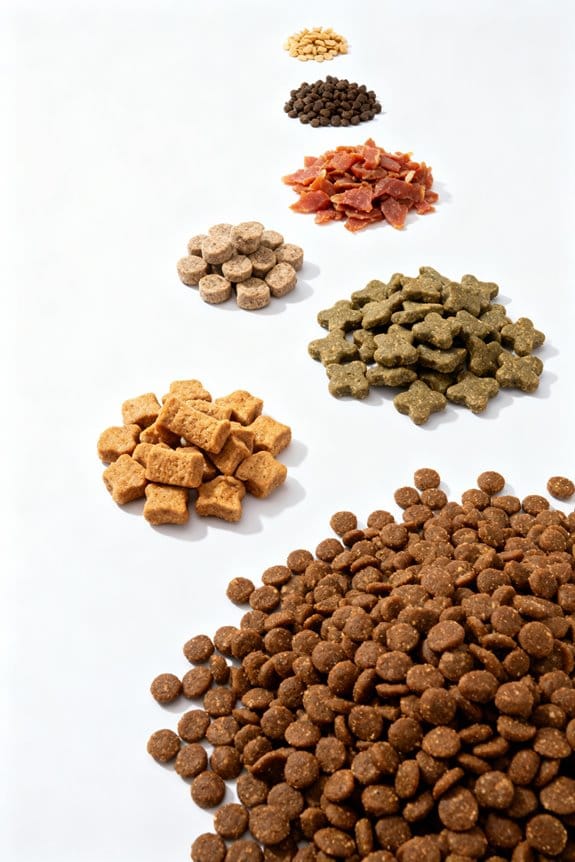
After calculating a dog’s daily calories and setting a ten percent treat cap, owners must consider the types and calorie counts of rewards. Commercial dog treats often range from five to ten calories each, allowing reinforcement without exceeding a dog’s daily limit, but treats can lead to excess when high-calorie options are used. For example, peanut butter has about 95 calories per tablespoon, creating a higher risk of surpassing the cap. Use low-calorie treats like carrot pieces, green beans, or kibble at three to five calories per piece, or Zuke’s Minis at about 2.3 calories each, to manage treat calorie intake while still rewarding behavior. Consider reducing treat size or substituting a healthy treat to maintain balance. Track totals each session, adjust accordingly, regularly. To optimize your puppy’s health, consider non-toxic materials when selecting chew toys to ensure safe and enjoyable playtime.
Recommended Products

Brought to you by Greenies
ALL NATURAL: Single ingredient dog treat with no preservatives or artificial flavors. These beef dog treats are not only healthy dog treats but also grain free dog treats.

100 Percent Vegetarian, no meat, potato based
How Treats Affect Canine Behavior and Motivation
When treats are used for every response, dogs can learn to expect food, reducing their intrinsic motivation to comply. Trainers who give treats frequently may notice changes in dog’s behavior, including distraction and entitlement during sessions, so what should be done? Use intermittent reinforcement as skills solidify, switch to verbal praise and occasional food, and monitor calories so treat calories stay under ten percent of daily intake. For active dogs, balance treats with exercise and portion control to maintain ideal weight, and avoid excessive treat consumption by offering toy rewards or clicker reinforcement. Training tips include planned fading schedules, clear cues, and consistent rewards, which promote durable learning without creating dependence on treats. Measure portions, document progress, and adjust strategies per individual response weekly. It’s crucial to use clear markers during training to provide immediate feedback, which accelerates the learning process and enhances communication between the owner and the dog.
Health Risks of Over-Treating
If owners consistently overfeed treats, dogs can gain weight rapidly, increasing obesity risk and related diseases within months. Overweight pets, for example a thirty-pound dog gaining ten pounds, face joint issues and heart strain. Treats designed as training rewards often pack concentrated calories, so owners should check calories per piece first, carefully. A simple rule, treats should remain under ten percent of daily calories, otherwise weight and nutrient imbalances follow. High in sugar treats harm teeth, causing plaque and decay, so select a healthy treat low in sugar and protein. Behavioral problems, such as entitlement and anxiety, arise when dogs expect treats for routine tasks. Regular monitoring treat intake, measuring calories per piece, helps maintain a stable dog’s weight and prevent long-term health risks. Non-slip pee pads are a beneficial tool for managing incontinence in senior dogs and puppies, ensuring a clean environment and reducing accidents.
Practical Treat Measurement and Timing During Training
Using a simple portioning strategy, trainers can measure treats precisely, preserve daily calorie balance, and still provide frequent reinforcement during learning. They recommend keeping treats to no more than ten percent of daily intake, calculated from the dog’s weight. One method is setting aside half of morning kibble as training rewards, preserves regular food and controls calories. When using treats into smaller pieces, trainers can deliver many reinforcements while keeping calories low. Choose low-calorie, healthy options like small cucumber slices or kibble, allowing frequent rewards without exceeding limits. Effective treat timing requires immediate delivery after a correct response, this strengthens the association, accelerates learning. Trainers should pay attention to session totals, monitor dependency risks, adjust accordingly if a dog is overweight or behavior issues. A distinct and loud click from a training clicker can capture the pet’s attention effectively, enhancing learning and communication during training sessions.
Recommended Products

SINGLE INGREDIENT, BONITO — Made with 100% pure wild-caught bonito fish. Simple, clean, fish-first nutrition designed to support healthy muscles, energy, and everyday wellness.
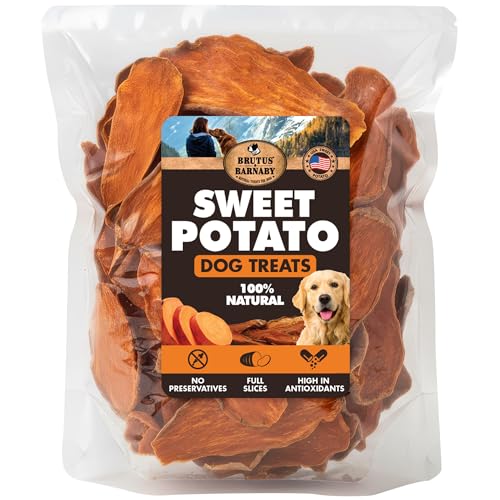
FROM FARM TO BAG- CONTROL YOU CAN TRUST We oversee the entire process- from USA farm to our FDA-Registered, SQF Certified facility, you get a clean, safe, single ingredient dog treat made to the highest standards.

Brutus & Barnaby stands behind our products, we promise that you and your dog will love our treats or we will take them back no questions asked. If you are dissatisfied and your order page doesn’t allow returns, please reach out to us and we will help you.
Low-Calorie and Healthy Treat Alternatives
After establishing portion control and precise timing in training, trainers can select low-calorie rewards that preserve daily calorie budgets and maintain frequent reinforcement. Practical treat options include commercial minis, vegetables, and measured kibble, giving control and consistency. For example, Zuke’s Mini treats at 2.3 kcal each are an excellent low-calorie choice, while chopped cucumber, carrot slices, and green beans provide vitamins and crunch. Could small bits of regular dog food replace separate treats, reducing overall intake? A portion of your dog’s meal can be split into dozens of rewards, helping keep totals within limits. Trainers should avoid high-calorie human foods, noting risks associated with peanut butter and similar items, and adopt healthy treat strategies that help reduce weight gain while sustaining effective reinforcement during sessions. When considering training tools, select whistles with adjustable pitch in the 5.4-12.8 kHz range to ensure effective communication and improve training outcomes.
Recommended Products

SINGLE INGREDIENT, WHITE MEAT CHICKEN — Made with 100% pure all-white natural breast meat chicken. Simple, clean, meat-first nutrition designed to support healthy muscles, energy, and everyday wellness.

Made in the USA: Raised and harvested in the USA, our bones and treats are responsibly sourced to ensure quality for both pets and the planet.

Gradual Reduction and Alternatives to Treat-Dependent Training
While maintaining consistent response criteria, trainers should gradually reduce treat frequency, shifting toward praise and intermittent reinforcement to prevent dependency. As a rule, reduce treat frequency as commands become reliable, substituting healthy treats and verbal praise to sustain progress. Break larger treats into small pieces, offer kibble or chopped cucumber, or carrot sticks, to keep caloric intake within limits. What is a sensible cap on treats, when a dog’s food totals 400 calories per day, treats should stay under 40 calories? Alternate high-value rewards, like boiled meat, with regular Dog Training kibble, to preserve interest without overfeeding. Use shorter, varied training sessions, and consider alternatives such as play, petting, or toys to maintain motivation and promote healthier treat habits. Monitor weight, adjust strategies accordingly. Graduated Desensitization is an effective technique that involves gradually increasing alone time to help dogs with separation anxiety, and trainers can apply similar gradual exposure methods to wean dogs off treat dependency while maintaining their focus and motivation.
Recommended Products

MADE WITH WHOLESOME INGREDIENTS YOU CAN TRUST: Every Inaba product is made with yummy high-quality ingredients including farm-raised chicken and/or natural wild-caught tuna
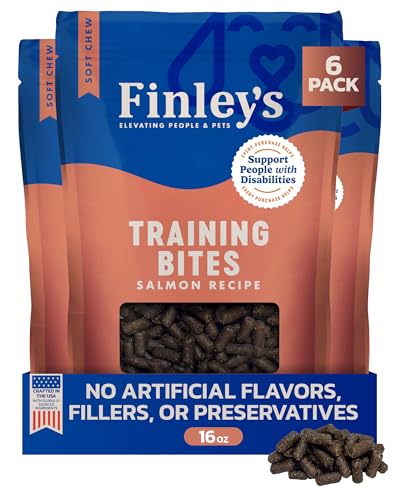
Small Training Rewards for Puppies & Dogs - Finley’s Training Bites dog treats are small, soft rewards made to support puppy training and early learning, while still being perfect for dogs of all ages and sizes.
Frequently Asked Questions
Can You Give a Dog Too Many Treats While Training?
Yes, they can. Responsible trainers use proactive reinforcement and recognize training frequency; consistency matters alongside timing treats and dog training instincts. Behavior tracking, treat alternatives, health considerations and strict moderation balance prevent overfeeding and entitlement.
What Is the 3 3 3 Rule for Dog Training?
Like a brief sunrise, the 3‑3‑3 rule prescribes three-minute sessions, three times daily, targeting three commands; optimizes positive reinforcement, reinforcement schedules, treat effectiveness, timing matters, treat types, alternative rewards, clicker training, behavioral consistency, training duration.
How Many Treats Are Too Much?
Too many treats exceed 10% of a dog’s caloric intake; monitor treat portions and reward frequency to maintain training balance, use healthy alternatives, consider activity level, preserve dog motivation, optimize training effectiveness and behavior reinforcement.
What Is the 10 10 10 Rule for Puppy Training?
Floppy disk: The 10-10-10 rule limits treats to 10% daily calories, guiding puppy behavior with effective rewards, training balance, establishing boundaries, reinforcing habits, treat types, consistency importance, timing rewards, and managing puppy distractions for health.
Conclusion
The 10% rule guides trainers: keep treats under ten percent of daily calories, for example 50 calories in a 500-calorie day. How should one adjust treats for small or large breeds, puppy growth, or weight-loss plans? Some will object that treats are essential for motivation, but low-calorie options and portioning preserve reinforcement while preventing excess weight. Apply daily measurement, substitute healthy alternatives like peas or freeze-dried liver, and reduce treats gradually to sustain training success.