As an Amazon Associate, we earn from qualifying purchases. Some links on this site are affiliate links at no extra cost to you. Our recommendations are based on thorough research and editorial judgment.

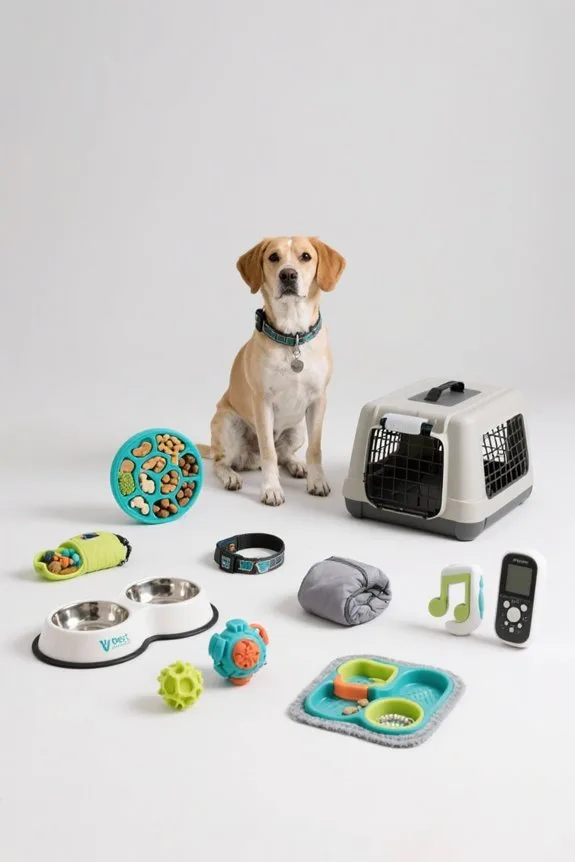
10 Best Separation Anxiety Training Techniques That Actually Work (Vet-Approved)

Use short, supervised departures under 60 seconds, then slowly extend alone time in 5–10 minute steps to 30–45 minutes, combine randomized departure cues to prevent cue association, desensitize to crates with heartbeat toys and safe chews, provide puzzle feeders and enrichment before leaves, teach independent settling with designated alone-time routines, consider vet consult and medication for severe panic, and track progress with webcams and logs; keep daily 10–20 minute training blocks, and continue for weeks to see reliable improvement, learn how to apply each step next.
Key Takeaways
- Use graduated desensitization: slowly increase alone time from seconds to hours with predictable, brief departures and returns.
- Implement a five-phase protocol: short absences under 60 seconds, then graduated increments, randomized cues, and steady progression.
- Pair departures with enrichment: give safe puzzle toys or a heartbeat toy and calm music to reduce panic and occupy focus.
- Train daily in short sessions (10–20 minutes twice daily) and track responses via webcams or logs to adjust pace.
- Consult a veterinarian or certified behaviorist for severe cases; consider medication as adjunct to behavioral treatment.
Treating Separation Anxiety In Dogs

You may be interested



If you’re a committed owner or professional trainer working with dogs that panic when left alone, this guide is the best choice because it combines a clear, phased protocol with practical tools you can apply immediately; the five-phase treatment breaks progress into measurable steps, for example, phase one focuses on suspending absences and keeping departures under 60 seconds while you condition calm behavior, phase three introduces graduated alone-time increments of 5–10 minutes up to 30–45 minutes, and later phases build to several hours using randomized departure cues. You’ll follow step-by-step exercises, use management and medication when indicated, employ webcams and remote feeders to monitor responses, and complete intake questionnaires to tailor plans, so you can measure progress, adjust increments, and ultimately reduce panic through consistent conditioning.
Best For: committed dog owners and professional trainers seeking a structured, step-by-step protocol to treat dogs that panic when left alone.
Pros:
- Provides a clear five-phase, measurable treatment plan with practical exercises and intake tools for individualized programs.
- Integrates management strategies, medication guidance, and technology (webcams, remote feeders) to monitor progress and support behavior change.
- Designed for trainers to professionalize separation-anxiety treatment as a specialized service with reproducible protocols and handouts.
Cons:
- Requires significant time, consistency, and owner/trainer commitment; not a quick fix.
- May need veterinary involvement for medication decisions and not all dogs respond to behavior-only approaches.
- Early phases (suspending absences, very short departures) can be difficult to implement in real-life schedules.
Be Right Back!: How To Overcome Your Dog’s Separation Anxiety And Regain Your Freedom


is best for owners who want a structured, evidence-based plan that solves separation anxiety through measurable, stepwise progress, and who can commit 10–20 minutes twice daily to training exercises. You’ll follow Julie Naismith’s program, use step-by-step sessions, downloadable plans, and linked how-to videos, so progress is trackable and repeatable. What if your dog panics at five-minute absences? You’ll start at one-minute departures, increase by 10–20% daily, and record reactions. The book debunks myths that worsen anxiety, presents success stories for realistic expectations, and offers coping tips for social judgment, making recovery practical and attainable.
Best For: Owners who need a structured, evidence-based, stepwise program to resolve their dog’s separation anxiety and who can commit 10–20 minutes twice daily to training exercises.
Pros:
- Provides a measurable, step-by-step program with downloadable plans and how-to videos for consistent progress.
- Evidence-based approach that debunks common myths and uses gradual, trackable increases (e.g., start at one-minute departures) to reduce panic.
- Includes success stories and coping strategies for social judgment, making recovery practical and emotionally supported.
Cons:
- Requires daily time commitment (10–20 minutes twice a day), which may be difficult for very busy owners.
- May be less suitable for dogs with severe, immediate-risk behaviors that need urgent veterinary or specialist intervention.
- Progress can be gradual; owners seeking a quick fix may become frustrated with the incremental nature of the program.
Hearbeat Toy for Dog Anxiety Relief Behavioral Training Aid Toy, Grey
Sale


Moropaky Hearbeat Toy for Dog Anxiety Relief Behavioral Training Aid Toy, Grey
- Separation Anxiety Relief: The heartbeat toys with heartbeat which is a simulation of the true pulsing heartbeat enables the puppy to feel the heartbeat, thereby reducing...
- Create Training Tool & Sleep Training Toy : Heartbeat dog toy simulates an environment that the puppy are not alone and one of their 'mates' are there with them. With the...
- Comfort Your Fur Baby: The heartbeat toy provides the best companionship and comfort to the dog during the night, during the journey, during thunder and lightning, and...
Puppy owners introducing a young dog to a new home will find the Heartbeat Toy for Dog Anxiety Relief especially useful, as it simulates a steady, pulsing heartbeat that helps replicates littermate presence and reduces frantic whining or pacing. You can use the toy during crate training, placing the simulator inside overnight, where it runs up to eight hours before auto-shutoff, which aids sleep and lessens nocturnal crying. Want to reduce separation stress during thunder or moves? Pair the plush with short, graded departures, washing the cover as needed, and powering the unit with two AAA batteries for reliable, repeatable comfort.
Best For: Puppy owners and caregivers introducing a young dog to a new home, crate training, or managing separation anxiety during storms or moves.
Pros:
- Mimics a pulsing heartbeat to comfort puppies and reduce whining, pacing, and nighttime crying.
- Machine-washable plush cover with removable heartbeat simulator for easy cleaning.
- Automatic 8-hour shutoff and simple 2 AAA battery operation for convenient, repeatable use.
Cons:
- Requires batteries (2 AAA) which are not included and need periodic replacement.
- Simulator only runs up to 8 hours, so continuous comfort beyond that period needs reactivation.
- May not fully replace behavioral training or professional help for severe anxiety cases.
Separation Anxiety vs Containment Phobia: Why Dogs Are Destructive When Left Alone
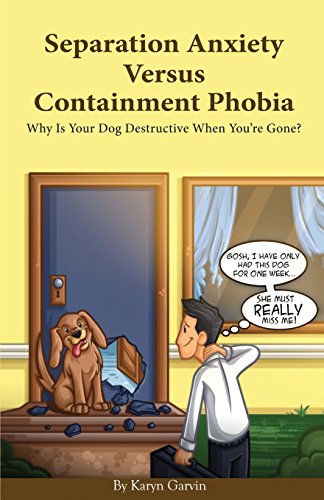
This guide is best for owners who notice specific panic behaviors, such as frantic scratching at crate bars, vocalizing within minutes of being left, or a pattern of destruction tied to being confined, because those signs often point to Containment Phobia rather than classic Separation Anxiety. You need to distinguish conditions, because misdiagnosis delays effective treatment, and containment issues affect 10–15% of dogs. Are they destructive only when confined, or anytime you’re absent? If confined, they likely panic in crates, causing escape attempts and property damage; if not, classic separation distress is more probable. The book offers targeted solutions and prevention strategies.
Best For: Owners who observe panic behaviors (frantic crate scratching, immediate vocalizing on being left, or destruction specifically when confined) and need to distinguish Containment Phobia from classic Separation Anxiety to apply targeted solutions.
Pros:
- Helps owners accurately differentiate Containment Phobia from Separation Anxiety, improving chances of effective treatment.
- Offers targeted solutions and preventive strategies tailored to containment-related panic behaviors.
- Highlights specific signs (e.g., frantic crate escape attempts) so owners can identify and address the correct underlying issue.
Cons:
- May be less useful for dogs whose destructive behavior occurs only when unconfined and is not tied to containment panic.
- Owners seeking a quick fix might find the diagnostic distinctions and tailored protocols require time and consistent effort.
- Not a substitute for professional veterinary or behaviorist evaluation in severe or complex cases.
What to Do When You Don’t Want to Be Apart: A Kid’s Guide to Overcoming Separation Anxiety (What-to-Do Guides for Kids)
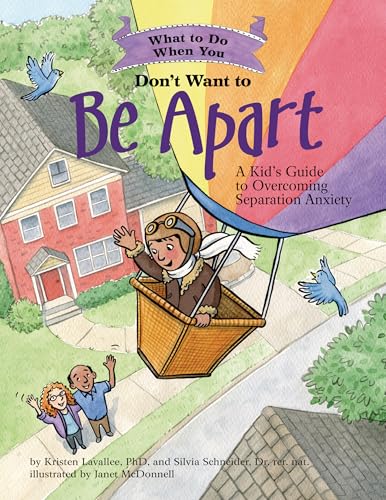
If your child is between 6 and 12 and struggles with intense worry when you leave for work, when they start school, or during sleepovers, the workbook “What to Do When You Don’t Want to Be Apart” is a strong, practical choice because it pairs evidence-based CBT strategies with hands-on exercises and colorful illustrations that keep kids engaged; you’ll find step-by-step activities that teach breathing, thought-challenging, and gradual separation practice, plus parent guidance for consistent support. How will you use it at home or school? Follow scheduled exposures, track progress with simple charts, and practice coping scripts, so children build measurable confidence, resilience, and independence.
Best For: Children ages 6–12 who experience worry or distress when separated from parents or caregivers and families/educators seeking a structured, evidence-based workbook to teach coping skills.
Pros:
- Uses proven cognitive-behavioral techniques (breathing, thought-challenging, graded exposure) presented in kid-friendly, illustrated activities.
- Includes a parent/caregiver guide to support consistent practice and track progress at home or school.
- Engaging hands-on exercises and progress charts help build measurable confidence, resilience, and independence.
Cons:
- May require adult time and commitment to guide exposures and reinforce skills, which can be challenging for busy caregivers.
- Not a substitute for individualized therapy in severe cases of separation anxiety where clinical intervention is needed.
- Some children may need additional motivational supports if they are resistant to workbook-style activities.
iCalmPet Canine Separation Anxiety Training Program MicroSD (16-hr)

iCalmPet | Through a Dog's Ear: Canine Separation Anxiety | Training Program by Victoria Stilwell...
- Compatible with iCalmDog speakers 2.0 - 5.0, Ruff n Ready and most Micro SD-enabled devices
- Brings calm, comfort and relaxation for destructive, anxious and panicked dogs
- 16-hours of alternating simplified classical piano music with periods of silence - designed for non-habituation and long periods alone
For dog owners dealing with moderate to severe separation anxiety, the iCalmPet 16-hour MicroSD program is a targeted option that pairs clinically-designed, simplified piano music with scheduled silence to reduce stress and destructive behavior while you’re away. You insert the MicroSD into compatible speakers, like iCalmDog 2.0–5.0 or Ruff n Ready, then follow Victoria Stilwell’s protocol for gradual alone-time increases, using 16 hours of alternating music and silence to prevent habituation. How will this help? The music soothes heart rate and arousal, silence avoids overexposure, and consistent use, across weeks, supports reduced barking and destructive episodes.
Best For: Dog owners whose pets suffer from moderate to severe separation anxiety and who use MicroSD-compatible relaxation speakers and a gradual training protocol.
Pros:
- Clinically-designed 16-hour program of simplified piano music and silence shown to reduce arousal and soothe anxious dogs.
- Specifically paired with Victoria Stilwell’s behavioral training protocol for gradual alone-time increases.
- Compatible with iCalmDog 2.0–5.0, Ruff n Ready and most MicroSD-enabled devices for easy playback.
Cons:
- Requires compatible speaker or device (MicroSD slot) and commitment to a multi-week training protocol.
- Not a standalone cure—best used alongside behavioral training and possibly veterinary guidance for severe cases.
- Mixed customer ratings (average 3.9/5) suggest variable effectiveness across individual dogs.
Separation Anxiety in Dogs: Treatment Protocols and Practices

Separation Anxiety Training Techniques are best suited to dog guardians and trainers who can commit to a structured plan, including daily practice sessions, objective tracking, and occasional professional guidance. You’ll follow protocols developed from Malena DeMartini-Price’s work, updated with CSAT-collaborative data, and use technology like video monitoring and automated feeders to measure responses. Start with short departures, five to thirty seconds, gradually increasing by 10–20% each session, and record heart rate or vocalization counts for progress. Use enhanced desensitization steps, reward calm behavior, consult a mentor for plateaus, and adapt timelines to each dog’s response.
Best For: Dog guardians and trainers committed to a structured, data-driven program to treat canine separation anxiety using daily practice, objective tracking, and occasional professional support.
Pros:
- Provides evidence-based, stepwise desensitization protocols derived from Malena DeMartini-Price’s work and CSAT-collaborative data.
- Integrates technology (video monitoring, automated feeders, heart-rate/vocalization tracking) for objective progress measurement.
- Adaptable timelines with mentor support, making it usable for a wide range of dogs and severity levels.
Cons:
- Requires consistent daily commitment and meticulous tracking, which can be time-consuming for busy guardians.
- May need access to technology and professional mentors, adding cost and logistical complexity.
- Progress can be slow and variable; plateaus may require expert intervention and patience.
Be Right Back! Puppy Separation Anxiety Edition — Guide to Raising an Independent, Happy-Home-Alone Puppy

This guide is the best choice for puppy owners who want a practical, step-by-step plan to prevent or treat alone-time anxiety, especially if you work regular 8–10 hour days, have shifting schedules, or plan to leave your puppy with short solo periods from 8 weeks onward. You’ll learn how to recognize anxiety versus normal frustration, use progressive alone-time steps, and apply prevention before bringing a puppy home. What exercises build confidence, and how long should sessions run? Use 1–5 minute starts, increase by 5 minutes daily, include safe toys and a predictable routine, and consult videos and resources for real-case examples.
Best For: Puppy owners who want a practical, step-by-step program to prevent or treat separation anxiety so their pup can handle predictable alone time (including people who work 8–10 hour days, have shifting schedules, or start solo periods from 8 weeks).
Pros:
- Clear, progressive training plan (1–5 minute starts, add ~5 minutes daily) that’s easy to follow and scalable.
- Focuses on prevention and treatment with humane, confidence-building exercises, videos, and real-case examples.
- Supportive, nonjudgmental tone with resources to help owners handle criticism and stay consistent.
Cons:
- Requires daily consistency and owner time investment, especially early on, which may be challenging for very busy schedules.
- Results can take weeks; owners expecting immediate fixes may be frustrated.
- Some techniques may need adaptation for individual dogs or severe anxiety and could require professional help beyond the guide.
The Essential Guide to Positive Crate Training for Dogs and Puppies
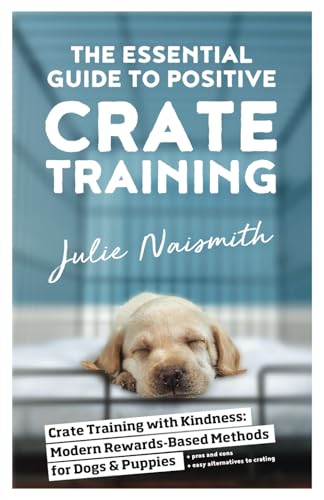
If you’re a dog owner dealing with anxious puppies or adult dogs who struggle with alone time, the Essential Guide to Positive Crate Training gives clear, step-by-step methods you can use, showing when to introduce a crate, how long typical sessions should last (for example, 10–20 minute initial sessions for puppies under 4 months, progressing to 1–2 hour supervised periods), and which reward-based cues work best in each stage. You’ll learn gentle, force-free techniques, when not to crate a dog, and crate alternatives for specific cases. Follow concrete progression plans, use high-value treats, set clear cues, and monitor stress signs closely.
Best For: Dog owners (including new puppy parents) seeking a compassionate, step-by-step, rewards-based approach to crate training and confinement management.
Pros:
- Clear, progressive, force-free instructions with specific session durations and cues, making training easy to follow and implement.
- Emphasizes monitoring stress signs and using high-value rewards, promoting a positive emotional association with the crate.
- Offers alternatives and guidance on when not to crate, validating different approaches for individual dogs.
Cons:
- Requires consistent time and commitment (short, frequent sessions and careful monitoring) which may be challenging for busy owners.
- May not fully address severe separation anxiety cases that need professional behaviorist or veterinary intervention.
- Some owners may find gradual progression slower than expectation and prefer quicker results.
Canine Separation Anxiety Workbook – Training Dogs To Tolerate Being Alone
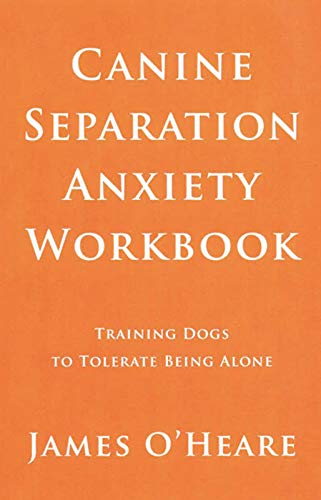
If you’re looking for a structured, evidence-based program to help dogs tolerate being left alone, the Canine Separation Anxiety Workbook is best suited for owners who want a step-by-step plan they can follow at home, with measurable milestones and concrete strategies. You’ll learn to identify specific problem behaviors, record frequency and duration, and implement contingency management plans tied to those data. The workbook, by James OHeare, uses behaviorology principles in plain language, offers alternative methods for varied issues, and guides you through tailored interventions, gradual desensitization steps, and objective progress checks every 7–14 days. Who will benefit most? You.
Best For: Owners of dogs experiencing separation anxiety who want a structured, evidence-based, step-by-step at-home program with measurable milestones and clear, practical guidance.
Pros:
- Uses behaviorology principles presented in plain language, making techniques accessible for non-experts.
- Provides a clear, data-driven framework (recording frequency/duration and objective progress checks every 7–14 days).
- Offers tailored interventions and alternative methods to address varied separation-related behaviors.
Cons:
- Requires consistent owner time and commitment to record data and follow gradual desensitization steps.
- May be challenging for owners needing immediate results or who cannot implement a structured schedule.
- Not a substitute for veterinary or emergency behavioral intervention in severe cases; professional in-person help may still be needed.
Factors to Consider When Choosing Separation Anxiety Training
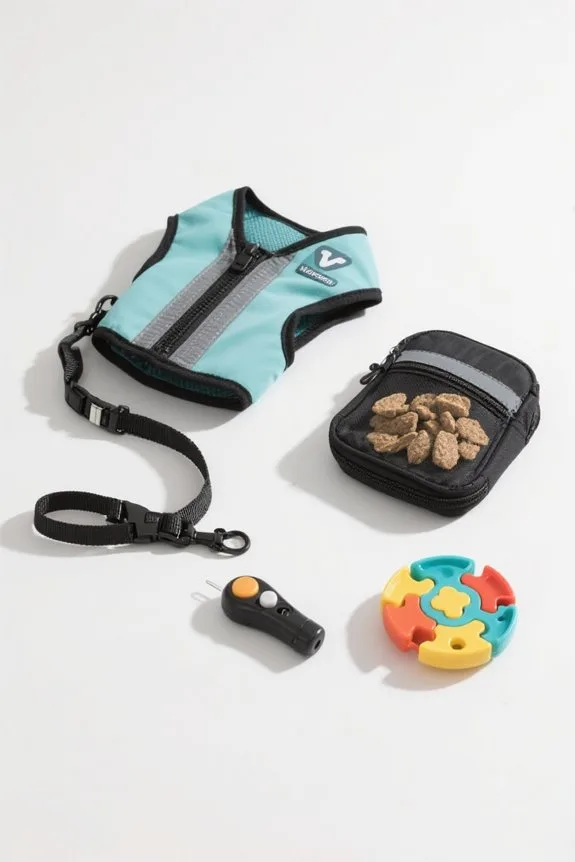
When choosing a separation anxiety program, you should assess the severity of symptoms, for example mild whining versus destructive behavior or sustained howling for more than 30 minutes. Have you confirmed an accurate diagnosis with your veterinarian or a certified behaviorist, since medical issues or misdiagnosed fear responses change treatment plans and may require medication alongside behavior work? Consider the training methodology and trainer qualifications, because systematic desensitization and counterconditioning need certified guidance, whereas medication and management strategies, like anti-anxiety drugs or structured confinement for 4–8 weeks, should be supervised to verify safety and effectiveness.
Severity of Symptoms
Severity of symptoms acts as your primary guide for choosing a training plan, because mild whining and brief pacing need different approaches than frantic, destructive behavior that risks injury. You should observe absence episodes closely, timing vocalization, pacing, and destructive events in minutes, noting frequency and intensity. Do you see short whines under five minutes, or continuous barking and chewing for hours? Mild cases often respond to graduated desensitization and enrichment, with sessions of 5–15 minutes repeated daily, while severe cases may require concurrent management, crate modification, and veterinary consultation. Environmental changes, like schedule shifts or new housemates, can worsen signs, so account for those when planning interventions, and scale treatment intensity to the behaviors you document.
Accurate Diagnosis Needed
Because many behaviors resemble separation anxiety, you should confirm the diagnosis before choosing a treatment plan, and that means looking beyond the obvious signs to specific causes and patterns. You’ll need a structured assessment, which separates true separation anxiety from containment phobia, boredom, or other issues, since 10–15% of dogs may have containment phobia. What assessment steps will you take: video recordings, intake history, timing of behaviors, and environmental triggers? Use these data to rule out at least 20 alternate causes that mimic anxiety, and document frequency, duration, and context. An accurate diagnosis guides the right strategy, reduces wasted effort, and prevents added stress for you and your dog, so seek professional evaluation when patterns remain unclear.
Training Methodology Type
Frequently, choosing the right training methodology for separation anxiety means evaluating several evidence-based components, so you can pick an approach that matches your dog’s specific needs, temperament, and history. Look for programs that use gradual desensitization, for example starting with one-minute departures and increasing by 10–20% every few days, so your dog adapts without being overwhelmed. Favor methods centered on positive reinforcement, because rewards reduce fear and build trust more reliably than punishment. Use a structured, step-by-step plan that targets known triggers, like door cues or crate anxiety, and track sessions with notes or video to measure progress weekly. Consider supportive technology, such as cameras and calming soundtracks, and combine these tools with specialist guidance when cases are moderate to severe.
Trainer Qualifications Matter
When you’re selecting someone to help with separation anxiety, verify their credentials and hands-on experience, because specific training and real-case success matter; look for certifications from recognized organizations (for example, CCPDT, IAABC, or ABTC), evidence of coursework or workshops focused on anxiety or behavior modification, and documented case histories showing progressive improvement over weeks or months. You should expect a trainer who explains evidence-based protocols, lists 10–20 past cases, and describes measurable outcomes, such as reduced barking by 60% over eight weeks. Ask about their use of positive reinforcement, request reference contacts, and confirm recent continuing education. If a trainer lacks specialized coursework, their methods may be generic, so insist on targeted experience, clear timelines, and written progress plans before committing.
Medication and Management
After you’ve confirmed a trainer’s qualifications and case history, consider how medication and management will fit into the overall plan, since they often work together to reduce symptoms and speed progress. You’ll create a safe space, like a crate with bedding and white noise, to limit triggers and provide consistency during desensitization. Will medication help short-term coping, or is behavior change sufficient? Often vets prescribe SSRIs or trazodone, with dosages tailored to weight, typically reviewed after 4–12 weeks, to support training. You must coordinate vet guidance, trainer protocols, and daily management, adjusting strategies for mild, moderate, or severe anxiety. Combining structured training sessions, environmental controls, and medically supervised drugs increases the chance of measurable improvement.
Technology and Monitoring
Because technology gives you a clear window into your dog’s alone-time behavior, you should weigh monitoring tools by their features, data detail, and ease of use, so you can choose systems that actually inform training decisions. Use webcams with two-way audio to observe pacing or crying in real time, and log incidents with timestamps for pattern analysis. Will you need motion alerts, sound thresholds, or stress-level summaries from AI-enabled systems? Remote feeders and treat dispensers let you reinforce calm behavior, while speakers can play calibrated calming music programs at set intervals. Compare battery life, cloud storage limits, and video resolution, because longer recordings and higher detail reveal subtle triggers, which lets you adjust desensitization steps and measure progress objectively.
Home Environment Factors
In considering your home environment, assess how layout, people, and objects influence your dog’s sense of security, since physical space, social support, and familiar items all change stress levels. Evaluate room layout: does an open living area provide visual access to exits, or do tight, cluttered hallways increase confinement? Count predictable people and pets, note times they’re present, and ask: will a calm companion dog reduce stress, or will irregular visitors increase it? Measure noise with simple checks, aim for under 50 dB during rest periods, because lower ambient sound soothes anxious dogs. Create consistent departure routines, leave and return within similar time windows, and provide two familiar items—a blanket and a toy with your scent—to maintain predictability and reduce isolation when you must be away.
Owner Time Availability
A clear, realistic appraisal of your daily availability is essential, because the success of separation anxiety training usually hinges on consistent owner involvement, with many programs asking for multiple short sessions each day, sometimes totaling 20–60 minutes. You should list typical blocks of free time, note commute and work hours, and plan for at least two to four short sessions daily, each five to 20 minutes, depending on the protocol. Can you provide gradual desensitization when needed, or will you need a modified plan? If you’re away eight to ten hours, consider pet sitters, daycare, or training that focuses on management and counterconditioning, because limited presence reduces chances for steady progress and makes reinforcement inconsistent.
Frequently Asked Questions
Can Separation Anxiety Be Genetic or Breed-Related?
Yes, separation anxiety can have genetic and breed-related components, so you should consider heredity when evaluating risk. Some breeds, like herding and sporting dogs, show higher incidence, and studies report familial clustering in affected lines. Does early socialization modify that risk? Yes, proper exposure before 16 weeks often reduces symptoms, and targeted training can mitigate inherited tendencies, though genetics may still influence severity and treatment responsiveness.
Can Medications Be Used Long-Term Safely for Severe Cases?
Yes, medications can be used long-term safely for severe cases, when a vet prescribes and monitors them closely. You’ll typically use SSRIs like fluoxetine, at recommended doses such as 1–2 mg/kg daily, combined with behavior therapy, for months to years. Will side effects appear? Possibly, so regular checkups, bloodwork every 3–6 months, and dose adjustments prevent problems, ensuring safety while addressing chronic anxiety effectively.
How Do I Help an Elderly Dog With Late-Onset Separation Anxiety?
You’ll start with a vet exam to rule out pain or cognitive decline, then add gradual desensitization, short departures of 1–5 minutes, increasing by 10–20% daily as tolerated. Provide predictable routines, 30–60 minute low-impact walks before departures, and safe enrichment like frozen treat toys. Consider pheromone diffusers or short-term meds if vet recommends, monitor progress with video, and reassess every 2–4 weeks for adjustments.
Can Separation Anxiety Training Harm My Dog’s Attachment?
No, thoughtful separation anxiety training won’t harm your dog’s attachment; it reshapes behavior while preserving bonds. If you use gradual desensitization, starting with 30–60 second absences and slowly increasing by 10–30% daily, your dog learns coping skills without losing trust. Will overcorrection or punishment damage attachment? Yes, harsh methods can, by creating fear. Use rewards, predictable cues, and short practice sessions to strengthen confident independence.
When Should I Consult a Veterinary Behaviorist or Professional Trainer?
You should consult a veterinary behaviorist or professional trainer when your dog shows severe signs, like destructive behavior, nonstop barking over 30 minutes, or self-injury. If progress stalls after 4–6 weeks of consistent training, or medications and behavior plans need adjustment, call a specialist. For multi-dog households, sudden regression, or when you need a tailored, medically informed plan, seek help promptly, to prevent escalation and improve outcomes.