As an Amazon Associate, we earn from qualifying purchases. Some links on this site are affiliate links at no extra cost to you. Our recommendations are based on thorough research and editorial judgment.


What Makes a Good Training Treat for Dogs

A good training treat is small, highly scented, and quickly consumed, typically one to two grams, soft for fast swallowing. Which flavors work best: chicken, salmon, or liver often outperform bland treats, especially during early learning or high-distraction training? Keep calories low, under about ten percent of daily intake, use tiny pieces frequently, and avoid overfeeding altogether. Avoid garlic, onion, and common allergens, choose low-sodium options, store treats compactly, and consult following sections for more.
Key Takeaways
- Strong-smelling, high-value proteins (chicken, liver, salmon) motivate dogs and accelerate learning, especially in distracting environments.
- Bite-sized pieces (≈1–2 grams) keep calories low and allow rapid, repeatable rewards during training.
- Soft, chewy treats swallow quickly to prevent interruptions; occasional crunchy textures add variety and interest.
- Use simple, safe ingredients; avoid common allergens and harmful foods like garlic, onion, and excessive salt.
- Store 1–2 cups of treats for accessibility, deliver rewards within one second, and combine with clicker timing for precise reinforcement.
Why Scent and Flavor Matter
You may be interested

Olfaction is central to training success, because dogs rely on scent far more than vision, and strong aromas drive attention quickly. Trainers select high-value treats like chicken, salmon, liver because they are strong smelling and motivate responses. How much more effective are scented rewards when a dog’s nose guides behavior, and does aroma speed task acquisition? Scented treats reinforce positive behaviors, so repetition with appealing flavors yields faster retention and clearer associations. For training your dog in real environments, high-value treats overcome distractions; consequently, sessions become shorter and outcomes more reliable. Examples include tiny jerky bits for focused sessions, or soft cheese for sustained attention during longer drills. The guidance remains practical, measurable, and rooted in core canine olfactory strengths, with empirical support. Furthermore, selecting treats with eco-friendly options ensures that training aligns with sustainable practices, providing both effective results for your dog and positive environmental impact.
Size and Texture: Bite-Sized and Non-Crumbly
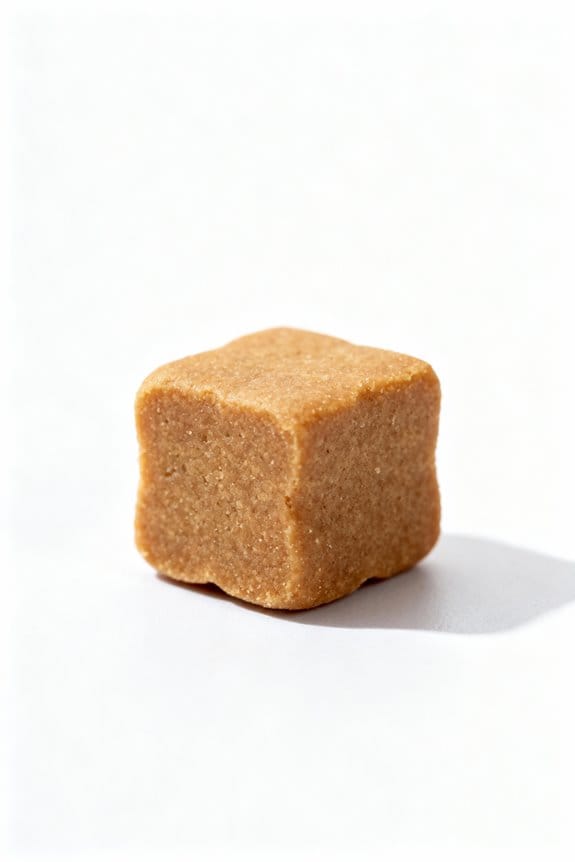
Treat size matters in training, and ideal pieces measure roughly the size of a fingernail, about 1 to 2 grams, enabling rapid consumption. Trainers should use size and texture intentionally, offering small pieces that dogs can eat in one bite, preserving pacing during short repetition sessions. What prevents distraction and mess? Non-crumbly treats that hold shape, avoiding scattered fragments that break focus and require cleanup. Prefer soft or chewy textures for immediate swallowing, while occasional crunchy rewards can vary reinforcement without long interruptions. For puppies, reduce piece size to 0.5 to 1 gram, for large breeds maintain 1 to 2 gram portions, and for long sessions alternate textures to sustain interest. The combined approach supports fast, regularly timed feedback, consistent reinforcement, and efficient learning. Selecting durable, non-toxic materials for chew toys ensures safety and promotes healthy chewing habits while maintaining engagement during training sessions.
Recommended Products

FREEZE-DRIED DOG FAVORITE: Indulge your pup with our freeze-dried chicken dog treats! Whole Life Pet's single-ingredient dog treats preserve the pure taste of chicken, offering a natural, wholesome treat without any unnecessary additives or fillers.

GENUINELY SOFT & CHEWY DOG TRAINING TREATS – Unlike hard treats that crumble or turn stale, these tender tidbits break clean and stay soft from the first treat to the last. Perfect soft training treats for puppies with baby teeth, senior dogs with sensitive mouths, and every dog in between.

MINI CRUNCHY TREATS: These mini crunchy dog biscuits make a great training treat and a great addition to your dog's diet; they feature all natural ingredients and assorted natural flavors including peanut butter, apples, carrots and molasses
Calorie Density and Portion Control
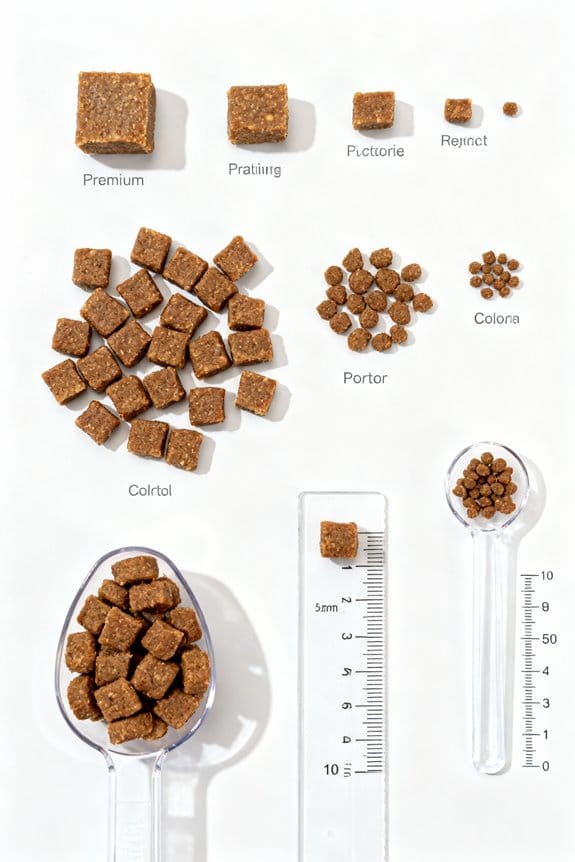
One clear guideline is to keep training rewards low in calories, ideally under ten percent of a dog’s daily intake. Trainers should favor small-sized treats that can be consumed in one or two bites, enabling rapid repetition without interrupting focus. What calorie density best balances flavor and economy, while minimizing total calories during sessions? High flavor per gram allows fewer calories per session, so tiny pieces remain motivating and effective. Portion control means planning totals, for example five to ten treats per session, each under five calories, to stay within daily limits. Dietary needs vary by age, activity and weight, consequently adjust counts and treat size accordingly, monitoring body condition and behavior for necessary changes. Consider using treats that are made from breathable, padded materials to ensure they are comfortable and safe for your dog during training. Consult a veterinarian for personalized recommendations when uncertain.
Recommended Products

SUPPORT DIGESTIVE HEALTH FOR SENSITIVE STOMACHS: Grain-free and vegan, our pumpkin and sweet potato dog treats are packed with natural fiber to promote healthy digestion and regular bowel movements—perfect for dogs with sensitive stomachs, food allergies and a low fat diet.

SINGLE INGREDIENT, BONITO — Made with 100% pure wild-caught bonito fish. Simple, clean, fish-first nutrition designed to support healthy muscles, energy, and everyday wellness.
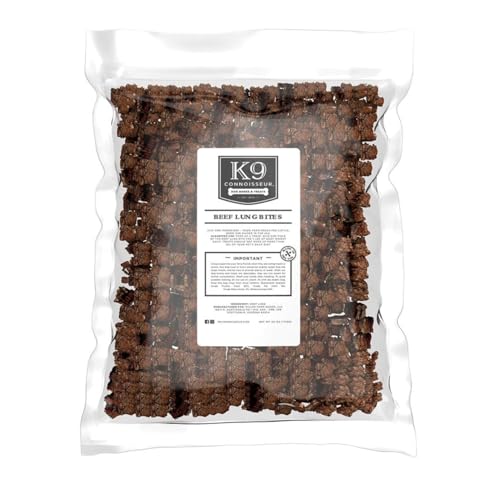
ALL NATURAL: Single ingredient dog treat with no preservatives or artificial flavors. These beef dog treats are not only healthy dog treats but also grain free dog treats.
Ingredients to Avoid and Common Allergens
Three common allergen groups in dog treats are grains, dairy, and certain proteins, and these deserve careful scrutiny, including wheat, corn, soy, and beef. Common allergens such as wheat, corn, soy, and dairy can provoke skin, gastrointestinal, or respiratory signs, accordingly gradual elimination and testing is prudent in consultation. Specific ingredients to avoid include garlic, onion, and highly processed by-products, likewise avoid treats containing artificial preservatives, colors, or flavors that may cause adverse effects. Treats with high salt content can aggravate hypertension, heart disease, or renal problems, consequently select low-sodium options and monitor cumulative daily sodium intake carefully regularly. Introduce new proteins slowly, observe for vomiting, diarrhea, or itching, record findings, compare guaranteed analysis, and consult a veterinarian when sensitivities or concerns persist immediately. When selecting dog treats, consider using alcohol-free, non-toxic formulas as seen in chewing deterrent sprays to ensure safety and minimize potential irritation or toxicity.
High-Value vs. Everyday Training Treats
Why are high-value and everyday training treats used differently, and how should they be balanced during sessions? Trainers reserve high-value rewards for difficult tasks or high-distraction environments, because these options are more enticing and prompt faster learning. Everyday training treats are suited for frequent repetitions, they are lower calorie and convenient for reinforcing basic obedience. Portions matter, use tiny pieces for efficiency, especially with small dogs who tire quickly or gain weight faster. For example, use one to two pea-sized high-value bits for a complex cue, and up to five small everyday treats for a short reinforcement set. This balance prevents overfeeding, maintains motivation, and preserves satiety. Select dog training treats based on palatability, size, and caloric control to optimize session outcomes. Consider using training treat bags with one-handed operation for quick and efficient access to treats during sessions.
Recommended Products

✅2XL EXTRA LARGE 28" X 44" COVERAGE – IDEAL FOR LARGE DOGS & MULTI-PET HOMES: Measuring a generous 28" x 44", these dog pee pads extra large provide wide floor protection for large breeds, puppy training, and indoor dog potty setups. Suitable for dogs, cats, rabbits, guinea pigs, birds, and other small pets. Perfect for indoor and outdoor use as potty pads, crate liners, changing pads, or floor protectors.

Healthy Bully Sticks for Dogs - Meaty dog treats with a taste and texture dogs can't resist, Thick 12 Inch

PRODUCT DESCRIPTION: Heavy-duty artificial turf grass that is 4 tricolored looking, made of PE "U" model yarn that has a comfortable touch. The two-layered backing is anti-aged PP weave cloth, designed with drain holes for easy water run-off. The back coating is made of styrene-butadiene rubber latex. The pile height is 35 mm, 75 oz/sq yard, gauge 3/8 in.
Treats for Puppies and Sensitive Stomachs
Because puppies have immature digestive systems, treats should be introduced slowly, monitored closely, and limited to small portions during training. A trainer introducing treats for puppies might start with a one-gram piece of cooked chicken, observing stool 24 hours. This cautious approach reduces risk for sensitive stomachs, allows assessment of tolerance within forty-eight hours. Which single-ingredient treats, such as chicken, low-fat cheese, or plain cooked fish, should be tested one at a time? Easily digestible training treats, like boiled chicken or plain crab stick pieces, lower fat and spice exposure, minimizing vomiting. If adverse signs appear, stop the treat and consult a veterinarian within forty-eight hours, record reactions. Snuffle mats for dogs can provide mental stimulation and reduce anxiety, and incorporating them into training can enhance obedience and focus. This evidence-based record helps guide future choices, and protects puppy digestive gut health through documentation.
Convenience, Portability, and Storage
After confirming a puppy tolerates a single-ingredient treat, attention shifts to how to carry, store, and present treats during training. Trainers prioritize convenience and portability, choosing resealable pouches or vacuum-sealed packs that prevent mess and extend freshness. How should treats be portioned for a ten-minute session, and how many pieces are practical to carry? Air-dried options last longer, retain aroma, and resist crumbling, so they suit travel and repeated handling. Portable containers with divided compartments allow varied textures and rewards, enabling switches to maintain interest. Proper storage at home, in airtight jars or sealed packaging, reduces spoilage and odor, preserving reward consistency during training. Carrying three to four small portions, separated in a compact box, balances variety and simplicity for efficient outdoor or indoor sessions. A capacity of 1 to 2 cups is optimal for treat storage during training, ensuring enough for effective reinforcement without overloading.
Recommended Products

Package Includes: you will receive 600 pieces of reusable food storage bags, each of them measuring about 7 x 10 inches/ 18 x 26 cm, appropriate for storing nuts, oats, biscuits, candy, coffee beans, dried meat, cereals, pet snacks, and more

The information below is per-pack only

Sufficient Quantity: the package includes 12 pieces of dog treat pouches for training in 6 different colors, coming in yellow, red, army green, black, orange and blue, 2 pieces of each color, enough to meet your daily storage needs
Homemade Options: Liver Cake and Simple Recipes
Liver cake provides a high-value, homemade training treat made primarily from pig liver, blended with flour and eggs, then baked. This recipe yields a dense loaf, sliced into small pieces of about 1 cm cubes, ideal for multiple rapid rewards during short sessions. Why choose homemade options over commercial snacks, and what advantages do they offer for good training? They are rich in protein, inexpensive, and allow ingredient control for sensitive dogs, which benefits dog owners managing allergies. Prepare, bake at 180°C for 20–25 minutes until firm, cool completely, then refrigerate in an airtight container for up to seven days. Use small, moist pieces for quick retrieval, and pack pre-portioned portions for fieldwork or indoor practice without excess handling. An added benefit of homemade treats is that they can be tailored to match specific activity levels, similar to how harnesses suitable for different activity levels offer comfort and convenience for pets.
Recommended Products

AIR DRIED DOG FOOD: Premium Pawstruck air dried dog food crafted with real beef as the first ingredient, providing high protein nutrition for all life stages without grains, gluten, or fillers for optimal digestive health.

𝐏𝐑𝐄𝐌𝐈𝐔𝐌 𝐐𝐔𝐀𝐋𝐈𝐓𝐘 𝐀𝐍𝐃 𝐍𝐔𝐓𝐑𝐈𝐓𝐈𝐎𝐔𝐒. Made from 100% freeze-dried beef liver, these treats are a single-ingredient, nutrient-rich option packed with high-quality protein, vitamins, and minerals essential for your dog's health. Liver is a great source of protein, Vitamin A, Taurine, Thiamine, Zinc and fatty acids.
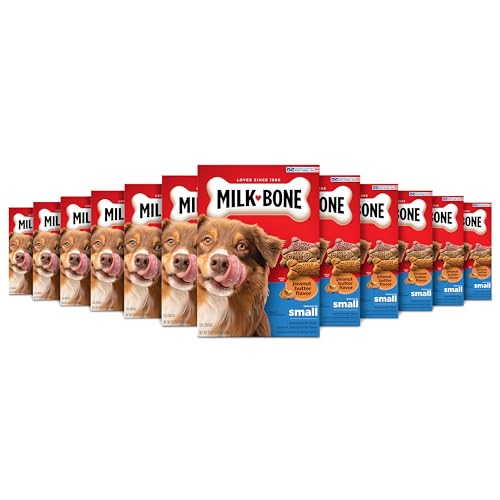
Contains twelve (12) 24 ounce boxes of naturally and artificially flavored small dog biscuits in three (3) flavors: Peanut Butter, Peanut Butter & Bacon, and Peanut Butter & Honey
Using Variety to Maintain Motivation
While maintaining consistency in cues and timing, trainers should offer a variety of tastes and textures, rotating high-value treats like cooked chicken, cheese, and fish. Mixing three flavors, such as fish, beef, and poultry, prevents boredom and helps identify individual preferences during dog training. Should trainers alternate soft, chewy, and crunchy textures to stimulate senses, and avoid over-reliance on one type? Rotating treats every two sessions reduces digestive upset from a single ingredient, and maintains enthusiasm across drills. Use smaller pieces, about the size of a fingernail or pea, to deliver rapid reinforcement without excess calories. Monitor responses, record which different types prompt faster learning, and adjust ratios to favor the most motivating options. This approach supports consistent progress, clear feedback, and sustainable motivation. Consider incorporating treat-dispensing toys to provide mental stimulation and control feeding pace, enhancing overall training effectiveness.
Treat Timing, Delivery, and Trainer Technique
When delivering a treat, the trainer must act within one second, to create an unambiguous connection between the behavior and its reward. Precise treat timing guarantees repetition, reinforcing a sit in under one second, across multiple training sessions, during puppy and adult stages. How should a dog trainer hold treats, delivery technique included, when using a lure, to guide focus and shape position effectively? Use a fingertip hold, move treats slowly over the nose and behind the shoulder, causing the dog to follow and assume the desired pose. Limit treats to small pea-sized pieces, twelve to twenty per short session, to maintain interest and prevent overfeeding. Treats are rewards for completed tasks, not bribes given before compliance, otherwise reinforcement becomes unclear and slows learning. Using a clicker training tool in combination with treat timing can enhance the effectiveness of training sessions by providing a distinct sound to reinforce positive behaviors.
Frequently Asked Questions
What Do Professional Dog Trainers Use for Treats?
Professional trainers use small, soft, high-value treats like cooked chicken, cheese or liver, selecting treat ingredients, treat textures, treat flavors and treat sizes to match difficulty, environment, caloric limits and quick consumption during sessions training
What Is the 3 3 3 Rule for Dog Training?
The 3‑3‑3 rule is a Three step approach describing initial three days, three weeks, three months of adjustment; it guides Dog behavior expectations, emphasizes Effective rewards and gradual Training consistency to optimize learning and bonding.
What Is the Best Treat to Give a Dog When Training?
The best treat to give a dog when training is small, moist chicken—simple, not flashy; trainers value high value rewards, heed size considerations, respect taste preferences, and prioritize ingredient quality to maintain motivation and health.
How to Choose Dog Training Treats?
One selects high value treats that match treat flavors, prioritizes small treat size for multiple rewards, checks ingredients for dog allergies, favors meaty, moist options, and guarantees easy portioning to maintain motivation during training sessions.
Conclusion
A good training treat is small, high-value, and low-crumble, for example 1-centimeter cubes or 1-gram jerky bits, used consistently daily. Why choose liver cake, freeze-dried liver, or soft cheese, when each offers aroma, texture, and differing calorie density, often? If treats are too large, dogs slow responses; if too caloric, trainers must reduce meal portions by 10–20 percent. Mix high-value rewards for new behaviors with low-value kibble for practice, like a metronome, to maintain motivation.