As an Amazon Associate, we earn from qualifying purchases. Some links on this site are affiliate links at no extra cost to you. Our recommendations are based on thorough research and editorial judgment.


How to Store Training Treats Properly

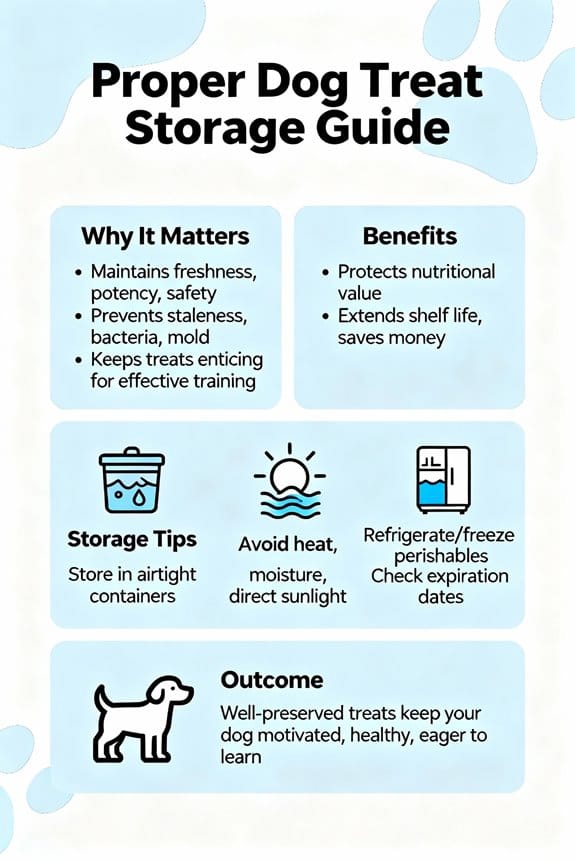
Does training get undermined by stale, rancid treats that lose palatability and nutrients, reducing learning and risking illness? Use airtight, food-grade glass/plastic containers with snug lids to limit oxygen, and store in a cool, dry place below 80°F. Maintain 30–50% relative humidity, avoid sunlight, keep original packaging inside containers for ingredient lists and lot numbers. Rotate stock FIFO, wash containers, discard treats showing mold, foul odors, or texture changes, and continue for more safety steps.
Key Takeaways
- Store treats in airtight, food-grade containers in a cool, dry place away from direct sunlight and heat.
- Keep original packaging inside the container for ingredient lists, expiration dates, and lot numbers in case of recalls.
- Maintain 30–50% relative humidity and temperatures below 80°F; rotate stock using first-in, first-out.
- Wash and fully dry containers between refills; discard treats showing odor, mold, discoloration, or oily texture.
- Store treats out of pets’ reach in lockable containers and assign one caregiver to manage and monitor use.
Why Proper Treat Storage Matters
You may be interested

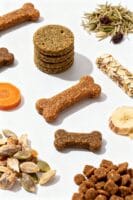
Many owners will find that proper treat storage directly affects training success, preserving freshness and preventing spoilage when handled correctly. Proper storage reduces exposure to oxygen and slows rancidity, keeping flavors and nutrients intact for longer periods during training. Should product labels be retained, they provide batch numbers, ingredient lists, and recall information important for health and safety. Regularly washing and fully drying treat storage vessels prevents bacterial growth, which otherwise could contaminate treats and harm dogs. Keeping treats out of sight and in secure locations prevents premature anticipation, and helps maintain focus during training sessions. What happens when treats absorb moisture or odors, or are stored near strong-smelling foods? They lose palatability and efficacy, resulting in reduced responsiveness and wasted training time daily. Durable, waterproof materials are essential for treat pouches to protect against moisture and wear, ensuring treats remain fresh and effective during training sessions.
Choosing the Right Container
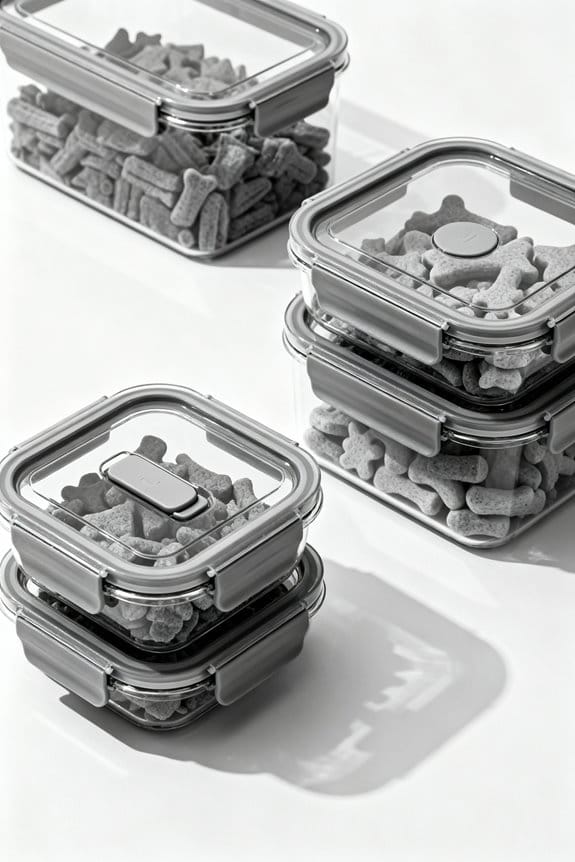
Airtight storage is essential, as oxygen and humidity can degrade treats within weeks, causing rancidity or loss of aroma. One should choose airtight containers made of food-grade plastic or glass, with snug-fitting lids to exclude air and pests. Why keep containers clean and dry before filling them, and how does that prevent mold growth and odor transfer? Storing original packaging inside the container preserves ingredient lists and expiration dates, which aids safety and recalls. Use smaller, clear containers for visibility during training sessions, they allow quick access without distracting the dog. Label containers with treat type and purchase date, so freshness can be tracked and older supplies used first. In larger households, multiple containers reduce cross-contamination, and rotation maintains ideal quality. Replace when necessary. For those engaged in varied activities, choosing lightweight designs ensures ease of carrying treats during training or walks.
Keeping Original Packaging Accessible

Prudence dictates that the original packaging for training treats remain accessible, since ingredient lists, lot numbers, and expiration dates provide essential safety information. Keeping original packaging accessible allows handlers to check for recalls, verify allergens, and confirm caloric content before a training session, which reduces health risks. If treats are transferred to airtight containers, the original bag should be stored nearby, labeled, and retained for at least the product’s shelf life, often six to twelve months. What if a problem arises, a pet reacts, or a recall is announced; can reference prevent harm and speed response? For example, noting lot numbers and manufacture dates enables precise reporting to manufacturers, retailers, or regulators. This practice combines practicality with safety, ensuring informed use during sessions. When selecting a harness, it is important to measure the neck and chest accurately to ensure a proper fit, as this is crucial for the comfort and safety of your pet.
Best Temperature and Humidity Conditions
After keeping original packaging available for reference, handlers should store training treats in a cool, dry area, below 80°F. Relative humidity should remain between 30% and 50% to prevent stale texture and mold growth, for example a basement or climate-controlled closet often meets these levels. Avoid direct sunlight and heat sources, such as ovens or sunny windows, because exposure accelerates rancidity and nutrient loss. A no-pull front-clip harness can aid in effective leash training while walking your dog. How should one monitor conditions to protect food and treats, thermometer and hygrometer readings checked weekly provide reliable data? Rotate stock using first-in, first-out, and discard items past expiration dates to maintain safety. In humid climates consider dehumidifiers or elevated storage shelves, while in hot regions use air-conditioned rooms, both reduce spoilage risks. Regular checks catch early signs of spoilage.
Airtight Strategies for Long-Lasting Freshness
Many handlers place sealed treats in rigid, food-grade containers, like 1- to 2-quart jars or 2- to 4-liter plastic bins, for consistent protection. Storing treats in airtight containers prevents oxygen and moisture exposure, which causes spoilage and rapid loss of freshness. Leaving original packaging inside the container preserves product labels and nutritional information, and it reduces risk of oil-driven rancidity. How much should be bought, one might ask, enough to last a few weeks rather than months, to avoid waste and maintain palatability? Proper sealing also minimizes scent leakage, which prevents attracted pets from locating and consuming supplies prematurely. When these strategies are combined, treats remain fresher longer, shelf life extends, and training sessions retain consistent reward quality for handlers and dogs alike, reliably. For dogs that may be reactive during training, using basket muzzles helps ensure safe interactions while maintaining comfort and control.
Recommended Products

IP66 WATERPROOF & AIRTIGHT SEAL: Our food crate features an impressive IP66 rating, ensuring it remains dust tight and impervious to powerful jets of water from any direction. This feature not only protects your pet's food from moisture but also guards against UV light, rancidity, and decay, keeping it fresher for longer periods.

MATERIAL- All-virgin low density polyethylene. Food grade safe. Non Toxic & Odorless- Freezer safe.

CRYSTAL CLEAR PLASTIC Lightweight, Impact Resistant, BPA free (Not Dishwasher Safe) Freezer Safe Food Grade PET Plastic Containers
Cleaning and Maintenance of Treat Containers
Handlers should wash and dry treat containers thoroughly with soap and warm water between refills, preventing oil buildup and bacterial contamination. They should guarantee containers are completely dry before adding new treats, since moisture compromises freshness and encourages bacterial growth over time. Regular inspections identify spoilage early, discard treats with off odors or unusual textures, this prevents illness and wasted supplies for dogs. Use airtight containers to limit air exposure, store smaller portions for frequent sessions, these practices reduce rancidity and spoilage effectively. Routine cleaning schedules, recorded on labels or calendars, help maintain hygiene, and guarantee handlers can safely regularly carry treats during outings. If treats are transported, choose secure, clean containers, wipe exteriors after use, and replace liners when visible soiling occurs immediately. Consider selecting containers made from water-resistant materials like 600D nylon or silicone, which are easy to clean and help keep treats fresh.
Storing Fresh or Opened Pouches and Cans
When opened pouches or cans are not kept airtight, freshness declines quickly, odors escape, and bacterial risks increase. Store opened pouches and cans in airtight containers, resealable plastic bags, or original tins with tight lids, label each with the opening date, and place refrigerated items promptly. Unused portions of canned treats should be refrigerated immediately, and consumed within 3-5 days to avoid spoilage. If using plastic bags, reseal them tightly after each use, squeeze out excess air, and write the date on the bag. Keep sealed containers in a cool, dry place if room temperature storage is appropriate for the product, but avoid leaving perishable treats out for extended periods. Regularly check for off-odors, mold, or texture changes, and discard questionable items promptly afterwards. Consider using 600D Nylon treat bags for their durability and ease of cleaning, which helps maintain the quality of treats during training sessions.
Recommended Products

【Large Kitchen Cabinet】This pantry cabinet has a large capacity, 8 storage compartments behind 8 doors, which can store food, tableware or pet supplies, etc. 2 drawers, multiple shelves, and a large countertop can perfectly solve the storage problem of a messy kitchen

AIRTIGHT LIDS INCLUDED: Equipped with airtight black aluminum lids, these candy jars keep the candies fresh and avoid air exposure from affecting the quality and flavor. Relish your favorite treats!
Preventing Accidental Access and Overconsumption
Several practical precautions, such as airtight containers, opaque bags, and high placement, greatly reduce accidental access and limit overconsumption. Store treats in sealed containers, divide portions into daily amounts, and label each package with counts to control servings. Use opaque treat bags during Dog Training sessions to keep focus, or place sealed pouches in inaccessible cupboards to prevent scavenging. How can handlers prevent unintended snacking when multiple people live together? Make sure each caregiver knows storage locations, and assign responsibility for replenishing portions to one person to avoid overfilling. Position treat storage at heights beyond a dog’s reach, and use latches or closets when necessary, because secured storage lowers the risk of accidental ingestion. Practice consistency, monitor usage, and adjust portions based on intensity. Creating a calming environment around the crate can help reduce anxiety and prevent behaviors that lead to overconsumption of treats.
What to Do If Treats Smell Off or Appear Contaminated
A foul smell or visible mold on training treats signals immediate action, and each package should be removed from the feeding area at once. Caregivers should stop use immediately if treats emit odors, display discoloration, feel unusually oily, or have changed texture, because spoilage risks gastrointestinal issues. Check packaging for expiration dates and lot numbers, document photos, and report concerns to the manufacturer, which aids recalls. Discard contaminated treats in sealed trash, and clean storage containers with hot, soapy water before reuse. Store replacements in airtight containers, at cool dry temperatures, to reduce moisture exposure. If a pet develops vomiting or diarrhea after ingestion, seek veterinary care, provide best-by dates and lot numbers, and follow professional guidance for testing or treatment. Document all steps. Most crates come with leak-proof removable trays for hygiene, which are essential for maintaining cleanliness and preventing contamination in pet environments.
Frequently Asked Questions
What Is the 3 3 3 Rule for Dog Training?
The 3 3 3 rule is three phases after adoption: three days to settle, three weeks to adjust to routine, and three months to integrate; observers use it to pace Training Techniques and set expectations.
What’s the Best Way to Store Dog Treats?
Treat Storage should be in airtight, opaque containers kept in a cool, dry place; original packaging and clean containers preserve freshness, prevent contamination, limit scent leakage, and guarantee expiration dates accessible for safe, effective training.
What Is the 80/20 Rule for Dog Food?
Like a painter’s canvas of kibble and praise, the 80/20 rule means 80% of dog’s intake is complete, balanced food and 20% treats or extras, preserving Diet Balance, preventing overfeeding, and supporting overall health goals.
How Many Training Treats a Day for a Dog?
Approximately up to 100 small training treats per day is reasonable for many dogs; Treat Limitations require treats under 3 calories (≈0.25 inch) so total rewards stay below ten percent of daily caloric intake allowance.
Conclusion
Proper storage preserves nutritional value and prevents spoilage, for example keeping treats below 75°F and under six months. Use airtight containers, labeled with dates and portion sizes like ten pieces per session, to control access and freshness. What if a pouch smells off, or insects appear; discard within 24 hours, document batch, then replace immediately. Coincidentally, a shelf that once held kibble and training clicker can remind caregivers to inspect humidity, temperature, and seals regularly.