As an Amazon Associate, we earn from qualifying purchases. Some links on this site are affiliate links at no extra cost to you. Our recommendations are based on thorough research and editorial judgment.

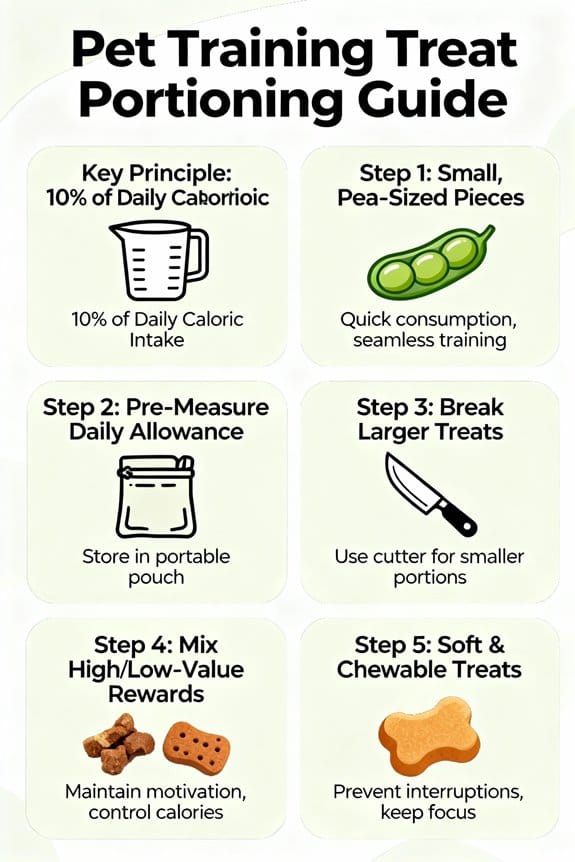
How to Portion Treats During Training

Owners should limit treats to ten percent of a dog’s daily calories, for example 40 kcal of treats for a 400 kcal allowance. Calculate needs using RER: body weight in kg ×30+70, then multiply by activity factor, for instance 1.2 for light activity. Pre-measure treats, break them into pea-sized pieces, or use 2.3 kcal mini-treats for frequent reinforcement. Reduce meal portions accordingly, monitor weight weekly, and follow phased reward schedules to maintain progress, more guidance soon follows.
Key Takeaways
- Limit treats to about 10% of daily calories to prevent weight gain.
- Calculate daily needs with RER: kg × 30 + 70, then adjust for activity level.
- Pre-measure and count treats, breaking larger treats into pea-sized pieces for frequent reinforcement.
- Alternate food rewards with toys, praise, or short play sessions to reduce calorie reliance.
- Weigh your dog weekly and keep a training log to adjust treat portions as needed.
The 10% Rule for Training Treats
You may be interested

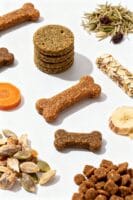
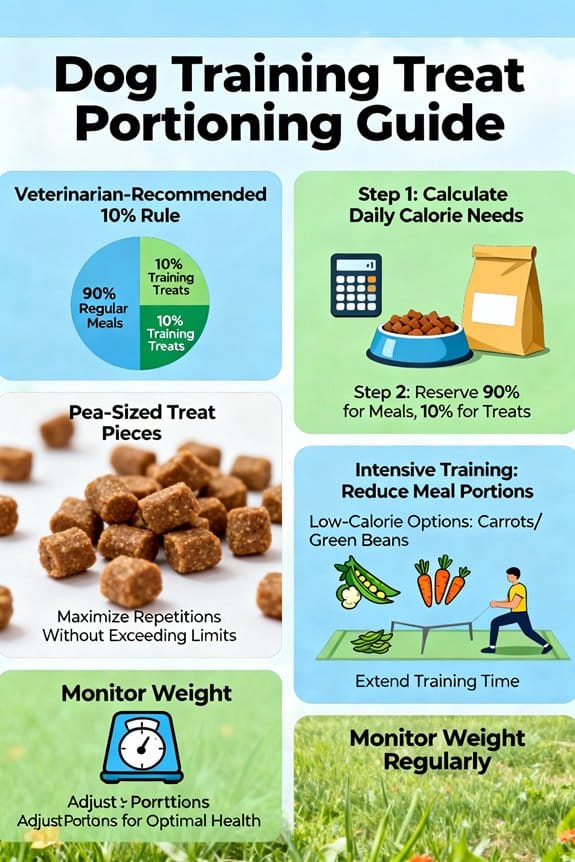
One clear guideline is the 10% Rule for training treats, which limits treats to ten percent of a dog’s daily caloric intake. Trainers recommend that treats stay within that proportion, for example, a dog’s daily 400-calorie allowance permits forty treat calories daily, which prevents excess feeding. How can handlers use this rule during positive reinforcement training, without compromising rewards, and still achieve frequent successful repetitions during sessions? By selecting low-calorie, high-value healthy treats, breaking pieces into smaller bites, and using partial food rewards mixed with praise, handlers maintain motivation. Monitoring weight regularly, adjusting portions when weight changes occur, tracking condition scores, guarantees long-term balance. This approach supports consistent behavior shaping, and reduces obesity risk, so trainers can reinforce desired actions while preserving nutritional integrity. It is also important to consider the material choice of dog leashes, as selecting the appropriate material based on the dog’s size and strength can enhance safety and control during training sessions.
How to Calculate Your Dog’s Daily Calorie Needs
After establishing treat limits via the 10% guideline, handlers must calculate a dog’s daily calorie needs to allocate food and rewards appropriately. The Resting Energy Requirement is calculated as body weight in kilograms multiplied by thirty, then add seventy, yielding resting daily calories. How should activity be considered, light activity uses a multiplier of 1.2, while very active dogs may require up to 2.0, increasing total needs accordingly? For example, a dog with 400 daily calories may receive no more than forty calories from dog treats, preserving nutritional balance and preventing weight gain. Handlers should convert a dog’s weight to kilograms accurately, apply the appropriate activity multiplier, and sum totals. Regular veterinary consultation guarantees adjustments for age, health, and lifestyle. Adjust plans as needed. When selecting a leash, consider the tensile strength ratings to ensure reliability and safety, especially for larger breeds.
Recommended Products


10-Layer Stainless Steel Trays: This food dehydrator has ten stainless steel trays that are food-grade 304 and measure 14.8 x 11.2 inches / 377 x 285 mm each. Each layer can hold up to 1.7 pounds of food, so you can dry different types of fruits and vegetables all at once.
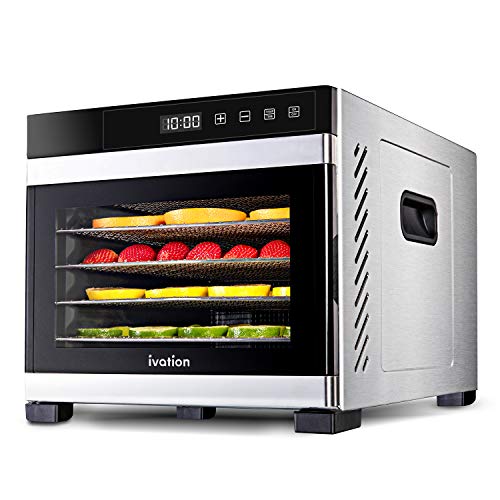
REAR-MOUNTED AUTOMATIC FAN: The Fan Inside This Dehydrator Circulates Warm Air with 600W of Heating Power to Ensure Your Food Product Is EVENLY DRIED from All Angles.
Measuring and Pre‑planning Treat Portions
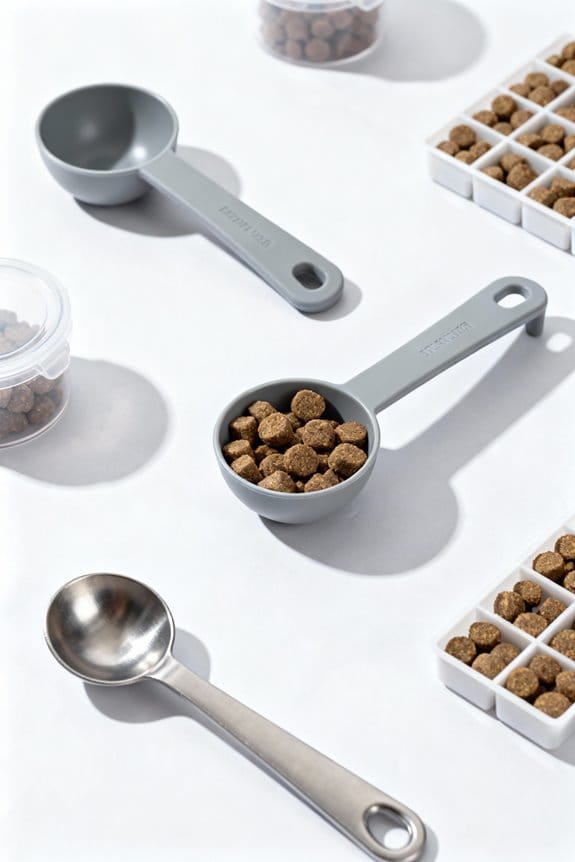
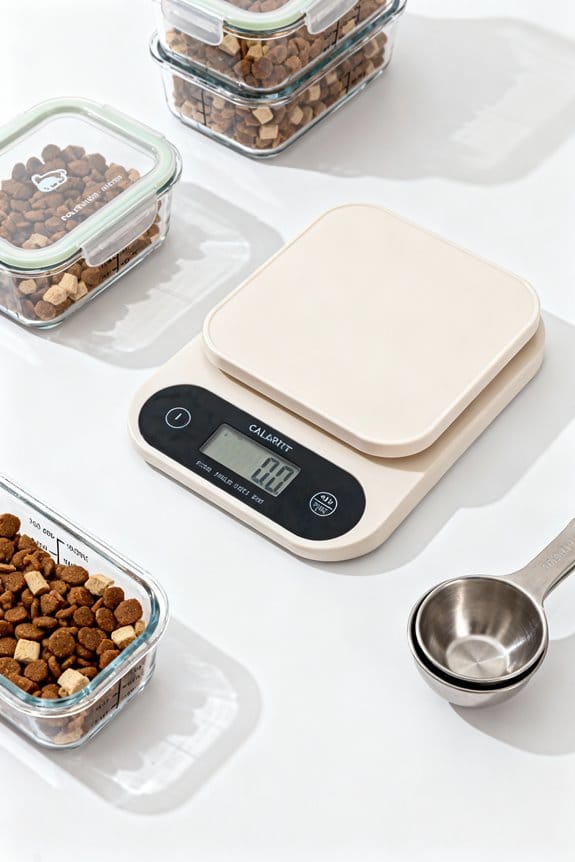
Because pre-measuring treats prevents accidental overfeeding, handlers should weigh or count portions before every session to control calories precisely. A common rule uses pea-sized pieces, which keep each reward small, guarantee treats do not exceed ten percent of daily intake. How many pieces equal ten percent for a ten kilogram dog, for example, considering caloric density? Breaking larger rewards into quarters or eighths allows frequent reinforcement, and as a result, faster learning, without surpassing calorie budgets. Handlers can adjust regular meal portions downward, to compensate for treat calories, maintaining the dog’s health and body condition. Keeping a training log records counts and times, so trends are visible, and adjustments become simple. Weighing treats on a kitchen scale, or counting pieces, produces reliable results in daily practice. Using durable clickers with distinct sound quality can enhance the effectiveness of training sessions.
Recommended Products
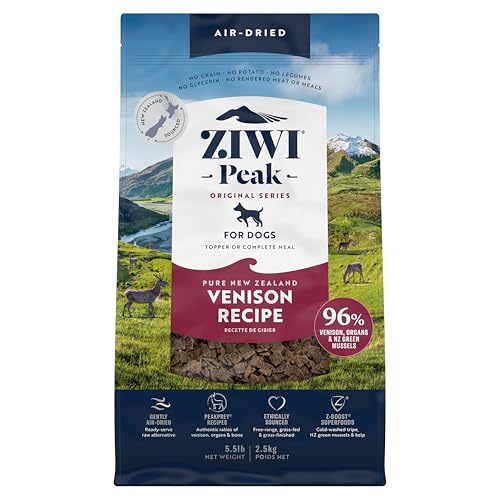
HIGH PROTEIN, NUTRIENT DENSE: Featuring free-range Venison Deer, Organs, Bone, and New Zealand Green Mussels, this grain-free dog food delivers nutrition with a mouth-watering taste for all dogs. Gentle air dried processing retains the goodness of the raw ingredients. This food offers stimulating crunchy texture small enough for puppy food but soft enough for senior dog food.

Portion control your cat’s food to avoid binge-eating

Choosing Low‑Calorie and High‑Value Training Treats
With portion sizes planned, handlers should select treats that are low in calories yet high in motivational value for training sessions. Choosing low-calorie training treats like Zuke’s Mini, at about 2.3 kcal each, allows many repetitions, and preserves daily caloric limits of roughly 10 percent. What options increase motivation without excess calories? High-value treats such as freeze-dried chicken provide strong reinforcement, and also supply concentrated protein for muscle support. Alternating crunchy and soft textures offers variety, and accommodates individual preference while maintaining calorie control. Healthy alternatives like carrot sticks or cucumber slices reduce calories further, and add vitamins and hydration. Should owners need tailored options, controlled-ingredient homemade recipes permit precise calorie management, and adaptation for allergies or weight goals, while supporting consistent training outcomes. Consider ergonomic and lightweight design in training tools like ACME Alpha 211.5 Professional Dog Training Whistle, which minimizes hand fatigue during prolonged use.
Recommended Products

SUPPORT DIGESTIVE HEALTH FOR SENSITIVE STOMACHS: Grain-free and vegan, our pumpkin and sweet potato dog treats are packed with natural fiber to promote healthy digestion and regular bowel movements—perfect for dogs with sensitive stomachs, food allergies and a low fat diet.

SINGLE INGREDIENT, BONITO — Made with 100% pure wild-caught bonito fish. Simple, clean, fish-first nutrition designed to support healthy muscles, energy, and everyday wellness.
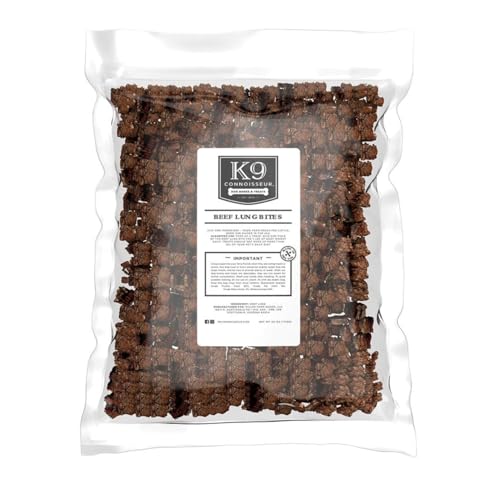
ALL NATURAL: Single ingredient dog treat with no preservatives or artificial flavors. These beef dog treats are not only healthy dog treats but also grain free dog treats.
Homemade Treat Ideas for Portion Control
Prepare small, pre-portioned homemade treats, such as pyramid dog treats measuring about 1 cm and roughly 2–3 kcal each, to support frequent, low-calorie rewards. Homemade treats can be tailored to allergies, using rice flour or pumpkin, and still remain low in calories. What recipes work best, simple peanut butter and pumpkin biscuits broken into quarters provide high value without excess calories? Portion control is aided by pre-measuring batches, placing individual pieces in a jar, and labeling calorie counts per piece. Trainers should break larger biscuits into uniform bits, increasing reward frequency while keeping daily intake within limits. Frequent, small rewards maintain focus during dog training, and concrete measurements prevent accidental overfeeding. Consistent portioning simplifies tracking, supports weight management, and sustains training effectiveness for health. For dog training, quick, one-handed access to treats is crucial for efficient reward delivery and maintaining the dog’s focus.
Recommended Products

Varied And Natural Lamb Ears - No two ears are alike, giving your dog a different challenge and flavor every time. These treats satisfy your dog's natural instincts to chew and explore.

HEALTHY BEEF JERKY STICKS - We use meat from cattle that are 100% grass-fed and finished, and pasture-raised. They're non-GMO and never given hormones or antibiotics. Enjoy delicious meat sticks that are healthier and more nutritious!

RECOMMENDED SIZE: Like all pets, each antler is different. If your pet is an aggressive chewer, we recommend going up at least one size. This Split Elk Antler Dog Chew – Jumbo Treat – 5-Count is sized for Dogs 100+ lbs. Our Jumbo Split Elk Antler Dog Chew will be 8-11″ long and weigh 9.1-13 oz.
Alternatives to Food Rewards: Toys, Praise, and Play
Although many trainers rely on food rewards, toys, verbal praise, and play offer effective, low-calorie alternatives that sustain engagement while limiting caloric intake. Trainers can substitute a short fetch session, ten throws of a ball, as a reward after five correct repetitions, which increases physical activity and focus. Using toys such as tug ropes or puzzle toys provides mental stimulation, reduces treat dependence, and encourages independent problem solving. Verbal praise, given immediately with consistent tone and brief phrases, reinforces behavior without adding calories, and it pairs well with light petting. Why not alternate motivators each minute or session to maintain interest, and prevent boredom or food fixation? Non-food rewards allow balanced training programs, adaptable to varied dog preferences and energy levels, and owner needs. Incorporating positive reinforcement techniques into training can further enhance your dog’s learning experience and build a joyful partnership.
Using Treats Strategically During Training Sessions
Divide treats into measured portions before a session, using small pieces to allow frequent reinforcement without exceeding calorie limits. Trainers should apply strict portion control, because treats must remain under ten percent of daily caloric intake to prevent weight gain and maintain balanced nutrition. How many mini treats equal ten percent, for example? A 1000 kcal daily allowance permits up to 100 kcal from treats, which equals about forty-three Zuke’s Mini treats at 2.3 kcal each, or fewer if not using healthy treats. Pre-measuring guarantees consistent sizes, reduces impulse overfeeding, and preserves the impact of positive reinforcement. Smaller pieces allow rapid successive rewards, while alternating with praise or toys keeps engagement high and supports long-term learning without excessive calories. Measure portions with a scale. When selecting training tools like agility tire jumps, adjustable height options allow trainers to tailor exercises for different dog sizes, enhancing confidence and performance.
Recommended Products
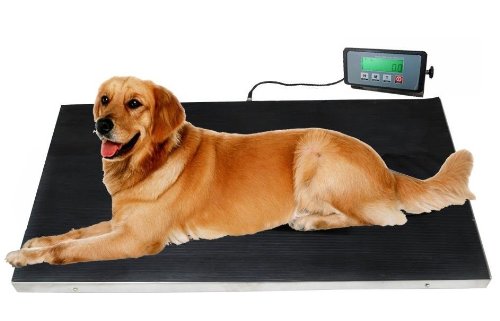
✔【37" x 20" Heavy Duty Stainless Steel Platform】- Constructed with a robust stainless steel platform that is resistant to corrosion, and it includes a heavy duty rubber mat. This combination provides durability and a non-slip surface for animals, ensuring their comfort and safety during weighing.
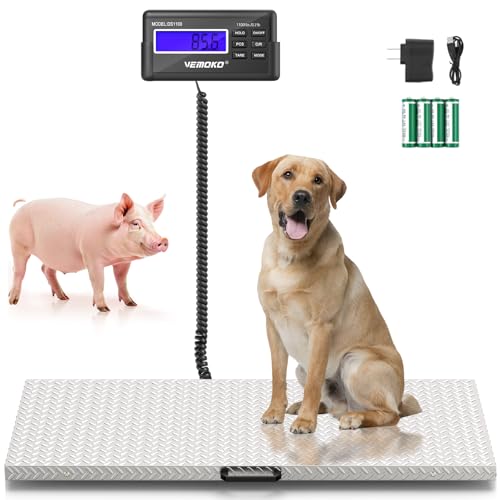
1100 lb Heavy-Duty Capacity with 0.2 lb Accuracy: Designed for professional breeders and ranchers, this livestock scale accommodates 3 Dobermans or 2 quarter-ton hogs on its 201-grade stainless steel platform (40.7"x20.9"). Engineered for precision, it’s the ultimate dog scale for large breeds like restless Great Danes, pigs, or sheep, ensuring accurately manage load and comply with transportation/farming regulations. The monitor and accessory charger are stored in the rear compartment and require a tool to unscrew the compartment cover. They are not missing!

Max Load Capacity 1100lbs, Accuracy 0.2lbs - Pet scale delivers accurate readings, crucial for monitoring your pet’s weight over time. Whether you have a small cat or a large dog, this scale accommodates pets of all sizes, providing reliable measurements with each use.
Adjusting Meal Portions to Account for Treats
Many dog owners must adjust daily meal portions slightly, when treats are added, to prevent an unintended calorie surplus. To maintain a healthy weight, treats should remain under ten percent of total daily calories, so a 400 calorie dog receives no more than 40 calories from treats. When treats total 30 calories, regular food should be reduced by a similar amount to balance intake. Different treats vary in calorie density, so calculating caloric content is essential before adjusting meal portions. Should adjustments prove unclear, simple subtraction of treat calories from meal calories provides an immediate solution. Over time, small reductions prevent gradual weight gain, and support healthy body condition without sacrificing training effectiveness. Regular checks of the snug fit below the dog’s ears are essential for ongoing comfort during training sessions. Consult a veterinarian for individualized calorie targets and portion guidance regularly.
Monitoring Weight, Appetite, and Digestive Health
When owners monitor weight weekly on a reliable scale, they can adjust treat portions precisely, preventing gradual calorie excess and obesity. A simple training log noting dates, treat calories, and body condition allows comparison after changes. What indicates over-reliance on treats, a decreased interest in kibble or sudden weight gain, should prompt reductions. Practicing monitoring weight, appetite, digestive health clarifies causes, for example small weight loss with poor appetite may signal illness. Introduce new treats gradually over days, observe stool quality and frequency, reduce amounts if diarrhea or constipation appears. If owners record two percent weekly weight change, or persistent appetite loss, consult a veterinarian for feeding guidance. Clear thresholds, such as keeping treats within ten to twenty percent of daily calories, help maintain stable condition. Using reflective leashes during walks can enhance safety, especially in low-light conditions.
Phasing Out Food Dependence With Intermittent Rewards
After establishing accurate weight and treat records, owners should reduce food rewards gradually to prevent calorie creep and behavioral dependence. Training plans shift treats into smaller pieces, intermittent rewards and alternative motivators, for example using two small kibble bits instead of one large treat, or three brief praise-play intervals per session. How often should food be withheld while still reinforcing learning? A common schedule moves from continuous rewards every correct response, to reward ratios of one in two, then one in four, and finally random intermittent rewards, preserving engagement. Verbal praise and petting provide positive reinforcement alongside occasional treats, and toys or affection replace food in many contexts, so dogs remain motivated without caloric excess. Owners should monitor weight, adjust portions, and regularly consult veterinarians. For effective clicker training, selecting durable materials ensures that the clickers withstand extensive use and provide reliable sound cues.
Frequently Asked Questions
How Many Treats to Give a Dog During Training?
About enough that calories stay under 10% of daily intake: they use small pieces so they can give many rewards; treat size, training frequency and reward timing determine total number per session, dozen tiny pieces.
What Is the 3 3 3 Rule for Dog Training?
The 3 3 3 rule is three days to settle, three weeks to reveal personality, and three months to build bond and train. By coincidence a leash, wag, Benefit balance, Timing techniques, Reward variations shape progress.
How to Phase Out Treats in Dog Training?
They phase out treats by implementing a gradual shift: slowly increase intervals between rewards while maintaining reward consistency, substituting verbal praise, petting, and play as alternative motivators, and using intermittent treats to reinforce reliable behavior.
What Is the 10 10 10 Rule for Dogs?
The 10 10 10 rule limits treats to ten percent of daily calories; 10 10 10 guidelines emphasize balance. Treat size considerations and training frequency impact calories, guiding owners reward without compromising nutrition or weight.
Conclusion
The 10% rule, followed precisely, prevents a ten-pound dog from gaining an extra pound a week, and preserves weight. Who wants unintended obesity when swapping one kibble for ten training treats can double calorie intake? Measure treats in grams, 2–3 gram pieces, plan 50–150 calories per session, and reduce meal portions accordingly to balance daily totals. Track weight weekly, adjust for growth or loss, and phase to intermittent rewards, using praise or toys after success.