As an Amazon Associate, we earn from qualifying purchases. Some links on this site are affiliate links at no extra cost to you. Our recommendations are based on thorough research and editorial judgment.

How to Introduce Your Dog to Clicker Training

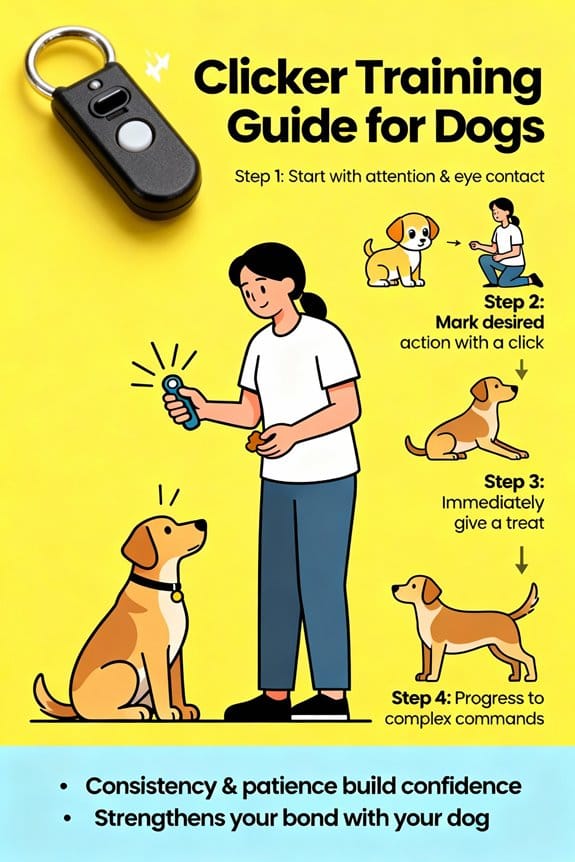
Clicker training starts by pairing a sharp click with a tiny high-value treat, repeated about 10–15 times per short 3–5 minute session, in a quiet room. The trainer clicks, then feeds immediately, creating a clear cue for behavior. Next, the trainer marks simple actions like sit or come, clicks the instant the behavior occurs, gradually adds verbal cues after consistent success. Troubleshoot by shortening sessions or changing treats, and proceed to more complex skills below.
Key Takeaways
- Gather a clicker, tiny high-value treats, quiet space, and plan multiple short sessions throughout the day.
- Load the clicker by repeatedly clicking then immediately giving a treat until the dog anticipates the reward.
- Begin with an easy, observable behavior (like sit), click the exact moment the behavior occurs, then treat.
- Keep sessions brief (3–5 minutes), repeat frequently, and gradually introduce a verbal cue once behavior is reliable.
- If progress stalls, check timing, reduce distractions, change treats, or switch to reward-only sessions temporarily.
What Is Clicker Training?
You may be interested
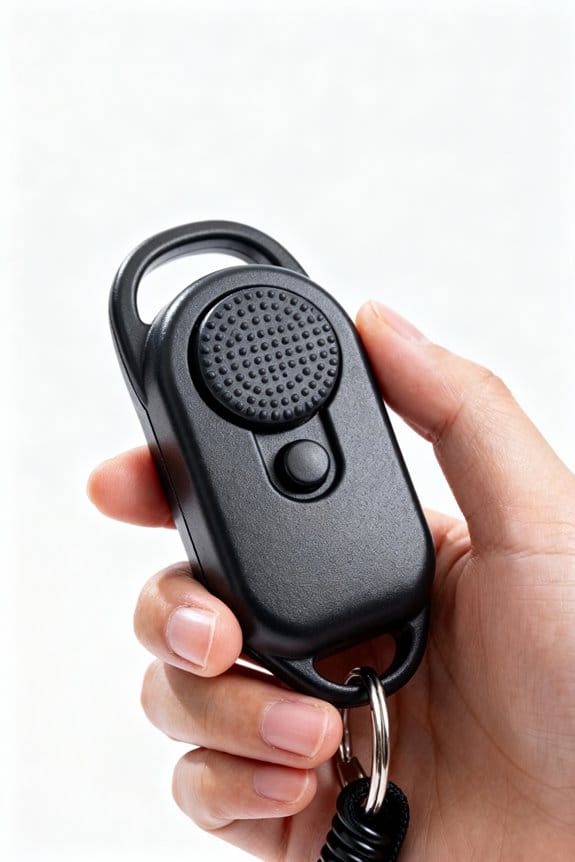
Although derived from marine mammal techniques, clicker training uses a small handheld device that produces a distinct, sharp clicking sound to mark behavior. It pairs the click with a reward immediately, so the dog learns that the click predicts treats or praise. Trainers first charge the clicker by associating the sound with treats, then introduce it during training sessions for clarity. How precise should timing be, one wonders, when the click must mark the exact moment of a desired behavior to be effective? This method emphasizes positive reinforcement, not punishment, so learning proceeds through encouragement, leading to faster acquisition of commands or tricks. It suits training dogs of all ages, including puppies and seniors, and both beginner handlers and experienced trainers, measurable progress follows. Ergonomic designs are favored as they minimize user fatigue during training sessions.
Preparing Your Dog and Supplies
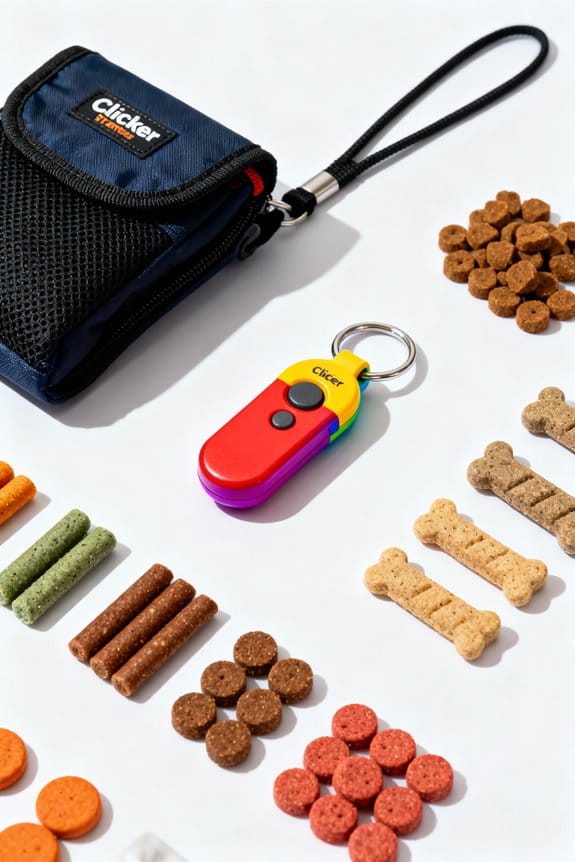
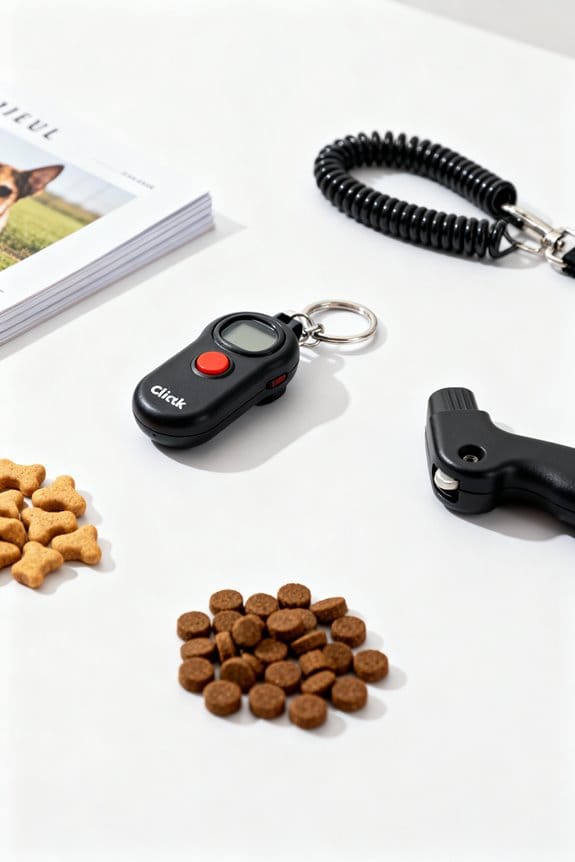
When preparing to introduce clicker training, gather essential supplies such as a clicker, small soft treats, and a training partner. The handler should select high-value treats that the dog prefers, cut into tiny pieces, to maintain motivation without overfeeding. Choose a quiet environment, free from distractions such as other pets, people, or noisy appliances, so focus increases during practice. Plan multiple short practice sessions of three to five minutes, allowing repetition across the day, which aids retention and prevents fatigue. Prepare supplies like a spare clicker, treat pouch, and clicker lanyard, so sessions begin promptly and run smoothly. Consider pealess designs for training tools to ensure consistent signals and reliability during sessions. How should progress be tracked, and when should difficulty increase, depends on consistent, measured results and clear session goals. Record notes to reinforce positive association daily.
Recommended Products

The ECO version refresh of our popular dog training vest features a softer shell fabric for more comfort and roomier, quick-access pockets that make rewarding your dog even easier

OUR BIGGEST STATION, MAXIMUM TREAT CAPACITY: The widest 13.5" shelf paired with three large 32oz jars — double the storage of our 16oz build — so you can keep treats, supplements, dental chews, and training rewards each in their own roomy, airtight jar. The complete wall mounted dog treat holder for homes that go through a lot of treats, or a lot of dogs

[LARGE SIZE]: 118.1 x 39.4 Inch (Pack of 1). Dog grass pad is large enough ideal for medium/large dogs to lying down/scrolling it or other training actions. If its sometime not convenient for you to take your pet out, then I believe this artificial turf is definitely your best choice. *Tips: For indoor pet potty training, recommended placing a disposable pee pad on the bottom.
Loading the Clicker: Creating the Click‑Treat Bond
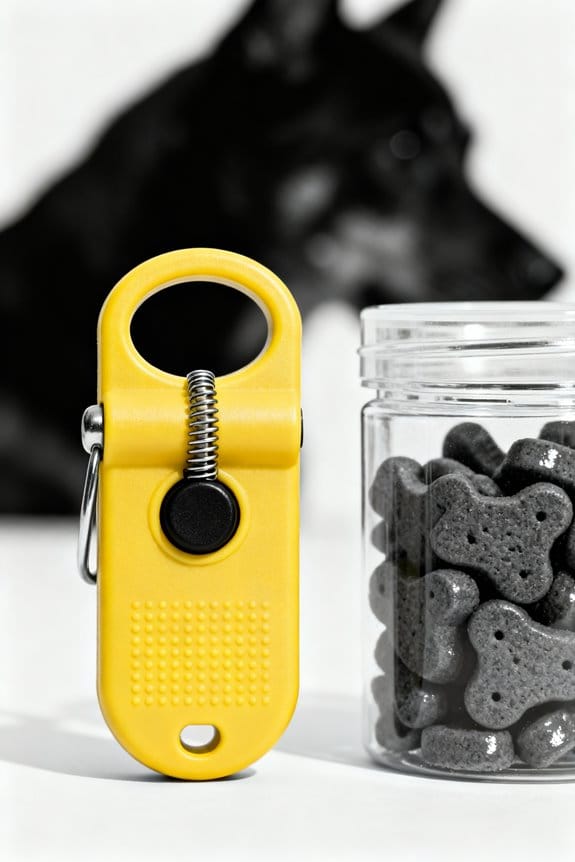
Begin by creating a simple, predictable routine: click the device, then immediately offer a tiny, high-value treat, repeating steadily. Loading the Clicker requires repeating the pairing about 10 to 15 times per session, so the dog learns the clicking sound predicts food. Which sign indicates success? If the dog looks for a treat after the click, the association is forming. Use pea-sized or raisin-sized morsels to avoid overfeeding, and click the clicker only when about to give a treat, keeping timing precise. Make the click distinct, consistent, and audible from a short distance, in a quiet room or during a brief outdoor session. The Puppy Primer emphasizes the importance of using positive reinforcement techniques, similar to clicker training, for effective dog training. After successful loading, the handler can begin marking behaviors with confidence. Repeat sessions daily briefly, varying context to strengthen the bond.
Recommended Products
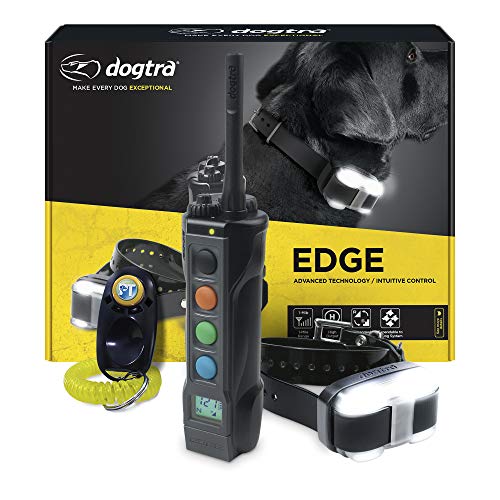
Get an Edge in the Field - Work with up to 4 dogs simultaneously. This dog hunting collar is perfect for wetland, upland and other hunting types. Each colored button on the remote corresponds to a receiver collar with the same colored strap.

Get An Edge In The Field - Expendable system that works with up to 3 dogs. One mile range gives you plenty of long range distance for hunting, competitions, and K9 work. Perfect for medium and large dogs 35+ lbs with 12 - 23 inches neck size.

HIGH PROTEIN, NUTRIENT DENSE: Featuring free-range Chicken, Organs, Bone, and New Zealand Green Mussels, this grain-free dog food delivers nutrition with a mouth-watering taste for all dogs. Gentle air dried processing retains the goodness of the raw ingredients. This food offers stimulating crunchy texture small enough for puppy food but soft enough for senior dog food.
Teaching Basic Behaviors With the Clicker
After successfully loading the clicker, training moves to teaching simple behavior like sit, come, and down, reinforcing natural responses. Clicker training practitioners select clearly observable behaviors, start with sit and come, and pair each success with a click and treat to build understanding rapidly. Sessions remain brief, practice sessions short at three to five minutes, and repeat multiple times daily to improve retention and focus. Use small movements or lures to guide the dog, fade those aids over trials, and add verbal cues when responses become reliable. How does one progress from shaping to cues, without confusing the animal? By introducing new behaviors gradually, reinforcing consistency, and increasing challenge only after reliable performance, trainers give your dog predictable expectations and steady success. Practice daily. Chew toys provide distraction and soothe sore gums during teething, which can help keep a puppy engaged and focused during clicker training sessions.
Recommended Products

ALL YOUR DOG GEAR BY THE DOOR, IN ONE PLACE: A true three-in-one dog leash holder for wall — sturdy hooks for leashes and harnesses, a handy shelf for the daily stuff, and two airtight treat jars that keep training treats fresh and within reach. The wall mounted dog treat station that finally ends the entryway clutter.

MADE WITH WHOLESOME INGREDIENTS YOU CAN TRUST: Every Inaba product is made with yummy ingredients including farm-raised chicken and/or wild-caught tuna
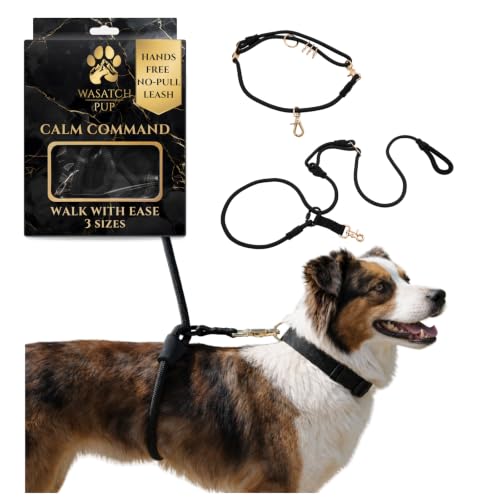
UNIQUE & INNOVATIVE WRAP-AROUND TECHNOLOGY – When your dog walks calmly, the leash stays slack with no pressure. The moment they pull, the loop gently tightens around the chest and underbelly, creating instant feedback that clearly communicates pulling doesn’t work. This natural cause-and-effect helps dogs quickly teach themselves to walk calmly, making training easier and walks more enjoyable.
Timing, Clicks, and Treats: Mastering Precision
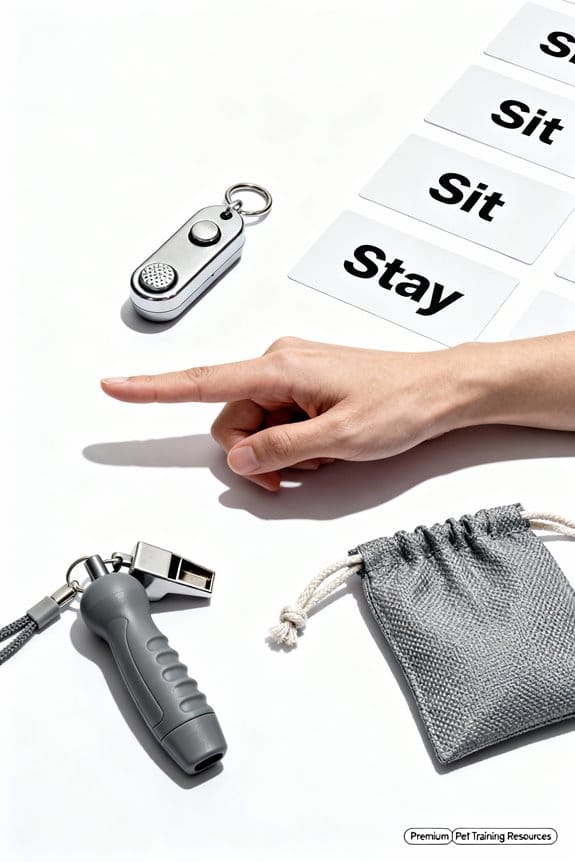
Mastering timing requires the handler to click the instant a dog performs the desired behavior, then deliver a treat within one to two seconds. Trainers should practice on simple cues like sit and stay, clicking as the dog completes the action, and immediately give treats, which clarifies the connection between action and reward. Use a soft click option if the click sound startles the dog, otherwise maintain placement of the device. After the click and give small treats small enough for quick consumption, repetition speeds and reduces distraction. What happens if the handler clicks late? The dog may learn the wrong cue, causing confusion about which behavior that’s being reinforced. These training tips promote clear signals, steady reinforcement, and reliable making progress. Consider using one-handed operation treat pouches to enhance efficiency during busy training sessions.
Recommended Products

SMART PUZZLE TOYS FOR BOREDOM: Our interactive puzzle toy treat dispenser blocks feature 1 to 5 difficulty levels, giving your pup a mentally stimulating game for beginner, intermediate and advanced puzzle play. They're mental stimulation games for dogs

Dog Treat Pouch For 2 Dogs - Slide belt through the loops provided in back of pouch then connect leash to belt. Next, connect the extension to the main bungee leash.
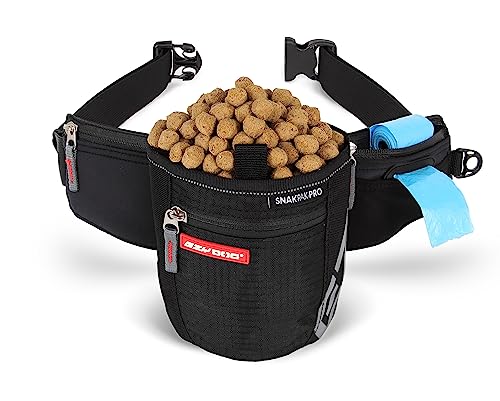
WEARABLE DOG TREAT BAG TRAINING POUCH WITH PICK-UP BAG DISPENSER AND BELT: Our wearable dog treat bag features a pick-up bag dispenser and additional pockets for storage as well a convenient magnetic closure, comfortable adjustable belt, and secure front zip closure for storing your keys or money.
Troubleshooting Common Training Challenges
Once timing, clicking, and treat delivery are practiced precisely, handlers will still encounter common problems that require systematic troubleshooting. If a dog seems uninterested, handlers should use a quieter space, reduce distractions, and shorten session time to two to five minutes. When desired behavior fails to appear, check that the clicker is loaded with consistent rewards, click the dog and Give the treat within half a second for a clear association. If frustration causes clicks to mark corrections, stop using the device, maintain positivity, and return later. For hesitation or fear, switch to a softer device or reward-only sessions, reinforce small steps, and teach your dog simple approximations. Positive reinforcement techniques, such as clicker training, are beneficial for establishing better communication and should be tailored to your dog’s temperament. Always move in the right direction, progress gradually, and reward approximate success to build reliable performance.
Recommended Products
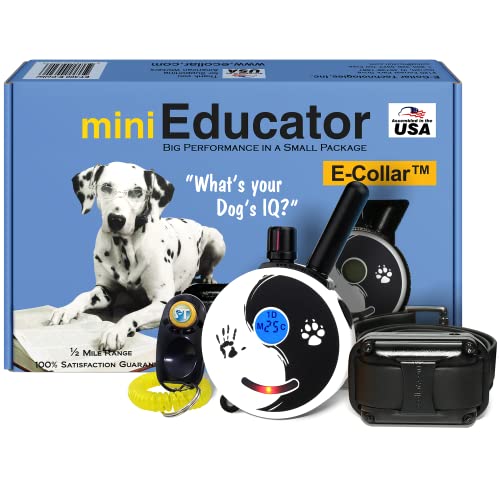
COMFORTABLE FIT FOR ALL BREEDS: Designed for dogs 15+ lbs with adjustable neck sizes from 10–26 inches, this lightweight professional remote training collar provides a secure, comfortable fit for long wear, ensuring effective and stress-free training sessions.

ET-300 ONE-DOG SYSTEM – 1/2 MILE RANGE: Mini Educator remote training collar designed for small to medium dogs 10 lbs and up with neck sizes 5"–22.5". Proper collar fit and contact point placement are essential for reliable performance, especially on long or thick coats. Not intended for puppies under 10 lbs. Every system is factory tested before packaging to confirm operation and pairing.
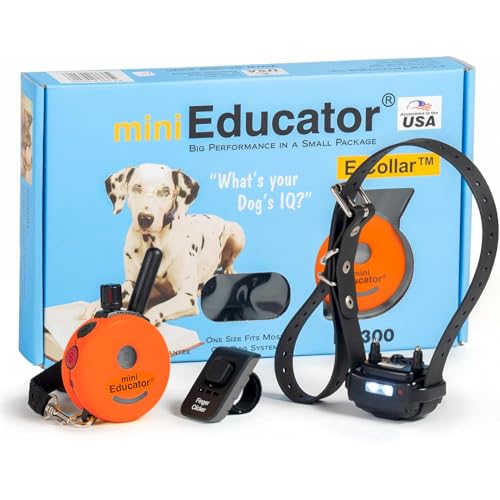
ET-300 ONE-DOG SYSTEM 1/2 MILE RANGE: Mini Educator ET-300 remote training collar designed for small to medium dogs 10 lbs and up with neck sizes 5"22.5". Effectiveness depends on proper fit and contact with the contact points, especially for long or thick coats. Not intended for puppies under 10 lbs
Next Steps: Adding Cues and Building Complexity
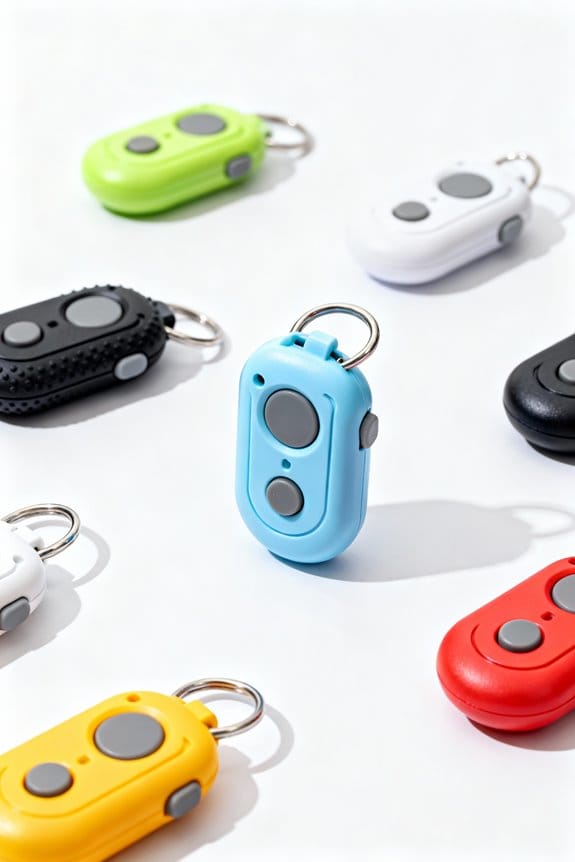
Introduce a clear verbal or visual cue when the dog performs the behavior reliably, using single words or gestures and consistent timing. Trainers should begin to use clicker training by pairing the cue with immediate clicks and rewards, reinforcing the association quickly. For example, give a treat when teaching a dog to sit, click as the posture is achieved, then reward within one second. As reliability increases, use the clicker only when the cue evokes the particular behavior, and continue to click intermittently to maintain performance. Maintain a positive environment, minimize distractions during sessions, and gradually add complexity to build duration, distance, and multitask skills for a learning experience. Consider choosing lightweight and compact clickers for ease of handling and portability across different training environments. Monitor progress with short tests, adjust criteria slowly, and document successes to guide training choices.
Frequently Asked Questions
How Do You Start Clicker Training Dogs?
Getting started: they learn Clicker basics, use Positive reinforcement, attend to Timing importance, set Equipment needed and a quiet Training environment, avoid Common mistakes, and use Progress tracking to measure success with short consistent sessions.
What Is the 10 10 10 Rule for Puppy Training?
The 10 10 10 rule, a compass, schedules three 10-minute sessions focusing on behavior, combining socialization techniques, reward systems and command consistency; training duration minimizes puppy distractions, accelerates behavior reinforcement, training progress and clicker benefits.
What Is the First Step of Clicker Training?
The first step is to load the clicker by pairing clicks with treats. This clicker basics stage emphasizes positive reinforcement, timing cues, reward systems, consistency importance, distraction techniques, short training sessions, carefully observing dog behavior.
What Is the Hardest Command to Teach a Dog?
Stay is often the hardest command to teach a dog, observers mock; mastering it demands Teaching patience, Canine focus and Impulse control, and supports Advanced commands, Overcoming distractions, Leash manners, Recall skills and Socialization exercises.
Conclusion
The handler treats clicker training like tending a small garden, planting habits with brief sessions, steady rewards. How long should sessions be, two to five minutes, or three repeats per day to reinforce learning? When timing is precise, desired behaviors grow, because the dog links the sound to reward, producing reliable responses in sit, stay, and recall. If errors appear, reduce distractions, increase clarity, and repeat predictable steps each training session, while gradually increasing difficulty.