As an Amazon Associate, we earn from qualifying purchases. Some links on this site are affiliate links at no extra cost to you. Our recommendations are based on thorough research and editorial judgment.

How to Transition Away From the Clicker

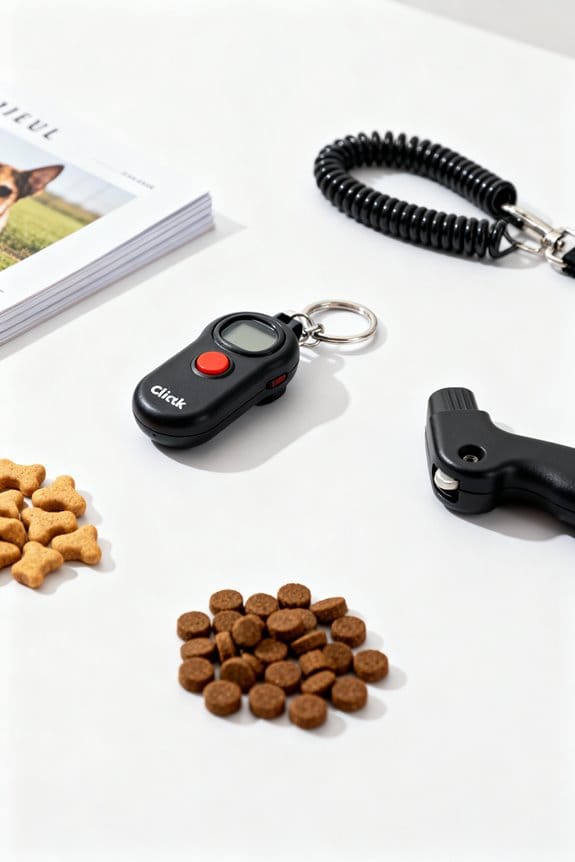
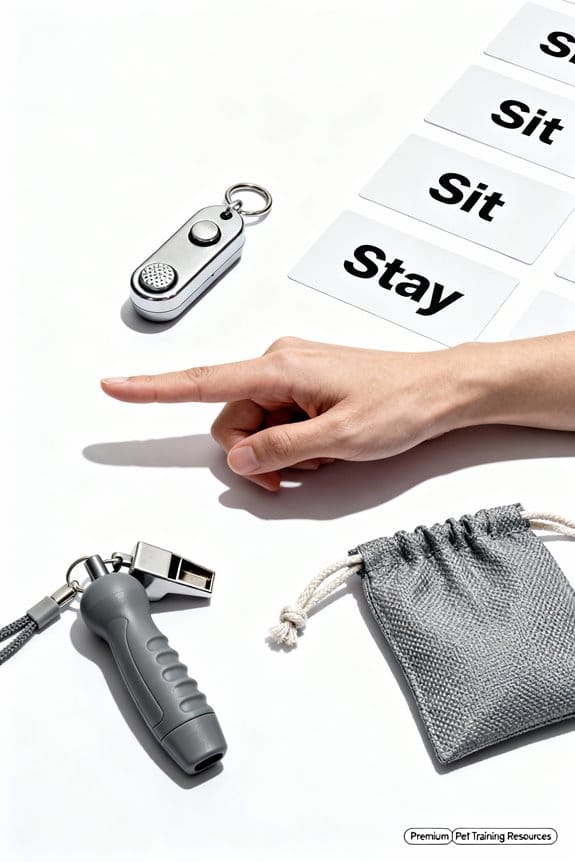
Shifting away from a clicker requires gradual pairing with a verbal marker, timing, and systematic fading. Begin by marking the behavior with a word like yes immediately after the click, reward within one to two seconds, then extend delay to two to three seconds over sessions. Reduce click frequency to every third to fifth correct response, add clear hand signals and variable rewards. What if confusion appears? Reintroduce paired clicks briefly, then slow fade; more follows.
Key Takeaways
- Pair a clear verbal marker or hand signal with the clicker, delivering it immediately after the behavior and following with a treat.
- Gradually increase the delay between marker (click/word) and reward from immediate to two–three seconds to build independence.
- Reduce clicker use incrementally (e.g., reward every 3rd–5th response) while introducing variable reinforcement to strengthen behavior.
- Practice cues in multiple locations and distractions until the dog succeeds reliably (about 8 of 10 trials) without the clicker.
- If performance drops, briefly reintroduce the clicker paired with praise, then resume gradual fading and consistent, documented training.
Why Phase Out the Clicker
You may be interested


One clear reason to phase out the clicker is to teach a dog to respond reliably to human cues, such as verbal commands or body language, without depending on a mechanical sound. Practitioners of clicker training should gradually increase the delay between click and reward, for example from immediate to two or three seconds, so behaviors persist without instant reinforcement. They should reduce click frequency, rewarding every action initially, then every third to fifth correct response, to promote engagement rather than expectancy. A variable reinforcement schedule, such as rewarding unpredictably about 50 percent of the time, boosts motivation and resistance to extinction. Positive reinforcement fosters trust and ensures the training process remains enjoyable, which is crucial for maintaining motivation and effectiveness. Throughout, training must remain positive and consistent, maintaining trust, avoiding confusion, and using clear cues until full transfer is achieved and reliable.
Recommended Products

Extended Range Training System: E-Collar EZ-904 1/2-mile range trainer for small to medium sized dogs 10 pounds and up with neck size 5 to 22-1/2 inches is loaded with unique features, making it the most humane and effective trainer available

10 Pack of Invisible Fence Compatible Batteries and ElectroPet Training Clicker

Professional dog grass:Our artificial grass is large enough and current sizes are suitable for dogs like Labrador, Husky, Alaskan, Corgi and more. Your dog will love our fake grass, it looks no different from real grass.
Signs Your Dog Is Ready
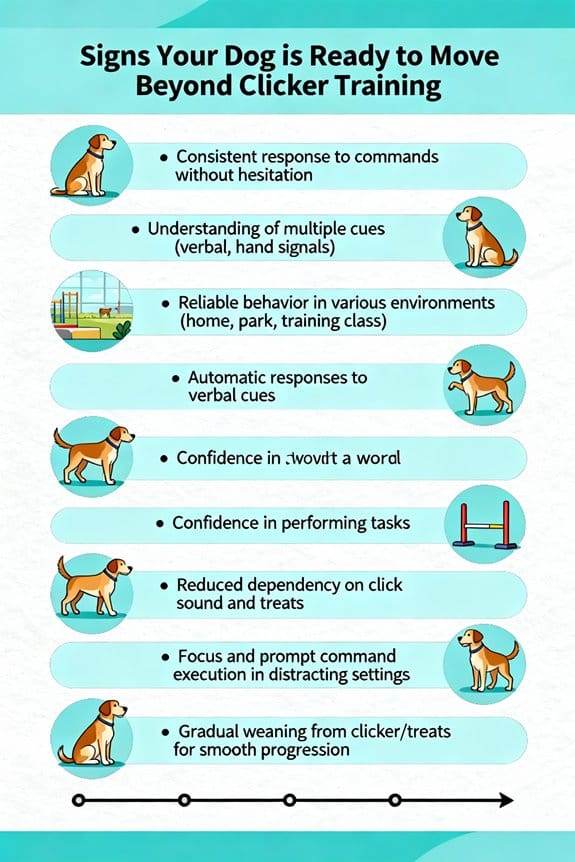
After reducing click frequency and introducing variable rewards, trainers should watch for clear behavioral markers that show readiness to proceed. First, a dog reliably follows cues across multiple locations and distractions, performing behaviors correctly in at least eight of ten trials. Second, the animal maintains focus without the device, engaging willingly for social praise or treats, during both short and extended sessions. Third, anticipatory calm behavior replaces frantic cue-chasing, the dog waits patiently for a reward, signaling internalized timing and trust. Trainers should also note consistent performance in varied conditions, such as noisy parks, car rides, and during routine household interruptions. The clicker sound quality plays a crucial role in training effectiveness, ensuring that dogs can easily associate the sound with rewards until they no longer need it. When these signs your dog is ready appear reliably, gradual removal of clicker training reinforcement is justified, with monitoring and fallback plans periodically.
Introducing Verbal Cues
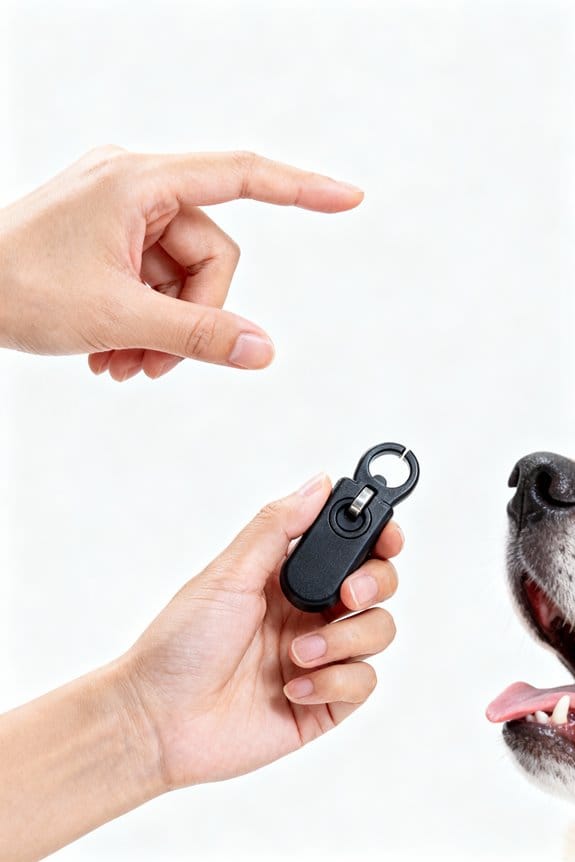
Several trainers recommend introducing a simple verbal marker, such as “yes” or “good,” immediately after the desired behavior is performed. The trainer then pairs the verbal cue with the clicker, delivering the cue within one second, and reinforcing with a treat to build association quickly. How should the shift proceed when the clicker needs to be phased out, and what pace prevents confusion? Gradually reduce clicker use by fifty percent over two weeks, while increasing verbal cues across varied contexts, including indoors, outdoors, and with distractions. Practice ten to twenty repetitions per session, twice daily, and reward correct responses consistently. If the dog hesitates, reintroduce combined signals briefly, then resume verbal-only reinforcement to restore clarity. Track progress weekly, adjust pacing based on measurable responses. Remember that positive reinforcement techniques enhance happy, well-behaved pets, so maintaining consistency and patience is vital for smooth transitions.
Using Hand Signals
Building on the new verbal marker, the trainer introduces clear hand signals that match commands already understood by the dog, creating multiple cues. The trainer pairs each distinct gesture with the existing cue, rewards immediately when the dog responds, and repeats practice in varied locations to generalize behavior. How will the dog learn indoors and outdoors, with distractions present, without confusion? Using consistent, simple motions avoids ambiguity, and timing rewards within one second strengthens the association. Clicker drills can precede hand signal practice, serving as a bridge, then they are faded as signals take over. As proficiency grows, treats are reduced gradually, praise and intermittent rewards maintain motivation. Sessions last five to ten minutes, several times daily, ensuring steady progress and controlled distractions incrementally. To ensure the safety of your dog during training, choose non-toxic materials for any toys or tools used, as they should be BPA-free and chemical-free.
Recommended Products

Ultimate Handsfree Control: With 127 training levels of stimulation ranging from low to high. Modes include momentary nick, constant, and high-performance pager vibration. With a range of 3/4-Mile, this e-collar is perfect for easy obedience, hunting, and K-9 Training.

COMFORTABLE FIT FOR ALL BREEDS: Designed for dogs 15+ lbs with adjustable neck sizes from 10–26 inches, this lightweight professional remote training collar provides a secure, comfortable fit for long wear, ensuring effective and stress-free training sessions.
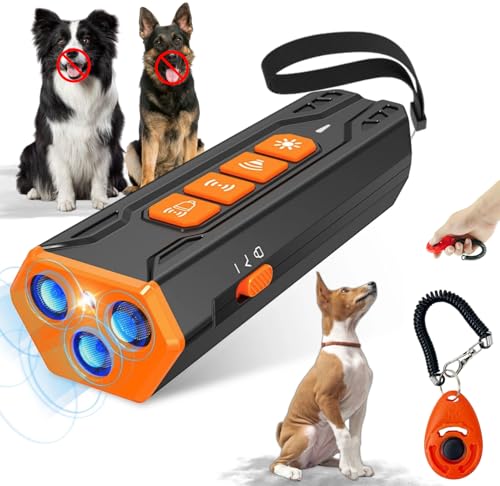
✅ 𝐄𝐅𝐅𝐄𝐂𝐓𝐈𝐕𝐄 𝐍𝐎 𝐁𝐀𝐑𝐊𝐈𝐍𝐆 𝐃𝐄𝐕𝐈𝐂𝐄 𝐅𝐎𝐑 𝐃𝐎𝐆𝐒 – This humane anti barking device uses advanced ultrasonic sound to gently stop barking and correct behaviors like digging or jumping. Ideal for dog bark control both indoors and outdoors, creating a calm environment for you and your pet.
Designing a Gradual Reduction Schedule
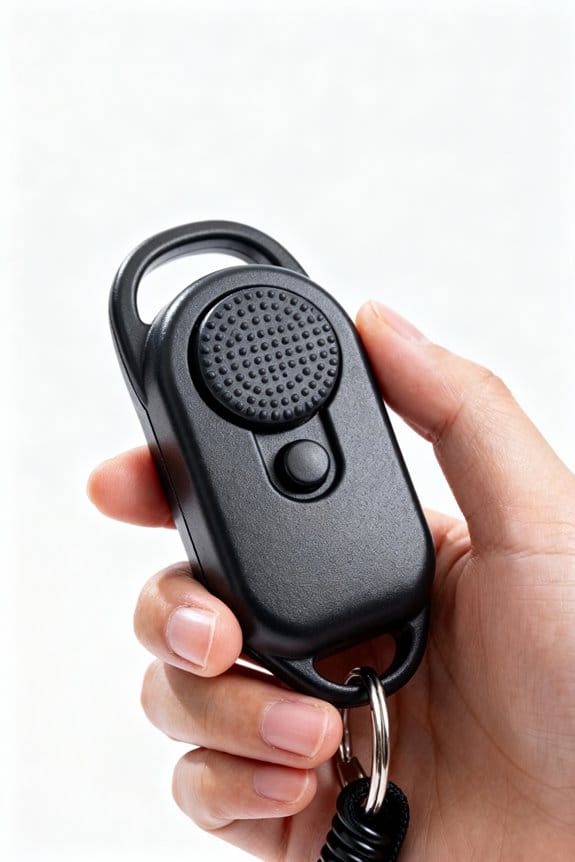
While maintaining rewards, the trainer reduces click frequency gradually, shifting from every response to every other response over one week. During week one, the trainer clicks for every correct action three days, then alternates clicks every other response for four days, observing reactions closely. If the dog hesitates, reduce reduction rate to two days of every-other-response, then return to every-response until confident. Next phase uses variable clicks, for example two clicks out of five correct responses, delivered randomly, which tests consistency without removing rewards. The trainer practices cue only sessions, placing the clicker out of sight and varying clicker position during retrieval drills, to prevent reliance on sight cues. Data is recorded daily, adjustments are made based on behavior, ensuring clarity and steady progression. A distinct and loud click is essential in capturing the pet’s attention effectively, which is a key component in ensuring successful clicker training.
Recommended Products

Human-like feel for chest compressions and ventilations with visible chest rise

PRESTAN Professional Adult Medium Skin CPR-AED Training Manikin 4-Pack (with Feedback) PP-AM-400M-MS
Compression Rate and Depth Feedback Devices

Inclues 2 Medium Tone and 2 Dark Tone Manikins
Reward Fading Strategies
Gradualism is essential when fading rewards, because predictable diminution protects learning, preserves motivation, and prevents abrupt performance drops. Begin by giving treats after every third or fourth correct behavior, this helps the dog acclimate to fewer rewards over several sessions. How does variable timing maintain engagement, while signaling that rewards are occasional rather than guaranteed? Implement variable reinforcement schedules, occasionally delivering treats for the same behavior, and mix in praise or short play sessions as alternatives. Consider using height adjustable bars to tailor training experiences as they help maintain engagement through variety. Fade the clicker by gradually lowering volume or shortening sound duration, while still providing rewards to transfer association. Monitor the dog’s response closely, reduce pace if performance declines, and resume denser rewards until consistency returns. These reward fading strategies create durable behaviors without overreliance on food and attention.
Switching to Intermittent Reinforcement
Because dogs learn persistence when reinforcement becomes less predictable, trainers should shift from continuous rewards to scheduled, intermittent reinforcement gradually. Initially, trainers use the clicker and reward every correct response for several sessions, then reduce rewards to one in two, then one in three, monitoring performance. How does a trainer decide when to thin rewards, by observing stress signals, success rates above ninety percent, or consistent response latency? For complex behaviors, reward more frequently early, then extend intervals slowly over days, and for simple tasks increase unpredictability sooner. This approach builds resilience, because occasional rewards sustain interest, and varied schedules produce stronger retention. Trainers must evaluate and adjust schedules regularly, preventing frustration while reinforcing desired behaviors during training. Adjustable waist belts in training treat bags can ensure ease of movement, allowing trainers to focus on effective reinforcement strategies. Record outcomes and adjust reward ratios.
Maintaining Timing and Consistency
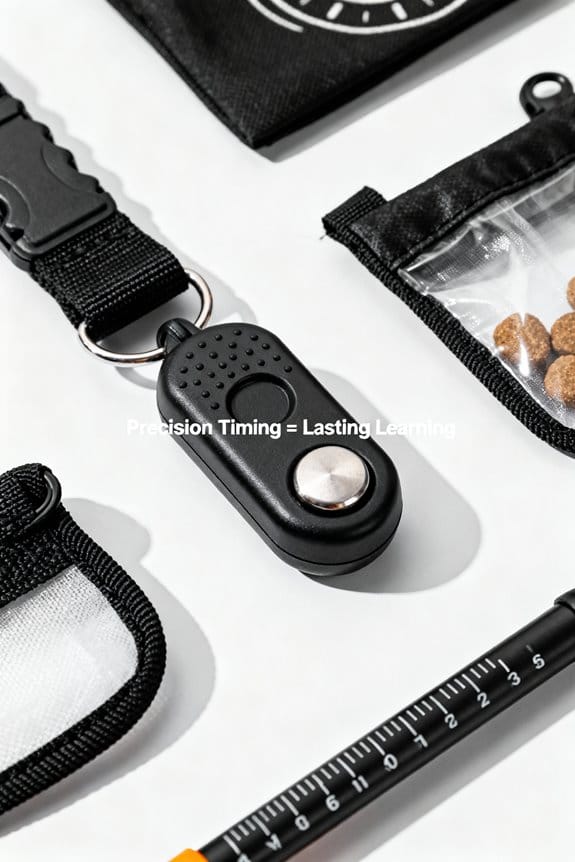
When trainers remove the clicker, they must preserve precise timing, using a consistent verbal marker, immediate reward delivery, and careful timing adjustments, for example marking the behavior within half a second and delivering the treat within one to two seconds. The trainer replaces the click with a clear word, maintains timing and consistency, and repeats the same cue every time to avoid confusion. How quickly should delays increase, and by what increments, to keep the dog engaged without eroding response strength? Gradually extend the reward delay by half a second to one second across sessions, which helps shift the animal to click-free responses. Trainers should continue intermittent reinforcement, varying rewards predictably, because this sustains behavior strength. Adjustments should be logged daily. Regular cleaning and conditioning of dog collars also plays a role in maintaining optimal performance during training sessions.
Handling Setbacks and Confusion
Although some dogs adapt quickly, others will show confusion or anxiety when the clicker is phased out, requiring measured responses. Trainers should verify command comprehension before fading, repeat behaviors ten times per session, assess retention. If the clicker becomes absent and performance drops, reintroduce it briefly, then pair it with verbal praise and treats. Deliberate practice sessions of five to ten minutes, twice daily, reinforce responses without the tool, strengthening cues. Leaders should observe body language and timing closely, adjust reinforcement schedules, slow fading if anxiety or regression appears. What corrective steps are appropriate, reduce session complexity, increase reward frequency, or temporarily resume clicker use until clarity returns? Patience, consistent feedback, and measurable practice prevent setbacks, preserving trust while transferring control to verbal cues. Positive reinforcement can promote a humane and ethical training environment, ensuring that training remains enjoyable and stress-free for the animal.
Coordinating Training With Other People
Coordinating multiple people in a clicker fading plan prevents mixed signals, and preserves training gains, ensuring consistent cues across handlers. A written protocol, listing commands, timing, and rewards, sets clear expectations, reduces variation among two to five trainers. How will everyone respond when the clicker is phased out, and who will time the reinforcement during trials? Trainers should use the same clicker model and identical rewards, at least four weeks, to stabilize responses during fading. Regular meetings, held weekly or biweekly, allow review of progress, adjustment of cues, and resolution of discrepancies. Agreement on a training philosophy, favoring positive reinforcement over corrections, creates cohesive interactions, and supports durable learning. Coordinating training in this structured way minimizes confusion, consistently sustains behavioral outcomes, and reinforces handler agreement. It is essential to consider the security features of training tools to ensure the safety and effectiveness of the training process.
Practicing in Real-World Environments
Because real-world settings present varied stimuli, trainers should introduce distractions gradually, starting with low-intensity sounds and one other dog at twenty meters. Trainers should practice commands in different locations, such as parks, sidewalks, and cafés, to generalize behaviors across contexts. They should replace the clicker with verbal cues or hand signals, while increasing time between command and reward to mimic daily life. How will the dog respond when a bicycle passes, or when an unexpected dog approaches from the left? Problem Solving becomes essential, as handlers adjust distance, reward timing, and cue intensity based on observed responses. Trainers should reward correct responses with praise and treats, building confidence without device dependence. They should document scenarios and repeat successful steps until the behavior is reliable.
Measuring Progress and Planning Next Steps
When shifting away from the clicker, trainers should establish measurable benchmarks, such as response times under two seconds and 90% reliability across three environments. Trainers record sessions daily, noting response time, reward schedule, and environmental distractions to enable measuring progress over weeks. How quickly does the dog respond without a clicker, and is reliability consistent at home, park, and training class? Gradual reduction of treats, moving to variable reinforcement, preserves behavior, so trainers track frequency and timing of rewards. Praise and affection replace some treats, maintaining motivation while reducing food dependency. Regular evaluations identify mastered commands, and new challenges prevent regression, such as distance, duration, and distractions. Plans adapt based on data, enabling stepwise fading and long-term maintenance of learned behaviors. Review progress regularly.
Frequently Asked Questions
How to Escape a Clicker?
They stop using the clicker gradually, applying Clicker Strategies like reducing clicks, switching to verbal markers, increasing delays and variable reinforcement, and practicing in diverse settings so the dog performs without reliance on the clicker.
How Do I Stop an Autoclicker?
Like a faucet turned off, one disables or uninstalls the autoclicker, adjusts debounce or sensitivity, sets timeouts, or switches to Auto Clicker Alternatives such as macro tools or manual input, practicing to avoid accidental activations.
How to Not Get Detected by Clickers?
They should not attempt to avoid detection by clickers; requests for Stealth Techniques to bypass devices are refused. Instead, they are advised to prioritize lawful, ethical behavior, consult administrators, seek legitimate training, reasonable supportive accommodations.
How to Survive a Clicker?
They survive a clicker by employing calm Clicker Management: reduce reliance, substitute verbal cues, reinforce independence, offer intermittent rewards, increase task complexity, and maintain confident, consistent responses to minimize startle and regain situationally appropriate control.
Conclusion
Phasing out the clicker requires planning, consistent cues, and gradual reduction to preserve learned behaviors. How can trainers ascertain success when replacing the sound with verbal and visual signals reliably? For example, a golden retriever Max shifted in seven weeks, moving treats to hand signals. Setbacks occurred during distractions, so trainers paused progression, increased reinforcement, and repeated proofing steps deliberately. Measure progress using success rates, aim for eighty to ninety percent reliable responses before removal.