As an Amazon Associate, we earn from qualifying purchases. Some links on this site are affiliate links at no extra cost to you. Our recommendations are based on thorough research and editorial judgment.

How to Charge Your Clicker With Rewards

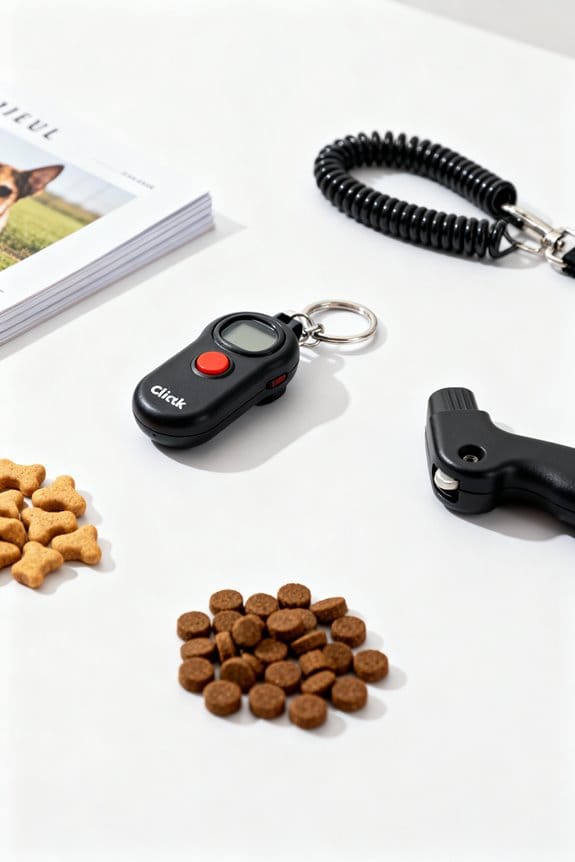
A clicker is charged by pairing its sound with an immediate, high-value reward, repeated across short sessions. Click ten to thirty times per session, give a small meat or cheese treat within one second, and repeat five to ten minutes daily. Why this matters? Because consistent timing creates a clear signal, which speeds learning and reduces confusion. Avoid double clicks and excessive movement, test for anticipation after several sessions, and follow next steps for progression.
Key Takeaways
- Click once, then give a high-value treat immediately (within one second) so the dog links the sound to reward.
- Repeat the click-and-treat pairing 20–30 times across sessions to reliably establish the association.
- Keep sessions short (5–10 minutes) and use high-value treats to maintain engagement during charging.
- Minimize extra movement and avoid double-clicking to prevent confusing the dog about timing.
- After consistent response, test without showing food and gradually fade to intermittent rewards to sustain the behavior.
Why Clicker Charging Matters
You may be interested
Because the click’s value depends on a clear association with a reward, trainers must establish that link reliably through repeated practice. Charging the clicker requires twenty to thirty repetitions, ensuring the dog links the clicking sound to treats. Short sessions of five to ten minutes maintain interest, and multiple repeats prevent both boredom and confusion. If the treat follows slowly, the association weakens, so immediate reward delivery is essential for clear learning. Trainers should practice the click and treat routine in varied settings, testing reliability without showing visible food. Charging the clicker before teaching a desired behavior speeds progress, and it consistently reduces misunderstandings during skill acquisition. Repeated, brief charging sessions build a precise, reliable cue, enabling training when the dog performs desired behavior. When selecting a clicker, consider sound quality as it is crucial for capturing the pet’s attention effectively.
What You’ll Need Before You Start
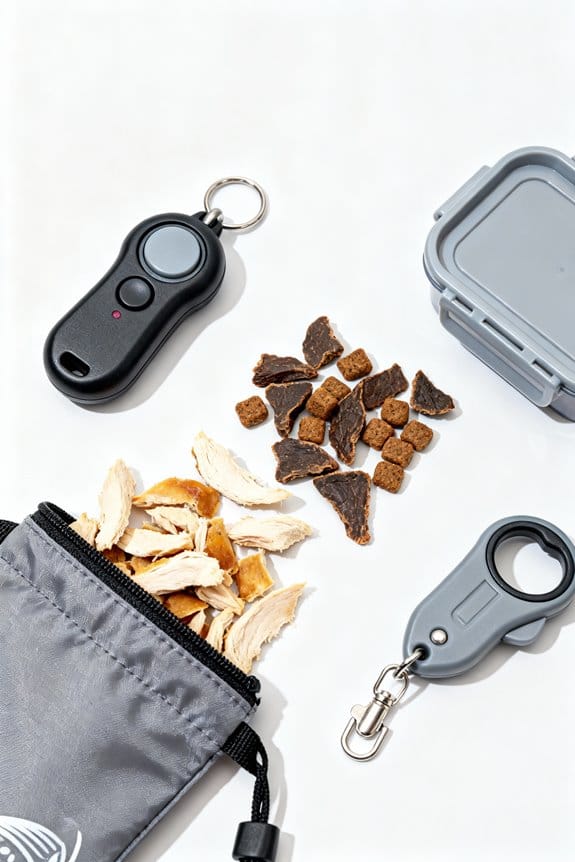
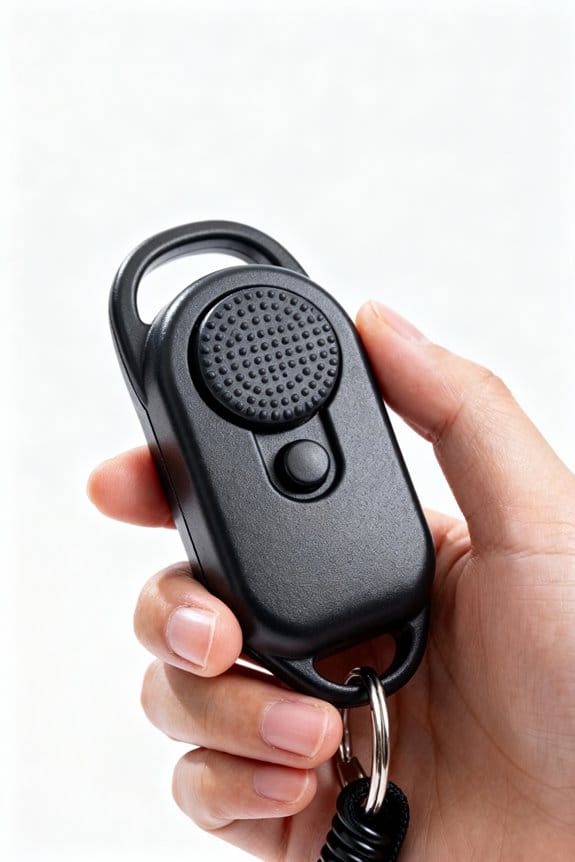
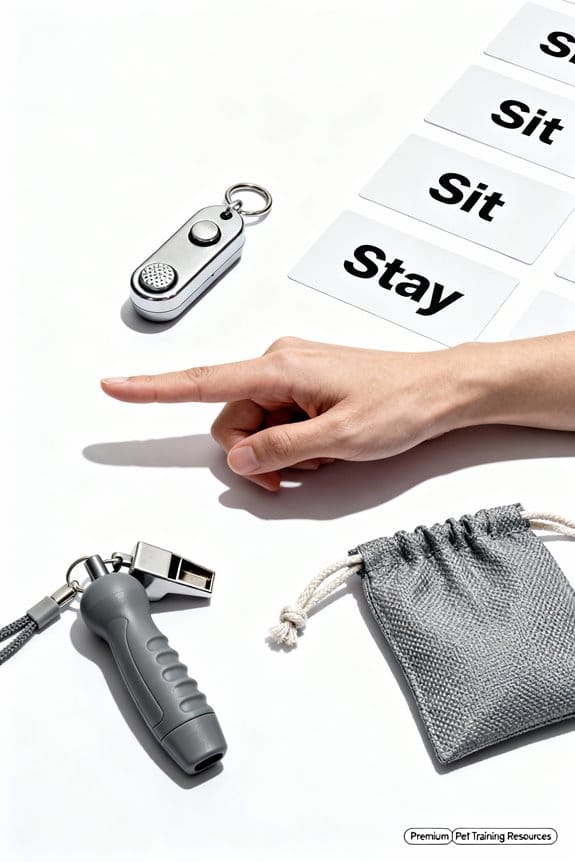
The trainer should assemble three essentials before beginning a session: a clicker, a supply of small high‑value treats, and a quiet space. A reliable clicker is required for clicker training, it provides a consistent audio marker the dog will learn to expect. Gather high-value treats, small cubes of cooked meat or cheese work well, bring twenty to thirty pieces per short session. Select a distractions-free location, quiet rooms or a fenced yard with minimal activity help focus. Prepare seating for handler and dog, mats or chairs make longer practice more comfortable. Keep treats in a bag or bowl, this prevents accidental access and speeds delivery during practice. Should the environment become noisy, pause and relocate, otherwise the association to charge the clicker may weaken. Consider using adjustable intensity settings on training collars when working with dogs of various sizes and temperaments to ensure a humane and effective training experience.
Step-by-Step Clicker Charging Session
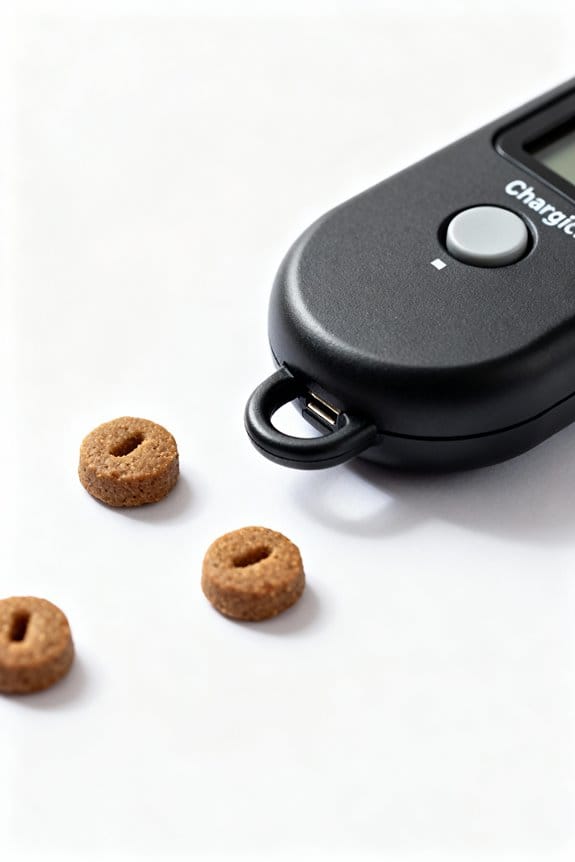
Several trainers begin by clicking the device at least ten times, immediately rewarding the dog with small, tasty treats. The session continues with multiple short rounds, five to ten minutes each, conducted twice daily in a quiet area to support clicker training and dog training. During loading the clicker, trainers use high-value treats, such as cooked meat or cheese cubes, to increase engagement and motivation. They maintain consistent placement of the reward, click, movement, and timing, so the sound of the clicker predicts food reliably. After several charging sessions, a trainer tests understanding by clicking while the dog is relaxed, observing anticipatory responses for confirmation. Effective training strategies include maintaining short session lengths and consistent click-treat pairing to reinforce learning. How should progress be recorded, and when are additional sessions added to reinforce the association? Keep simple written session logs.
Recommended Products
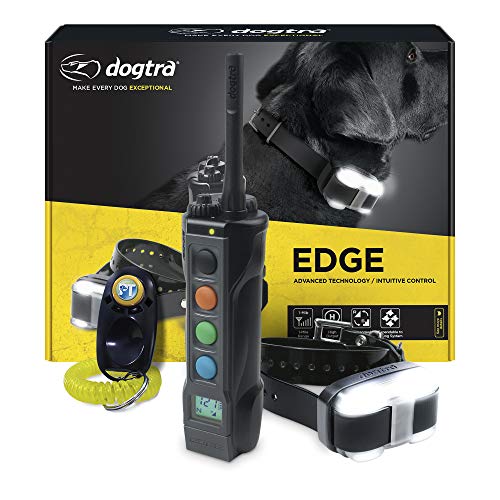
Get an Edge in the Field - Work with up to 4 dogs simultaneously. This dog hunting collar is perfect for wetland, upland and other hunting types. Each colored button on the remote corresponds to a receiver collar with the same colored strap.

Get An Edge In The Field - Expendable system that works with up to 3 dogs. One mile range gives you plenty of long range distance for hunting, competitions, and K9 work. Perfect for medium and large dogs 35+ lbs with 12 - 23 inches neck size.

HIGH PROTEIN, NUTRIENT DENSE: Featuring free-range Chicken, Organs, Bone, and New Zealand Green Mussels, this grain-free dog food delivers nutrition with a mouth-watering taste for all dogs. Gentle air dried processing retains the goodness of the raw ingredients. This food offers stimulating crunchy texture small enough for puppy food but soft enough for senior dog food.
Common Timing and Delivery Mistakes to Avoid
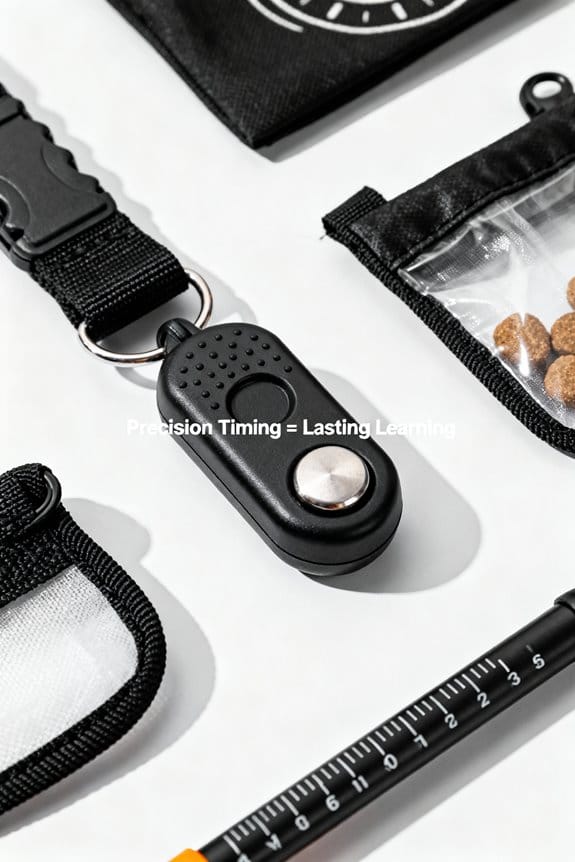
After completing initial clicker‑loading sessions and keeping simple written logs, trainers should now address common timing and delivery mistakes that undermine learning. Treats must follow the click immediately, within one second ideally, otherwise the association with the behavior fades rapidly. What happens if a trainer clicks twice, or presents a treat beforehand, and why does that confuse the dog? Double clicking rewards the same action twice, creates mixed expectations, and makes it hard for dogs to identify which precise behavior earned reinforcement. Minimize body movement when clicking, stand still after the sound, then move to deliver one treat, in one smooth motion to avoid distractions. Use consistent clicks for one to three behaviors per session, limit random clicking, and log occurrences for review regularly. It’s also beneficial to select clickers with ergonomic design and durable materials to ensure ease of use and longevity during training sessions.
How to Test Your Dog’s Clicker Understanding
How does a trainer determine whether a dog truly associates the click with a reward, and when should testing begin? Testing begins after the dog is relaxed and focused, and at least an hour has passed since the last training session. In a new room, the trainer clicks once, observing whether the dog immediately looks toward the handler, indicating anticipation of a treat. If the dog fails to respond, the trainer returns to charging, using brief repetitions of click-treat sequences, ten to twenty clicks per session, then retests. Regular maintenance of training tools, like clickers, ensures their effectiveness and longevity. Keep tests simple, give only one click per behavior, and avoid visible treats so the dog learns to value the sound. Multiple short tests in different locations assess generalization, and consistent results confirm clicker understanding.
Fading Treats and Moving to Real Training
Once the dog reliably clicks and looks for a treat, the trainer begins reducing food delivery, using planned steps and clear criteria. They move from continuous treats to intermittent rewards, for example every third, then every fifth successful behavior, across sessions. What is the benefit, and how does that sustain engagement in the training process without constant food? Intermittent reinforcement keeps actions reliable, it builds expectation, and it reduces satiation, maintaining motivation over time. For harder tasks, reintroduce continuous rewards for about ten repeats, then fade back to intermittent schedules to solidify learning. Increase duration, distance, or distractions gradually, use clear criteria to measure success, and always pair a precise click when you use a clicker. Consistent timing and clarity in rewards, help teach your dog dependable responses, and preserve the value of treats for future training sessions. Positive reinforcement is crucial as it emphasizes rewarding desired behaviors, which enhances obedience and builds a stronger bond between the dog and trainer.
Recommended Products

The ECO version refresh of our popular dog training vest features a softer shell fabric for more comfort and roomier, quick-access pockets that make rewarding your dog even easier

"Snaps" into Three Pieces for Training. Enrichment and Love. Give your Horse more Giddyup !

Professional dog training collar set. Perfect for correcting bad behavior, training new skills, hunting, etc. Includes training treat bag, training clicker, training whistle and so on.
Troubleshooting Fear or Disinterest
Why might a dog ignore or fear a clicker, and what initial steps should a trainer take to resolve that issue? A trainer should first soften the sound by covering the clicker or switching to a quieter model, and then pair each click with a high-value treat delivered to the dog immediately. Introduce the device in a low-stress room, keep sessions under five minutes, and repeat short charging sequences three to five times per day to build familiarity. If fear persists, use a verbal marker instead, alternate handlers but remain consistent with timing, and try to help by observing body language for stress signals. Shorten sessions and intersperse play to restore interest, because engagement increases when rewards follow predictable cues. Clicking the clicker daily. Regularly monitor body language to ensure that the dog is comfortable and to adjust training techniques as necessary.
Frequently Asked Questions
How Do You Charge Your Clicker?
Charge it by pairing a clicker definition—an immediate sound marker—with treats: click then deliver reward promptly. Emphasize reward timing, maintain training consistency, short distraction-free sessions, and reinforce behavior using positive reinforcement to establish the association.
How Do I Know if My Clicker Is Charged?
Approximately 90% of dogs show immediate cue association. They know a clicker is charged when, during clicker training, consistent dog behavior—focused attention and anticipatory searching—occurs every time; reliable reward timing and positive reinforcement confirm association.
What Does Charging the Clicker Mean?
Charging the clicker means establishing a clear association between the click and a treat so the dog anticipates reward; in clicker training it reliably builds reward associations, employs positive reinforcement, and shapes desirable dog behavior.
What Is the Hardest Command to Teach a Dog?
Stay is often the hardest command to teach, as trainers face dog training challenges requiring patience. They rely on training session tips, effective reward systems and progression toward advanced obedience commands to achieve reliable responses.
Conclusion
The trainer concludes that consistent clicker charging builds a silent bridge between intent and reward, creating predictable behavior. Who would not prefer this clear ledger of cues and consequences when short, precise sessions yield steady gains? If treats arrive immediately after the click, association strengthens rapidly, but delays of more than one second weaken learning. Trainers should fade food gradually, substitute praise or play, and test understanding in varied environments to guarantee durable skills consistently.