As an Amazon Associate, we earn from qualifying purchases. Some links on this site are affiliate links at no extra cost to you. Our recommendations are based on thorough research and editorial judgment.

Remote Training Collars: How They Function

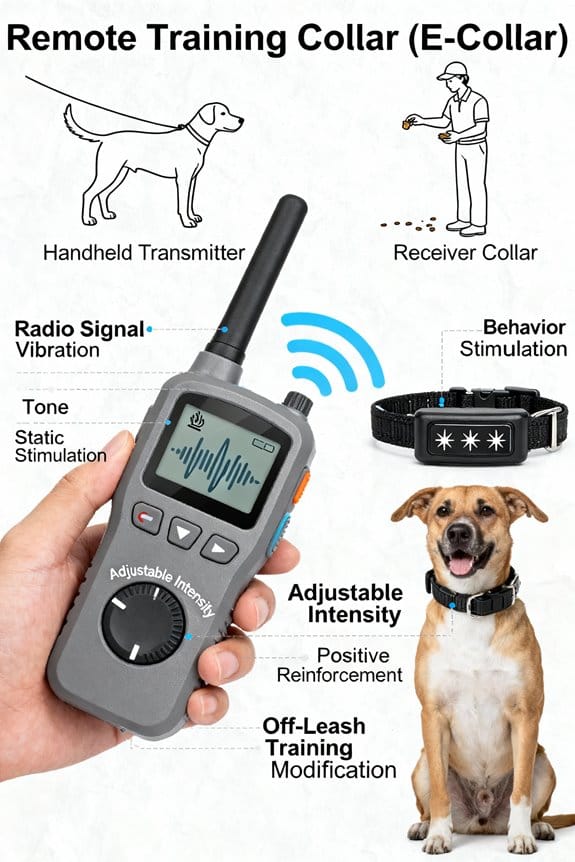
Remote training collars use a handheld transmitter to send signals to a receiver on the dog, providing tone, vibration or adjustable static stimulation. How does this work at distance, 70 to 1000 meters? The handler presses a button, the transmitter sends a radio signal, the receiver delivers a preset tone or vibration, or static pulse across 10 levels, allowing precise escalation. Proper fit, low initial levels and gradual conditioning prevent misuse, guidance explains advanced techniques.
Key Takeaways
- A handheld transmitter sends wireless signals to a collar receiver, delivering corrective cues like tone, vibration, or adjustable static stimulation.
- Tone provides an audible warning, vibration offers tactile recall feedback, and static delivers graduated, low-level correction based on sensitivity.
- Trainers start at the lowest stimulation level and increase only as needed, pairing signals with verbal commands for consistent cause-and-effect learning.
- Collar receivers are rechargeable, waterproof, and must fit snugly with regular sensor and battery maintenance to prevent chafing or malfunction.
- Effective use combines rewards, gradual distance increases, distraction training, and progress tracking to transition from stimulation to verbal cues.
What Is an E‑Collar?
You may be interested
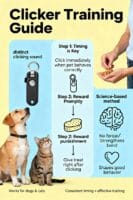
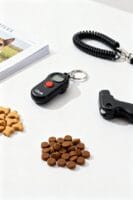
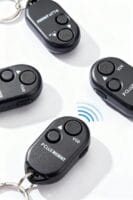
An E‑collar, also called an electronic training collar, is a wireless system that links a handheld remote to a receiver worn by the dog. It serves as an E-collar for electronic training, offering vibrations, tones, and low-level static pulses, so trainers can choose appropriate feedback. Trainers begin at level 1 or 2 on typical stimulation levels scales to observe reactions, then increment slowly, for example to levels 3–5 if necessary. How does this improve obedience? Because clear cues sent from a remote control reduce confusion, and consistent timing reinforces desired behavior. Modern designs mimic a TENS-like sensation, limiting intensity for safety and comfort. Use cases include recall at 50–200 metres, boundary training in yards, and distraction management during fieldwork. Selection depends on training goals. It is important to prioritize collars with multiple non-shock modes such as vibration and beep to ensure humane training practices.
Components: Remote Transmitter and Collar Receiver
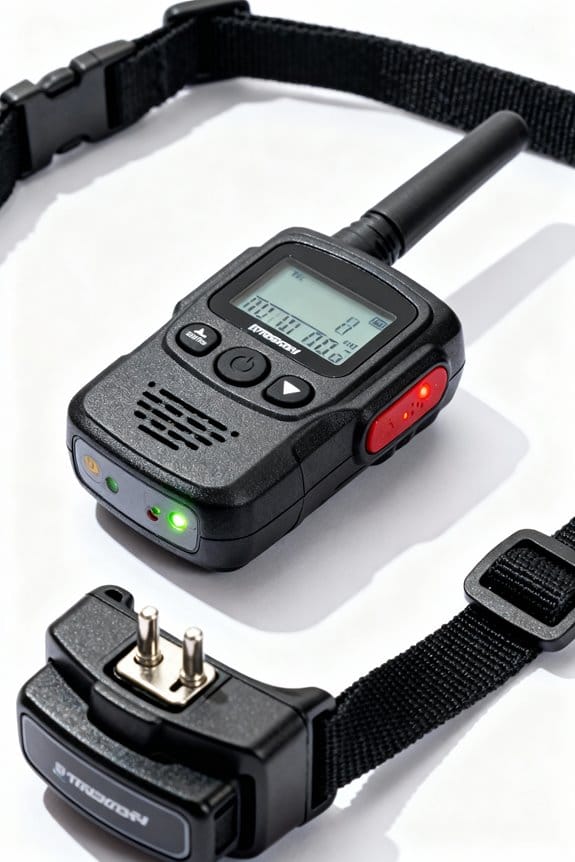
After explaining what an E‑collar does, attention now turns to the two hardware elements that make training possible. The remote transmitter sends radio signals to the collar receiver, ranges vary from 70 to 1000 meters, enabling short and long-distance control. The transmitter often includes buttons to adjust stimulation levels, and some models add an LCD display for monitoring. Upon signal reception the collar receiver activates, metallic prongs contact the dog’s neck, corrective measures are applied. Many receivers are rechargeable and waterproof, they must fit snugly to be effective without causing discomfort. Compliance with Australian safety standards applies to both components, ensuring reliability, safety, and predictable performance during training sessions. Users should choose ranges and features that match their training environment and dog’s training needs. It’s important to consider waterproof ratings of IP67-IP68 for ensuring reliability during swimming, rain, and immersion.
Recommended Products

Effortlessly Track And Train Your Pack With The Garmin Alpha 300i Handheld Training and Tracking, Monitor Up To 20 Dogs Using Compatible Collars, With A Range Of Up To 9 Miles. Get Vital Hunt Metrics Like Distance, Speed, And Time On The Dog Info Screen. Receive Real-time Alerts For "treed" Or "on Point" Dogs, Improving Your Hunting. Organize Hunts By Grouping Dogs And People. Store Info For 250 Dogs For Seamless Collar Switching In The Field.

Effortlessly Track And Train Your Pack With The Garmin Alpha 300i Handheld Training and Tracking, Monitor Up To 20 Dogs Using Compatible Collars, With A Range Of Up To 9 Miles. Get Vital Hunt Metrics Like Distance, Speed, And Time On The Dog Info Screen. Receive Real-time Alerts For "treed" Or "on Point" Dogs, Improving Your Hunting. Organize Hunts By Grouping Dogs And People. Store Info For 250 Dogs For Seamless Collar Switching In The Field.

Effortlessly Track And Train Your Pack With The Garmin Alpha 300i Handheld Training and Tracking, Monitor Up To 20 Dogs Using Compatible Collars, With A Range Of Up To 9 Miles. Get Vital Hunt Metrics Like Distance, Speed, And Time On The Dog Info Screen. Receive Real-time Alerts For "treed" Or "on Point" Dogs, Improving Your Hunting. Organize Hunts By Grouping Dogs And People. Store Info For 250 Dogs For Seamless Collar Switching In The Field.
Tone, Vibration and Static Stimulations
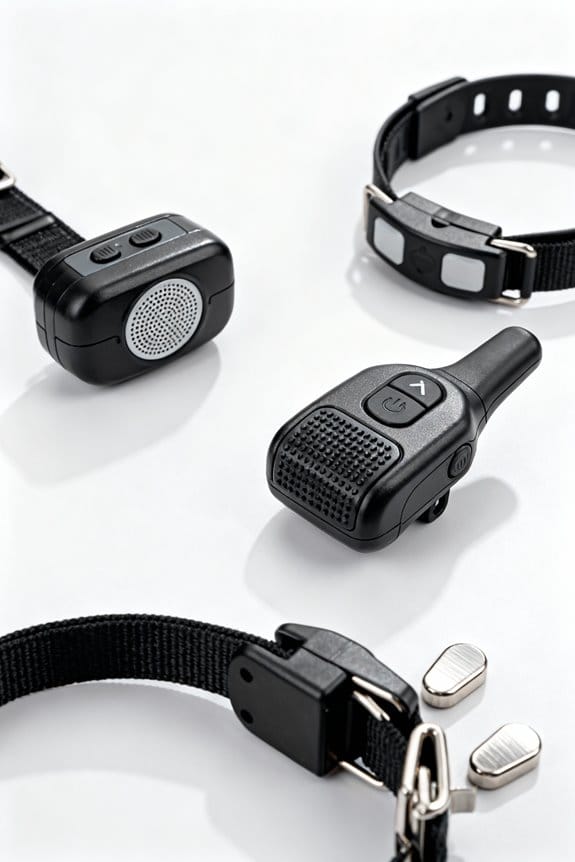
When trainers select stimuli for remote collars, they weigh tone, vibration and static options, matching signals to context and dog sensitivity. The tone, audible around 3000 Hz, functions as a warning cue or reward marker, and it attracts attention without discomfort. Vibration, set at low or medium intensity, provides tactile feedback for recall across five to fifteen meters, and suits nervous or hearing impaired dogs. Static stimulation, comparable to a TENS unit pulse, is adjusted across ten levels to match dog sensitivity, and aims to be harmless yet effective. For outdoor training, waterproof dog leashes are ideal, as they resist water, odors, and provide durability in various conditions. Which option suits a calm recall or persistent barking? Trainers alternate methods, monitor responses, reduce intensity when appropriate, and record results to refine settings. Dog training collars may also include spray options for added flexibility.
Recommended Products

EXPAND YOUR PACK: This bundle includes the complete PATHFINDER2 set plus a Green Additional Receiver, giving you everything you need to start tracking and training right out of the box. The add-on receiver connects seamlessly within the same PATHFINDER2 system, allowing you to monitor and train multiple dogs in real time—ideal for professional handlers or multi-dog owners who demand precision and performance.

EXPAND YOUR PACK: This bundle includes the complete PATHFINDER2 Mini set plus a Green Additional Receiver, giving you everything you need to start tracking and training right out of the box. The add-on receiver connects seamlessly within the same PATHFINDER2 Mini system, allowing you to monitor and train multiple dogs in real time—ideal for professional handlers or multi-dog owners who demand precision and performance.
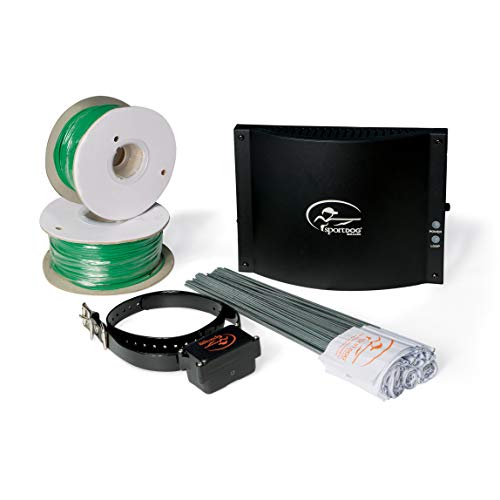
Creates Secure Play Area: The SportDOG In-Ground Fence System keeps dogs safely contained with a customizable electric fence layout and clear boundary cues; the system covers 1 1/3 acres of land
How an E‑Collar Communicates With Your Dog
Communication between trainer and dog occurs via a handheld transmitter that sends radio signals to a collar receiver, enabling remote feedback. A remote training collar translates those signals into stimulation, such as tone, vibration, or mild static pulses, allowing instant reinforcement of behavior. Trainers adjust intensity across several levels, tailoring output to the dog’s sensitivity, and they pair signals with verbal commands to clarify intent. How far can this system reach, and what environments suit it best? Distances vary by model, typically 70 to 1000 meters, so range determines safe application and visibility during sessions. Because training devices provide immediate, graded responses, they create consistent cause-and-effect learning, and they support varied scenarios from close obedience to off-leash recall. Trainers monitor responses and adjust quickly. Many models feature waterproof technology that enhances suitability for outdoor activities, ensuring the collar’s durability in wet conditions.
Safety Standards, Regulations and Best Practices
Because remote collars can reach from roughly 70 to 1,000 meters, regulatory and safety considerations guide their use in different settings, from backyard obedience to long-range field work. In Australia, manufacturers must meet safety standards, supply clear manuals, and label intended ranges, so owners understand limitations and risks. What should users do first? Begin at the lowest electric stimulation, observe reactions, and increment only if necessary, to avoid distress and promote learning. Proper usage includes short sessions, consistent cues, and frequent breaks, while monitoring the dog’s comfort and behavior closely. Fit-related sores usually result from poor fitting, not from appropriate stimulation, so attention to fit and rider adjustments reduces harm. Regular reviews of protocol and device condition support welfare and effectiveness and owner accountability. Incorporate puzzle games with mental stimulation value as they can provide cognitive benefits and reduce anxiety, complementing the remote training process.
Proper Fit, Wear and Maintenance
A properly fitted training collar sits snugly against the neck so that two fingers can be placed between the strap and the skin, preventing movement and reducing chafing while maintaining contact. Inspect fit weekly, adjust straps for growing puppies or weight changes, and ascertain the proper fit allows motion without rotation during activity. Recommend daily wear for acclimation, starting short periods, then increasing duration to full training sessions over two weeks. Choose a waterproof, rechargeable model for outdoor use, rain, or swimming, and verify seals before each outing. Perform collar maintenance by wiping sensors and contacts with a damp cloth, testing function afterward. Inspect straps, contacts, and battery monthly, replace worn components promptly to guarantee reliability during outdoor and indoor training through all seasons. For optimal control, it is advisable to consult with a veterinarian or certified trainer when selecting the appropriate collar type and size for your dog’s specific needs.
Conditioning: Introducing the Collar to Your Dog
While introducing the remote collar, the handler keeps the dog on a short leash, taps the button at a low level, and applies gentle leash pressure to encourage the dog to turn toward the handler. The conditioning phase pairs stimulation with guidance, trainers observe subtle head turns, ear movement, or a pause as acknowledgment. Dog owners reward correct responses with treats or brief praise, reinforcing positive reinforcement to build a neutral association. How does one know readiness, what signs indicate reliable acknowledgement after repeated low stimuli during sessions? Low intensity, one to three taps per session prevents overstimulation, handlers adjust collar levels to match breed sensitivity. The aim remains practical, create cooperative response patterns gradually before introducing specific commands and cues, with consistent reinforcement. Additional techniques, such as positive reinforcement, can further enhance training outcomes by promoting learning retention and ensuring safe practices without punishment.
Recommended Products

Easy-to-install containment and training kit includes everything needed to cover 1 1/3 acres of land for two dogs; can be expanded to cover 100 acres with more wire and flags (sdf-wf)
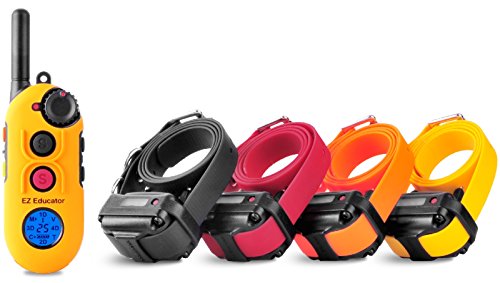
Extended Range Training System: E-Collar EZ-904 1/2-mile range trainer for small to medium sized dogs 10 pounds and up with neck size 5 to 22-1/2 inches is loaded with unique features, making it the most humane and effective trainer available

Bundle of 2 Items: Dogtra T&B Dual Dial for two dogs remote training collar and PetsTEK clicker. Perfect for dogs from 35 pounds and up. Unique single-body, built in downward facing beeper horn to eliminate the risk of catching on obstacles when in the field. This dog behavior training collar is designed to fit dogs with neck sizes between 10 - 26 inches. The advanced Dual Dial system is designed for long range upland hunters.
Teaching Recall and Core Commands With a Remote Collar
After consistent low-level acknowledgment during conditioning, the handler can begin teaching recall with remote training collars, following structured steps. Training begins on leash, the trainer taps the dog’s collar button while applying gentle pressure, guiding the dog to come. Upon reliable response to the verbal ‘Come’, the handler increases distance to five to twenty meters, consistently rewarding return to reinforce behavior. During distraction phases, trainers introduce toys, other dogs, or movement at controlled distances, maintaining the collar stimulus until commitment is shown, then stopping stimulation. Humane training methods reduce stress for dogs, ensuring effective correction without distress. Why continue rewards, treats and praise after each successful recall, and how does this correct unwanted seeking or avoidance behaviors over time? E-collar training emphasizes timing and fading stimulation, trainers reduce levels, shift to verbal cues, and log progress.
Recommended Products

High-Sensitivity GPS with GLONASS. Display size is 1.53 wide x 2.55 high in inches and 3 inch diagonal

LIVE TRACKING COMPASS & TRAINING: This set features a crisp 2" LCD screen and built-in compass. Operating entirely separate from your phone, the rugged handheld device gives you full e-collar control right at your fingertips for reliable, responsive handling anywhere in the field.
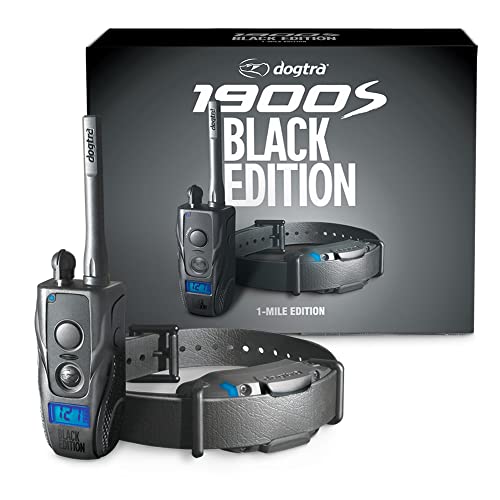
BOOST & LOCK FEATURES: Enhance your training experience with the superior Boost button. The constant correction with a customizable Boost button allows for instant level increases to immediately recall you dog. Go from training mode to obedience mode easily by setting your own custom Boost to jump to your enhanced training level seamlessly. The newly introduced Safety Level Lock prevents unwanted or accidental level changes.
Selecting the Right E‑Collar for Your Dog
Because training goals and environments vary, handlers should prioritize range and adjustability when choosing an e‑collar for their dog. When selecting the right e‑collar, handlers consider range, most standard models reach about half a mile, and longer ranges suit rural work. They assess dog sensitivity and responsiveness to decide stimulation type and intensity, for example low static for small breeds, higher settings for heavy-coated dogs. Which adjustable features are essential, vibration, tone, and static modes provide flexibility for different commands and distractions? Proper fit matters, a snug, comfortable collar guarantees contact and prevents chafing, improving signal reliability. Safety compliance and humane, non‑punishing designs are prioritized, reducing risk and supporting positive outcomes. It’s important to consider materials and construction to minimize potential allergic reactions and ensure comfort. These training tips guide informed purchases, matching equipment to behavior goals and safety.
Recommended Products
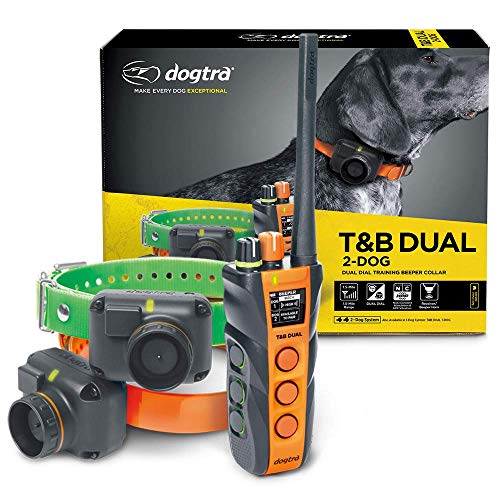
EXPANDABLE DUAL DIAL: The T&B DUAL 2-DOG comes with a 2-dog setup, so the transmitter comes with two sets of Rheostat Dials that are dedicated up to two dogs. With this expandable device setup, you won’t have to keep changing the correction level for each dog and can seamlessly operate one or two dogs.

BEEPER MODES: The 2702T&B is a 2-dog system with two receivers that have a unique single-body receiver/beeper horn to eliminate the bulkiness and enhance the durability. There are 3 beeper modes: Locate, Run/Point, and Point-Only, which gives you the ability to keep track of your dog. The beeper volume comes in 3 adjustable sound levels so you can find the right volume for your hunting needs.
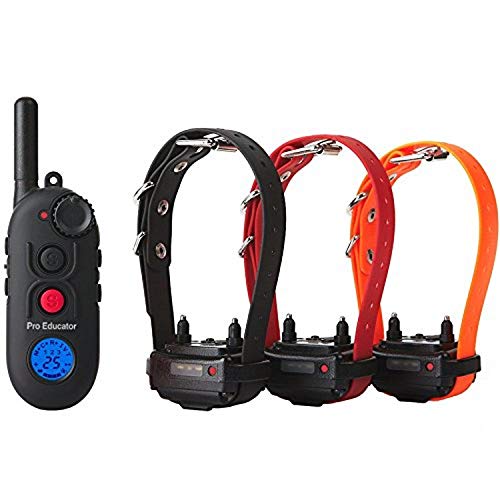
E-Collar PE-903 1/2-mile range trainer for small to medium sized dogs 10 pounds and up with neck size 5 to 22-1/2 inches is loaded with unique features, making it the most humane and effective trainer available
Frequently Asked Questions
How Does a Remote Dog Collar Work?
It transmits signals from a handheld transmitter to a receiver on the dog, delivering tones, vibrations, or mild stimulation to reinforce commands, illustrating remote collar functions, training techniques, collar features, and safe usage for owners.
How to Train Your Dog With a Remote Training Collar?
Condition the dog to the collar, combining positive reinforcement techniques, short sessions, and leash guidance; observe dog behavior signals, confirm collar size selection, gradually increase challenges, and apply clear training duration tips for consistent results.
What Do Vets Say About Vibration Collars?
Vets generally endorse vibration collars as a humane option after testing whether mild stimulation causes harm; vet opinions emphasize collar safety, positive reinforcement, measured training effectiveness, and careful monitoring of dog behavior to avoid distress.
What Are the Negatives of E-Collar Training?
Negatives include ethics concerns, behavior issues such as anxiety or fear, risk of physical harm and misuse potential leading to owner-blame, and reduced trust; trainers often recommend alternative methods emphasizing positive reinforcement and gradual desensitization.
Conclusion
The manual concludes that an e‑collar is a tool, not a miracle, and requires skill, patience, and clear rules. Practitioners should use tones, vibrations, or 1–8 levels of stimulation prudently, test on low settings, and observe reactions for 3–5 minutes, before increasing intensity. What happens if they skip conditioning? Miscommunication, stress, and failed recall follow. When fitted correctly, with regular cleaning and battery checks every 2–4 weeks, the device supports consistent training outcomes and safety.