As an Amazon Associate, we earn from qualifying purchases. Some links on this site are affiliate links at no extra cost to you. Our recommendations are based on thorough research and editorial judgment.

How Clicker Training Works for Dogs and Cats

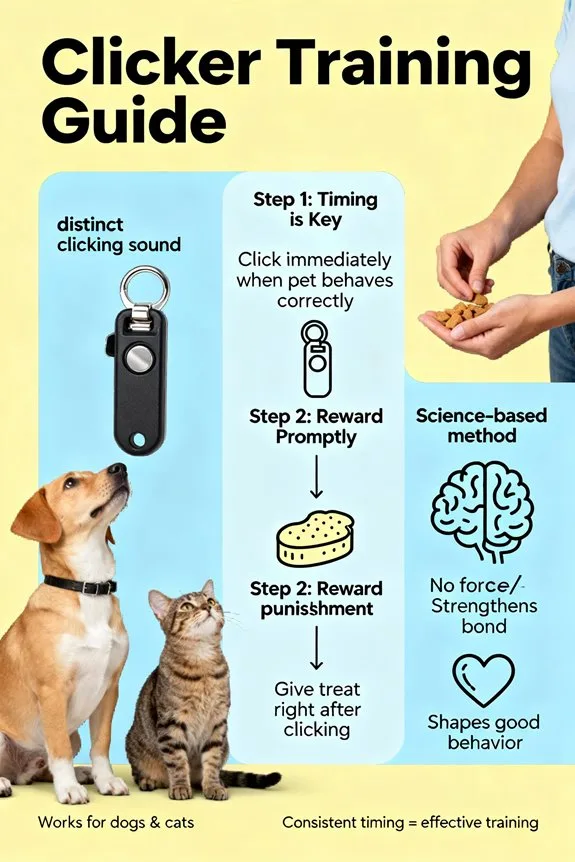
Clicker training uses crisp sound to mark actions within one to two seconds, and rewards. What happens is a clear behavior-reward link, so sits, recalls, and target touches increase reliably. Charge the clicker by pairing 10 to 20 clicks with treats, then shape behaviors in small steps consistently. Cats often need higher-value treats and spontaneous captures, while dogs prefer structured cues and five to ten repetitions. Continue for practical setup, troubleshooting, and advanced tips next.
Key Takeaways
- Clicker training uses a consistent sound to mark a precise moment of desired behavior, immediately followed by a reward.
- The click becomes a conditioned reinforcer by pairing it repeatedly with treats, so the sound predicts rewards.
- Clicks must occur within one to two seconds of the behavior for clear association and faster learning.
- Trainers shape behaviors using capturing, luring, prompting, and successive approximations, rewarding small steps toward the goal.
- Adapt rewards, session length, and cues for species: dogs prefer structured cues; cats favor spontaneous actions and higher-value treats.
What Is Clicker Training?
You may be interested
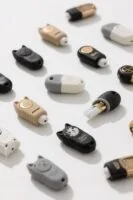
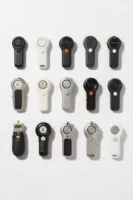
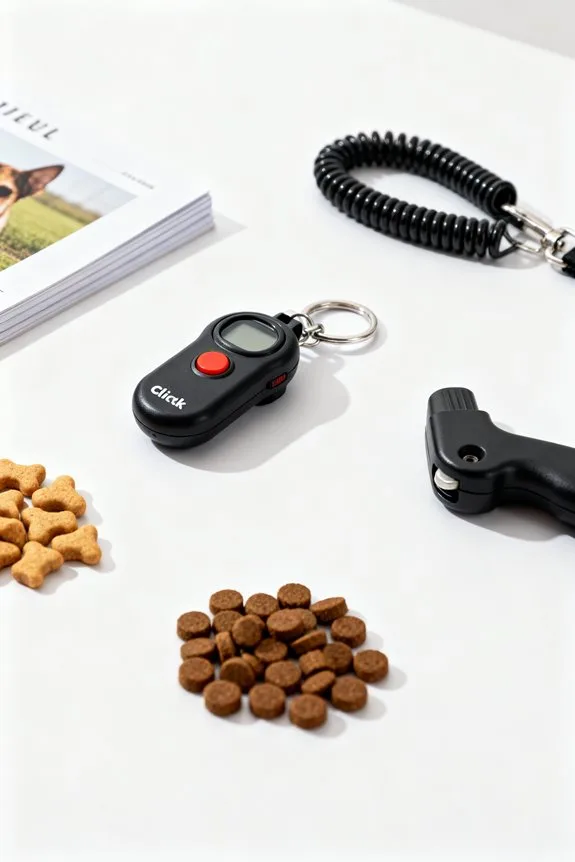
One common tool in positive reinforcement, the clicker produces a consistent sound, and it marks desired behaviors for dogs and cats. Clicker training pairs that clicking sound with an immediate reward, often a small treat, to bridge action and outcome. Trainers use simple sessions of five to ten repetitions, several times daily, to shape sits, recalls, and loose-leash walking. Why choose this method over verbal praise alone? Because the click provides precise timing, it clarifies which movement earned the reward, reducing confusion. Originating from behaviorist principles, these training methods avoid punishment, encouraging voluntary responses through predictable consequences. Using bells for training can also encourage dogs to communicate rather than bark, scratch, or whine. In multi-animal households, separate target cues and distinct treat types help prevent interference, and gradual criteria increases maintain progress. Documentation of sessions records progress, rewards, and timing.
Recommended Products

【 FROM BARKS & MEOWS TO WORDS 】: With the FluentPet Basic Vocab Kit, you can teach your dog or cat to express their needs and feelings. This complete set includes 12 premium recordable buttons, 6 HexTile mats, 35 customizable stickers, and pre-installed batteries for instant use. Delivers loud, clear, upward-facing sound to help “fluent pets” learn faster and build a richer vocabulary.
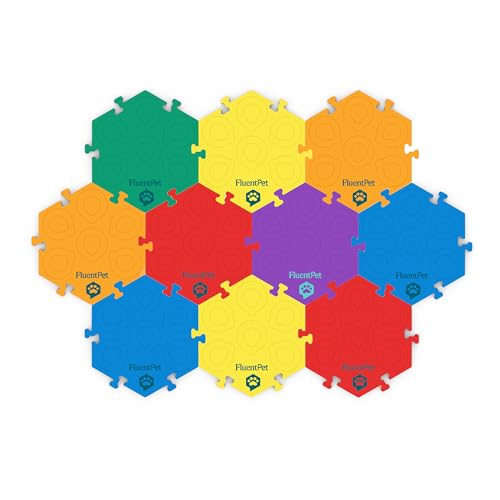
ENHANCE DOG COMMUNICATION SKILLS: Our dog communication buttons mat boosts dog training & behavior aids, offering a stable surface for effective communication. Personalize interactions with recordable buttons!

ENHANCE DOG COMMUNICATION SKILLS: Our dog communication buttons mat boosts dog training & behavior aids, offering a stable surface for effective communication. Personalize interactions with recordable buttons!
Why Clicker Training Is Effective
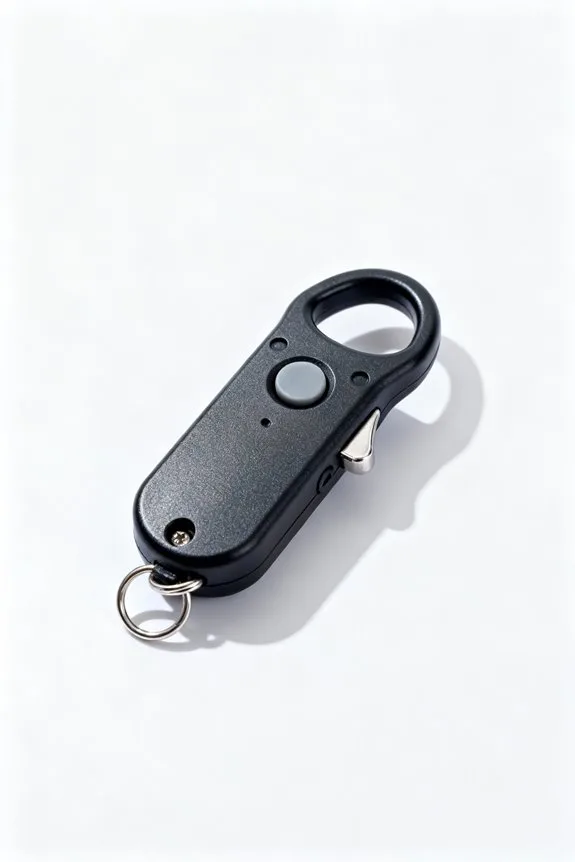
Because the click provides an exact, consistent marker, it lets animals link a specific behavior to a reward within fractions of a second. Clicker training uses that precise timing, to create clear associations, and reduce confusion during learning. It applies positive reinforcement, so desired actions are rewarded, which increases frequency without punishment. It also leverages operant conditioning, allowing animals to choose behaviors that produce rewards, thereby improving retention and reliability. Trainers observe lower anxiety and stronger trust when they reward success, and animals often learn faster, sometimes within a few dozen repetitions for simple cues. What makes it efficient is immediate feedback, which tells the animal precisely which movement earned a treat, so trainers can shape complex behaviors step by step, with measurable progress. The effectiveness of clicker training can vary based on individual pet responsiveness to sound versus food rewards, but it generally results in faster and more successful outcomes.
The Science Behind the Click and Reward
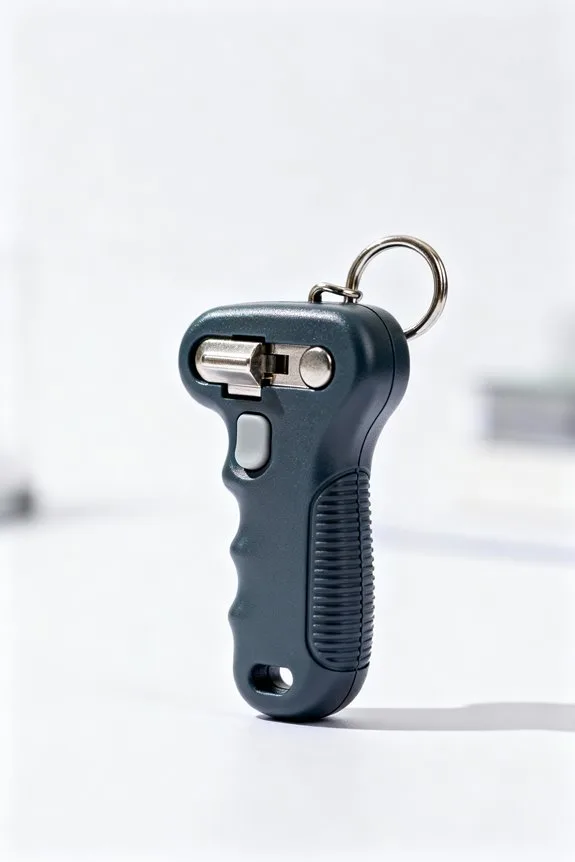
Many trainers and researchers describe the click as a precise timing tool, serving as a conditioned reinforcer that links action to reward. Clicker training uses operant principles, where the click marks a desired behavior and predicts an immediate reward. The click should occur within one to two seconds of the action, otherwise the association weakens and learning slows considerably. Animals quickly expect a positive reinforcement following the sound, increasing motivation and trust in the trainer. How does this reduce ambiguity in busy environments, where voice cues may fail, and attention shifts quickly? The consistent sound cuts through distractions, making the specific action clear, and trainers can reward successive approximations. Measured repetition, prompt rewards, and clear timing accelerate reliable behavior change in dogs and cats. Selecting durable clickers with consistent sound across multiple uses ensures effective training and reduces equipment failure.
Choosing and Charging Your Clicker
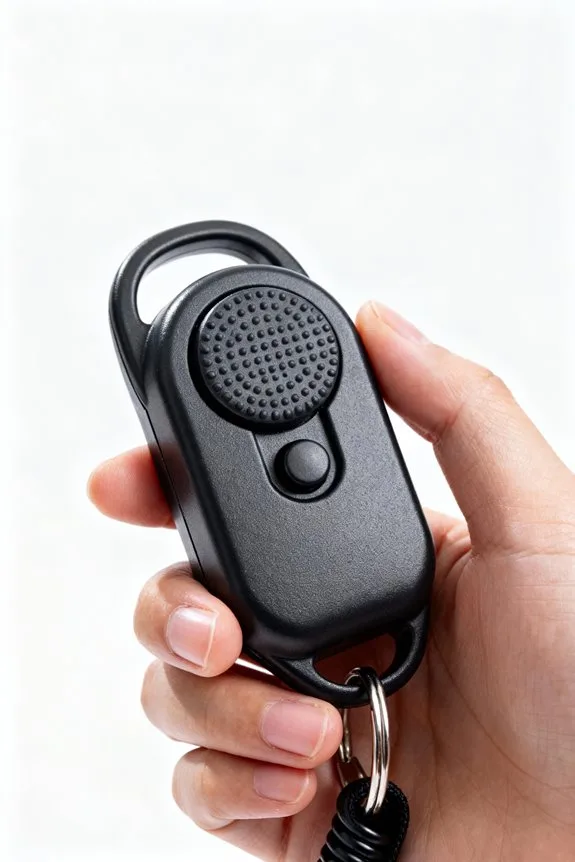
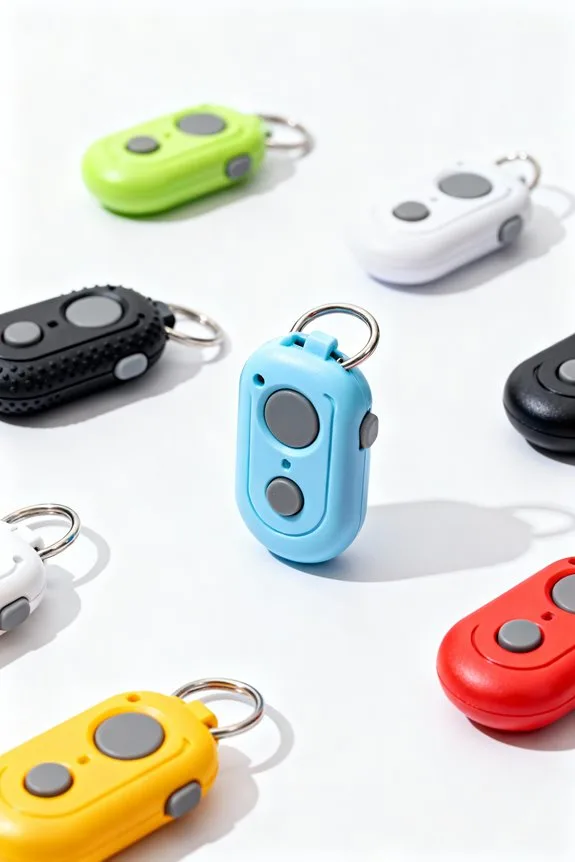
A small, reliable clicker is the starting point, producing a clear, consistent sound that does not startle the animal and cuts through background noise. When choosing a clicker, try push-pen models and tongue clicks, compare volume levels, and observe the animal’s response in varied environments, and lighting conditions too. To charge the clicker, click several times while immediately giving treats, repeat fifty to one hundred pairings across sessions to build a positive association. How many clicks per session will create learning without fatigue, and when should one pause training? Keep sessions short, ten to sixty seconds, and always follow each click and reward within one to two seconds. Experiment across settings, adjust click volume, and select the device producing the most reliable behavior change. For optimal training sessions, consider using a treat pouch with features like magnetic closures and adjustable straps for easy access to rewards and enhanced comfort.
Recommended Products

The ECO version refresh of our popular dog training vest features a softer shell fabric for more comfort and roomier, quick-access pockets that make rewarding your dog even easier

OUR BIGGEST STATION, MAXIMUM TREAT CAPACITY: The widest 13.5" shelf paired with three large 32oz jars — double the storage of our 16oz build — so you can keep treats, supplements, dental chews, and training rewards each in their own roomy, airtight jar. The complete wall mounted dog treat holder for homes that go through a lot of treats, or a lot of dogs

[LARGE SIZE]: 118.1 x 39.4 Inch (Pack of 1). Dog grass pad is large enough ideal for medium/large dogs to lying down/scrolling it or other training actions. If its sometime not convenient for you to take your pet out, then I believe this artificial turf is definitely your best choice. *Tips: For indoor pet potty training, recommended placing a disposable pee pad on the bottom.
Timing: When to Click and Why It Matters
After charging the clicker and establishing the sound-reward connection, attention shifts to when the click should occur, since timing determines which exact action is reinforced. The click must follow the desired action immediately, ideally within one to two seconds, so the animal links sound and behavior accurately, clearly. What happens if the click is delayed, and which action will the pet associate with the sound? Delays cause confusion, the animal may credit a different motion, and inconsistent timing undermines learning. Using the clicker as a bridge clarifies the correct behavior, and consistent timing promotes reliable repetition of positive behavior. Trainers should prioritize milliseconds of timing during varied scenarios, for example, when a dog sits after a cue, or a cat performs a target touch. It’s also crucial to consider the sound quality of the clicker, as a clear and audible click sound ensures effective reinforcement during training sessions.
Basic Techniques: Capturing, Luring, Prompting, Shaping
Use four basic techniques—capturing, luring, prompting, shaping—to teach behaviors efficiently, each offering distinct advantages and appropriate contexts. Capturing reinforces spontaneous behaviors by clicking and rewarding when the pet naturally performs the desired action, this builds positive association quickly. Luring guides the animal into specific positions with a treat, limit use to three repetitions to preserve effectiveness and prevent dependency. Prompting employs a known behavior to help bridge to a new one, does this by using the familiar action as a linking cue. Shaping breaks complex tasks into small steps, each step is clicked and rewarded until the complete behavior is achieved. Trainers should keep sessions light and end on easy tasks if frustration appears, this maintains engagement and steady progress, for consistent learning gains. Positive reinforcement is crucial in training, as it encourages pets to repeat desired behaviors by associating them with rewards.
Treats, Rewards, and Managing Motivation
Several small, healthy treats work best, approximately the size of a pea or half a teaspoon, to prevent satiety. Reinforcement timing is critical, click then deliver a treat within one to two seconds, to link behavior and reward. Positive reinforcement builds reliable responses, it also strengthens the bond between owner and animal through consistent, enjoyable sessions. Which treats elicit the strongest motivation, should standard kibble be augmented with meat or soft, high-value options? Monitor calories, excessive treats cause weight gain, so reduce portions and substitute praise or play. Experiment systematically, offer small samples of several types, note which flavor or texture increases engagement, then prioritize those items. Maintain brief, short sessions, five to ten minutes, breaks preserve motivation and reduce satiety, keeping training efficient. When selecting a training whistle, ensure it has an adjustable pitch in the 5.4-12.8 kHz range to align with puppy hearing capabilities.
Recommended Products

Luxurious Italian Nappa leather upholsters all seating and armrests. This premium top-grain leather is celebrated for its elegant feel, sophisticated appearance, and durable character, designed to suit an active household.
Dealmed 4" x 4" Non-Woven Gauze Sponges, 4-Ply All-Purpose Non-Sterile Gauze Pads, Absorbent Dental Gauze Wound Care for First Aid Kit/Medical Facilities, 200 Count (96 Cases)

Fully upholstered in the finest 100% Italian Nappa 11000 top grain leather for a premium and sophisticated look and feel.
Adapting Clicker Training for Cats Versus Dogs
Moving from treat selection and session timing, trainers must adjust methods to match species-specific motivations, sounds, and learning styles for best results. Dogs respond well to structured commands, five to ten repetitions per session, clear cues and consistent reinforcement, so clicker training pairs well with routine. Cats often prefer novel sounds, rapid timing, and spontaneous capture of actions, so training your cat may focus on reinforcing a jump, touch, or approach. Which approach fits an animal, depends on social motivation and food drive? Use higher-value treats for cats, smaller kibble or pieces for dogs, because cats often require more enticing rewards to repeat a certain behavior. Allow playful, flexible sessions for cats, maintain structure for dogs, and time clicks within 0.5 seconds for association. It’s important to consider toy material safety when selecting toys for training, ensuring they are non-toxic and appropriate for your pet’s size and chewing habits.
Working With Shy, Senior, or Deaf Pets
How can clicker training be adapted for shy, senior, or deaf pets to build trust, clarity, and reliable responses? Trainers begin with short, three-to-five minute sessions, using positive reinforcement to reward small, gradual steps toward desired behaviors. For shy pets, handlers lower their voice, remove sudden movements, and reinforce approach behavior with treats every two to three successful interactions. Seniors benefit from consistent marking, slower pacing, and small, high-value treats, for example pea-sized pieces given four to six times per session. Deaf animals learn paired visual cues, such as hand signals or a flash, immediately timed with the clicker mark. A calm environment reduces stress, increases focus, and thus speeds learning through clear, predictable consequences. Trainers measure progress weekly, recording three to five successes. positive reinforcement strengthens the bond between the pet and trainer, making training an enjoyable and rewarding experience.
Troubleshooting Common Training Problems
When a pet fails to respond to the clicker, the trainer should systematically check sound, pairing, and motivation before altering technique. Confirm the click is distinct, paired with treats before sessions, and follow clicker training fundamentals for consistency. If a pet appears disinterested in training, vary rewards, sample three to five foods, and note which motivates. If confusion appears, take a small step back, reward attempts, and treat every time the pet responds. Avoid excess verbal cues, rely on the click to mark behavior, keep sessions brief to limit stress. Shorten sessions to three to five minutes when stress appears, end with an easy behavior, stop on success. Measure progress with ten trials, aim for eighty percent correct before increasing difficulty, otherwise revert. Consider using multi-functional dog grass pads to aid in potty training for dogs, as these pads provide a natural experience and maintain cleanliness and odor control.
Recommended Products

ULTIMATE DOG MEMORY TOY – Memory Puzzle Dispenser Provides Entertaining Play, Encourages Exercise & Improves Memory by Rewarding Pets with Treats or Kibble

【Pet Training Buzzer】Dog talking button set record commands such as 'FOOD', 'EAT', 'DRINK', 'PLAY', 'YES', 'NO', ETC. Let your pet communicate with you; with a little patience, you can get inside your pet's head. Dog talk button set is suitable for all kinds of small dogs, medium dogs, large dogs and more.
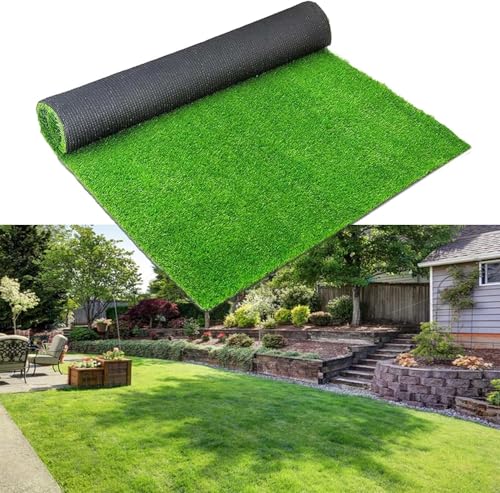
Dog potty grass: Length-118Inches, Width-39Inches, grass height 1.18 inches. Thick and professional artificial grass with a green look that looks like natural grass. It has drainage holes at the bottom and is highly permeable to drain liquids quickly. It's Friendly to dog Potty Training.
Using Clicker Training in Shelters and Sanctuaries
Although shelter environments can be noisy and unpredictable, staff can use clicker training to create consistent communication, and reduce stress during care. Clicker sessions of five to ten minutes, conducted two or three times daily, teach voluntary cooperation for exams, grooming, and crate entry. How can volunteers balance many animals, schedules, and training needs effectively? Standardized cues, simple target behaviors, and clear reinforcement rates, yield faster learning and calmer behavior. Best Friends recommends protocols that prioritize positive reinforcement, staff safety, and measurable goals, such as three trained behaviors per week. Because calmer animals are easier to assess, adoption rates improve, and shelters report shorter stays by weeks. Volunteers gain useful skills, boosting engagement, consistency, and overall sanctuary welfare, and improving animal-human bond outcomes measurably.
Recommended Products

ALL-INCLUSIVE CAT TRAINING KIT: Crafted to simplify your cat training journey, our kit brings together a Quiet Clicker, Target Stick Clicker, Treats Pouch, and a comprehensive Cat Clicker Training Start Guide — everything you need to harness your feline's full potential.
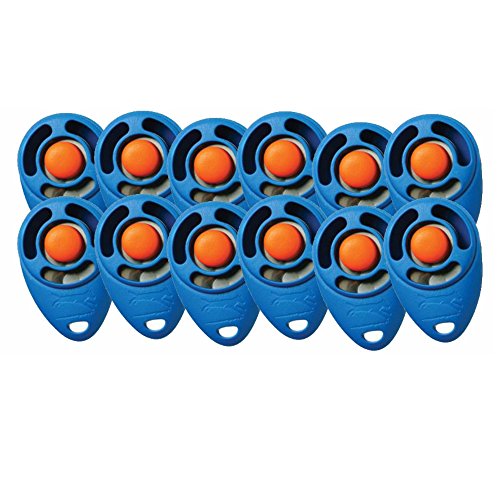
Scientific method of training your pet safely and easily

"IDEAL FOR PET TRAINING - Designed for precision training, each metal clicker produces a sharp, consistent sound that helps reinforce commands and improve communication with your pet."
Frequently Asked Questions
Do Dog-Training Clickers Work on Cats?
Yes, they work: trainers note clicker benefits in eliciting a clear cat response, adapting training techniques to individual preferences; consistent timing and rewards provide reliable behavioral reinforcement and strengthen desired actions over time for owners.
Do Clickers Really Work for Dog-Training?
Yes, research shows clicker effectiveness in shaping pet behavior; trainers using positive reinforcement and consistent training techniques report faster learning, clearer communication, reduced stress, and stronger bonds between animals and handlers across many studies worldwide.
What Are the Downsides of Clicker Training?
They note the downsides: Limitations of clicker include reliance on precise timing, Training consistency challenges, short Pet attention span, treat-dependency and calorie concerns; some pets suit Alternative training methods better, requiring patience and adaptability overall.
How Does a Dog-Training Clicker Work?
It marks behaviors: in a shelter case, a trainer clicked as a timid dog sat. The clicker creates a precise signal; with clicker timing, positive reinforcement, behavioral shaping and training consistency it teaches responses reliably.
Conclusion
The practitioner notes that clicker training echoes Pavlovian pairing, combining a precise click with a tangible treat, shaping behaviors in small, measurable steps over days. What occurs when timing falters, and clicks come too early or late, is slower acquisition, more errors, and the need for repetition with clear rewards. For shy, senior, or deaf animals the trainer adapts signals, uses two to five minute sessions, and documents progress numerically, ensuring reliable, humane outcomes consistently.