As an Amazon Associate, we earn from qualifying purchases. Some links on this site are affiliate links at no extra cost to you. Our recommendations are based on thorough research and editorial judgment.

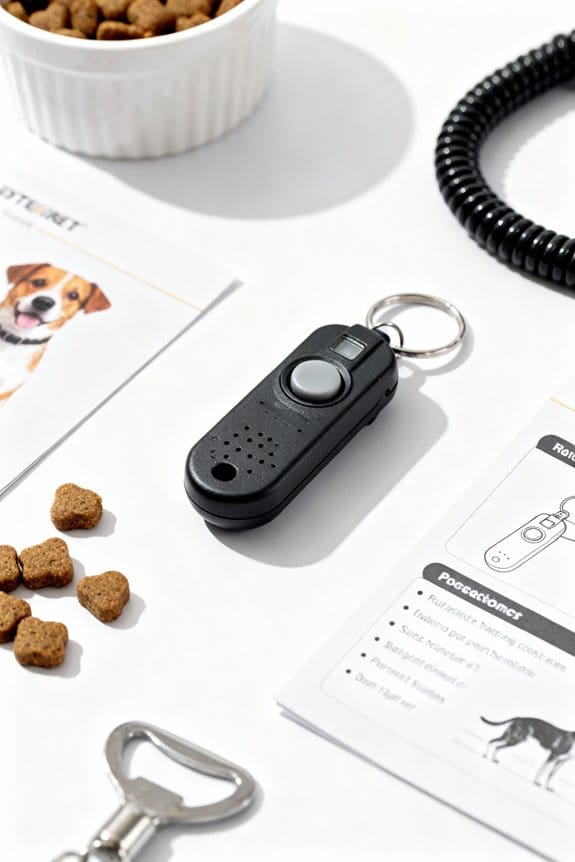
Troubleshooting Common Clicker Training Mistakes

Common clicker-training errors include poor charging, imprecise timing, and low food motivation, each needing clear, specific fixes. How is the clicker charged effectively, by clicking then immediately delivering treats during 3–5 minute sessions? If timing is delayed, wrong behaviors are reinforced, so click at the exact moment the desired action occurs. If hands are grabbed, throw small treats or remove visible food, and reduce daily meals by 10–15% to restore motivation, continue here for techniques.
Key Takeaways
- Re-charge the clicker in short 3–5 minute sessions, clicking then immediately treating until the sound reliably predicts food.
- Click precisely at the exact moment the desired behavior occurs to avoid reinforcing the wrong action.
- Prevent hand-grabbing by using two hands, removing visible food, and occasionally tossing treats to encourage distance.
- Restore food motivation by switching to 2–3 measured meals, reducing intake 10–15%, and removing uneaten food after 20–30 minutes.
- Use tiny, high-value treats (freeze-dried chicken, liver), rotate rewards, and monitor calories to keep sessions effective without overfeeding.
Charging the Clicker Properly
You may be interested


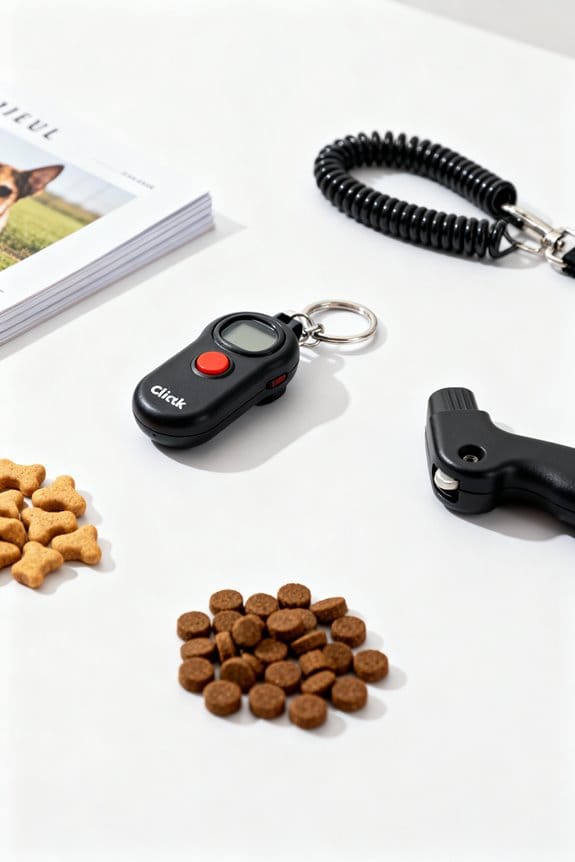
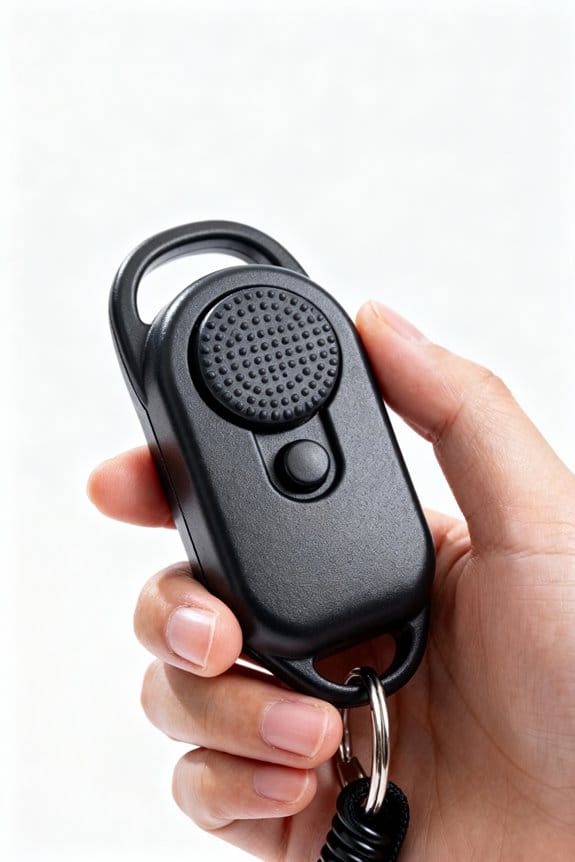
Several short sessions, lasting three to five minutes each, should be used to charge the clicker, guaranteeing consistent pairing. Charging the clicker begins with clicking and immediately following with a treat, forming a clear association for the learner. Do sessions across one to seven days, varying by animal responsiveness, to guarantee the sound predicts positive reinforcement. Initially, click without asking for behaviors, so the animal recognizes the noise alone, avoiding premature cue-response expectations. Each click must be paired with consistent delivery of the treat in the exact moment after the sound, reinforcing meaning. Keep training sessions brief, three to five minutes each, repeat several times daily, and monitor comprehension. Confused responses indicate rushed charging, so slow the pace, repeat clicks with immediate rewards again. Consistent click-treat pairing ensures stronger associations during training.
Mastering Click-and-Treat Timing
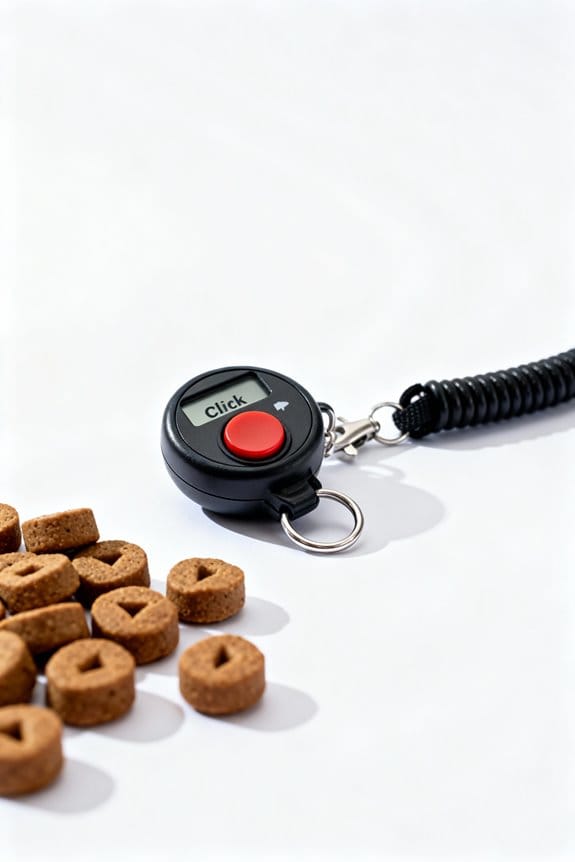
When the desired action occurs, the trainer must click at the exact instant it is completed, otherwise reinforcement will attach to a different movement. Mastery of clicker training depends on precise timing, consistent practice, and clear communication between handler and animal. Practice with a toy, click as the cat touches it, aim for a rhythm of ten to fifteen clicks per minute. If clicks are delayed, the animal may form wrong associations, so pay attention to body cues and seize the moment. The learning process accelerates when clicks consistently mark the target behavior, and treats immediately follow the sound. Trainers should rehearse sessions frequently, measure clicks per minute, and adjust pacing to reinforce accurate responses, recording results and evaluating trends over several sessions regularly. Clicker training is a positive reinforcement technique that builds communication between pets and owners.
Preventing Hand-Grabbing During Sessions
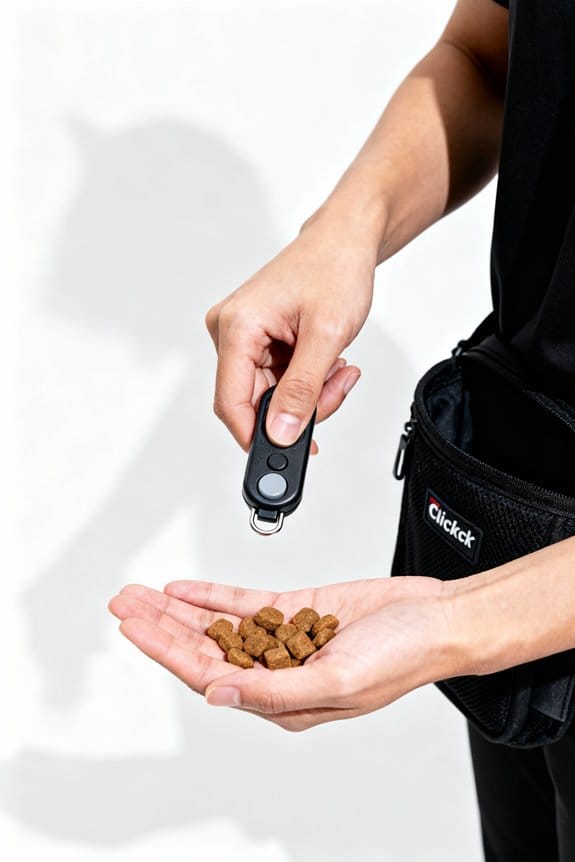
Precise clicking trains the animal to focus on the sound, yet treat delivery can create an unwanted hand-food association. Trainers should use two hands during training using one to signal commands and the other to hold treats, preventing hands from becoming interchangeable. Can throwing treats instead of delivering them directly reduce grabbing, by teaching distance and encouraging movement? If a cat shows high food motivation, make sure reinforcement is predictable and hands are not the only source of food, remove the food from sight between trials. Charging the clicker without immediate food builds sound association, and scheduled feeding increases treat value for focused sessions. Observe body language for anticipatory lunges, pause training, and reset position to reinforce calm responses. Repeat consistently across daily sessions. Consider using dog training pads for a clean and convenient setup during training, especially if sessions are held indoors.
Rebuilding Food Motivation and Adjusting Feeding
Although cats vary individually, adjusting feeding schedules and portion control reliably increases food motivation, creating readiness for focused clicker training sessions. Trainers should stop free feeding, instead offer two to three measured meals daily, timed before training to simulate hunting patterns and increase anticipation. What portion guarantees appetite without weight loss? Calculate daily calories, reduce usual intake by about 10–15 percent, and remove uneaten food after 20–30 minutes to maintain interest. Consistent feeding practices build predictable hunger cycles, which improve responsiveness to treats and the clicker during short sessions. Use high-quality treats sparingly, reserve them for training only, and pair lowered meals with brief, frequent sessions to reinforce behaviors. Monitor body condition weekly, adjust portions as needed, and prioritize health over rapid progress consistently. One way to enhance training engagement is by offering flavorful toys that increase interaction and encourage the desired behavior.
Choosing and Using High-Value Training Treats
After adjusting meal sizes to increase appetite, trainers should select several high-value treats, for example freeze-dried chicken or cooked liver. They should keep treats small, so the animal consumes them quickly and sessions maintain momentum. How will one know which rewards work best? Trainers should experiment with four to five different training rewards, noting enthusiasm, latency to take the treat, and task persistence. Avoid toxic or inappropriate foods, consult a veterinarian for special diets, and guarantee treats meet caloric limits to prevent weight gain. In clicker training, variable high-value treats maintain motivation, reinforce precise responses, and prevent satiety. Rotate rewards daily, record preferences, and adjust portions to balance incentive with overall nutrition. Measure outcomes, refine selections, and repeat successful combinations to maximize long-term learning consistently. Additionally, consider using eco-friendly options like Earth Rated Max Absorbency Puppy Pee Pads for training environments to minimize environmental impact while maintaining effective training conditions.
Frequently Asked Questions
What Is the Most Common Mistake People Make When Training Their Pet?
The most common mistake is inconsistent reinforcement: Timing errors and Reward inconsistency combine with Fading cues, Lack of patience, Overloading distractions, and Infrequent practice, causing pet to misunderstand which behaviors earn reinforcement and clear feedback.
Why Is Clicker Training Bad?
Clicker training can be harmful: Clicker training misconceptions mask Negative reinforcement effects, Timing errors explained reveal reinforced mistakes, Overuse of clicks and Lack of consistency cause mixed signals, increasing Dog anxiety concerns and learning efficiency
What Are the 5 D’s of Dog Training?
Coincidentally, the 5 D’s are Definition, Duration, Distance, Distraction, and Delivery. The trainer focuses on Defining duration, Setting distance, Building distractions, Understanding distractions, Managing difficulty, and Reinforcing behavior to guarantee clear communication and reliable responses.
Which Is a Common Training Mistake That You Should Try to Avoid?
The most common mistake to avoid is reinforcement inconsistency, often caused by timing errors, clicker misuse, poor distraction handling, improper reward scaling, and ignoring the cat’s ideal learning pace, which undermines reliable behavior acquisition completely.
Conclusion
The trainer should recharge the clicker with three paired clicks and treats, then practice two second timing drills consistently. When should repetitions be brief, for example five quick reps, instead, to prevent fatigue and preserve clear associations? If the dog grabs the hand, reduce treat size to two pieces and increase distance, causing mouthing to lessen. Rebuild food motivation like tuning a radio, use 30-minute sessions, three high-value treats, and gradual rationing to restore focus.