As an Amazon Associate, we earn from qualifying purchases. Some links on this site are affiliate links at no extra cost to you. Our recommendations are based on thorough research and editorial judgment.

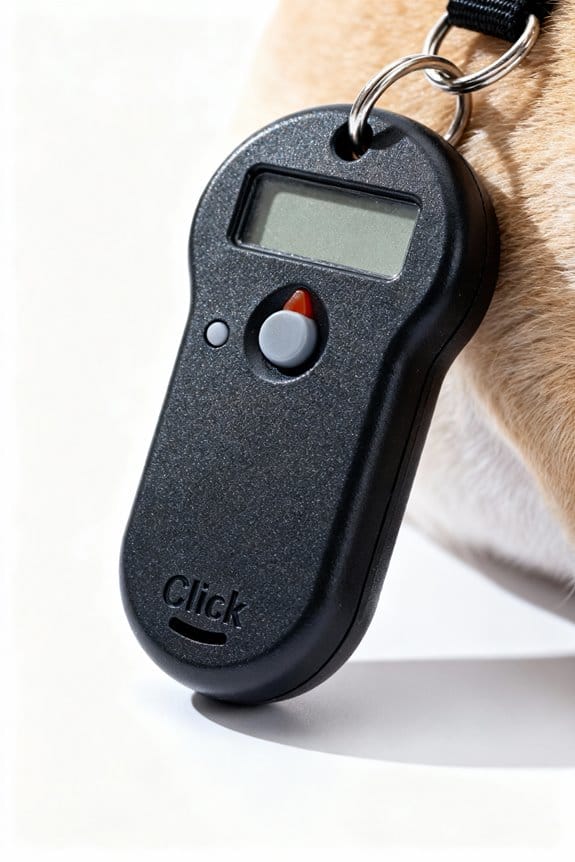
Teaching Your Pet to Recognize the Click Sound

An owner charges the clicker pairing the sound with a treat ten to fifteen times per session, clicking once, rewarding within one to two seconds. Use small, bite-sized treats, about fifteen to twenty per session, work in a quiet area for five to ten minute short practice periods, repeated daily. Practice clicking away from the pet to perfect timing, observe any fear responses, desensitize with quieter markers if needed, and continue progressive training steps soon.
Key Takeaways
- Pair the click with a tasty treat within one to two seconds so the pet learns click = reward.
- Repeat click-and-treat pairs in short sessions (about 10 reps) to reliably build the association.
- Use small, high-value treats and reward every click during initial charging for clarity.
- Practice clicking and delivering treats in a quiet, distraction-free space to speed recognition.
- Watch for anxiety; if startled, switch to a quieter marker and desensitize with gradual pairings.
Why the Clicker Works
You may be interested
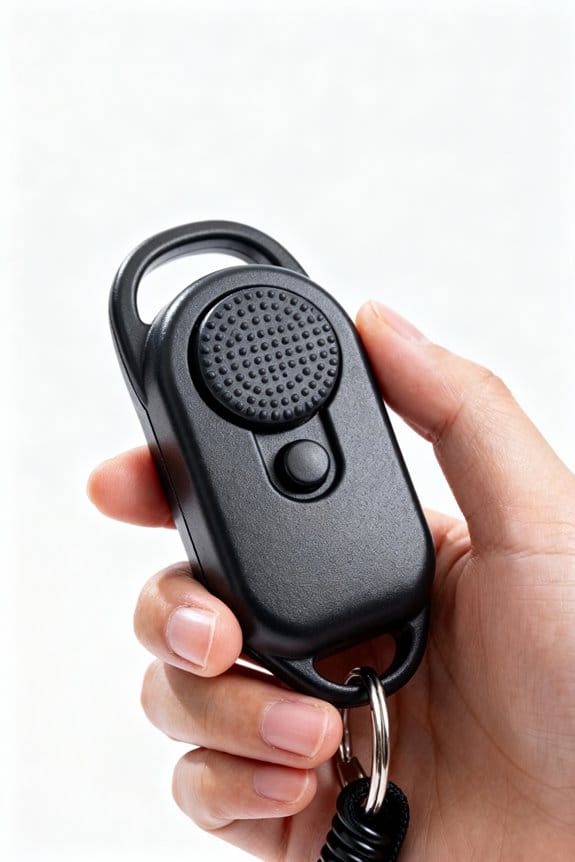
Association forms the basis of clicker training, linking the clicker’s sound to consistent rewards so behavior is reinforced reliably. The clicker functions as a conditioned reinforcer, when paired repeatedly with a treat, it signals which desired behavior earned positive reinforcement. Timing is critical, the click must occur within one to two seconds of the action to mark it precisely, otherwise confusion may follow. In training sessions, trainers use the distinctive click sound to separate praise and rewards, which clarifies communication and speeds learning. What happens when timing slips? The dog may repeat the wrong action, so consistency prevents that outcome. Simple scenarios show effectiveness: three to five quick pairings establish association, while varied practice solidifies responses across contexts. Progress is measurable within days or weeks. Consistent use of a positive reinforcement approach, such as using training treats, enhances the effectiveness of clicker training.
Recommended Products
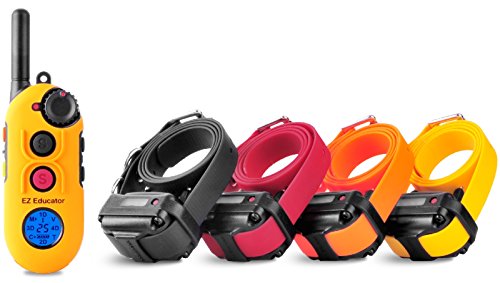
Extended Range Training System: E-Collar EZ-904 1/2-mile range trainer for small to medium sized dogs 10 pounds and up with neck size 5 to 22-1/2 inches is loaded with unique features, making it the most humane and effective trainer available

Bundle of 2 Items: Dogtra T&B Dual Dial for two dogs remote training collar and PetsTEK clicker. Perfect for dogs from 35 pounds and up. Unique single-body, built in downward facing beeper horn to eliminate the risk of catching on obstacles when in the field. This dog behavior training collar is designed to fit dogs with neck sizes between 10 - 26 inches. The advanced Dual Dial system is designed for long range upland hunters.
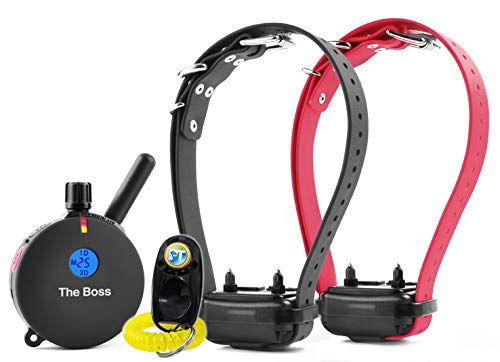
This is a bundle of 2 items: ET-802 two dog trainer and PetsTEK Dog Training Clicker. Perfect for back yards, parks, competitions, police k-9 work, any types of hunting and large field training.
What You Need to Start
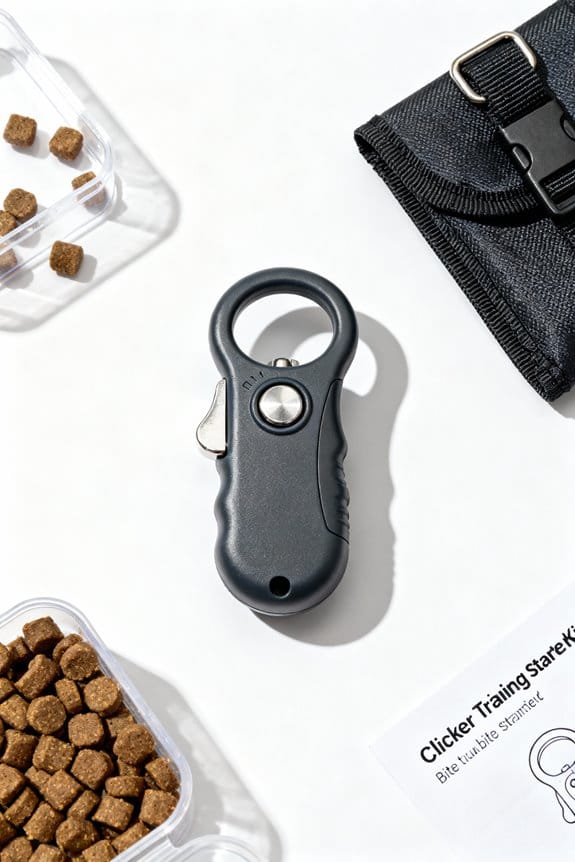
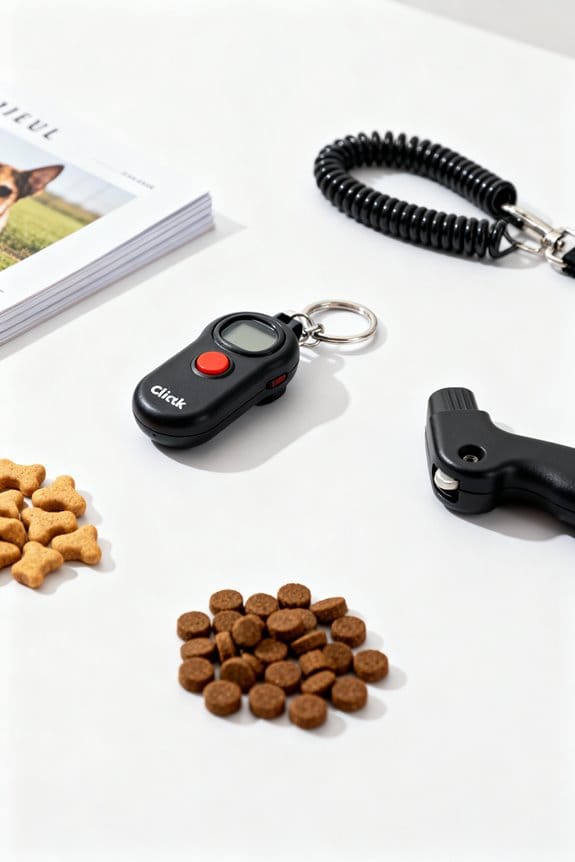
Equipment for initial sessions includes a clicker, a supply of small bites, and a distraction-free training area with clear boundaries. For clicker training, prepare about 15 to 20 soft, bite-sized treats such as cheese or hot dog, cut into quarter-inch cubes. Place the bites out of the pet’s reach on a table or counter, otherwise distractions will interrupt the training process. Select a quiet place for initial sessions, so the animal can attend, and progress depends on consistent pairing of the clicking sound and reward. How often should one treat? Treat every time the animal notices the marker, to create a clear association rapidly, then vary positions and distances. Practitioners should plan short repeats, practice daily, and remember to charge the clicker before sessions.
It’s important to ensure your pet’s comfort and safety by using humane modes during training sessions, which are emphasized in many dog training collars.
Recommended Products
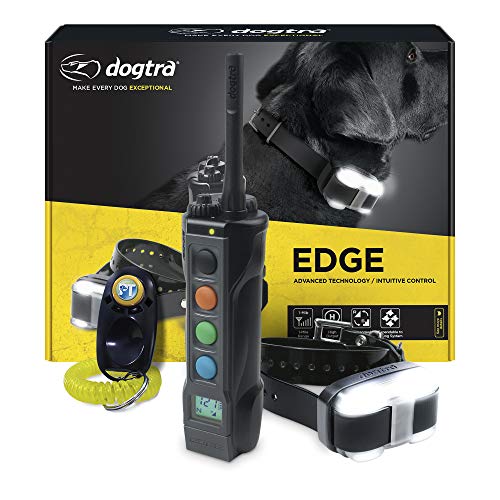
Get an Edge in the Field - Work with up to 4 dogs simultaneously. This dog hunting collar is perfect for wetland, upland and other hunting types. Each colored button on the remote corresponds to a receiver collar with the same colored strap.

Get An Edge In The Field - Expendable system that works with up to 3 dogs. One mile range gives you plenty of long range distance for hunting, competitions, and K9 work. Perfect for medium and large dogs 35+ lbs with 12 - 23 inches neck size.

HIGH PROTEIN, NUTRIENT DENSE: Featuring free-range Chicken, Organs, Bone, and New Zealand Green Mussels, this grain-free dog food delivers nutrition with a mouth-watering taste for all dogs. Gentle air dried processing retains the goodness of the raw ingredients. This food offers stimulating crunchy texture small enough for puppy food but soft enough for senior dog food.
Charging the Clicker: Step-by-Step
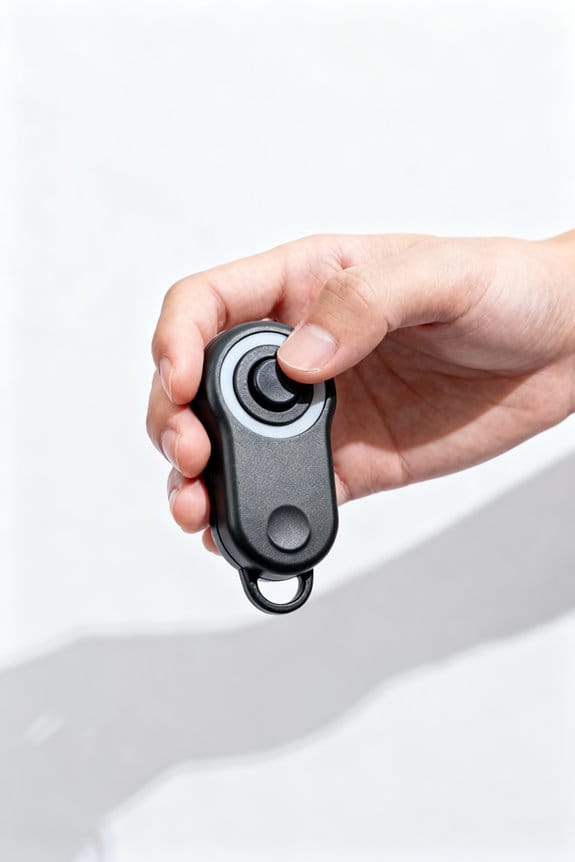
After preparing the treats and quiet space described earlier, the handler should begin charging the clicker in short sessions. This is basic dog training, the handler uses a mildly hungry dog, a quiet area, consistent timing, then clicks and feeds immediately within one to two seconds. Repeat this click-treat pairing approximately ten times each session, creating a positive association and signaling that a treat is coming, sessions short. When using training tools, ensure they are made from heavy-duty materials, which are durable and long-lasting. Vary position while clicking and delivering food, so the dog learns the click indicates reward regardless of location. Test the association by clicking when the dog is distracted, will it still look for the treat? Gradually increase the number of repetitions and sessions, reinforcing the link to a specific behavior without rushing progress or skipping steps.
Recommended Products
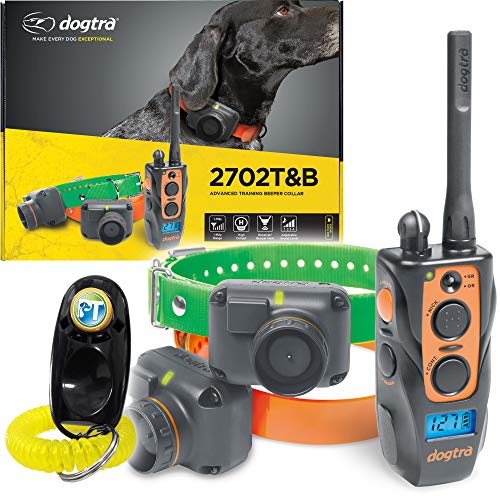
Bundle of 2 Items: Dogtra 2702T&B Two Dogs Remote Training Collar and PetsTEK clicker. Perfect for dogs from 35 pounds and up. Unique single-body, built in downward facing beeper horn to eliminate the risk of catching on obstacles when in the field. This dog behavior training collar is designed to fit dogs with neck sizes between 6 - 26 inches.
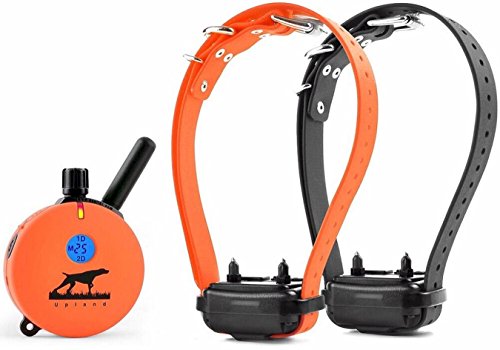
Two Dog System with Extended Range: The Upland UL-1202 two dog system with 1 mile range, large receiver for large dogs 20 pounds and larger with neck size 6 to 22 inches

COMFORTABLE FIT FOR ALL BREEDS: Designed for dogs 25+ lbs with adjustable neck sizes from 10–26 inches, this lightweight professional remote training collar provides a secure, comfortable fit for long wear, ensuring effective and stress-free training sessions.
Practicing Without Your Pet
Practice the click-and-treat routine alone, using two bowls and a neutral room, until the motion becomes second nature. The handler practices clicker training by clicking the two-beat sound repeatedly in a quiet room, moving treats between bowls to simulate delivery. Repeat the click/treat association about 10 times in several positions, reducing distractions deliberately, so the timing becomes predictable and precise. This practice strengthens the link between clicking and the food treat, which clarifies the meaning of the sound before the dog participates in sessions. Sessions should run 5 to 10 minutes, several times daily, focusing on steady hand movement, immediate transfer treats delivery, and consistent timing. Such disciplined rehearsal prevents confusion, improves handler confidence, and guarantees clearer cues during training dogs, producing faster learning. To maximize the effectiveness of your sessions, consider starting in distraction-free environments to ensure your pet can focus solely on the clicker sound and the treat association.
Teaching the Target Touch
Begin by presenting an open hand an inch or two in front of the dog’s nose, encouraging investigation and initial contact. The trainer marks the dog sniffs with a click, and rewards with small pieces, to teach your dog that clicker training links sound to reward. Gradually, the hand moves to varied heights and angles, reinforcing the target touch as the dog learns to seek contact reliably. After multiple successes, introduce a verbal cue such as “touch,” so the dog associates the command with the action. Shift from continuous reward to a variable schedule, to maintain interest and motivation. End each short session with play or gentle petting, ensuring positive association, and plan several brief sessions per day for steady progress and consistency. Clicker training offers clear communication and immediate feedback, making it an effective tool for teaching pets new commands.
Handling Sensitivity to the Click Sound
Having taught a dog to touch a hand reliably, trainers should observe the animal’s response to the clicker sound, since sensitivity varies widely. If the animal flinches, freezes, or avoids the handler during clicker training, note nervousness immediately and pause the session for assessment. Could a quieter marker, such as a pen click, tongue click, or verbal “yes” reduce startle, and how quickly should changes occur? Introduce alternative tools gradually, in 3–5 minute steps, pairing them with treats to rebuild comfort. For some dogs, desensitization over 10–15 repetitions reduces reactivity, while others need longer progressions. Document each change, compare responses across sessions, and adjust pacing to guarantee successful training without increasing fear. This methodical approach balances effectiveness with animal welfare and safety and comfort. Additionally, using built-in clickers in training treat bags can facilitate seamless transitions and enhance overall training efficiency.
Moving Beyond the Clicker
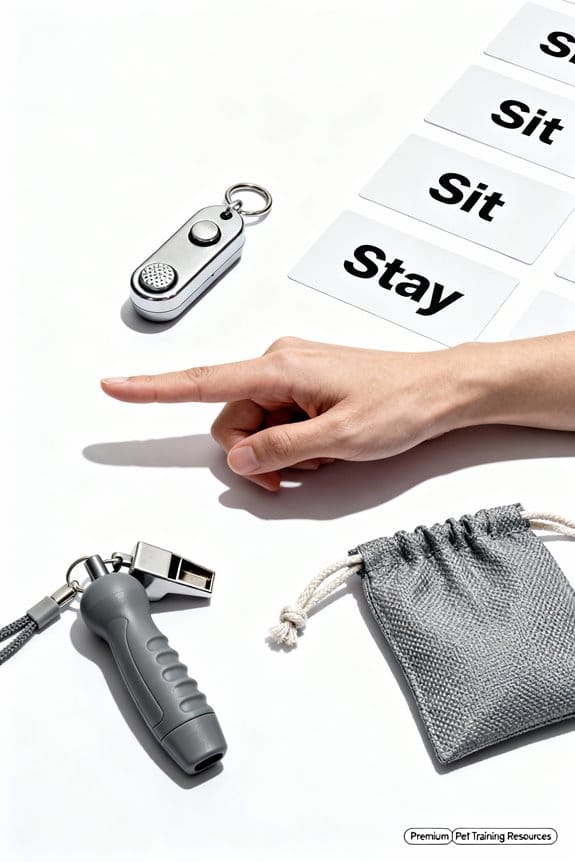
Several trainers recommend gradually shifting from a clicker to verbal markers or quieter cues, once the dog reliably expects a treat after the sound. In clicker training, the instructor may add one verbal marker like “Yes” after repeated clicks, to test transfer, and make sure timing remains precise. If the clicker provokes anxiety, a quieter device, a pen click, or tongue click can be used as something good is still signaled. After a learned one behavior is consistent, vary reinforcement schedules to intermittent rewards, reducing treats to one in three or one in five trials. Using clickers facilitates quick learning and correction of unwanted behaviors, enhancing the bonding experience between trainers and animals. How many number of steps does adjustment require? Three to five steps, each practiced until fluent, then move your hand to fade the physical cue, preserving clarity and consistency.
Frequently Asked Questions
What Is the Clicking Method for Dog Training?
Clicker training uses a click to mark desired pet behavior, pairing sound association with positive reinforcement; it requires timing accuracy, training consistency, distraction management and enhances command recognition by rewarding incremental responses and shaping behaviors.
What Is the Hardest Command to Teach a Dog?
80% of trainers report ‘stay’ is the hardest command to teach; training challenges often encountered arise from dog behavior and obedience issues, requiring patience required, common mistakes and consideration of individual differences and specific breeds.
Do Clickers Really Work for Dog Training?
Yes. Clickers offer Clicker advantages through Positive reinforcement, enhancing Dog training effectiveness when Clicker timing is precise and Consistency essential; they aid Behavioral shaping but require avoiding Common mistakes and minimizing Training distractions for results.
How to Teach a Dog Their Name With a Clicker?
They teach name recognition by calling the dog, using precise clicker timing upon dog attention, pairing click with treats for positive reinforcement, maintaining training consistency and playful engagement to build sound association while fostering trust.
Conclusion
The trainer concludes that consistent, timed pairing produces reliable clicker responses, using 5–10 clicks per short session, repeated 2–3 times daily, typically. Should the animal fail to engage, what adjustment will restore progress? Increase reinforcement frequency, shorten sessions to 30–60 seconds, or reduce background noise, because clearer signals yield faster learning. Examples include teaching a target touch in five sessions, or desensitizing noise sensitivity over 10–14 days, like a Victorian pocket watch in a pocket.