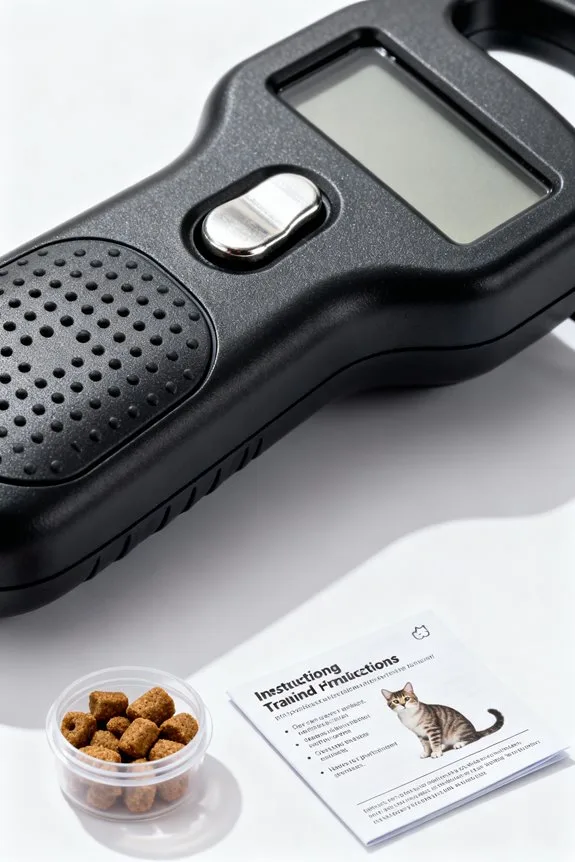
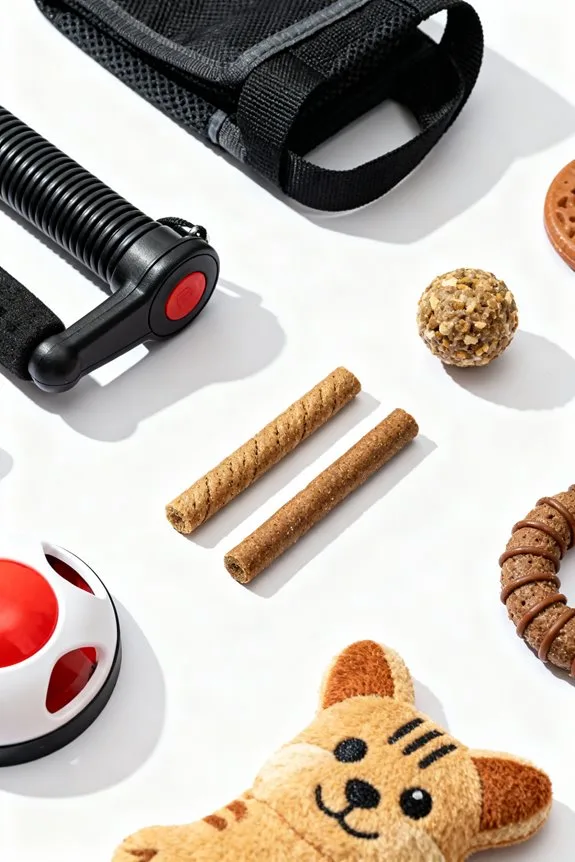
As an Amazon Associate, we earn from qualifying purchases. Some links on this site are affiliate links at no extra cost to you. Our recommendations are based on thorough research and editorial judgment.

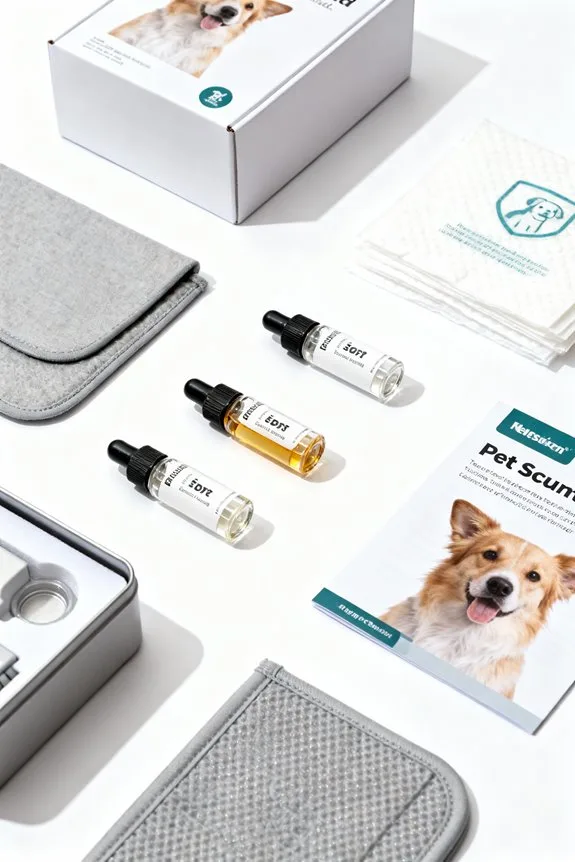
How Scent Training Kits Work for Pets

Scent training kits include concentrated target odors, secure containers, swabs and simple hides, and they teach pets to locate specific scents through reward-based repetition. How does a kit progress? Trainers start with brief 10–15 minute sessions, use 3–5 hides, and reward correct alerts with treats or play, causing scent association. Kits often use birch, anise or clove, suitable for puppies to seniors, and scale complexity; continue onward to learn advanced exercises and measurement drills regularly.
Key Takeaways
- Kits contain safe essential scents, scent holders, swabs, and training accessories to introduce target odors.
- Handlers start with simple hides and reward correct alerts to build scent association and motivation.
- Sessions are short (10–15 minutes), frequent, and progressively harder to prevent overwhelm and improve accuracy.
- Exercises like box searches, muffin-tin puzzles, and shell games teach discrimination and search patterns.
- Proper scent storage, labeling, and single-scent focus prevent cross-contamination and maintain detection reliability.
What Is Scent Detection?
You may be interested
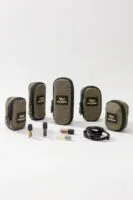
Because dogs possess over 220 million scent receptors, they can detect trace odors that humans cannot perceive, sometimes down to parts per trillion. Scent detection trains dogs to recognize and indicate target smells, converting innate ability into repeatable, measurable performance. Instructional scent training uses short, focused training sessions, rewards, and clear signals, so animals learn to detect specific odors reliably. What kinds of tasks benefit from this skill; recreational hides, competitive trials, drug interdiction, explosive searches, or medical screening serve as examples. A dog’s nose functions as a powerful tool during these activities, enabling detection at levels far below human capability, which improves outcomes. Handlers measure progress with repeatable drills, objective criteria, and recorded rates of correct alerts, producing reliable data for program evaluation. In addition to these practical applications, consistent scent training can improve search-and-rescue performance, building a dog’s endurance and accuracy through varied drills.
How Dogs Use Their Nose
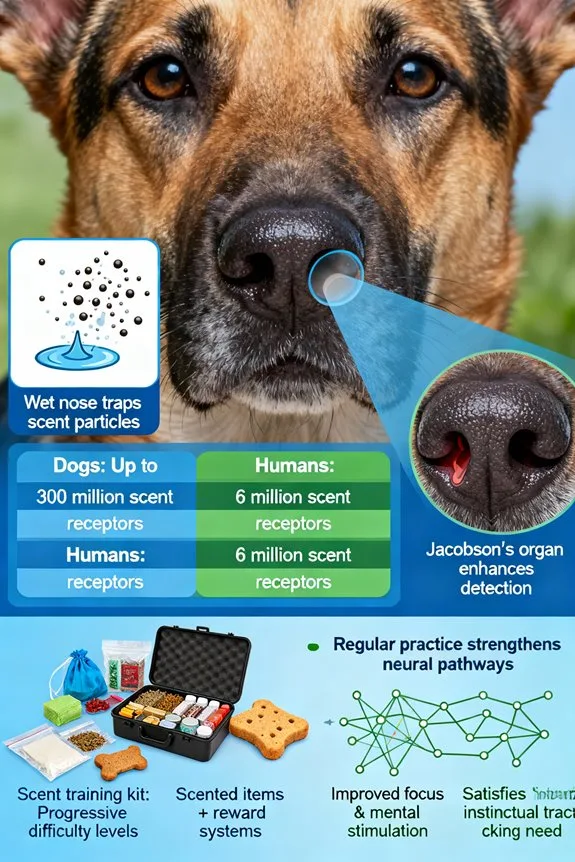
Moving from scent detection as a learned skill, attention turns to how a dog’s nose physically accomplishes that work. Dogs have about 220 million scent receptors, a number that dwarfs human capacity, so how do they process so many odors efficiently? Their nasal anatomy separates breathing and scenting, allowing inhaled air to reach a specialized olfactory bulb region that analyzes scents, while exhalation exits through nostril slits, creating swirls that draw new odors inward. Turbinates and scent pockets trap and channel molecules, improving sensitivity and localization during nose work training and scent detection training. Durable aluminum tins enhance scent release consistency and longevity, providing structured training opportunities. Trainers use scent boxes and staged repeats to exploit dogs’ natural abilities, and concise exercises can improve your dog’s precision, stamina, and reliability across different search scenarios in real settings.
Benefits of Scent Training for Pets
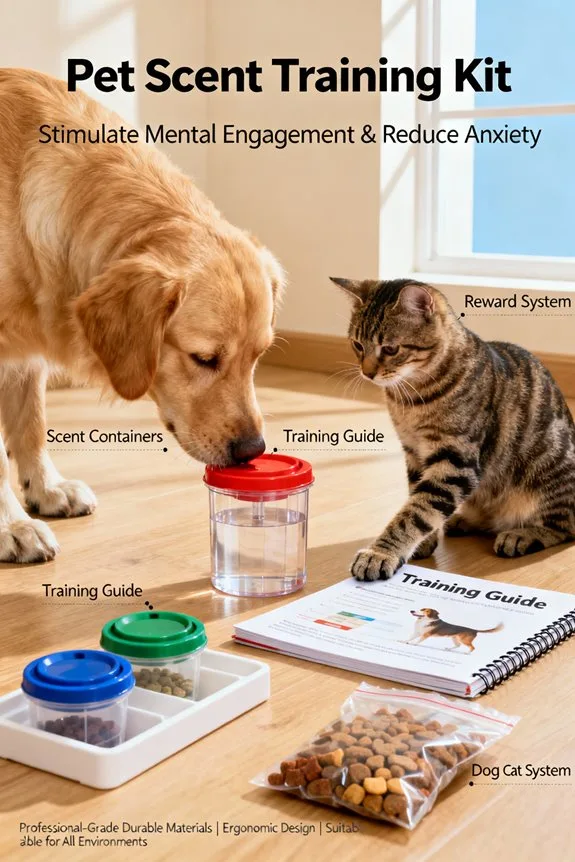
When introduced through a structured kit, scent training engages a pet’s olfactory system, channels natural instincts, and provides clear goals for learning. Scent training offers mental stimulation, reduces anxiety, and can improve focus, for example, 20-minute sessions three times weekly produce measurable calm in many pets. What practical benefits follow from such work? Handlers observe enhanced teamwork and trust during paired hide-and-seek exercises, and positive reinforcement strengthens desired responses after each find. Shy or reactive animals often gain confidence after incremental challenges, for instance locating one target, then three, then five. Problem-solving skills increase as pets learn search strategies, which also supply physical activity without long walks. Overall, the benefits of scent training include behavioral gains, social improvement, and durable handler-pet bonds across contexts. Protective gloves and arm padding ensure safety during bite and scent training, offering comfort for handlers and aiding in the interaction with working dogs.
Who Can Do Scentwork?
After experiencing improved focus, confidence, and bonding through regular scent training sessions, handlers often ask who can participate in scentwork. Any Dog, regardless of breed or size, can engage in Canine Scent Work, from Frenchies to Great Danes, inclusively for many households. Does prior obedience training limit participation, or can novice owners begin immediately with simple Scent Training exercises to build confidence? Scent games, when introduced gradually, reduce anxiety and channel energy for reactive, excitable, and nervous dogs, improving behavior. Puppies and seniors benefit from low-impact searches, which provide mental stimulation without strain, and adapted tasks suit dogs on crate rest. Improved dogs ability in scent detection follows consistent, progressive sessions, and the activity remains a great game that strengthens teamwork and increases focus. Many puppies can benefit from interactive toys that stimulate mental activity, further enhancing their scent training experience.
What’s Included in a Scent Training Kit
A standard scent training kit contains a concise set of tools, including three sample essential oils, cotton swabs, and secure scent containers. Kits typically include birch, anise, and clove as training scents, placed in mini mason jars or metal tins to prevent leakage, and labeled for rotation. What else is included, and why does it matter? Tweezers, gloves, a leash, and a harness appear frequently, so handlers avoid direct contact and maintain control during exercises. Many kits add a carrying case to keep materials organized, allowing quick setup for short sessions or extended classes. This assortment supports varied game-based scenarios, improves safety through included safety items, and enables consistent practice, which in turn accelerates reliable scent detection learning. It suits beginners, teams, and professionals. To enhance the scent training experience, some training treat bags with built-in clickers and poop bag dispensers can be used in conjunction with these kits, providing convenience and efficiency during training sessions.
Recommended Products

THE ULTIMATE GROOMING UPGRADE HE DIDN’T SEE COMING! This powerhouse kit delivers clean, controlled, prestige‑level grooming that keeps his beard looking sharp every day.

For safety reasons, Scent Kits and Scent Kit refill items cannot be returned or exchanged

🌿Big Essential Oil Set: All-in-one!!! Our 120 x 5ml Essential Oils Set includes the Most Popular and in-demand Essential Oils - Fruity, Floral, Bakery, Mens, Clean, Woody & Herbal collection oil. Diffuser these collections in your home to enjoy the fresh floral scent, sweet fruity scent, a well-curated collection of masculine scents and more. Each scent will uniquely awaken your senses.
How to Use a Scent Training Kit
Handlers moving from kit contents into practical use should establish a consistent routine, gather gloves, tweezers, cotton swabs, tins, leash, and harness. The handler applies a small drop of essential oil to a swab, places it in a metal tin, then presents it so scent training for dogs begins with a clear cue, encouraging the animal to use their nose and find the treats, which creates an association. Gloves prevent skin contact, and limiting oil quantity reduces risk, so sessions stay safe and controlled. How long should sessions run, ten to fifteen minutes? Short, regular training sessions build skill, and gradually hiding tins increases difficulty, thus positive reinforcement helps learning, and Reward your dog promptly with a treat the dog loves to solidify success. Incorporate ventilated aluminum tins to ensure predictable scent release and enhance the dog’s ability to differentiate between various odors, gradually advancing their detection skills.
Recommended Products

SUPER-PRO DUMMY LAUNCHER - This Dummy Launcher Kit is designed to elevate your hunting dog's training with lifelike scenarios; Equipped with a durable White Cordura Nylon Launcher Dummy, this dog training tool uses .22 caliber blank power loads to propel a retrieving dummy, simulating the sound of a "BANG" and the sight of a bird in the sky; Powerloads are sold separately; Use only D.T. Systems Powerloads

Orange Color Fun & Health Dog Agility Course Backyard set: This agility training equipment is perfect for dogs sharpen obedience, speed, and dexterity. Running, jumping, playing, and most of exercising for maximum the dog's agilit. With this agility training sets, you not only improve great bonding & health, but also bring much fun for you and your little cutes! This is best way to build trust with your pets.

UNIQUE & HEALTH: Running, jumping, playing, and most of exercising for maximum dog agility. Whether training for competition or just for fun, you should own this dog agility equipment kit to build trust with your pets and keep them healthy!
Step-by-Step Beginner Scent Exercises
When beginning scent work, the novice handler should choose simple, repeatable exercises like box searches, muffin tin puzzles, and the shell game. Begin with a Box Search, simple games, hide treats in empty boxes, teach your dog to find rewards, perform five hides per session. Use Muffin Tin Puzzle, place treats in six holes, cover with tennis balls, run three to five trials to build skill. Try the Shell Game, hide a treat under one of three cups, shuffle slowly increase speed to challenge scent training. Introduce different scents on cotton swabs in containers after consistent success, expose the dog three to four times per session. Keep sessions ten to fifteen minutes to improve your dogs focus, accuracy, and motivation over weeks, nose work games. Consider using food-grade aluminum containers for easy maintenance and durability.
Recommended Products

Every Purchase Saves Pets. Every purchase makes it possible for BISSELL to continue our support of BISSELL Pet Foundation and its mission of saving pets in need.

DOG WASTE BAGS – These dog waste bags break down in less time than regular plastic dog waste bags for way to pick up after your pet

【Expand Their Territory】Ignite your cat's sense of adventure with our Pawtenda Outdoor Cat Tent. This innovative play haven allows your furry friend to explore the great outdoors safely, expanding their territory and providing a thrilling environment for endless curiosity and discovery.
Games and Activities to Try at Home
Home-based scent activities build on basic exercises like box searches, muffin tin puzzles, and the shell game, offering varied challenges and convenience. Kits typically include cotton swabs, essential oils, mini tins, and a carrying case, so novice handlers have the tools to start. How can a handler progress from one box to five boxes, or from three muffin cups to twelve, without overwhelming the dog? Simple examples include one-box box search, three-cup shell game, and a six-hole muffin tin puzzle, each increasing difficulty and duration. Praise and food rewards reinforce correct responses, hence dogs learn to detect target scents reliably. These activities teach canine focus, help dogs find hidden items, and make scent training feel like a team sport, as dog sniffs become purposeful. When choosing scent training boxes, consider the durability and materials to ensure they withstand frequent use and are easy to clean.
Recommended Products

6 Recordable with preinstalled batteries + 3 Mats + 35 Stickers
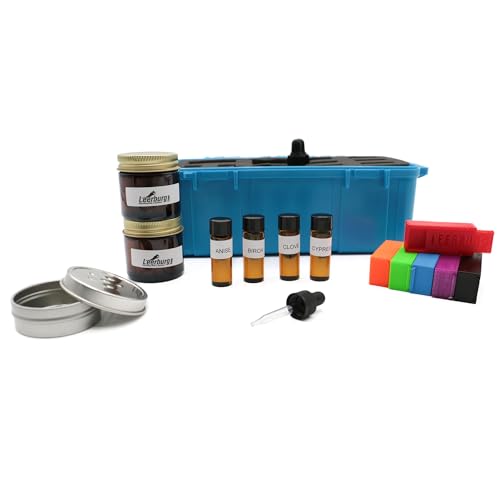
Complete Scent Training Kit: This comprehensive AKC scent work starter kit includes everything needed to begin your dog's scent detection journey, featuring four essential scent oils (Anise, Birch, Clove, and Cypress) in convenient dram bottles, along with cotton swabs for safe scent application

【DUMMY MEASURES 】(4.2 x 6.0 x 3.6") in size is excellent for dog training
Common Challenges and How to Avoid Them
Begin by keeping exercises deliberately simple, introducing only one scent and a single box or three cups until mastery. Beginners avoid common challenges by preparing your dog gradually, using gloves to prevent scent contamination, and cleaning equipment after each session. What if the dog seems distracted, confused, or tired? Short training sessions of ten to fifteen minutes preserve interest and help maintain focus, so schedule two to three sessions per day rather than one long trial. Use the dog’s favorite reward to reinforce correct responses, and vary engaging games slowly to increase difficulty, adding a second scent only after consistent success across ten to twelve trials. Start in a quiet room, then introduce controlled distractions incrementally, observing performance, and adjusting pace as needed carefully. Consider using dog puzzle toys to encourage mental engagement and minimize boredom, helping keep your pet focused during training.
Recommended Products

DURABLE MATERIAL Made with ultra-tough canvas for long-lasting durability material which holds game scent better than plastic dummies. Canvas is the perfect material for injecting or transferring scent into, and the 3’’ diameter is best for dogs
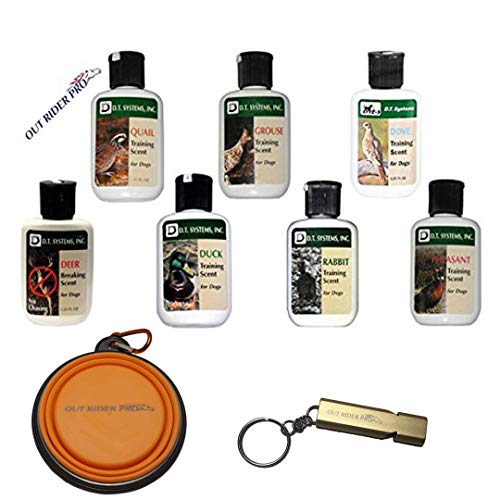
Realistic Scents: Mimics the smell of real game to enhance your dog’s hunting instincts.

【DUMMY MEASURES 】(4.2 x 6.0 x 3.6") in size is excellent for dog training
Professional Applications of Scent Training
Although many scent training exercises start simply, professional applications demand precision, standardized protocols, and durable equipment for reliability. Scent training prepares dogs for roles like search and rescue, narcotics, and explosive detection, with training involving 8–12 weekly sessions to build consistency. Who verifies competence, and how are standards maintained across teams and agencies? Organizations such as the National Association of Canine Scent Work set guidelines, while trainers use kits, training scents, and practice scenarios to simulate field conditions. Detection dogs undergo progressive challenges, varying distances and distractions, and working dogs learn source indication and handler communication. Dog training programs document performance metrics, for example hit rates above 90 percent during trials, ensuring operational readiness for police, military, and civilian response units. Training adapts to environments. Humane training methods in citronella collars focus on gentle deterrence, emphasizing non-aversive techniques for effective behavior modification.
Choosing and Storing Training Scents
After completing professional readiness exercises, handlers must select and store training scents carefully, because preservation affects detection accuracy and consistency in scent training. Handlers should choose non-toxic, natural options such as birch, anise, clove, or truffle oil, applying essential oils sparingly to cotton swabs, and limiting each vial to one scent to avoid contamination. What prevents cross-odor confusion during sessions? Use gloves, label items with dates, and keep only three to five active targets per rotation, replacing degraded samples every four to eight weeks to maintain scent integrity. Storage solutions include small tins or jars with ventilation holes for tins, and sealable plastic bags or containers for long-term protection, ensuring accessibility during scent training and reducing leakage, spoilage, and inconsistent canine responses, improving repeatability.
Frequently Asked Questions
How Does Dog Scent Training Work?
Dog scent training teaches dogs to identify odors using innate olfactory skills, guided by professional trainers who use training techniques, reward systems, and knowledge of dog behavior to build scent recognition and scent detection abilities.
How to Use a Scent Training Kit?
Calm chaos: they use scent training kits applying scent selection tips, reviewing kit components overview, arranging training environment setup, following training progression stages, practicing scent discrimination exercises, employing reward systems, and noting common mistakes avoid.
Is Scent Training Good for Dogs?
Yes, scent training is good for dogs, offering scent detection benefits through varied training methods, addressing dog breed differences, enhancing focus, improving behavior, providing engaging activities and fostering bonding experiences between handler and dog owners.
What Scents to Use for Dog Scent Training?
Like a fragrant map, handlers recommend birch, anise, clove, and truffle oil as popular, natural scents; artificial scents may be used sparingly. Scent selection tips emphasize scent preferences, scent recognition, and appropriate regular training frequency.
Conclusion
The handler should introduce three to five scents in ten-minute sessions, offering clear rewards and consistent cues for learning. Who benefits from scentwork, the novice owner or experienced trainer, and which scenario—indoor hide-and-seek or outdoor tracking—fits best overall? Because progressive difficulty and varied practice improve retention, handlers should raise challenge every three sessions, while monitoring stress signals. This modest olfactory pastime, a polite name for focused nosing work, keeps pets mentally fit and builds teamwork.