As an Amazon Associate, we earn from qualifying purchases. Some links on this site are affiliate links at no extra cost to you. Our recommendations are based on thorough research and editorial judgment.

Clicker Training for Cats: What You Need to Know

Clicker training teaches cats to associate a precise sound with rewards, enabling clear timing for desired behaviors, and uses short sessions to maintain focus. How should one start, by charging the clicker with ten to fifteen paired clicks and treats, then shape simple tricks like sit and spin using lures or a target stick? Keep sessions five to ten minutes, use tiny high-value treats under 10% daily calories, and add cues and outdoor leash practice. More guidance follows with step-by-step tips included.
Key Takeaways
- Click marks the exact moment a desired behavior occurs, creating a clear cause and effect; timing is essential for learning.
- Charge the clicker by pairing ten to fifteen clicks with immediate high-value treats so cats associate the sound with reward.
- Keep sessions short, five to ten minutes, frequent, and focused to maintain attention and reduce stress.
- Start with simple behaviors like sit or paw; use target sticks and treats to shape and generalize skills.
- Solve unwanted behaviors by identifying causes, training alternative actions, and rewarding desirable choices consistently.
What Is Cat Clicker Training and How It Works
You may be interested



One small device, the clicker, serves as a precise marker that immediately signals a desired action, forming the basis of clicker training. Cat Clicker Training uses positive reinforcement, producing a brief, consistent sound that marks the exact moment a behavior occurs. The training process pairs the click with a small treat, typically one to two kibble pieces, until the cat anticipates reward after the click. Trainers begin with simple behaviors, such as sit or paw, repeating ten to twenty short trials per session to build association. Why is timing vital? Because the click must coincide with the behavior, ensuring clear cause-and-effect learning. Over time, complex tricks are shaped by chaining clicks, treats, and gradual increases in difficulty. Consistency and patience strengthen the learning process. Many effective bark training collars come with dual-sensor technology that helps minimize false triggers and ensures the collar responds accurately to the dog’s bark.
Benefits of Using a Clicker for Cats
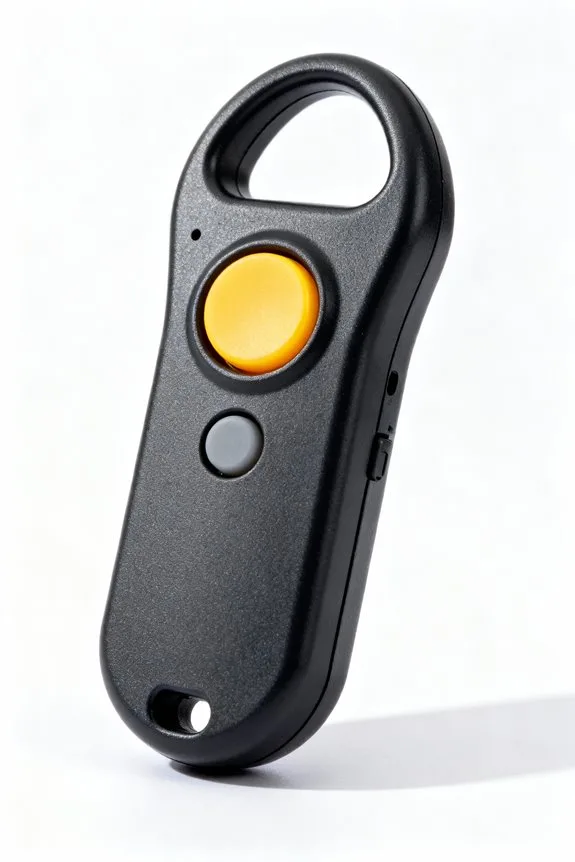
After establishing the click as a reward marker, trainers can leverage several practical benefits that improve learning speed and engagement. Clicker training uses a novel sound of the click, which captures attention more reliably than spoken cues, so cats form clear associations with treats or play. How quickly can a skill be learned, five sessions or ten, when the click precisely marks desirable behaviors and reward timing is immediate? Short training sessions of five to ten minutes preserve focus, reduce stress for handling-sensitive cats, and maintain motivation. Positive Reinforcement through clicks fosters a stronger bond between owner and cat, because interactions become predictable and enjoyable. Additionally, the method provides mental stimulation, varied scenarios, and repeatable practice that generalizes behaviors across contexts in multiple settings. The versatility of clickers allows them to be used across various pet species, enhancing their usability in training different animals.
Essential Supplies for Clicker Training
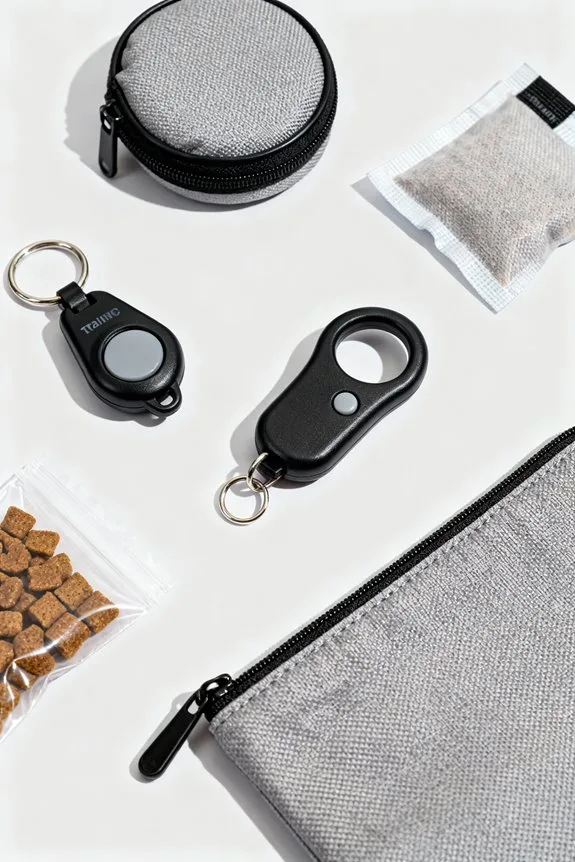
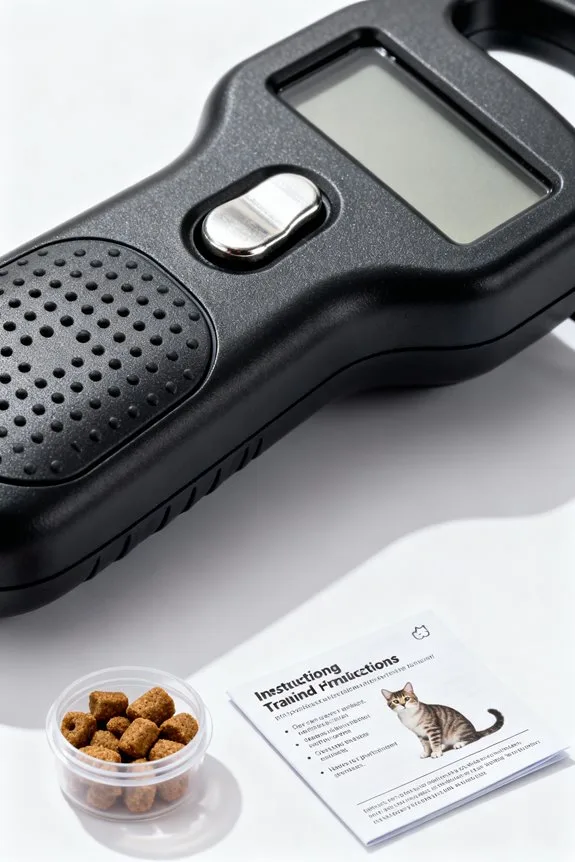
Equipment for clicker training should be compact, reliable, and ready, including a clicker, small treat pouch, and a target stick. A clicker is an essential tool that produces a distinct sound to mark desired behaviors during training sessions. Trainers should use a clicker with small, high-value treats, such as cooked chicken or commercial cat treats. Keep treats tiny, for example five millimeter bites, so cats eat quickly and stay motivated. A target stick assists in directing movement, can teach touches, and avoids physical prompting, which preserves cat comfort and safety. Some training products, like artificial grass puppy pee pads, are designed with specific features to ensure easy maintenance and hygiene. Prepare essential supplies for training, arrange treats, set session length, three to five minutes? Clicker Training Cats uses Positive Reinforcement, it increases learning efficiency, so trainers plan short, frequent training sessions with clear goals.
Charging the Clicker: Building the Click–Treat Association
While initial familiarity is being established, the trainer should click and immediately present a treat, creating the foundational click–treat association. To charge the clicker in clicker training, perform ten to fifteen clicks per short session, watching the cat’s response carefully quietly. Repeat the charge over 24 hours, spacing brief sessions, so the cat understands the click sound predicts an immediate reward reliably. Use small, high-value rewards during charging to maintain interest, presenting one treat immediately after each click, not later, for consistency. Observe behaviors like approaching, looking expectantly, coming closer, these signs indicate the association has formed over sessions, does it seem consistent? When anticipation occurs reliably, gradually reduce clicks tied to actions, and begin marking specific behaviors with the click during training progressively. Consider using eco-friendly options for training pads if you are simultaneously house training a puppy, as they offer sustainability benefits.
Choosing the Best Treats and Managing Calories
With the click–treat association established, selecting the right rewards and managing treat calories becomes the trainer’s next priority for consistent progress. Choose small, high-value treats that are irresistible to the cat, examples include freeze-dried meat or fish pieces, which maintain interest during repeated trials. Avoid regular kibble as rewards, why use ordinary food when special goodies increase motivation and response rates? Keep individual pieces tiny so they are consumed quickly, large or chewy treats interrupt training flow and reduce repetition. Monitor caloric intake carefully, treats should remain under ten percent of daily calories to lower obesity risk and preserve health. Experiment across short sessions, adjust treat type and size based on which reward most rapidly fosters engagement and learning, ensuring measurable progress each week. Consider using reflective materials in the training environment to enhance visibility during low-light training sessions, promoting safety and focus.
Step-By-Step Beginner Training Plan
Because the sound must predict a reward, begin by charging the clicker, clicking then immediately offering a treat five to ten times. This clicker training beginner training plan recommends short training sessions of about five minutes, repeated two to four times daily, to train your cat without causing fatigue. Use high-value treats that are quickly consumed, this supports positive reinforcement and keeps momentum. Initially capture and reward natural behaviors, such as sit or attention, then click and treat the instant they occur. After consistent responses introduce verbal cues, pairing the word with the click then the treat, which strengthens association. Should progress stall, reduce session length, change treats, or repeat capture and reward more frequently, because small adjustments cause measurable improvement and overall consistency. Clicker training is suitable for senior pets as well, as long as sessions are tailored to their health needs and stamina.
Target Sticks, Luring, and Shaping Techniques
After establishing a clear clicker-to-treat association, a trainer can introduce target sticks, luring, and shaping techniques to build more complex behaviors. Target sticks guide a cat to touch or follow a point, providing spatial cues without force, and move cats toward desired behaviors. Luring uses a treat or stick to lead, redirecting undesired actions while pairing movement with verbal commands and timing. Shaping techniques reward successive approximations, breaking complex tasks into manageable steps, for example three to five incremental steps per behavior. Consistency and positive reinforcement guarantee reliable learning, when sessions last two to five minutes, three to five times daily, and strengthens owner-cat relationship. Introducing durable clickers with rust resistance ensures long-lasting use and consistent feedback during training. How should progress be measured, and what criteria, such as three consecutive correct responses, define successful training your cat?
Tricks to Teach First: Sit, Spin, Jump and More
Often, beginning trainers should prioritize simple tricks like sit, spin, and jump, because these build basic cues, targeting, and confidence. To teach sit, lure the cat with a treat from the nose upward toward the ear, click and reward within one second as the hindquarters lower, repeat short sets of five repetitions. How is spin taught efficiently? Guide the cat in a circular motion with a treat, click at completion, reward for the turn and for successive progressions. Introduce jump using a low obstacle or target, encourage a leap, click and treat upon successful jumps, increase height gradually. Break tricks into small steps, limit sessions to five minutes, reinforce consistently to build muscle memory and readiness for complex behaviors. Use clicker training, positive reinforcement. Clear commands and consistency are essential for effective communication and to avoid confusion during training.
Using Clicker Training to Address Unwanted Behaviors
When addressing unwanted behaviors with clicker training, a coach should first identify the root cause, such as boredom, territorial marking, or redirected play. Once identified, the coach can train alternatives, for example offering a scratching post and rewarding contact, using clicker training and treats to reinforce desirable behaviors. How can reinforcement be timed to prevent reinforcement of the unwanted behavior? Interrupt the behavior preemptively, then redirect the cat to the replacement action, clicking immediately when the cat complies. Training sessions should be short, three to five minutes, repeated multiple times daily, with distractions removed to maintain focus. Simple cat tricks taught first can serve as replacements, providing mental stimulation and reducing recurrence of unwanted behavior through positive reinforcement. Consistency and patience guarantee reliable results. For pets that are noise-sensitive, consider using volume-adjustable clickers to accommodate their sensitivities and ensure a calm training environment.
Leash, Harness and Outdoor Training for Cats
Building on training alternatives for unwanted behaviors, leash and harness work offers another constructive outlet, providing controlled outdoor enrichment and focused activity. Clicker training can acclimate a cat to a harness, introduced gradually with treats, conditioning the cat’s brain to expect rewards. Start leash work indoors for several short sessions, five to ten minutes, until the cat shows calm walking and increased confidence. Then shift outdoors to quiet spaces, monitoring body language, and moving back inside if stress appears. Choose a properly sized harness to prevent escapes and chafing, measure girth and adjust straps snugly. Use the clicker to mark desired behaviors, such as staying near the handler or calmly sniffing, reinforcing with positive reinforcement. For outdoor adventures, consider using a durable, waterproof material for harnesses and leashes to ensure longevity and withstand varying weather conditions. Outdoor training helps cats safely explore nature, strengthening bonds.
Frequently Asked Questions
At What Age Can I Start Clicker Training a Kitten?
About eight weeks to twelve weeks is the ideal age; kitten readiness varies. Clicker basics, reinforcement timing and socialization techniques yield training benefits. Avoid common mistakes and maintain training consistency for best results over time.
Can Clicker Training Help Shy or Semi-Feral Cats?
Like sunlight seeping through blinds, it helps shy or semi feral cats by addressing shy cat behavior; training techniques based on positive reinforcement, building trust through gradual exposure and environmental enrichment deliver long term benefits.
How Long Should Each Clicker Training Session Be?
About 5–10 minutes per session; short sessions maximize cat engagement and prevent boredom levels rising. The trainer balances session length and session duration, adjusts training frequency and ideal timing to maintain training effectiveness consistently regularly.
Can Multiple People Use the Same Clicker Effectively?
Yes, multiple handlers can use one clicker effectively; shared training techniques and clicker consistency importance support fostering teamwork dynamics, managing training distractions, adjusting timing strategies, tracking progress together, communication cues effectiveness, and reinforcing positive behaviors.
What if My Cat Is Frightened of the Clicker Sound?
Like water off a duck’s back, they employ desensitization techniques with gradual introduction and alternative sounds, using positive reinforcement, retreat and engage respecting personal space, combining patience and persistence and using treats to build trust.
Conclusion
Clicker training can turn a hesitant cat into a reliable performer, as dramatic as teaching a feline to open doors. Who would not try a method that yields measurable results within days, with 5–10 treats per click and 2–5 minute sessions repeated three times daily? When owners use shaping, luring, and target sticks together, progress accelerates and unwanted behaviors decline. Trainers should begin with simple sits and spins, then scale to leash walking outdoors.