As an Amazon Associate, we earn from qualifying purchases. Some links on this site are affiliate links at no extra cost to you. Our recommendations are based on thorough research and editorial judgment.

How Your Pet’s Age Affects Training Success

Age strongly shapes training outcomes: puppies benefit from intensive socialization between four and fourteen weeks, with short five-minute reward drills reducing future anxiety by about 60 percent. Adolescents test boundaries, require consistent cues and five- to fifteen-minute sessions, and respond to scent games for engagement. Adults, at two to seven years, learn complex skills in thirty-minute sessions three times weekly. Seniors need gentler pacing, clearer hand signals, extra repetition; practical guidance follows for stage-specific protocols?
Key Takeaways
- Puppies (4–14 weeks) need intense socialization and short, reward-based drills to prevent lifelong fear and anxiety.
- Adolescents (6 months–2 years) test boundaries; maintain consistent cues, routines, and short repeated sessions.
- Adult dogs (2–7 years) have peak learning capacity, suited for advanced training, agility, and longer structured practice.
- Senior dogs require shorter sessions, clearer cues, gentler methods, and more repetition to accommodate sensory or cognitive decline.
- Consistent reinforcement across all ages prevents regression and improves retention of learned behaviors.
The Role of Age in Learning Styles
You may be interested


Although age alone does not determine trainability, it strongly shapes how animals learn, respond, and retain new behaviors. Puppies absorb commands rapidly during early weeks, structured training and positive reinforcement yield long-term behavioral gains. Adolescents test boundaries, so consistent reinforcement preserves skills learned earlier and eases shift to independence. Adults between two and seven years display peak learning capacity, they excel at agility and complex problem-solving tasks. Senior dogs may show cognitive decline, slower learning requires patient pacing, clearer cues, and more repetition during sessions. Reflective features enhance safety in low-light conditions, which is particularly beneficial for senior dogs who may require more attention during evening training sessions. What training strategies fit each life stage, and how should owners adjust rewards, session length, and task difficulty accordingly? Practical plans emphasize mental stimulation with games and scent work, short frequent sessions for puppies, and gentle repetition for seniors.
Puppyhood: Critical Periods for Training
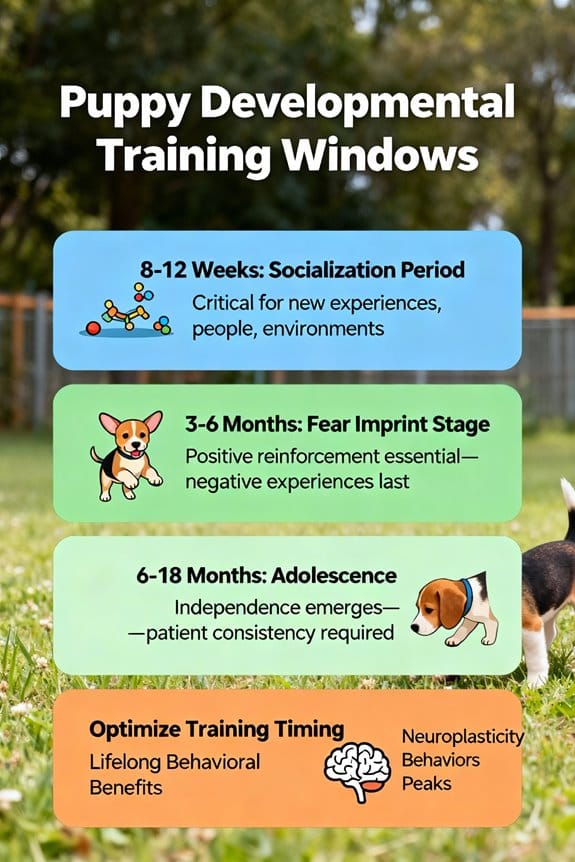
Socialization during puppyhood, occurring mainly between four and fourteen weeks of age, creates the foundation for future behavior and adaptability. During this window, structured exposure to diverse experiences reduces fear, helps form positive associations, and supports training success. Trainers recommend early practice of basic commands, like sit and stay, with short sessions, consistent cues, and positive reinforcement, which makes responses automatic later. How much does early effort matter? Studies show training before four months cuts anxiety-related behavioral issues by about 60 percent, so early patience and consistency yield long-term gains. Examples include supervised play with other dogs, varied sound and surface exploration, and brief handling exercises, all which promote well-adjusted dogs for lasting obedience results. Early socialization is critical in shaping a well-rounded and confident puppy, as it fosters interactions that prevent fear and aggression later in life.
Recommended Products


NOSEWORK FOR DOGS: Using the essential oil set of the Pup Scent Work Starter Kit, you may practice scent work anywhere, at any point in time. There are four target scents in this set. For each of the four typical target odors—birch, anise, clove, and Vetiver Flavour - each dog agility Dog Scent Training Kit includes a jar of unscented cotton swabs.

Easy To Install:Quick-release buckles allow it to easily disassemble and reassemble quickly for convenience sake.Padded soft, cream sheepskin liner bottom provides a comfy ride, and the floor board is removable for easy cleaning
Adolescent Challenges and Opportunities
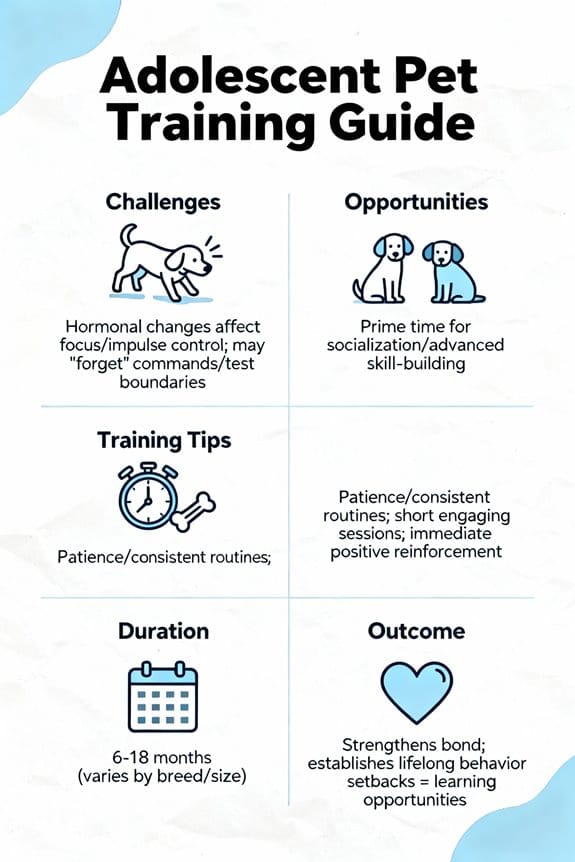
When dogs enter adolescence, roughly six months to two years, they often test boundaries, show increased independence, and surge in energy. Trainers should emphasize consistent training, repeating cues learned in puppyhood, and reinforcing desired responses through short, varied training sessions. Why focus on socialization now, and how does it affect confidence and good behavior? Adolescent dogs benefit from problem-solving skills exercises, such as scent games and obstacle courses, which challenge mental and physical capacities. Sessions of five to fifteen minutes, four to six times daily, keep attention and prevent boredom during rapid development. Handlers must gradually increase distractions, reward calm responses, and correct inappropriate testing to prevent habit formation. Clear expectations, predictable routines, and continued exposure to people and animals build consistent adult behavior. A well-structured training plan, like the Puppy Training in 7 Easy Steps Guide, can provide practical strategies to address behavioral challenges and ensure effective training during adolescence.
Recommended Products
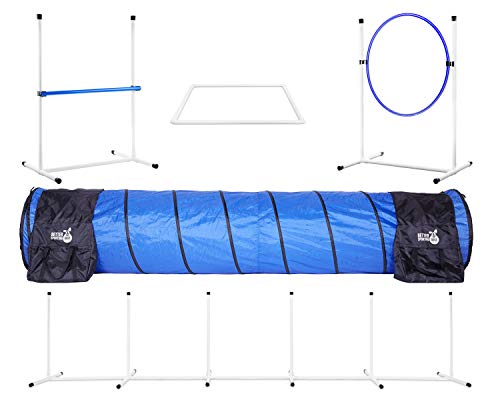
UNLEASH YOUR DOG'S POTENTIAL: Transform your backyard into a canine adventure wonderland with our Better Sporting Dogs agility equipment. We've redefined backyard agility with our 10' long tunnel, 24" in diameter adjustable tire dog jump, 26" wide adjustable bar jump, 6 fixed base weave poles, a pause box, and carrying cases for each gear

Enhance Your Dog's Agility: Our kit includes a 27.95-inch wide jump bar, a 23.62-inch diameter jump ring, 6 base poles, a 78.74-inch open tunnel, a 39.37-inch semi-enclosed tunnel, and a pause box. Perfect for training your dog’s agility and obedience, strengthening your bond, and having fun.

DESIGN: The DogBone Tracking Dog Training System is a dog training kit to teach any dog breed how to find wounded game through a proven and incremental method
Adult Dogs: Peak Attention and Training Windows
From roughly two to seven years of age, a dog reaches peak cognitive function, offering an ideal window for advanced skill acquisition. During this period, adult dogs display strong cognitive abilities, allowing learning of complex commands like off-leash recall and distance heeling within weeks. Trainers recommend consistent training routines, for example thirty-minute sessions three times weekly, to reinforce good behavior and prevent regression. Mentally stimulating activities, such as agility courses or puzzle feeders, reduce boredom and maintain focus, which improves retention. Socialization remains important, so supervised group classes or controlled play sessions help sustain confidence and reduce fear-based reactions. To enhance training sessions, consider using durable, waterproof materials for treat pouches to ensure treats stay fresh and accessible. What outcomes follow when consistency lapses, and how quickly do behaviors regress? Evidence shows steady practice preserves skills, while neglect results in setbacks within months.
Recommended Products

Exceptional comfort: Made with a lightweight and comfortable design, our dog training windbreaker ensures you stay cozy during training sessions.

HANDS-FREE CONVENIENCE & EFFORTLESS ORGANIZATION to help you keep your pup calm and focused. Integrated easy-clean treat pocket for easy rewards & training sessions. Discrete yet easy-to-access poop bag dispenser, with a roll of matching bags in a dedicated inner poop bag pocket. Multiple separate pockets & secure inner zipper pocket to keep your essentials organized and accessible. No more treats spilling out if you lean over to care for your dog!

ULTIMATE DOG GEAR TOTE – Designed for daily outings and park adventures, this stylish tote for pet owners keeps treats, toys, and essentials neatly organized with 8 smartly designed pockets.
Senior Dogs: Adapting Techniques for Ageing Bodies
Although cognitive and physical changes occur, training for senior dogs remains effective when sessions are brief, cues are consistent, and rewards are tailored. Trainers should keep training sessions near five minutes to reduce fatigue and accommodate slower processing speeds, for example practicing one command three times per session. What adjustments help when hearing or vision decline? Use hand signals for auditory loss, verbal or touch cues for visual impairment, and limit movements that cause physical discomfort, such as jumping. Clear cues and predictable routines reduce confusion, and rewards should match current preferences, like soft treats or praise. Patience matters, celebrate small wins rather than compare to younger dogs, and maintain a positive learning environment to sustain motivation and wellbeing, and monitor health regularly, often. It is also important to consider material safety when selecting products for senior dogs, ensuring they are non-toxic and safe for their use.
Recommended Products

PRODUCT DESCRIPTION: Heavy-duty artificial turf grass that is 4 tricolored looking, made of PE "U" model yarn that has a comfortable touch. The two-layered backing is anti-aged PP weave cloth, designed with drain holes for easy water run-off. The back coating is made of styrene-butadiene rubber latex. The pile height is 35 mm, 75 oz/sq yard, gauge 3/8 in.

Healthy Dog Treat - Great for small dogs with sensitive teeth

Essential Components of an Effective Training Program
Because consistency anchors behavior, a well-designed training program blends positive reinforcement, predictable routines, and targeted commands to produce reliable results. Trainers recommend short, frequent sessions, for example three five-minute sessions daily, using treats to reinforce desired behaviors and praise to shape responses. What role do consistent routines play? They reduce anxiety by setting clear expectations, they help pets generalize skills across contexts, and they support retention over weeks. Essential commands such as “come” and “leave it” provide safety and control during walks, car trips, and emergency scenarios. Early socialization complements training by exposing animals to varied people and environments, creating well-adjusted adults. Finally, a distraction-free training environment accelerates focus, minimizes errors, and boosts learning efficiency. Owners track progress, adjust rewards, and measure outcomes regularly. Clicker training promotes positive reinforcement techniques that build communication between pets and owners.
Socialization’s Long-Term Impact on Behavior
How significant is early socialization for long-term behavior, and what measurable effects can targeted exposure between four and fourteen weeks produce? Research shows targeted socialization in that period reduces anxiety-related behaviors by about 60%, and it lowers fear-based aggression as dogs mature. Early training that includes varied environments, people, and gentle handling expands comfort zones, preventing later anxiety and aggression. Practicing simple obedience commands such as sit and stay during this window makes responses more automatic, improving reliability in adolescence and adulthood. Socialization also supports cognitive development and lifelong mental health, by teaching problem solving and tolerance of novelty. Incorporating positive reinforcement techniques, like those found in clicker training methods, enhances the effectiveness of early socialization efforts. Should owners prioritize diverse, positive exposures, scheduled regularly and progressively, and does the evidence show consistent, early experience shapes behavior trajectories across breeds reliably today?
Addressing Behavioral Problems From Missed Early Training
Veterinary behaviorists and trainers often encounter older dogs with missed foundations, and these cases require systematic, patient rebuilding of skills. Such animals commonly present behavioral problems like aggression, separation distress, and leash reactivity, stemming from absent early training and limited socialization, so what is the priority? First, assess anxiety levels using observable measures, for example heart rate increases, panting, or avoidance, then build confidence through graded exposure, short sessions, and predictable routines. Teach impulse control with structured exercises, such as five-minute sit-stays, controlled greetings, and reward withholding, progressing by 10–20 percent difficulty increments. Address separation insecurity gradually, using departures under five minutes, paired with calming cues. Successful outcomes require consistent protocols, clear criteria, and realistic timeframes of weeks to months for measurable, documented improvement. Consider professional consultation for severe cases when basic training methods do not yield sufficient progress, as these may require tailored interventions and potentially medical support.
Recommended Products

No injury to dog or yourself USA materials. Strong Safe Secure

Crystal Clear Visibility & Superior Airflow: Our puppy playpen features premium acrylic panels with ventilated plastic fence design for unobstructed wide visibility. Superior airflow keeps pets comfortable and calm, reducing anxiety compared to traditional wire crates. Perfect for training, playtime, whelping, or creating a safe recovery area

Designed for Large Dogs: Measures 42.25 x 28 x 32 inches; sized for large breeds between 71-90 lbs. For dogs near the upper size limit, consider sizing up for added comfort
Practical Training Tips for Every Life Stage
When owners tailor training to a dog’s developmental stage, sessions become more efficient, predictable, and suited to learning capacity. Puppies absorb basic cues rapidly, so puppies learn best with frequent socialization, short rewards-based drills of five minutes, and exposure to interactive toys to build focus. During adolescence, trainers should reinforce rules, introduce complex commands, and expect testing behaviors, which requires consistency and clear boundaries. Adult dogs benefit from agility and problem-solving tasks at cognitive function peak, so new tricks and structured classes keep them engaged. Senior years demand gentler methods, more repetition, and longer rest between attempts, because cognitive decline slows processing. It is essential to select a leash with comfortable, padded handles for better long-term use during training. Dog owners should pair training with a balanced diet, adjust session length, monitor fatigue, and seek professional help when progress stalls promptly.
Frequently Asked Questions
What Is the 10 10 10 Rule for Dogs?
10 10 10 rule allocates three 10‑minute blocks play, training, bonding; 10 10 10 overview connects canine learning styles, training attention span, age-related capabilities, importance of consistency, short training sessions, reward-based techniques, patience during training.
At What Age Is Dog Training Most Effective?
Most effective between four and fourteen weeks; puppy socialization tips and obedience fundamentals form base, while adult training techniques, reinforcement methods, timing training sessions, breed training differences, senior dog challenges and environmental influences shape progress.
What Is the 3 3 3 Rule for Dog Training?
The 3 3 3 rule is guideline investigating dogs adjust three phases: three days, three weeks, three months. It examines dog behavior, emphasizes training consistency, puppy socialization, adult dogs, senior pets, positive reinforcement, building trust.
At What Age Do Dogs Stop Being Trainable?
Dogs never stop being trainable; puppy training techniques, socialization critical period, cognitive development stages, breed temperament differences and learning style variations influence; behavior modification methods and positive reinforcement strategies address senior dog challenges throughout life.
Conclusion
Training success varies with age, so programs should match stage-specific needs, using clear goals and measurable steps and timelines. Should a puppy receive daily short sessions, about five minutes each, while adults handle longer twenty-minute practices, and reinforced consistently? When socialization or training is delayed, behavior problems commonly increase, thus focused behavior modification with consistency reduces relapse. Trainers should adapt rewards, respect mobility limits, and record progress, like a pocket watch beside a modern clicker.