As an Amazon Associate, we earn from qualifying purchases. Some links on this site are affiliate links at no extra cost to you. Our recommendations are based on thorough research and editorial judgment.


What to Pack in Your Dog Training Bag

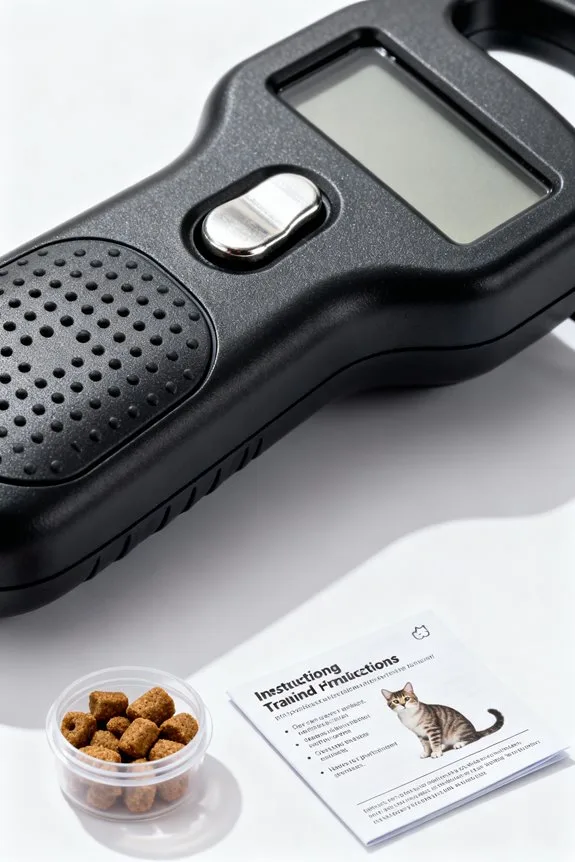
A trainer packs a 6-foot flat leash, a correctly fitting harness or head halti, and a smelly treat pouch. They carry low, medium, and high-value treats for tiered reinforcement, plus a clicker, target stick, and platform for focus. Include a collapsible bowl, spare poop bags, wipes, grooming tools, a mat, and an ex-pen for breaks and safety. Include extra slip leads, bite gloves, a Spray Shield, and homework, with specific checklists available after this summary.
Key Takeaways
- 6‑foot flat leash and a secure, correctly fitted harness or head halti to maintain control and clear cues.
- Tiered treats (low/medium/high value) in a treat pouch for rapid reinforcement and to prevent habituation.
- Portable collapsible water bowl, fresh water, and a comfortable mat or blanket for breaks and focus work.
- Safety and sanitation kit: extra slip leads, poop bags, dog wipes, basic first‑aid, and a Spray Shield for emergencies.
- Training tools and toys: target stick/mat, platforms, stuffed decoy dogs, and a flirt pole to vary drills and burn energy.
Essential Items for Every Training Session
You may be interested



Why include these specific items in the training bag, and how do they influence session safety, focus, and learning outcomes? A 6 ft flat leash is mandatory, retractable leashes are prohibited to maintain control and reduce risk, and correct fitting harnesses or head halti prevent escapes and enable clear cueing. What else matters for effective sessions? Soft, smelly meat treats, portioned to pea-sized pieces, support rapid reinforcement, while avoiding hard cookies or kibble which fail as motivating rewards. A comfortable mat or blanket offers a familiar resting spot, improving attention between drills. A portable collapsible water bowl guarantees hydration, hygiene, and shorter breaks. Together, these items of training gear create predictable, safe environments that promote consistent progress. Trainers should check fit before each session. When selecting a harness, consider harness features such as padding and adjustability to ensure comfort and reduce the risk of skin irritation during training sessions.
Treats, Pouches, and Reward Strategies
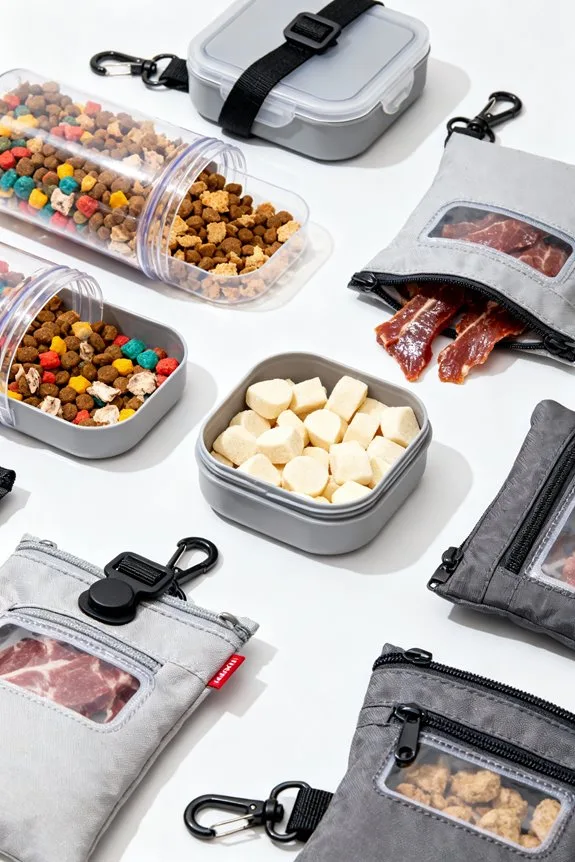
One essential consideration for effective reinforcement is assembling a tiered set of treats, low, medium, and high value, tailored to the dog. Low-value options, such as dry kibble or Charlee Bear dog treats, serve frequent repetitions, conserving higher rewards for critical behaviors. Medium-value treats, like Ziwi Peak, should be carried in larger quantities, reinforcing progress without overusing premium items. High value items, for example turkey hot dogs or low-fat string cheese, require rotation to prevent habituation and respect dietary sensitivities. Treat pouches such as the Voilà Treat Pouch and Happy Howies treat bag offer hands-free access, and prevent spills and odors on clothing. Keep treats pea-sized, monitor fat content, and always pack extra poop bags for convenience and cleanliness. Consider selecting a pouch with magnetic closures for quick and efficient access to treats during training sessions. Could this approach suit most?
Leashes, Collars, and Harness Fitting

Many trainers recommend a six-foot flat leash for class work, because shorter four-foot leashes and retractables reduce control and are prohibited. Trainers advise choosing sturdy leashes, preferring materials that resist chewing and abrasion, and carrying a spare for emergencies. Should collars be fitted carefully, ensuring they cannot slip over the ears, include identification tags, and allow comfortable, unrestricted breathing? Martingale collars offer controlled tightening for escape-prone dogs, while collar pressure should be introduced before shifting to regular walking setups. For puppies, harness fitting favors Y or Roman harnesses, which should be adjusted to be escape-proof, so elbows never slip under the girth safely. Larger dogs may benefit from head halters like the Gentle Leader, with a snug neck strap, and a loose snout strap. When training strong pulling dogs, stainless steel choke collars can provide effective control if used by experienced handlers and fitted properly.
Portable Hydration and Snacks
Hydration and snacks are essential during training, so pack a collapsible silicone bowl and a portable water bottle for quick access. The trainer should use portable hydration solutions, attaching a bottle to the treat pouch for immediate access, which saves time and keeps water clean. What types of food maintain focus during long sessions? Include a small meal for full-day hikes, and carry high-value snacks such as turkey hot dog pieces or low-fat string cheese for quick rewards. Measure portions and limit treats to prevent digestive upset, monitor intake closely during sessions to maintain energy without overfeeding. Store snacks in sealed containers, rotate items to preserve freshness, and plan quantities based on session length and dog size. Carry utensils and napkins when feeding outdoors. Consider packing a durable, waterproof dog collar to ensure your dog stays comfortable and secure during outdoor training activities.
Safety Gear and Emergency Tools
Although training usually proceeds calmly, handlers should prepare for unexpected incidents, carrying specific safety gear to manage emergencies effectively. A portable water bowl belongs with other safety tools, ensuring hydration during sessions and reducing risks. Carry extra slip leads for off-leash control, they can become emergency muzzles when restraint is necessary. Include a Spray Shield, a citronella spray, to deter aggressive dogs at a safe distance, increasing handler safety. Wear Bite gloves when working with unknown dogs, they protect hands and forearms from potential bites during assessments. Regular inspection of slip lead safety mechanisms ensures they function properly during emergencies. Familiarize with each item before sessions, practice deployment to improve response speed and reduce panic. Who prepares thoroughly, practices scenarios, and rehearses protocols, responds more effectively, preventing escalation and reducing serious injury?
Toys, Play Tools, and Mental Enrichment
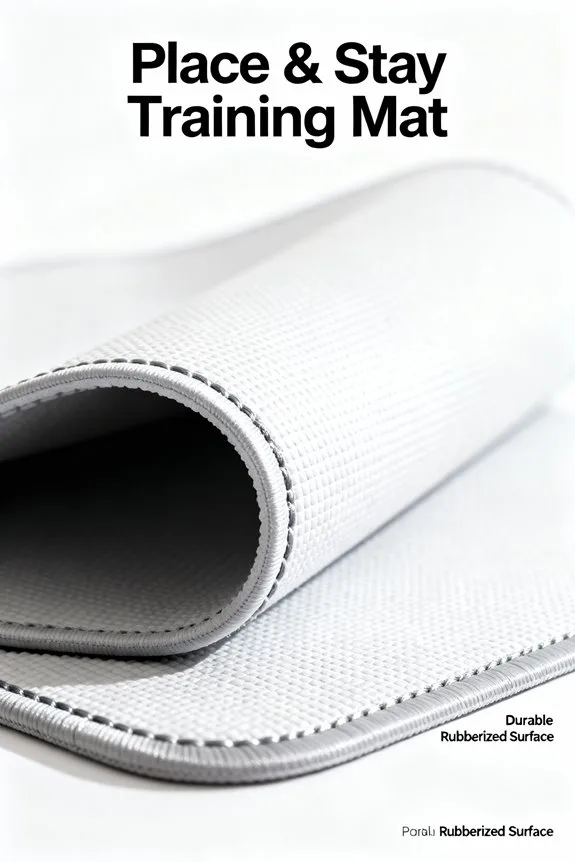
After preparing safety gear, the handler should equip a selection of play tools, because enrichment supports training and behavior management. Include a Chuck it ball for vigorous exercise, as one example delivers distance, speed, and visual motivation during recall drills. Carry several fetch toys, such as a rope, frisbee, and rubber launcher, to vary rewards and maintain high drive. Are interactive toys appropriate for short sessions, or should they be reserved for 10 to 20 minute mental workouts between active drills? Interactive toys stimulate the dog’s mind, improving focus, aiding problem solving, and reinforcing learned cues when used consistently. Portable mats provide a specific resting place, they aid calm behavior during breaks, and they support crate and place training during public outings, and transit. In advanced obedience training, complex heeling can be practiced using a variety of toys to maintain the dog’s engagement and focus.
Grooming, Clean-Up, and Sanitation Supplies
A compact grooming and sanitation kit should always accompany the handler, ensuring swift response to messes, tangles, and minor maintenance needs. Include 12 extra poop bags, a small roll of disposal bags, and dog wipes for immediate clean-up. Carry a compact brush and a travel comb, plus portable nail clippers, to manage tangles and urgent grooming needs outdoors. Reflective stitching, as found in lightweight dog leashes, can enhance nighttime visibility and safety during outdoor grooming sessions. What scenarios demand these items; after muddy play or during field sessions to prevent irritation? Sanitation supplies, including wipes and disposal bags, reduce disease transmission, so handlers protect other dogs and public spaces effectively. Store items in labeled pockets, rotate wipes before expiration, and restock after two outings for readiness. This systematic approach keeps grooming, clean-up, and sanitation tools accessible, practical, and compliant with local waste ordinances.
What to Keep in Your Trainer’s Car
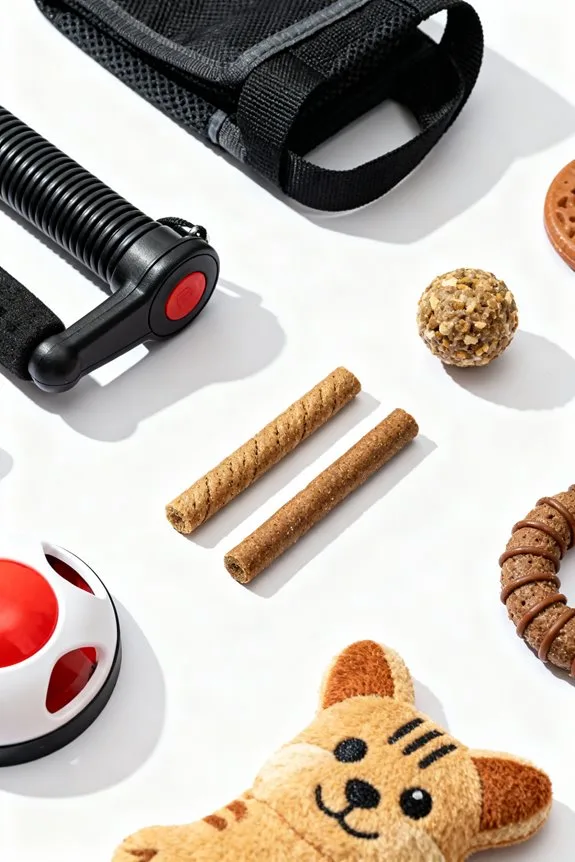
Trainer vehicles should function as mobile classrooms, stocked with targeted equipment that supports varied field scenarios and client demonstrations. The car of a professional dog trainer often carries stuffed decoy dogs for leash reactivity training demonstrations, platforms and stools for focus work, and portable dog mats for comfortable breaks. Flirt poles provide fast patterning to tire high-energy dogs, while ex-pens create temporary boundaries to manage space and reduce distractions. Which tools are essential for a session, depends on client goals, the dog’s drive level, and the location’s constraints. As a result, drivers should inventory equipment before each outing, pack multiples of small items, and secure larger pieces to prevent damage, ensuring the vehicle mirrors the organization and resources of the dog training bag and boost efficiency. Additionally, having reflective leashes on hand is crucial for ensuring visibility and safety during evening training sessions.
Class Prep, Etiquette, and Homework Materials
Typically, handlers should arrive five to ten minutes early, with required materials laid out to avoid disrupting the scheduled session. Bring a training mat and a personal water bowl, collapsible if possible, so the dog has familiar, sanitary space, and an identification tag. Pack a treat bag filled with soft, smelly meat treats, several dozen pieces, avoiding kibble and hard cookies that distract, rotate flavors occasionally for motivation. What about homework items, like a Target Stick or Target Mat, prepared and labeled in advance for efficient practice? Arriving punctually preserves class flow, which increases learning consistency, and it prevents late distractions that reduce training outcomes. Maintain a calm, engaged demeanor, ask brief questions at appropriate times, and complete assigned exercises daily to reinforce progress. Consider using remote training collars with long-range capability and multiple non-shock modes to enhance training effectiveness, especially in outdoor settings.
Frequently Asked Questions
What Is the 3 3 3 Rule for Dog Training?
The 3‑3‑3 rule describes adjustment phases: three days of acute stress, three weeks of settling and emerging personality, and three months of stabilization, guiding dog behavior expectations, structuring training sessions, and informing handling techniques appropriately.
What Are the 5 D’s of Dog Training?
Like Athena guiding heroes, the 5 D’s are Duration, Distance, Distraction, Discipline, Desire. Trainers balance drive distraction duration, apply discipline dog diverse techniques, and develop doggy dialogue so dogs respond reliably amid real‑world challenges daily.
What Is the 10 10 10 Rule for Dogs?
The 10 10 10 rule rewards ten minutes of play after every ten minutes of training, balancing dog behavior, reinforcing positive training techniques, and supporting canine communication to sustain motivation and prevent burnout in sessions.
What to Put in a Dog Goody Bag?
Like a treasure chest, the owner packs varied dog treat selection (kibble to high-value bits), extra poop bags, a clicker, a portable bowl, engaging toys, and clear training rewards to motivate the dog during outings.
Conclusion
The trainer packs treats, a clicker, two leashes, and a fitted harness, ensuring consistency, control, and comfort. They add a water bottle, collapsible bowl, first-aid kit with gauze and antiseptic, waste bags, preserving health and cleanliness. Which items are most useful for a 20-minute park session, and which are essential for a full-day field trip? By organizing treats by value, rotating toys, and keeping paperwork accessible, trainers save time, reduce stress, and improve learning outcomes.