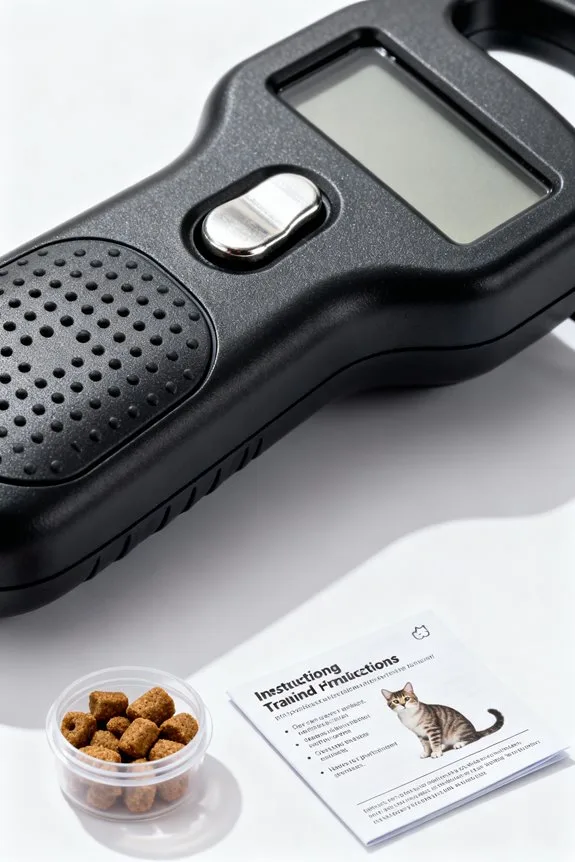
As an Amazon Associate, we earn from qualifying purchases. Some links on this site are affiliate links at no extra cost to you. Our recommendations are based on thorough research and editorial judgment.

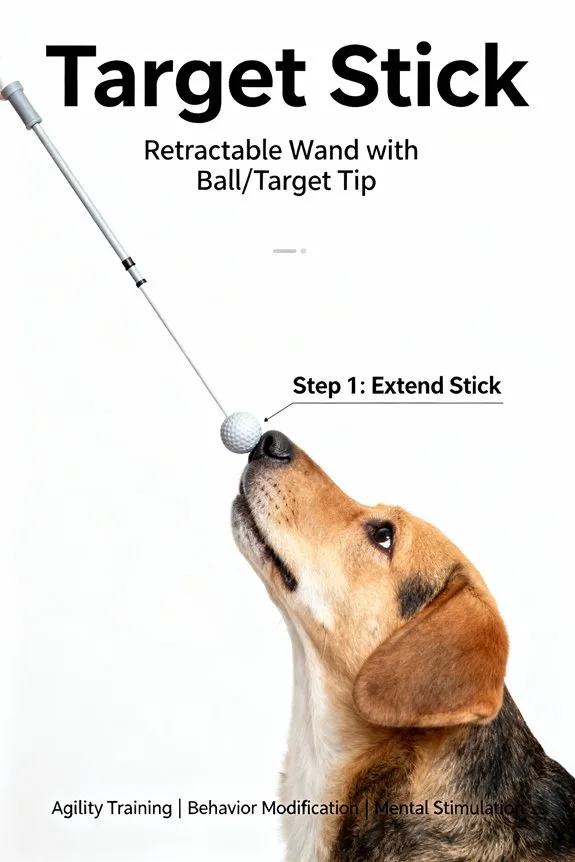
Target Sticks: What They Are and How to Use Them

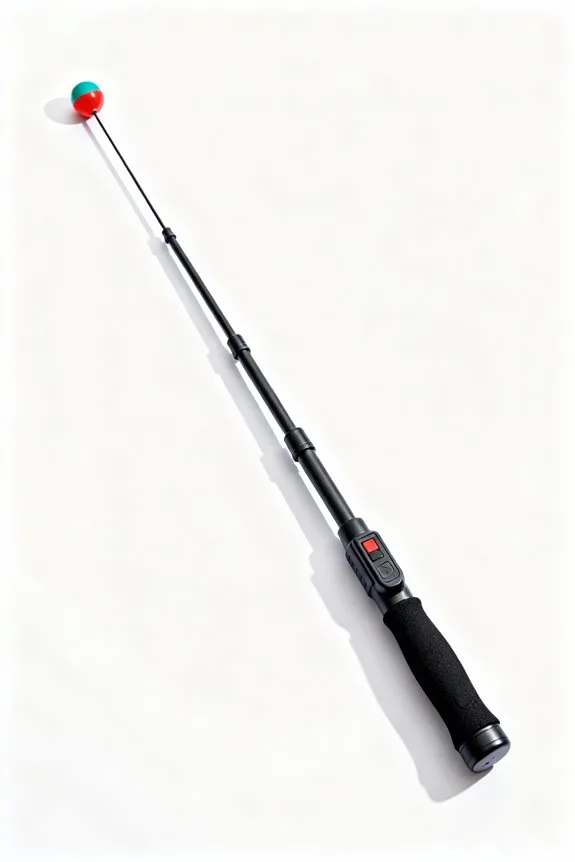
A target stick is a lightweight rod with a soft ball tip, used to teach animals to touch or follow at one to ten meters, providing a clear visual cue for shaping behavior. How is it used? Start by teaching a hand touch, reinforce with treats, then transfer to a short stick at one to two feet, extending distance and distractions. Typical sessions last five to fifteen repetitions, and sections explain outdoor and advanced applications.
Key Takeaways
- A target stick is a lightweight rod with a soft ball used to cue animals to touch or follow a point for training.
- Begin training with a hand touch, reward immediate contacts, then introduce the stick at short distance.
- Use high-value treats, short sessions (5–15 reps), and a distraction-free area to build reliable responses.
- Gradually increase distance, height, and outdoor distractions, fading the stick over multiple sessions to generalize behavior.
- Choose a lightweight, extendable stick with a soft tip, replace worn tips, and adjust stick length for your animal’s size.
What a Target Stick Is and How It Works
You may be interested


A target stick is a lightweight rod with a small ball on the end, designed to give animals a clear visual cue for training. It functions as a visible point to touch or follow, guiding pets toward locations or behaviors without physical force. How does it achieve this, and what does gradual progression look like? Trainers often start one to two feet away, then increase distance by fifty percent, and add directional changes to build complexity. Many models fold or extend for portability, allowing sessions indoors or outdoors, and they suit dogs, cats, and timid animals in behavior modification. When paired with clicker methods, the target promotes voluntary movement, encourages attention, and creates clear cues for the animal to follow, reinforcing consistent handler cues. Positive Reinforcement is an effective way to increase desired behaviors when using a target stick, as it can enhance the training experience by up to 30%.
Benefits of Target Training for Pets
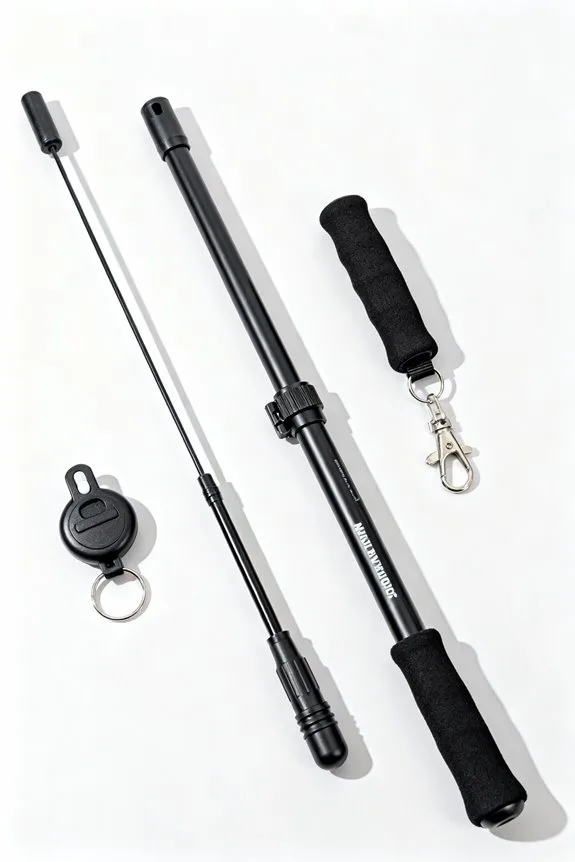
Target training strengthens the owner-pet relationship by creating predictable, reward-based interactions that build trust, cooperation, and mutual attention over repeated sessions. It improves learning, because positive reinforcement helps pets grasp new behaviors in fewer trials, often within 5–15 repetitions per cue. Trainers observe reduced anxiety and increased focus, when short 5–10 minute sessions provide consistent mental stimulation. For shy or rescue animals, this method builds confidence through gradual approaching tasks, starting at 1–2 meters and decreasing distance as comfort grows. Established target training foundations speed progress on complex behaviors, enabling sequence chaining and reliable cueing across contexts. Should owners expect setbacks? Yes, because inconsistent timing undermines results, consequently clear markers and steady rewards maintain momentum and measurable improvement. Review sessions two to three weekly. The use of interactive toys can further enhance target training by engaging the pet’s interest and preventing destructive behavior.
Materials and Setup You’Ll Need
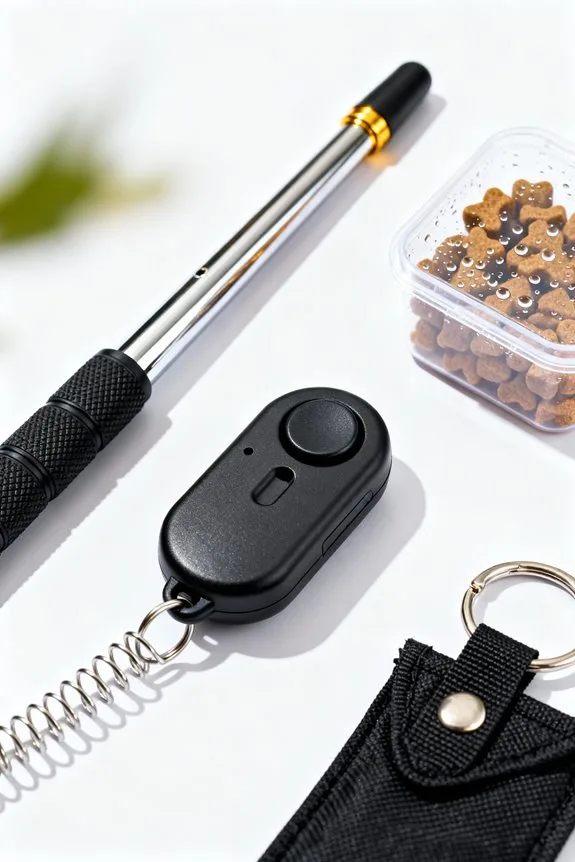
When beginning target training, owners should gather specific materials and set up the space deliberately, to reduce distractions and streamline learning. A quiet, distraction-free area offers focus, soft flooring prevents slips, and low foot traffic reduces interruptions for training. Which small physical target should be used first, a plastic lid or similar object, before moving on to the target stick during warm-ups? A target stick with a foam rubber tip reduces intimidation, and it permits reaching dogs at different heights safely. High-value dog treat, broken into pea-sized pieces, acts as a primary reward, reinforcing correct responses across many short repetitions each session consistently. An optional clicker supports clicker training, providing precise timing for reward delivery, trainers should set brief five-minute sessions, and gradually increase challenge. When selecting materials, ensure they are crafted from non-toxic labels to guarantee the safety and well-being of your puppy.
Recommended Products

LIVE ACTION TARGETING: built to simulate a live target.

Durable Construction: Crafted with high-quality materials, these dart pads feature durable EVA foam for a long lasting experience.

Durable Construction: Crafted with high-quality materials, these dart pads feature durable EVA foam for a long lasting experience.
Teaching the Hand Touch as a Foundation
Because hand-touching establishes clear focus, trainers should begin with the dog seated or kneeling, hand held flat and vertical near the nose. Use the cue “touch” and deliver a treat immediately when the dog touches the hand, creating a positive association and consistent timing. Toss treats a short distance to maintain engagement, then call the dog back to touch the hand, so movement reinforces the behavior. Increase distance and height gradually, which builds reach and confidence while preventing frustration. How far should one progress in a session? Keep steps small, for example five to ten centimeters increases, and end on success. After mastery, trainers may introduce a target object, touch the Target Stick or can cover, and use a target when extending distance steadily. A reflective dog collar can enhance safety during training sessions, especially in low-light conditions.
Transferring From Hand to Target Stick
Several short, controlled steps help move the behavior from a flat hand to a target stick, preserving established cues and timing. The trainer begins by reinforcing the hand touch with a clear cue word, “touch”, rewarding immediately, consistently, for three to five touches to build reliability. Once consistent contact is achieved, the target stick is introduced, presented in the same hand position, and the trainer rewards any attempt to touch the stick. Should the dog hesitate, what incremental steps bridge the gap between hand and tool? Gradually increasing distance by one to three feet, and rewarding each success, teaches the dog to follow the target across the room. Consistent reinforcement and celebratory markers maintain motivation, so the dog to follow becomes a dependable, reliable response. When introducing agility equipment, such as non-slip surfaces for safety, the same principles of gradual acclimatization and positive reinforcement apply.
Common Problems and Easy Fixes
Many trainers encounter dogs that refuse the target stick, and simple adjustments often restore engagement quickly. Increase reward value and remove distractions, for example offer high-value treats, and use the stick in sessions to rebuild interest. If the dog fixates on the soft end, reinforce brief touches, use a clicker for precise timing, and reward before grabbing occurs. Gradually lengthen the tool only after confident touches at shorter lengths, otherwise the animal may be intimidated and regress. When interest wanes, revert to hand guidance, reward incremental successes, and then reintroduce the stick, following the target stick, so the dog gets better. If the stick becomes a toy, redirect with food motivation, do not play, and calmly move the stick to reset expectations for results. Introducing varied puzzle challenges, like those found in snuffle mats for dogs, can also help maintain interest and engagement during training sessions by providing mental stimulation and enrichment.
Recommended Products

Multi-Dog System: This kit includes 2 collars, 100 boundary flags, and 1000 ft of wire to help get you started.

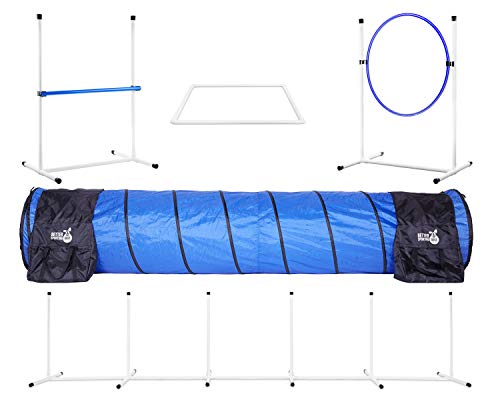
UNLEASH YOUR DOG'S POTENTIAL: Transform your backyard into a canine adventure wonderland with our Better Sporting Dogs agility equipment. We've redefined backyard agility with our 10' long tunnel, 24" in diameter adjustable tire dog jump, 26" wide adjustable bar jump, 6 fixed base weave poles, a pause box, and carrying cases for each gear
Progressing to Advanced Targeting Exercises
Begin by placing the target stick on the ground three to ten feet away, rewarding every successful touch for five to ten repetitions. The trainer then teaches the dog to touch the stick on the ground, gradually increasing distance to encourage confident reach and precision. Next, the handler offers a handheld, stationary stick to reinforce focus, this step builds reliability before directional work. Directional drills include circles and figure eights, moving around the stick develops agility and responsiveness. Practice the Straight Go Out, placing the stick at a measured distance, the dog learns to move away with deliberate steps forward. Outdoor changes use practice golf balls or varied items, they generalize the behavior while keeping training fun. Sessions remain short, frequent, and clear, consistently. It is crucial to establish a consistent routine, as this helps the puppy understand expectations and reduces anxiety during advanced targeting exercises.
Recommended Products


Weighted Dog Collar with 5x1lb weights – Features 5 compartments for adjustable weight, perfect for muscle building and strength training. Easily add or remove weights to match your dog’s training needs. Durable and built to last.

RECOMMENDED ONLY FOR LARGE TO X-LARGE DOGS OVER 70 LBS. 1.75" wide Tactical Dog Collar Fits Neck sizes 18"-29". Heavy Duty Tactical Dog Collar for Large and X-Large Dog breeds such as German Shepherd and Pitbull.
Using a Target Stick With Cats and Timid Animals
When introducing a target stick to a cat or timid animal, start at one to two feet away with a lickable treat on the tip. The pointer method encourages approach by pairing the stick with food rewards, so the animal learns to touch the stick gently rather than bite or swat. Trainers should reward any soft contact, for example when a pet will touch the ball or when a hesitant pup pauses as a dog is touching the stick. Gradually fade edible rewards over multiple sessions, so the animal will follow a target stick for motion cues alone. If interest drops, shorten sessions to one to three minutes, or change rewards to maintain engagement. This process builds confidence, independence, and reliable following behavior consistently. Advanced obedience techniques can enhance the training process by promoting precise cues and impulse control, ensuring the animal responds reliably to target stick guidance.
Recommended Products

Made from beef pizzle, this single-ingredient chew is free from grains, rawhide, and artificial chemicals, flavors, and preservatives.

All-round movable remote ROLA app control for moving or scheduled automatic cruises around the house. Low noise quieter movement with tumbler design to move itself when it rolls over. Cross obstacles up to 10mm high and climb slopes up to 15 degrees. Navigate over carpets, power cords and yoga mats with ease.

100% WILD-CAUGHT ICELANDIC COD: Sourced from 100% wild-caught Icelandic cod skin, offering pure and nutrient-rich cod skin dog treats
Practicing Outdoors and Real‑World Applications
After building confidence with lickable treats and short indoor sessions, the trainer should move practice outdoors to generalize behavior, starting close to home. Begin at ten to twenty meters in a quiet yard, ask for Touch on a stationary target, then reward promptly. Introduce mild distractions, one dog or one person at twenty meters, observe focus changes and adjust reinforcement. Use moving the stick to guide paths, walk specific routes of thirty to one hundred meters, demonstrate entrances, exits, and safe returns. Encourage dog to touch from distance, call the dog back to the handler at varied angles, measure success by consistency. Tailored reward systems, like treats or praise, enhance training consistency and adaptability in different environments. Gradually fade the end of the target as a physical cue, reduce stick visibility over ten sessions, increase verbal or gesture cues.
Choosing the Right Target Stick and Rewards
One practical choice is a lightweight, foldable or extendable target stick, roughly 30–100 centimeters when open, easy to carry during walks. Select a tip with foam rubber or a small ball, which guides pets gently and reduces intimidation during early practice. Consider size relative to the animal, larger dogs may tolerate a longer reach, tiny pets need shorter sticks for precision. Rewards should be highly palatable, offer soft, smelly treats for dogs, and lickable options for cats to maximize response. How many rewards are sufficient for one session, vary portions to avoid satiety and maintain motivation? Keep a variety of treats available, rotate types during training sessions, and observe which elicit the best performance. Replace worn tips promptly to preserve clear cues and signals. To enhance training sessions, consider using a dog treat pouch with features such as quick-access openings and adjustable straps, ensuring you have a convenient way to carry treats and other essentials.
Recommended Products

Commercial-Level Walking Treadmill: Optimized speed range of 0.3 to 5 MPH paired with extreme incline makes this the ultimate walking and hiking treadmill; whisper-quiet commercial motor delivers smooth, consistent power perfect for steep grade training without running

Designed for Extra-Large Dogs: 49 x 30.5 x 32.25 inches; sized for extra-large breeds between 90-110 lbs. For dogs near the upper size limit, consider sizing up for added comfort

IDEAL FOR 90-110 LB DOGS: Measures 48.5 x 30.25 x 32 inches - perfect for German Shepherds, Collies, Huskies & similar breeds. Divider panel not included, so select based on adult size. Dogs near 110 lbs should consider our 54-inch drop-pin model.
Frequently Asked Questions
How to Use a Target Stick?
Use a target stick by rewarding initial touches, increasing distance, saying the cue “Touch”, adjusting position and shaping behaviors; this summarizes target stick benefits, training techniques, common mistakes, and summarizes varied user experiences, honest feedback.
What Animals Benefit From Target Sticks?
Dogs, cats, primates, birds, horses and rehabilitation animals benefit from target stick benefits in animal training, aiding behavior modification, improving focus, facilitating agility exercises and encouraging cooperative responses across species through positive reinforcement techniques consistently.
How to Use Coachi Target Stick?
Like a compass, the trainer holds the Coachi target stick near the animal, rewards touches, extends distance, varies positions, uses target stick techniques and training session tips, combines animal training methods with positive reinforcement strategies
How to Use a Dog Training Stick?
They use a dog training stick by presenting it, cueing touch, clicking and treating, then extending distance; target stick techniques and stick training methods build confidence, training stick benefits emerge through consistent, effective stick usage.
Conclusion
The trainer concludes that consistent target stick use builds precise pet responses, improves focus over weeks, supports safety during walks, vet visits, and training sessions. Should a pet owner progress deliberately, they will reduce confusion, increase reliability, and adapt techniques for cats, dogs, and timid animals with clear measurable steps? Begin with hand touches, transfer to a visible target, reward promptly within one second, and increase distance or duration gradually to maintain engagement and accuracy.