As an Amazon Associate, we earn from qualifying purchases. Some links on this site are affiliate links at no extra cost to you. Our recommendations are based on thorough research and editorial judgment.


Bite Sleeves and Protection Training Equipment

Professional trainers use bite sleeves in stages, from puppy sleeves for inhibition to hard competition sleeves for resistance. They employ bite pillows and wedges to teach grip placement and increase force, using ten pillow grips per session, three times weekly before wedge introduction. Material choice, jute or linen, alters durability and tooth wear, so selection matches training goals and budget. Additional sections provide stepwise protocols, safety checks, condition monitoring, and measurable progression for continued learning.
Key Takeaways
- Choose sleeve type (puppy, intermediate, soft adult, hard/competition, hidden) based on dog’s drive, skill level, and training goals.
- Use bite pillows and wedges first to teach grip placement, soft pressure, and progressively increase force and body engagement.
- Incorporate bite bars or double-handle tools for measured resistance, improved control, and safer handling of high-drive dogs.
- Select materials (jute for firm economical resistance, linen for smoother surface and tooth-friendly durability) per training intensity and longevity needs.
- Follow a phased progression—introduction, consolidation, scenario application—with warmups, release cues, fatigue monitoring, and session documentation.
Types of Bite Sleeves and Their Uses
You may be interested

Several common bite sleeve types address distinct training stages, each offering specific resistance, protection, and handling features. Puppy sleeves, thin and soft, suit initial socialization and bite inhibition lessons, allowing gentle pressure and full-mouth contact. Intermediate sleeves add padding for adolescent dogs, increasing durability while teaching controlled drive application during repeated drills. Soft adult sleeves provide comfort, moderate resistance, and endurance for maintenance work, what scenarios benefit from longer sessions? Hard, competition sleeves simulate real-world targeting, demand stronger grips, and prepare dogs for high-resistance engagements. Hidden sleeves challenge targeting and prevent overreliance on visible cues, consequently improving adaptability across environments. Trainers should select sleeves based on age, temperament, and training objectives, because matching resistance to skill reduces injury and accelerates reliable performance, overall benefits. When cleaning up accidents during training, it is crucial to use enzymatic cleaners to eliminate stains and scents effectively.
Bite Pillows, Wedges, and Progression Tools
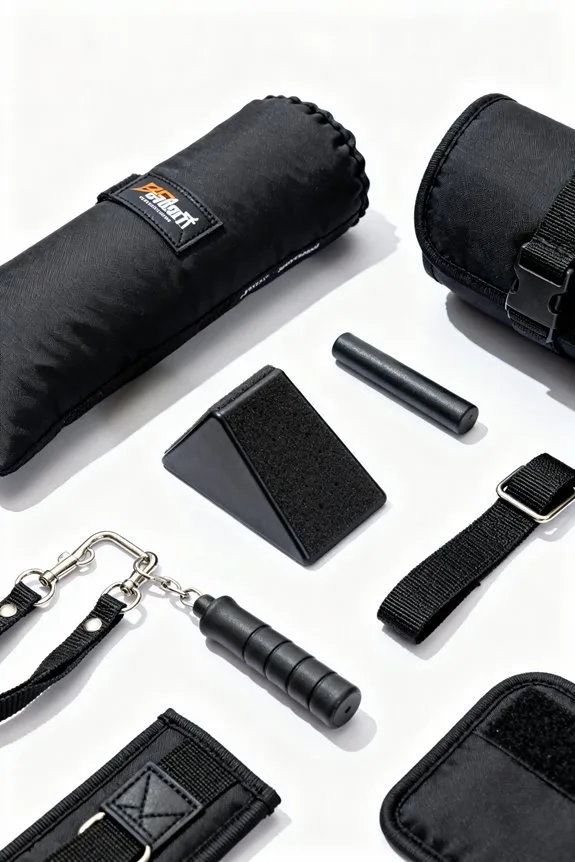
When beginning protection work, trainers should introduce bite pillows first, then progress to wedges and sleeves to build skill and control. Bite pillows teach grip placement, promote soft initial pressure, and allow measured increases in force, demonstrating bite pillow benefits clearly. Wedges challenge drive, encourage a firmer jaw, and permit targeted body strikes, using wedge training techniques and handles for secure trainer control. What progression steps verify readiness, basic bite consistency, timed releases, and gradual pressure increases, or is more repetition required? For example, perform ten pillow grips per session, three sessions weekly, then add wedges for two weeks, before introducing intermediate sleeves. Because wedges raise bite intensity, trainers must monitor fatigue and consistency, adjusting pace to prevent conditioning errors and maintain control. Harnesses with front and back leash attachments provide superior no-pull control, which is beneficial for trainers working on bite consistency and control during protection training. Document.
Bite Bars, Double Handles, and Advanced Gear
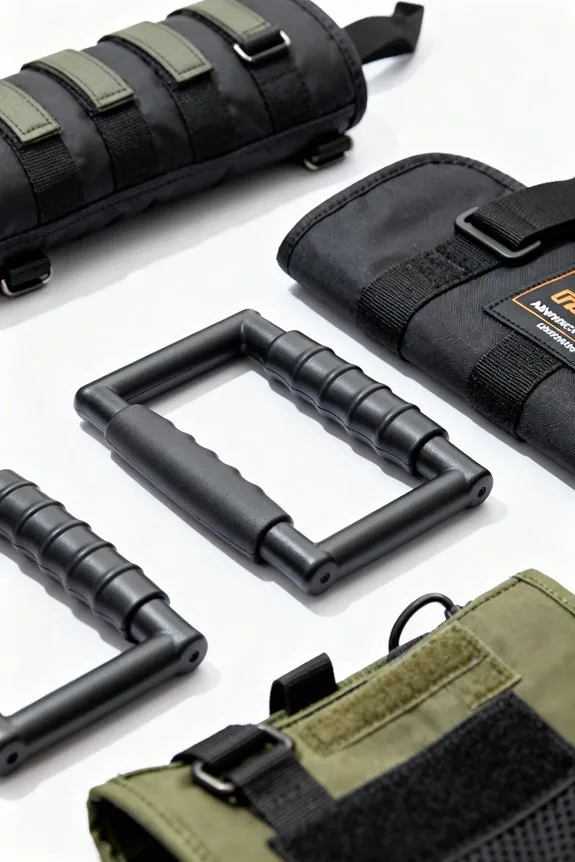
Although advanced trainers emphasize safety and control, bite bars and double-handle implements primarily develop grip strength and handler versatility for higher-level work. Bite bars, inserted into sleeves or wedges, provide firm resistance, conditioning jaw muscles and increasing endurance across repeated training sessions. Coaches list bite bar benefits such as measurable grip gains, predictable load progression, clear feedback during sport and police drills. Double-handle tools grant handlers improved control, they enable angle changes, leverage adjustments, and safer management of high-drive dogs in sessions. These double handle advantages include interchangeable covers, belt-secured fittings, ergonomic grips, reduced fatigue, and versatile training applications for many scenarios. Applied progressively, combined bite bars and double handles produce reliable metrics, lower overuse risk, and ready dogs for competition or safety work. When selecting training tools, it’s important to consider durable materials like 304 stainless steel, which ensure longevity and reliability in various conditions.
Jute Vs Linen: Material Choices and Durability
Material choice shapes bite training outcomes, because jute offers firm resistance and linen provides smoother, more tear-resistant surfaces for progressive work. Trainers compare jute advantages and linen advantages when selecting sleeves, because each material alters bite feel and durability. Jute sleeves, used for hard grips, often measure twenty by ten inches and resist heavy, repeated engagement without rapid fraying. Linen coverings, preferred for intermediate stages, resist tearing more effectively, and they present a smoother surface that reduces abrasive wear on teeth. Which option suits a handler, aggressive drive training or gradual skill building, depends on dog age, session frequency, and training goals. Cost differences matter too, as jute is typically more economical for high-volume use, while linen costs reflect higher tear resistance and longevity. Smooth surface and rounded prong heads reduce the risk of injury, which is an important consideration in choosing training equipment.
Building a Safe Training Progression
Three core phases—introduction, consolidation, and scenario application—structure a safe bite-training progression, each with distinct goals, tools, and timelines. In the introduction phase trainers use puppy pillows and soft sleeves for 2–6 weeks, focusing on basic grip, bite inhibition, and simple training techniques. During consolidation, over 6–12 weeks, intermediate sleeves, wedges, and jute work build strength and controlled pressure, prompting measurable assessments. Scenario application follows with leg sleeves, suits, and hidden sleeves, simulating real targets under varied conditions, ensuring transfer of skills. Safety measures include graduated intensity, mandatory warmups, bite release cues, and recorded sessions for review. Progress is based on measurable milestones, repeatable drills, and trainer judgment, reducing risk while increasing competence. Trainers document frequency, duration, and response, adjusting plans when targets remain unmet. To ensure proper training goals are met, selecting the right sleeve according to a puppy’s age and development is crucial.
Frequently Asked Questions
Are There Certification Requirements for Trainers Using Bite Protection Equipment?
Yes; requirements vary by jurisdiction and organization: certification standards may be required for public safety or competitive work, while trainer qualifications often include formal courses, practical assessments, liability insurance, and continuing education and documented experience.
How Do I Properly Disinfect Bite Gear Between Dogs?
Like rain rinsing mud from fabric, trainer washes and dries gear using approved disinfecting techniques: soap, diluted bleach or veterinary disinfectant, thorough rinsing, sun drying, inspection for damage; routine ongoing gear maintenance guarantees dogs’ safety.
What Insurance or Liability Considerations Apply to Protection Training?
Protection training requires liability waivers and robust insurance policies; operators must verify commercial general liability, professional liability, participant injury coverage, and waivers signed by clients, while maintaining documentation, equipment inspection records, and local regulatory compliance.
How Should Bite Gear Be Stored and Transported Safely?
They store bite gear clean, dry, and ventilated, using labeled bins, wall racks, and trunks as storage solutions; for transport methods they use padded bags, secured crates, and vehicle tie-downs to prevent damage and contamination.
Can Protective Equipment Cause Behavioral Issues if Misused?
Yes, protective equipment can cause behavioral issues if misused; misuse consequences include over‑aggression, fear, learned reliance, and frustration. Trainers must recognize equipment limitations and adjust methods to prevent maladaptive responses through gradual progression, reinforcement strategies.
Conclusion
A trainer chooses sleeves, pillows, bars, and materials like jute or linen, matching equipment to objectives and skill level. Beginners start with soft pillows and single handles, intermediates use wedges and double handles, experts employ full sleeves. Trainers monitor bite pressure, sleeve circumference, and fatigue at 10–15 minute intervals, adjusting progression to prevent injury and wear effectively. Which tool suits which scenario? Use measurable steps, record outcomes numerically, and trust the data for consistent improvement.