As an Amazon Associate, we earn from qualifying purchases. Some links on this site are affiliate links at no extra cost to you. Our recommendations are based on thorough research and editorial judgment.

How to Keep Your Training Whistle Accessible

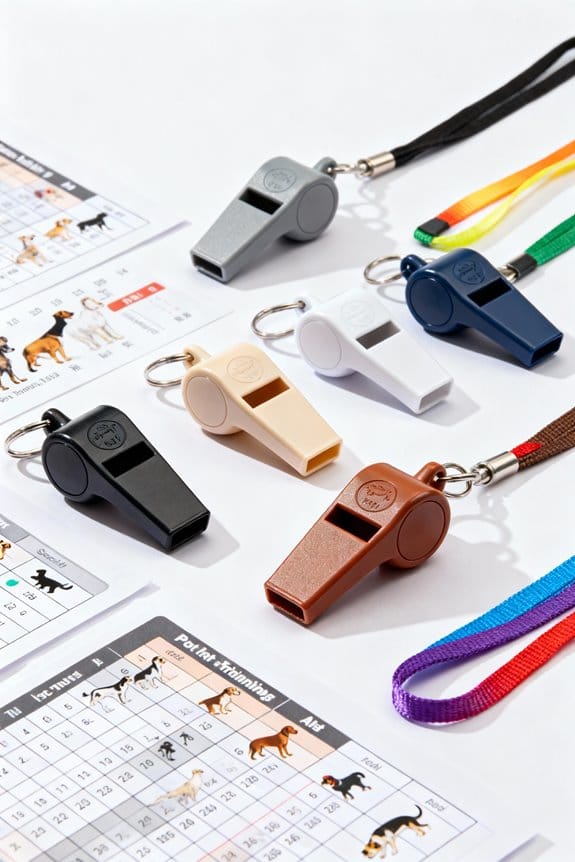
A handler should carry a lightweight whistle under 20 grams on a quick-release lanyard or carabiner for rapid access, attach to keys or vest clip. Store a waterproof backup pouch in the training bag, use a 20-inch breakaway neck strap for safety, and test pitch monthly at 30 centimeters regularly. Clean with warm soapy water, inspect for blockages, replace worn straps yearly, and follow these setup and maintenance steps to learn more for consistent performance.
Key Takeaways
- Attach the whistle to your keyring with a lightweight carabiner for one-handed, immediate access.
- Wear a durable, adjustable lanyard with a safety breakaway so the whistle stays accessible around your neck.
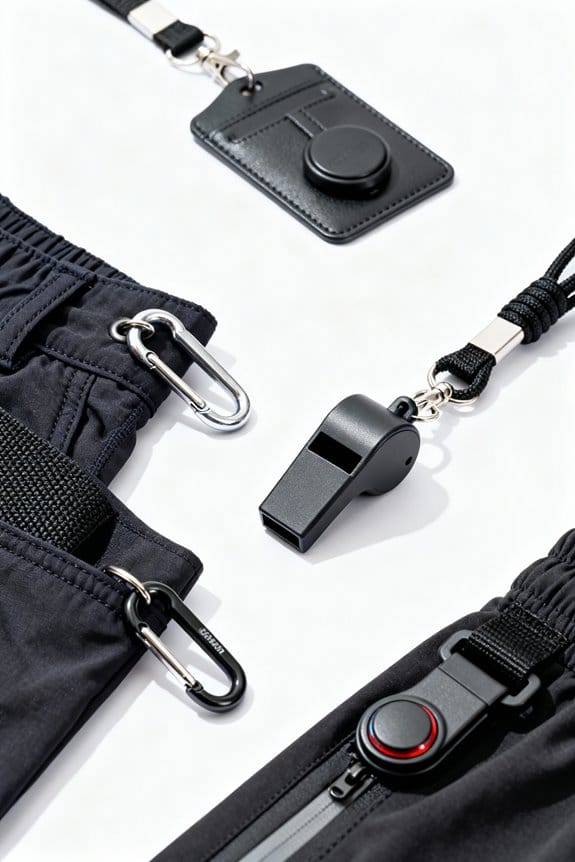
- Clip the whistle to vest or belt using a corrosion-resistant carabiner or retractable badge reel for fast retrieval.
- Store a compact backup whistle in a labeled waterproof pouch inside your training bag for emergencies.
- Practice one-second retrieval drills and perform pre-use inspections monthly to ensure functionality.
Why Carrying a Whistle Matters
You may be interested
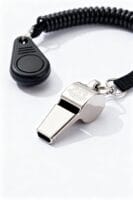
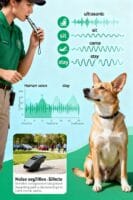
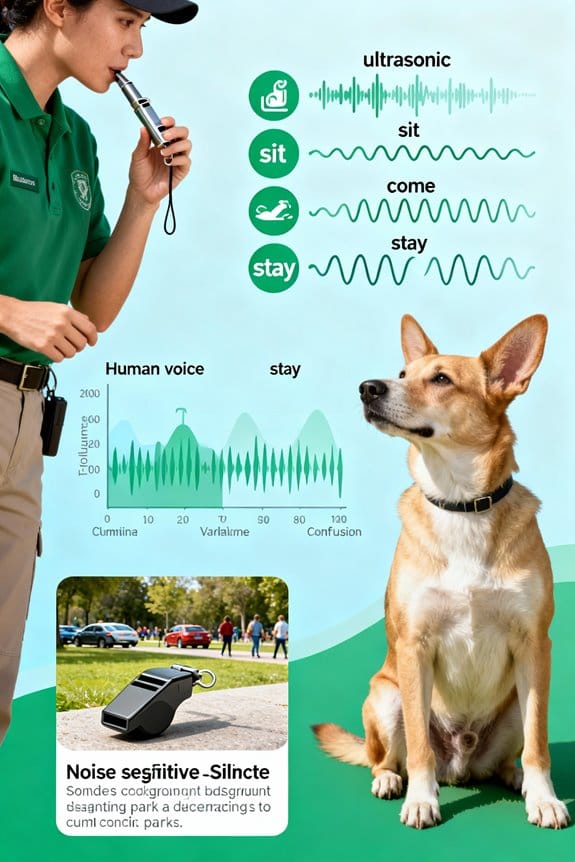
A handler should keep a whistle readily accessible, because it provides a consistent, high-pitched signal that travels farther than a spoken command. Carrying a whistle allows immediate communication with dogs in noisy or distant situations, for example across 200 meters in open terrain. It enhances training efficiency, because consistent tones reduce confusion compared to varied verbal cues. Handlers should use the whistle for recall drills, practicing sets of five to ten repetitions, which improves reliability during outings. During hunts, prompt whistle signals can convey “come” or “sit” commands, preventing dangerous chases or lost animals. Access to a whistle supports bond reinforcement, through clear, repeatable cues that dogs learn to trust. Ultrasonic whistles are ideal for tailored frequencies and long-distance recall, enhancing the effectiveness of training sessions. What scenarios demand quick signaling, and how does consistent use improve safety and control?
Best Ways to Attach a Whistle to Your Keychain
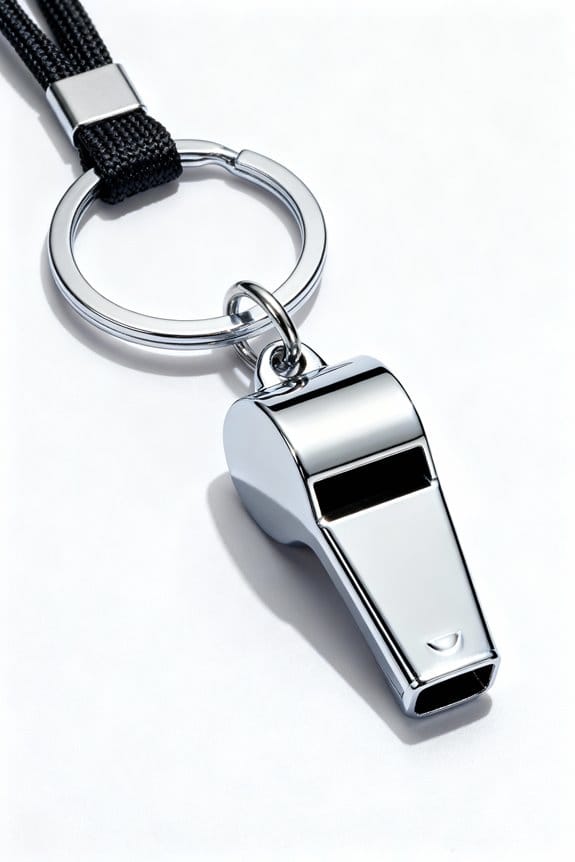
Why not secure a training whistle to a keychain with a small carabiner, ensuring rapid access during training or fieldwork? A small carabiner, rated for light loads, clips quickly, allows one-handed attachment, and prevents loss while moving. Choose whistles with built-in keyring holes, which integrate smoothly into existing key sets, reducing dangling bulk and snag risks. Consider lightweight aluminum or plastic, keeping added weight under 20 grams, so keys remain manageable. Add a colorful tag or numbered marker, making the dog training tool easy to identify among other items. Use a short chain or split ring for stability, this reduces rotation and noise, improving usability during sessions. Test the assembly before use, ensuring clips close securely and components resist daily wear. Inspect regularly. Consider using a metal clicker for training multiple animals, as they are durable and provide a clear, loud click for effective communication.
Recommended Products

Be prepared for any outdoor adventure with our Outdoor Survival Light Carabiner keychain Tool. This multi-functional tool is a must-have for any outdoor enthusiast, camper, hiker, or survivalist. With its portable and durable design, you can take it with you anywhere and use it in any situation.

Country Of Origin : United States

【PACKING INCLUDES】:Multi-functional Carabiner x1;22PC Flat Bit Kit Set x1;Flat End Bit Driver Extender x1;2 in1 EDC Ratchet Wrench x1;Steel wire keychain x1;Multi Tool Bit Organizer White Holder Case x1;
Using Lanyards and Neck Straps Safely
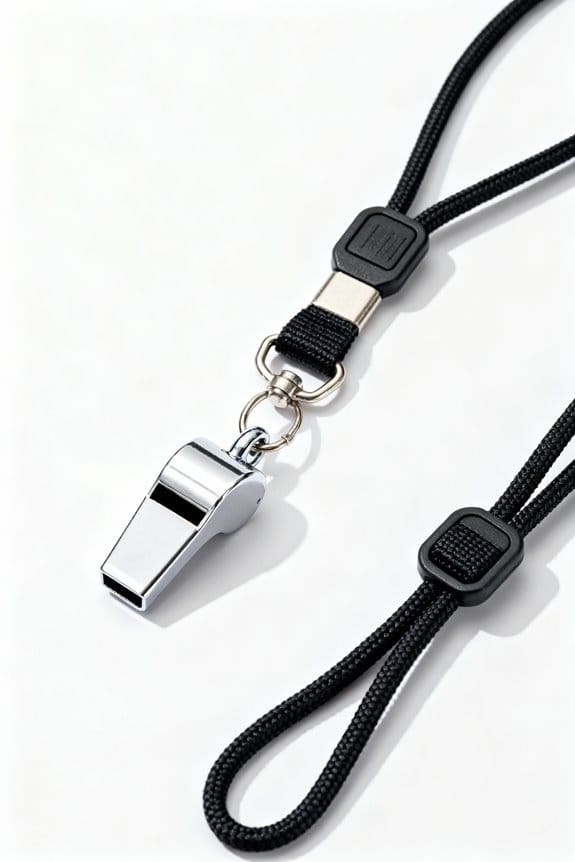
Use a durable, adjustable lanyard with a safety breakaway, weather-resistant webbing, and a sturdy clip to keep the whistle within easy reach. A lanyard should be adjustable to at least 20 inches, allowing for over-the-head use, and it should include a breakaway to reduce choking risk if snagged. How should dog owners adjust length and position for hiking, park sessions, obedience drills, or agility classes to maximize safety? Attach the training whistle to a corrosion-resistant clip or carabiner, so access is fast, and hands stay free for handling dogs. Select materials rated for wet conditions and frequent use, because rain, sweat, and abrasion shorten service life. Replace worn straps every 12 months, or sooner if fraying appears. When choosing a whistle, ensure it has an adjustable pitch in the 5.4-12.8 kHz range for effective puppy training.
Recommended Products

Reelstrap(TM) is the most useful ID badge holder solution - better than lanyard or ID badge reels.

CUTE, COLORFUL & COMFORTABLE - 3/4" Wide Flat Printed Lanyard Made with Dye Sublimated Process to Produce a Soft and Silky Feel - Double Sided Rainbow Colored Stripes

BREATHE CLEANER SAFER AIR: The AirTamer A315’s Electrostatic Purification radiates a 3-foot orbit of safer air in any direction, creating a sphere of protection against airborne pollutants; Proven Performance You can trust AirTamer’s cleaning power because we verify our industry leading performance at independent, internationally renowned test laboratories
Clip Options for Vests and Belts
When moving from neck straps to vest or belt attachments, handlers should evaluate clip type, durability, and access speed for each activity. Retractable badge reels offer quick extension, they clip securely to webbing and return the whistle after use, ideal for fast-paced drills. Carabiner clip options provide versatility, they allow rapid transfer between belt loops, vest rings, or pack straps during hunts. Which scenario requires a breakaway feature, training around obstacles or dense brush? Fishing lanyards with breakaway cords prevent entanglement, they balance security with rapid retrieval. Select clips made from stainless steel or reinforced polymer, they withstand moisture, salt, and frequent tension. Choose placement that minimizes snag risk, test retrieval time, and replace worn clips before they fail, annually or after heavy use. It’s important to consider waterproof ratings when choosing clips for outdoor activities, as durability during exposure to rain or mud is crucial.
Recommended Products

PATENTED DUAL-TIER LEDGE: Overhanging ledges on the front and back provide two levels of tracks for sliding the built-in accessories | LEDGEFIT: Sink is compatible with 40+ optional LedgeFit accessories that are interchangeable between different Ruvati workstation sinks, giving you endless kitchen customization options, now and into the future.
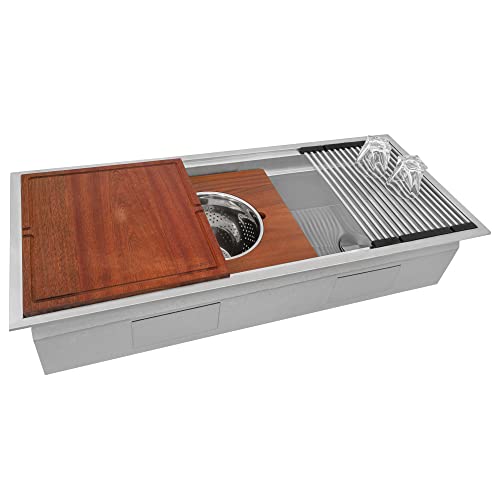
WORKSTATION SINK: Patented dual-tier ledge provides two levels of tracks for sliding the built-in accessories. | LEDGEFIT: Sink is compatible with 40+ optional LedgeFit accessories that are interchangeable between different Ruvati workstation sinks, giving you endless kitchen customization options, now and into the future.

PATENTED DUAL-TIER LEDGE: Overhanging ledges on the front and back provide two levels of tracks for sliding the built-in accessories. | LEDGEFIT: This Workstation Kitchen Sink is compatible with 40+ optional LedgeFit accessories that are interchangeable between different Ruvati workstation sinks, giving you endless kitchen customization options, now and into the future. | INNOVATIVE SLOPE-BOTTOM: Bottom of the Undermount Kitchensink has a 1-inch slope towards the drain ensuring that all water and debris rushes towards the drain.
Pocket and Pouch Solutions for Quick Access
Several small pouches designed specifically for whistles provide secure, fast access, and prevent loss during dynamic training sessions or fieldwork. Choose a pouch with a secure closure, such as a zip or snap, to keep the whistle from falling out unexpectedly. Attach a clip or keychain to the pouch, enabling quick attachment to a belt loop, vest, or harness during drills. Select brightly colored, lightweight, waterproof materials, which increase visibility in varied terrain and protect the whistle from rain and sweat. Consider waist belt holders or harnesses with a dedicated whistle pocket, they allow seamless retrieval while moving across fields or obstacle courses. When selecting a treadmill for your dog, ensure the treadmill’s belt length and width match your dog’s size and gait. Test different pouch placements during training, measuring reach time and comfort to inform equipment choices.
Recommended Products
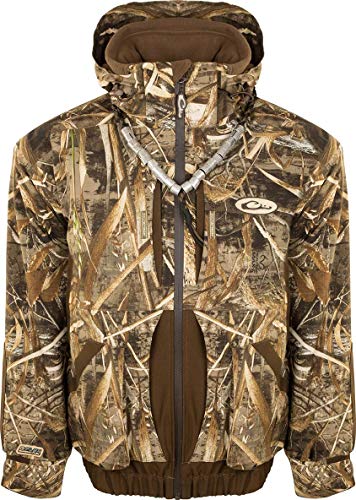
This hunting jacket is built for the highly-active, hard-working duck and goose hunter that is in charge of their group and runs the hunt
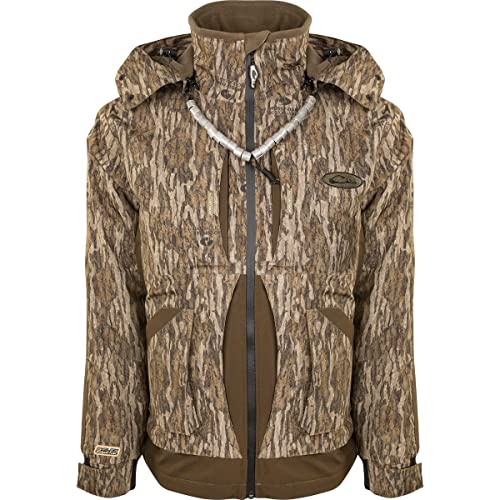
This hunting jacket is built for the highly-active, hard-working duck and goose hunter that is in charge of their group and runs the hunt.

MEASURING WITHOUT APPROACHING THE BALL: The GOLFBUDDY Laser 2S PRO features the groundbreaking Buddy Mode, allowing you to measure the distance to the pin without approaching the ball. Using triangulation technology, calculate precise distances from anywhere on the course, whether on the fairway or in the cart. Target any location, and Buddy Mode provides the exact distance between two points. This feature is especially useful on ‘Cart Path Only’ courses, where the cart cannot approach the ball.
Storing a Backup Whistle in Your Training Bag
Although often overlooked, a backup whistle should be stored in a training bag, kept accessible and protected for immediate use. It should be lightweight and compact, for example a 15-gram whistle, so it does not add bulk or impede movement. Consider wrapping the backup whistle in a small waterproof pouch, this protects against moisture, dirt, and accidental impacts during transit. Label the pouch when multiple whistles are present, which prevents confusion during drills and maintains command consistency, for instance ‘recall’ and ‘stop’ markings help. Regularly inspecting and maintaining training equipment, such as slip lead usage, ensures reliability and safety during training sessions. How often should it be inspected, check functionality and cleanliness at least monthly, more frequently in wet or dusty conditions? If testing reveals defects, replace or repair immediately, because a reliable backup whistle prevents communication failures and wasted training time.
Choosing a Whistle That’s Practical to Carry
A whistle chosen for everyday training should be lightweight, durable, and easy to access, examples include the Acme 210.5 or 211.5. Trainers are advised to select pea-less models for cold climates, since they resist freezing and remain reliable during subzero outings. How should it be carried to remain usable within seconds? Look for units under 20 grams with a molded attachment point, allowing secure lanyard or belt clip use without added bulk. Choose ergonomically shaped whistles that fit a hand, reducing drops during active drills or hunts. Prefer versatile tones, suitable for quiet classroom drills and for high-noise, long-range commands in the field. Assess durability ratings, simple maintenance needs, and proven performance in both routine practices and demanding scenarios before purchasing for reliable results. The ACME Silent Adjustable Dog Training Whistle offers customizable frequencies, making it an excellent choice for tailored training in diverse environments.
Recommended Products

3G Cardio, an Arizona-based company with a combined 50 years of experience in the fitness industry, provides commercial-level quality and premium value. We offer an unmatched lifetime frame warranty, 10-year parts, and 2-year in-home labor (scroll down for commercial warranty) and you are only a phone call away from 5-star customer service 9-5 weekdays PST

Smooth and powerful — XTERRA high torque 3.25 HP motor

Advanced multisport GPS smartwatch for athletes/adventurers features a big, bright 1.4” AMOLED display, stainless steel bezel, enhanced graphical interface and a built-in LED flashlight for after- dark visibility
Waterproof and Weatherproof Storage Tips
Once carried securely on a lanyard or clipped to gear, the whistle still requires waterproof protection during wet training or hunting. A waterproof case or pouch, rated IPX7 or higher, will keep the whistle dry during 1 m submersion for 30 minutes, and it prevents salt, mud, and rain ingress. Would storing the device in an inner jacket pocket or zippered gear compartment be safer? Yes, inner pockets shield from exposure, and zippered compartments reduce splash and wind-driven moisture. Consider a waterproof lanyard or strap to keep the whistle accessible, while preventing submersion during river crossings. Choose weatherproof designs made from corrosion-resistant metals, that withstand temperatures from -20°C to 50°C, and resist degradation. Regularly inspect for moisture ingress or damage, replace seals when necessary. When selecting a dog seatbelt harness, ensure it is crash-tested and TV-approved to provide reliable safety assurances during travel.
Keeping Your Whistle Clean and Sounding Right
When preparing for training sessions, the handler should inspect the whistle before each use, checking for dirt, moisture, or visible blockages. Regular inspection guarantees clear tones, which enable reliable commands over distances of 10 to 300 meters during field work. How often should cleaning occur, weekly for heavy use and monthly for occasional practice? Clean by rinsing with warm water and one drop of mild soap, then dry thoroughly with a soft cloth to prevent corrosion. Check mouthpiece and internal passages for obstructions, use a soft brush or cloth to remove debris without damaging components. Consider portability options such as folding, wheeled, or bolt-together designs when choosing accessories for your training gear. Store the whistle in a dry, padded case, away from salt, mud, and extreme heat to extend life. Lubricate parts sparingly with silicone, keep whistle clean and sounding right.
Training Yourself to Reach for the Whistle Quickly
Several simple habits guarantee the whistle is reached within a second, whether worn on a lanyard, wrist strap, or belt clip during training. Attach the whistle consistently to neck lanyard, wrist strap, designated pocket, or right-side belt clip, to form muscle memory. How fast can someone reach and use the whistle when wearing gloves, carrying gear, or after brief intense exercise now? Run realistic drills with a stopwatch, set a one-second target, repeat ten times per session, and track measurable improvement each week. Include variations like seated, prone, or while carrying equipment, because varied practice yields dependable responses under stress and environmental conditions. Utilize tools like pet training clickers and soft training treats to enhance the effectiveness of your training sessions. Select a whistle with ergonomic grip and bright color, because suitable hardware shortens retrieval time and cements habit more quickly.
Routine Checks to Ensure Your Whistle Is Ready
How often should the whistle be checked, and what simple steps guarantee it will perform reliably in the field? Inspect the whistle before every session, examine for cracks, debris, and loose parts, and confirm unobstructed airflow. Test pitch monthly, blow at a consistent distance of 30 centimeters, compare tone to a reference, and note deviations greater than 100 Hz. Check the pea weekly for free movement, shake the whistle, listen for rattling, and replace the pea if it sticks. Clean pea whistles after wet use, flush with warm water, dry thoroughly, and avoid harsh chemicals that degrade plastic, inspect seals and joints. Store the whistle in a designated pocket or on a lanyard, accessible during training and protected from impact, replace after heavy use.
Frequently Asked Questions
What Is the Rule of 3 in Dog Training?
Rule of 3 is presenting a cue three times, rewarding correct responses each time to reinforce learning and assess comprehension. Trainers use this Training Techniques principle to encourage patience, clarity, and reliable communication with dog
Are Dog Whistles Effective for Training?
Although some worry whistles confuse dogs, they are effective for training: whistle frequency travels farther and yields clearer pitches, improving response, consistency, and stealth, enabling precise long-distance commands and better handler–dog teamwork under challenging conditions.
What Are the 3 C’s of Dog Training?
The three C’s are Consistency, Clarity, and Confidence, essential pillars in Training Techniques; a trainer maintains consistent cues, delivers clear commands, and projects confident leadership to improve communication, compliance, and training outcomes with the dog.
How to Train a Dog to Recall to a Whistle?
Actions speak louder than words. The trainer uses Whistle Conditioning: three rapid toots paired with ‘come,’ rewards immediately, increases distance gradually, keeps pitch consistent, tests pitches for preference, and repeats until reliable recall is achieved.
Conclusion
The trainer places the whistle near keys and lanyard, as if coincidence confirmed the practice.
Does clipping it to a belt, vest, or pocket provide immediate, reliable access every time?
When a quick-release clip is used, the whistle detaches rapidly, improving response in sudden incidents.
Waterproof pouches and lanyards protect the whistle, prompting testing with five to ten blasts weekly.
Do routine checks, monthly cleaning, and drilled reach exercises prevent failures when seconds matter most?