As an Amazon Associate, we earn from qualifying purchases. Some links on this site are affiliate links at no extra cost to you. Our recommendations are based on thorough research and editorial judgment.

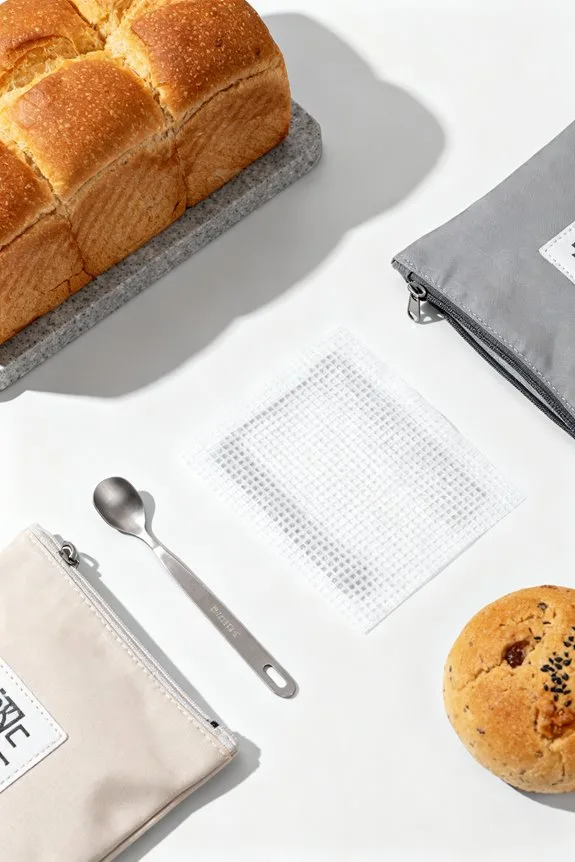
How to Prevent Treat Crumbs in Your Pouch

A trainer should use a compact, waterproof treat pouch about 4 by 4.5 inches, with a magnetic snap closure, to limit internal movement and spills. Place measured portions in thick resealable bags; why not use low-crumb soft treats or rolls to reduce fragments? Wipe hands and pouch interior after each session with disposable wipes, attach a towel or keep gloves for quick cleaning, and sanitize weekly with mild soap; follow these steps to learn more.
Key Takeaways
- Use a compact food-grade silicone pouch with magnetic closure and waterproofing to limit internal movement and reduce spillage.
- Store treats in thick resealable bags, pre-portioning servings to prevent crumbs and simplify reloads.
- Choose low-crumb, soft or semi-moist treats and avoid brittle or irregularly shaped snacks.
- Wipe hands and the pouch interior with disposable wipes after each session and sanitize weekly with mild soap.
- Attach a small towel or keep gloves in the pouch for quick hand wiping and crumb collection.
Choose the Right Treat Pouch
You may be interested
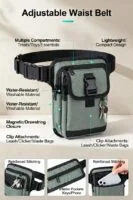
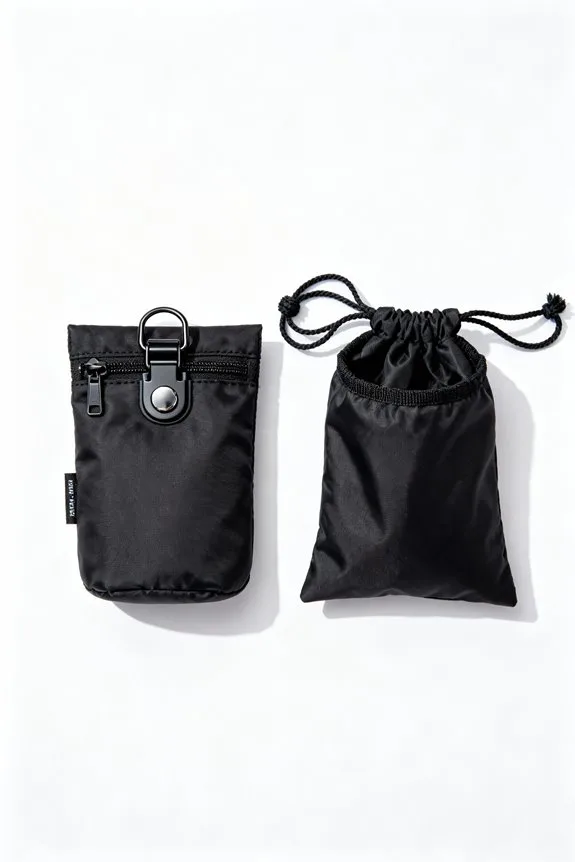
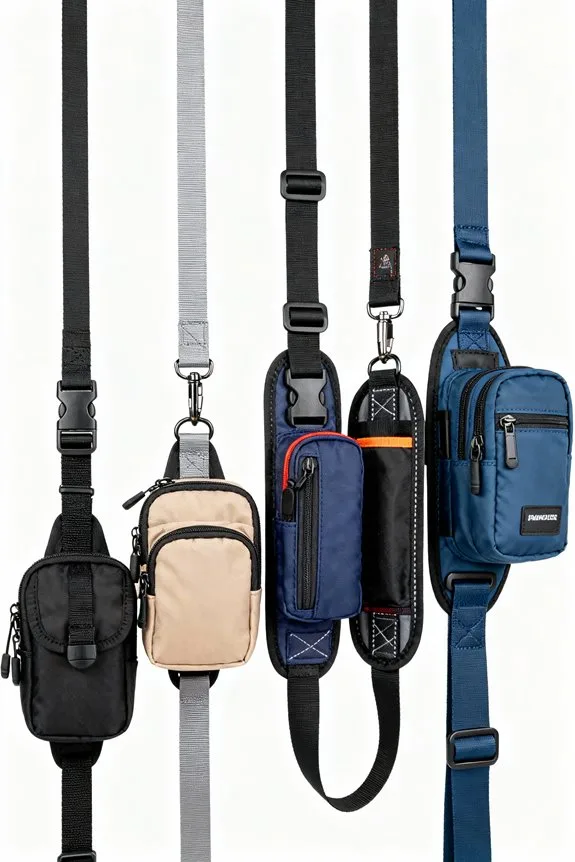
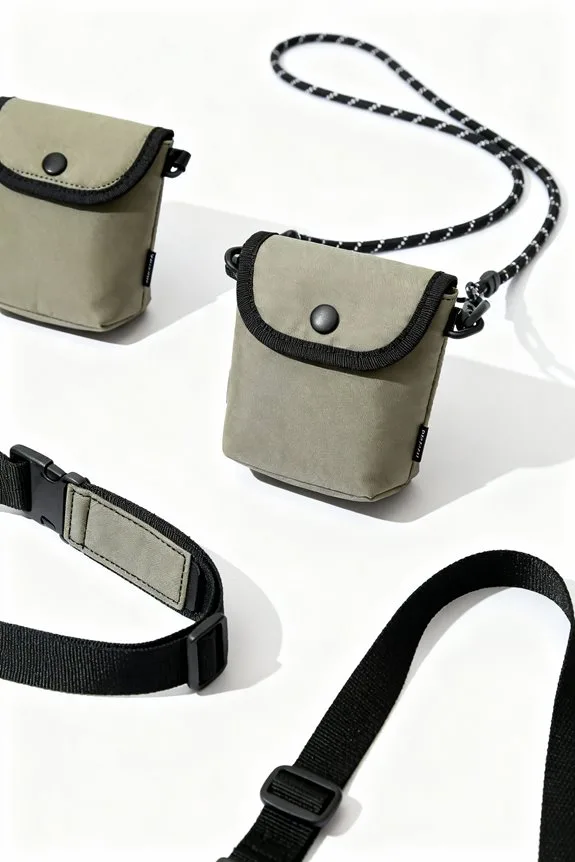
One practical starting point is to select a treat pouch made from food-grade silicone, which provides a smooth, non-porous surface that resists crumb buildup. Trainers should prefer magnetic snap closures, as they secure treats quickly and reduce spillage during dynamic sessions. Waterproof construction permits rapid wipe-downs after use, consequently crumbs and residue are removed with minimal effort. A compact size, about four inches wide and four and a half inches high, contains morsels and limits internal movement that creates crumbs. Adjustable belts and straps allow a stable fit around the waist, so the pouch remains stationary during motion. How can one balance capacity and containment without increasing mess? Inspect materials, closures, dimensions, and attachment systems before purchase, choosing models designed to minimize crumbs effectively today. Consider pouches with multiple compartments for better organization and to prevent mixing and crumbling of treats.
Use Resealable Bags for Treat Storage
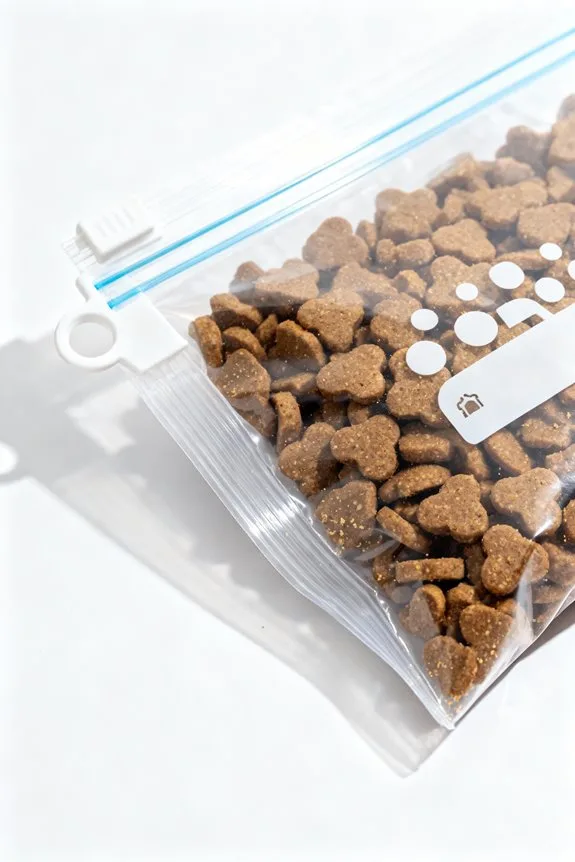
Use resealable bags for treat storage to create an airtight barrier, preserving freshness and preventing crumbs from forming during transport. Trainers can portion snacks into measured packets, for example ten small pieces per bag, which limits excess and simplifies reloads during sessions. How does this reduce mess? Because the seal contains breakage and loose particles, preventing crumbs from spreading inside a treat pouch. Lightweight, compact bags fit easily into small compartments, and clear plastic allows rapid identification without opening multiple containers. Using separate bags for different kinds preserves flavors and prevents cross-contamination, which maintains consistent rewards during training. For durability, choose thick, reusable resealable bags, and label them when necessary, so organization and cleanliness remain reliable over repeated outings. Replace bags regularly to avoid odors. Consider incorporating durable materials like 600D Nylon in your pouch selection for added protection against spills and easy cleaning.
Select Low-Crumb Treats and Consistent Textures
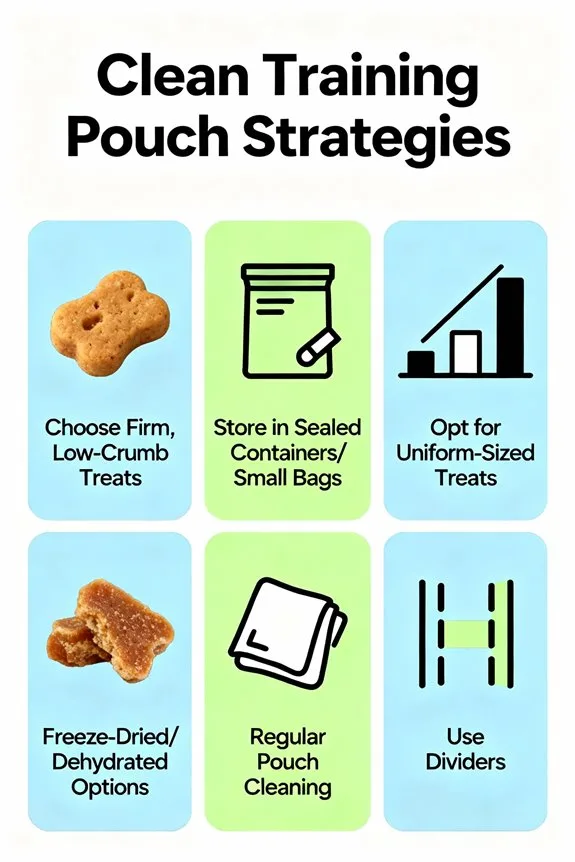
When selecting treats, trainers should prioritize low-crumb options like soft or semi-moist bites, because they minimize residue in pouches. Soft treat rolls, squeeze pouches, or food-grade silicone chews resist breakage, and consequently reduce treat crumbs during sessions. Which type suits a dog best, a soft bite or a semi-moist pouch, can be tested in short trials of three to five walks. Choose consistent textures, avoiding brittle or irregularly shaped pieces that fragment under weight or motion. For high-frequency training, use small uniform bites, for example twelve to twenty pieces per reward session, to limit handling and waste. Compare brands, note one to three favorites, and rotate sparingly, so pouch cleanliness remains predictable. These practices prevent debris build-up, extend pouch life, and improve training efficiency. Selecting non-toxic materials is crucial to ensure the safety and health of dogs during training and play.
Wipe Hands and Pouch Between Training Sessions
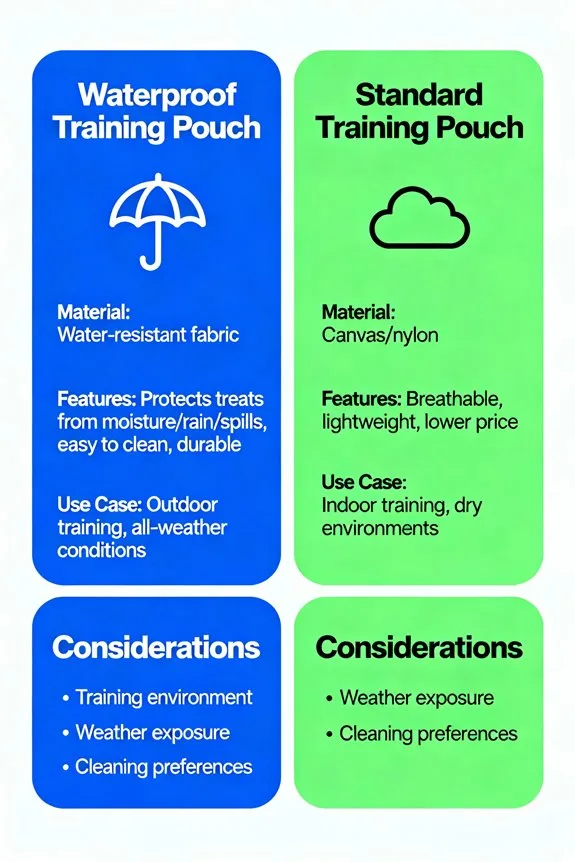
Wipe hands immediately after each reward, using disposable wipes carried in the pouch, to prevent crumbs from accumulating. The trainer should make sure to wipe both hands thoroughly, wiping fingertips and palms, after every treat delivery during sessions. How often should the pouch interior be cleaned, and what is a practical routine between sessions? Wipe the pouch interior with a damp wipe or cloth, at least once after each session, to remove residue and reduce bacterial risk. For heavy use, sanitize the interior weekly, using mild soap and warm water, then air dry completely to prevent mold. Inspect the pouch after each session for crumbs, stains, or odors, and document problems to refine cleaning frequency. Carry spares of wipes and note supplies before training. Additionally, consider choosing a pouch made from waterproof materials to help protect treats from moisture and ensure easy cleaning.
Attach a Towel or Keep Gloves Handy
Attach a small golf towel to the pouch with a button or carabiner, keeping it within reach to wipe hands quickly, dry slobber, and catch loose crumbs during sessions. Using gloves prevents sticky fingers, reduces treat residue, and limits crumbs migrating into pockets or fabric creases. Medical or fingerless gloves can be stored in the pouch, allowing quick changes every ten to twenty minutes during intense training. A buttoned towel also protects clothing from slobber stains, absorbs moisture, and provides a surface for wiping small treat pieces before returning items. A hands-free dog training pouch with adjustable straps and secure closures can enhance mobility and reduce the risk of dropping treats while keeping crumbs contained. What scenarios benefit most, a solo handler on a short walk, or a trainer running multiple, high-repetition sessions with several dogs? Together towels and gloves create cleaner routines, reduce crumbs, and improve handling efficiency.
Regular Cleaning and Proper Care Instructions
Clean the treat pouch at least once a month, or every week if used daily, to remove crumbs, oils, and residual odors. Regular washing with warm water and dish soap removes food particles and oils, and reduces lingering smells effectively. What is the best routine for active trainers? Wipe the pouch with a damp cloth after sessions, allow it to air dry completely, and inspect seams and closures for wear or damage. Use simple Cleaning Techniques, like gentle scrubbing with a soft brush for stubborn residues, avoiding bleach or high heat that can degrade materials. Store the pouch in a cool, dry place to prevent mold, and replace it promptly when stitching fails or closures malfunction. This regimen preserves hygiene and prolongs functional life. Many dog muzzles, like those made from breathable mesh materials, are designed for easy cleaning to ensure hygiene during regular use.
Frequently Asked Questions
What Is the 3-3-3 Rule for Dog Anxiety?
The 3-3-3 rule for dog anxiety states one should allow three days to decompress, three weeks to adjust to routine, and three months to settle; it guides Anxiety Management by setting expectations and pacing behaviors.
How to Clean a Dog Treat Pouch?
Like clockwork, owners should empty the pouch, machine wash in a lingerie bag or hand-scrub with hot water and dish soap, air dry, inspect for wear; Cleaning Tips emphasize regular sanitation to keep treats safe.
What Is the Hardest Command to Teach a Dog?
The ‘stay’ command is often the hardest to teach, requiring sustained self-control and distraction resistance; Advanced Training relies on consistent, reward-based repetition, patience, and adapting methods to breed, age, and individual temperament for ultimate success.
What Is the 7 Second Rule for Dogs?
The 7-second rule for dogs states dropped food is generally safe if picked up within seven seconds, assuming minimal contamination; owners use crumb management and discretion, considering surface cleanliness and potential bacteria before permitting consumption.
Conclusion
The handler selects a durable treat pouch, stores snacks in resealable bags, and chooses low-crumb treats, ensuring practical prevention during daily training sessions, and routines. Should they wipe hands and pouch between repetitions, attach a small towel or keep gloves at hand, and wash the pouch weekly to maintain hygiene? Ironically, even the most obsessive handler will find crumbs, which demonstrates that proper care reduces mess dramatically but never achieves absolute perfection, and tempers expectations.